
If you have recently had a temporary filling placed, you may find yourself wondering whether it will hold up until your next dental appointment. This is one of the most common concerns patients search for online — and understandably so. A temporary filling is not designed to be a long-term solution, yet circumstances sometimes mean there is a gap between when it is placed and when the permanent restoration can be completed.
Whether your temporary filling was placed following an emergency dental appointment, a root canal procedure, or to allow a custom restoration to be made in a dental laboratory, it is natural to want reassurance about its durability.
This article explains how long a temporary filling may realistically last, what factors influence its lifespan, what warning signs to be aware of, and when seeking professional dental assessment may be appropriate. Understanding the role of a temporary filling can help you take better care of your tooth during this interim period.
Experiencing these symptoms?
Delaying treatment can lead to tooth loss. We have slots available today.
Featured Snippet: How Long Can a Temporary Filling Last?
A temporary filling is typically designed to last between one and six weeks, though this depends on the material used, the location of the tooth, and how well it is cared for. While it may sometimes remain intact for longer, a temporary filling is not intended to replace a permanent restoration and should be followed up promptly with definitive treatment.
What Is a Temporary Filling and Why Is It Used?
A temporary filling is a short-term dental material placed inside a prepared tooth cavity or following emergency dental treatment. Unlike a permanent filling — which uses durable materials such as composite resin or amalgam — a temporary filling is made from softer, more easily removable materials. This makes it straightforward for your dentist to remove when the definitive restoration is ready.
Temporary fillings serve several important clinical purposes. They may be used to:
Meet Dr. Yasha Shirazi
Principal Dentist at Emergency Dentist London
"We treat hundreds of dental emergencies every month. The sooner you come in, the easier the fix usually is."
Book an appointment with our team →- Protect an exposed tooth while a crown, inlay, or onlay is being made in a laboratory
- Seal a tooth between root canal treatment appointments to allow any infection to settle
- Provide immediate relief following an emergency dental situation
- Allow a dentist to assess whether a tooth responds well to treatment before committing to a permanent restoration
Because the material is less dense than permanent alternatives, patients are often advised to avoid chewing on that side of the mouth and to be cautious with hard or sticky foods. Understanding why the filling is temporary helps explain why prompt follow-up with your dentist is important.
How Long Does a Temporary Filling Typically Last?
The lifespan of a temporary filling varies depending on several factors. In general, most temporary fillings are designed to remain in place for between one and six weeks. However, some materials and clinical situations may allow them to remain intact for up to three months in certain circumstances.
Key factors that influence how long a temporary filling lasts include:
- Location of the tooth: Molars and premolars experience greater chewing forces, which may cause a temporary filling to wear down or dislodge more quickly than one placed in a front tooth.
- Material used: Different temporary filling materials have varying degrees of hardness and adhesion. Your dentist will select an appropriate material based on the clinical situation.
- Dietary habits: Consuming hard, crunchy, or sticky foods places additional stress on the temporary material and may shorten its lifespan.
- Oral hygiene practices: Overly vigorous brushing directly on the filled area may gradually erode the material.
- Depth and size of the cavity: Larger cavities may be more difficult to seal adequately with a temporary material.
If you are unsure whether your temporary filling is still intact, your dentist can assess this at your next appointment. If you notice any changes before then, it is advisable to seek advice promptly.
The Dental Science Behind Temporary Filling Materials
Temporary fillings are typically made from zinc oxide eugenol (ZOE) compounds or similar materials that have mild antibacterial and analgesic properties. This means that in addition to sealing the tooth, the material may help to soothe the underlying dental pulp tissue during the interim period.
The pulp is the innermost layer of the tooth, containing nerves and blood vessels. When a tooth has been significantly damaged — whether through decay, trauma, or infection — the pulp can become inflamed or compromised. A temporary filling helps to protect this sensitive area from further bacterial contamination, saliva exposure, and temperature changes whilst a definitive treatment plan is being completed.
Unlike permanent restorations, temporary materials are not bonded chemically to the tooth structure in the same way. This intentional characteristic makes removal straightforward, but it also means the seal is less resilient over time. Understanding this distinction reinforces why timely permanent treatment is clinically important.
Warning Signs That Your Temporary Filling May Need Attention
Most patients experience minimal discomfort once a temporary filling is in place. However, certain changes may indicate that the filling has become compromised or that the underlying tooth requires earlier review.
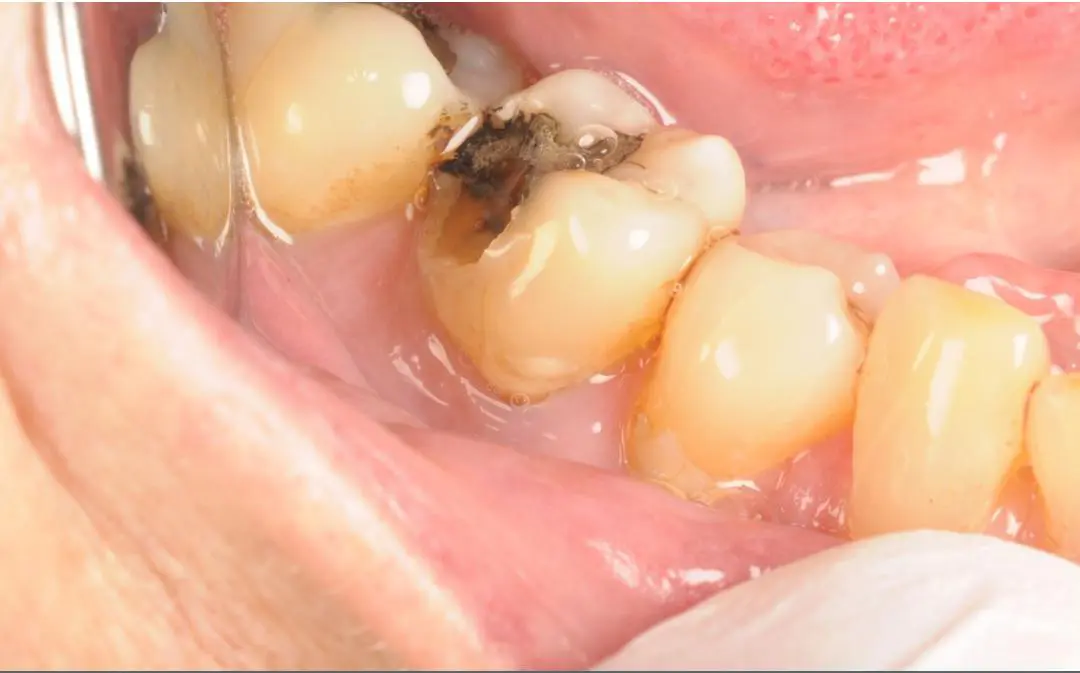
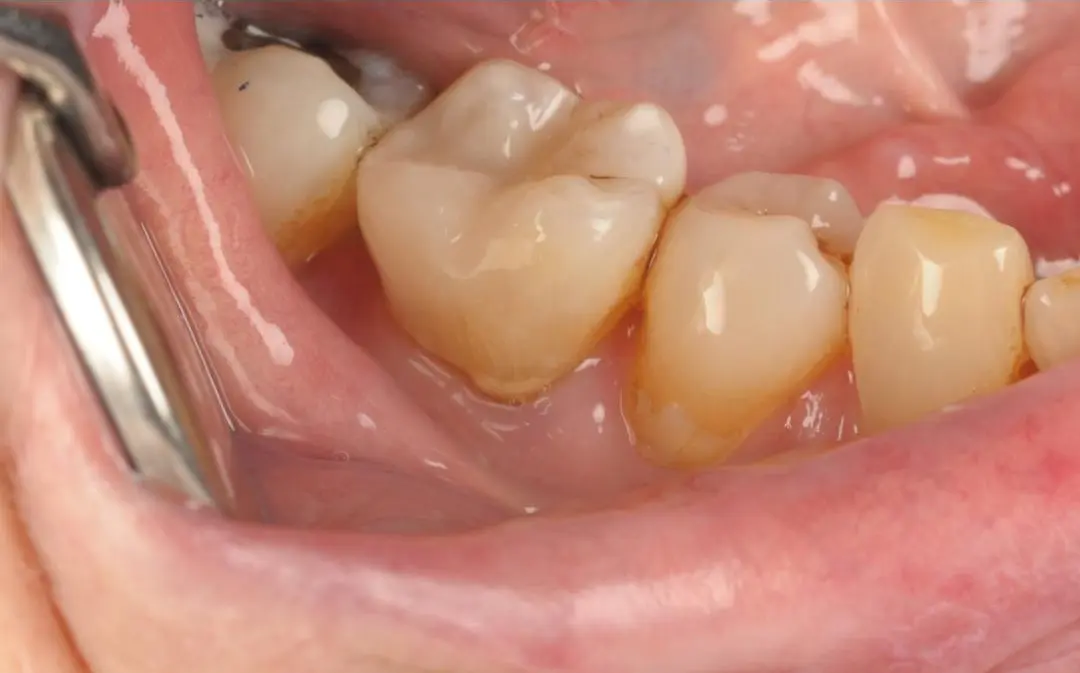
Real Patient Result: Emergency White Filling
Treatment by Dr Kamran
You may wish to contact your dental practice if you notice any of the following:
- The filling feels loose, lower, or different when biting
- Part or all of the material appears to have come out
- Increased sensitivity to hot, cold, or sweet foods and drinks
- Persistent or worsening discomfort around the filled tooth
- Swelling, tenderness, or a raised area on the gum near the tooth
- A persistent unpleasant taste in that area of the mouth
These signs do not necessarily indicate a serious problem, but they do suggest that the tooth may benefit from earlier assessment. If you are in the London area and require prompt dental advice, our emergency dental services are available to help assess your situation.
When Professional Dental Assessment May Be Appropriate
There are situations where it is advisable not to wait until your scheduled appointment and to seek dental review sooner. If your temporary filling has come out completely, the underlying tooth structure is exposed and may become more sensitive or vulnerable to bacterial contamination over time.
Similarly, if you develop any signs of a possible dental infection — such as swelling, persistent throbbing pain, fever, or difficulty swallowing — you should seek professional assessment without delay, as these symptoms can sometimes indicate a condition that requires timely clinical attention.
Patients who are in the middle of root canal treatment and experience a dislodged temporary filling between appointments should contact their dentist promptly, as the tooth may require re-sealing to protect the canals from recontamination.
Prevention and Oral Health Advice During Temporary Filling Treatment
Taking good care of your temporary filling can help to maintain its integrity until your permanent treatment is completed. Consider the following practical guidance:
- Chew on the opposite side of your mouth where possible to reduce pressure on the temporary filling
- Avoid hard foods such as raw vegetables, crusty bread, nuts, and hard sweets
- Avoid sticky foods such as toffee, chewing gum, and dried fruit that may pull at the material
- Brush gently around the area using a soft-bristled toothbrush, taking care not to dislodge the material
- Continue flossing, but slide the floss out sideways rather than lifting it upwards to avoid pulling on the filling
- Attend your follow-up appointment as planned — this is the most important step in ensuring the tooth receives definitive care
Good general oral hygiene, including twice-daily brushing with fluoride toothpaste and regular flossing, remains important throughout your treatment journey. If you are unsure about the best way to care for your teeth during this period, your dental team can offer tailored guidance at your next visit.
Key Points to Remember
- A temporary filling is a short-term solution, typically designed to last between one and six weeks
- Its lifespan depends on the tooth location, material used, and dietary and oral hygiene habits
- Temporary fillings protect the tooth and underlying pulp whilst permanent treatment is being arranged
- Common warning signs of a compromised temporary filling include sensitivity, changes in bite, discomfort, and visible material loss
- Avoiding hard and sticky foods and chewing on the opposite side can help protect the filling
- Always attend your follow-up appointment — permanent restoration is essential for long-term tooth health
Frequently Asked Questions
What should I do if my temporary filling falls out?
If your temporary filling falls out, contact your dental practice as soon as possible. The exposed tooth may become sensitive or vulnerable to bacterial ingress, so it is important to have the area assessed and re-sealed if necessary. In the meantime, avoid chewing on that side and be cautious with extreme food temperatures. Do not attempt to replace the material yourself using over-the-counter products without first speaking to your dentist.
Can I eat normally with a temporary filling?
You should modify your diet while a temporary filling is in place. Soft foods are generally safer, whilst hard, crunchy, and sticky foods should be avoided. Chewing on the opposite side of the mouth where possible reduces the risk of dislodging or fracturing the temporary material. Your dentist or dental nurse will advise you on appropriate dietary adjustments based on your individual situation and the tooth involved.
Is it normal to have sensitivity with a temporary filling?
Some degree of sensitivity to temperature or pressure following placement of a temporary filling is not uncommon, particularly if the tooth had significant decay or had undergone a dental procedure. Mild, short-lived sensitivity that gradually reduces is generally considered normal. However, if sensitivity is persistent, worsening, or accompanied by spontaneous pain, this may warrant earlier dental review. Always discuss ongoing symptoms with your dentist rather than assuming they will resolve on their own.
Can a temporary filling last for several months?
Whilst temporary fillings are not designed for long-term use, some may remain intact for a few months depending on the material and clinical circumstances. However, this does not mean they are suitable as a permanent solution. The longer a tooth is left without definitive restoration, the greater the potential for material degradation, bacterial contamination, and further structural damage. Delaying permanent treatment beyond the recommended timeframe is not advisable without clinical guidance.
Why do I need a temporary filling before a crown?
A temporary filling or temporary crown is often placed whilst your permanent crown is being fabricated in a dental laboratory, which typically takes one to two weeks. The temporary restoration protects the prepared tooth, maintains the space, and allows you to function reasonably normally in the interim. It also provides your dentist with an opportunity to assess how the tooth responds before the permanent crown is fitted. You can learn more about dental crown treatment and what to expect during the process.
Should I be concerned if my temporary filling changes colour?
Temporary filling materials may discolour over time due to exposure to food, drink, and saliva. A change in colour alone is not necessarily a clinical concern. However, if the appearance changes are accompanied by discomfort, sensitivity, or visible material loss, it is worth mentioning this to your dentist at your next visit or seeking earlier assessment if you are concerned.
Conclusion
A temporary filling plays an important clinical role in protecting your tooth whilst definitive treatment is being arranged. Understanding its limitations — and knowing how to look after it — can help to ensure it remains intact until your permanent restoration is in place.
Most temporary fillings are designed to last between one and six weeks, and their lifespan can be influenced by diet, oral hygiene habits, and the location of the tooth. If you notice any changes — such as sensitivity, discomfort, or a feeling that the filling has shifted — seeking dental advice sooner rather than later is always a sensible approach.
Dental symptoms and treatment options should always be assessed individually during a clinical examination. If you have concerns about a temporary filling or require prompt dental attention in London, speaking with a qualified dental professional is a recommended course of action.
Disclaimer: This article is intended for general educational purposes only and does not constitute personalised dental advice. Individual diagnosis and treatment recommendations require a clinical examination by a qualified dental professional.
Next Review Due: 16 October 2027