
Discovering that a tooth is cracked can be an unsettling experience, particularly when you are unsure what it means for your long-term dental health. Many people search online with questions such as "can a root canal save a cracked tooth?" — often after noticing sharp pain when biting, unexpected sensitivity, or discomfort that is difficult to pinpoint. These are entirely understandable concerns, and it is natural to want clear information before deciding on next steps.
A cracked tooth is one of the more common dental presentations seen in adults, and the range of outcomes varies considerably depending on the nature and extent of the crack. In some cases, a root canal treatment may form part of the clinical approach to preserving a cracked tooth. In others, different interventions may be more appropriate.
This article explains what a cracked tooth involves, how root canal treatment works, and the circumstances in which it may or may not be a suitable option. Understanding this information can help you have a more informed conversation with your dentist during a professional assessment.
Experiencing these symptoms?
Delaying treatment can lead to tooth loss. We have slots available today.
Featured Snippet Answer
Can a root canal save a cracked tooth?
In some cases, root canal treatment for a cracked tooth can help preserve the tooth by removing damaged or infected pulp tissue and sealing the root canals. However, whether this approach is suitable depends entirely on the type, location, and extent of the crack, which must be assessed by a qualified dental professional during a clinical examination.
Understanding Cracked Teeth: Types and Causes
Not all cracked teeth are the same, and the type of crack present has a significant bearing on what treatment options may be considered. Dental professionals generally recognise several distinct presentations:
Meet Dr. Yasha Shirazi
Principal Dentist at Emergency Dentist London
"We treat hundreds of dental emergencies every month. The sooner you come in, the easier the fix usually is."
Book an appointment with our team →- Craze lines — Superficial cracks affecting only the outer enamel. These are very common in adults and typically do not cause symptoms or require treatment beyond monitoring.
- Fractured cusp — A piece of the tooth's chewing surface breaks away, often around an existing filling. This type rarely affects the pulp.
- Cracked tooth — A crack that begins at the chewing surface and may extend downward toward the root. If it reaches the pulp, it can cause pain and infection.
- Split tooth — A crack that has progressed to the point where the tooth separates into distinct segments. This often limits the range of treatment options available.
- Vertical root fracture — A crack beginning in the root and extending upward. This type frequently goes undetected for some time and is often complex to manage.
Common causes of cracked teeth include biting on hard foods, teeth grinding (bruxism), thermal stress from extreme temperature changes in food and drink, ageing, and accidental trauma. Large existing dental restorations can also place additional stress on tooth structure over time.
The Science Behind a Cracked Tooth and Pulp Involvement
To understand when root canal treatment may be considered, it helps to have a basic understanding of tooth anatomy. Each tooth consists of several layers: the hard outer enamel, the dentine beneath it, and at the centre, a soft tissue known as the dental pulp. The pulp contains nerves, blood vessels, and connective tissue, and it plays an important role in tooth development.
When a crack extends deeply enough to reach or expose the pulp, bacteria from the mouth can enter and cause inflammation or infection of this tissue — a condition referred to as pulpitis. If left without clinical attention, an infected pulp can lead to a dental abscess and potential spread of infection to surrounding structures.
Root canal treatment — sometimes called endodontic treatment — involves carefully removing the affected or infected pulp tissue, cleaning and shaping the root canals, and sealing them to prevent further bacterial entry. A crown is often placed over the tooth afterwards to restore its function and help protect the remaining tooth structure.
If you are experiencing tooth pain or sensitivity that concerns you, it is worth exploring what emergency dental treatment in London involves and when it may be appropriate to seek same-day assessment.
When Root Canal Treatment May Be Considered for a Cracked Tooth
Root canal treatment for a cracked tooth is not a universal solution. Whether it forms part of an appropriate treatment plan depends on a number of factors that can only be evaluated properly during a clinical examination. These include:
- The depth and direction of the crack
- Whether the crack has reached the pulp or root
- The extent of the fracture — whether the tooth can be structurally supported after treatment
- The overall health and bone support surrounding the tooth
- The patient's general dental health and preferences
In cases where a crack has involved the pulp but has not extended into the root in a way that compromises the tooth's structural integrity, root canal treatment may help to address infection and preserve the tooth. A dental crown is typically recommended following the procedure to protect the tooth.
Conversely, where a crack has split the tooth vertically through the root or the tooth cannot be adequately restored, extraction may ultimately be the recommended course of action. Your dentist will discuss all options with you based on a thorough clinical assessment.
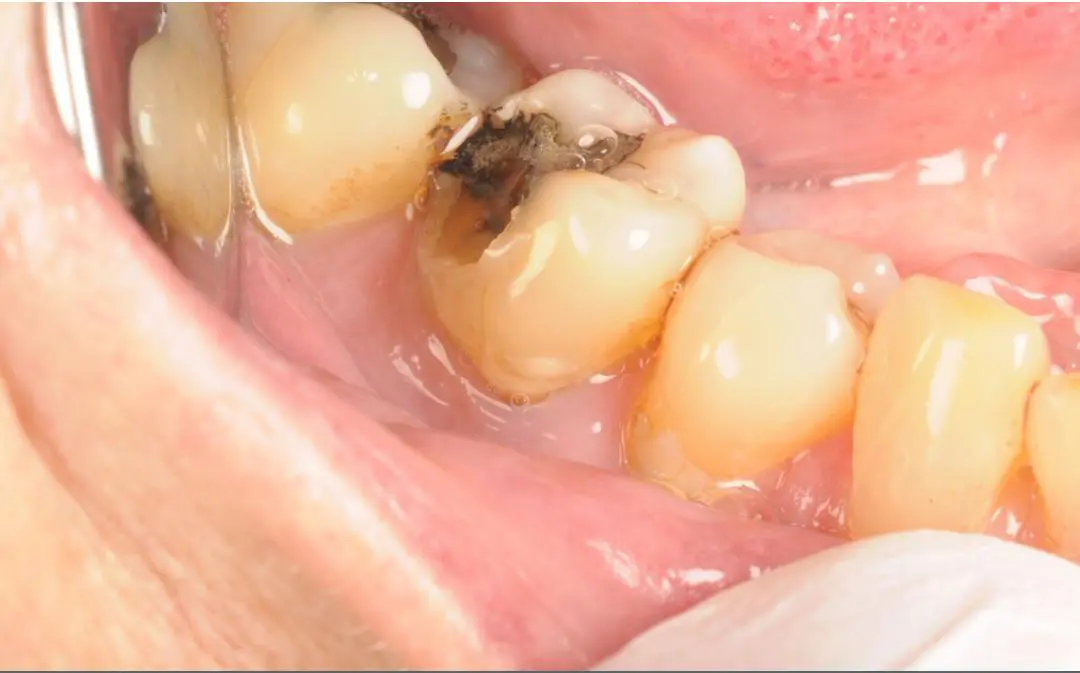
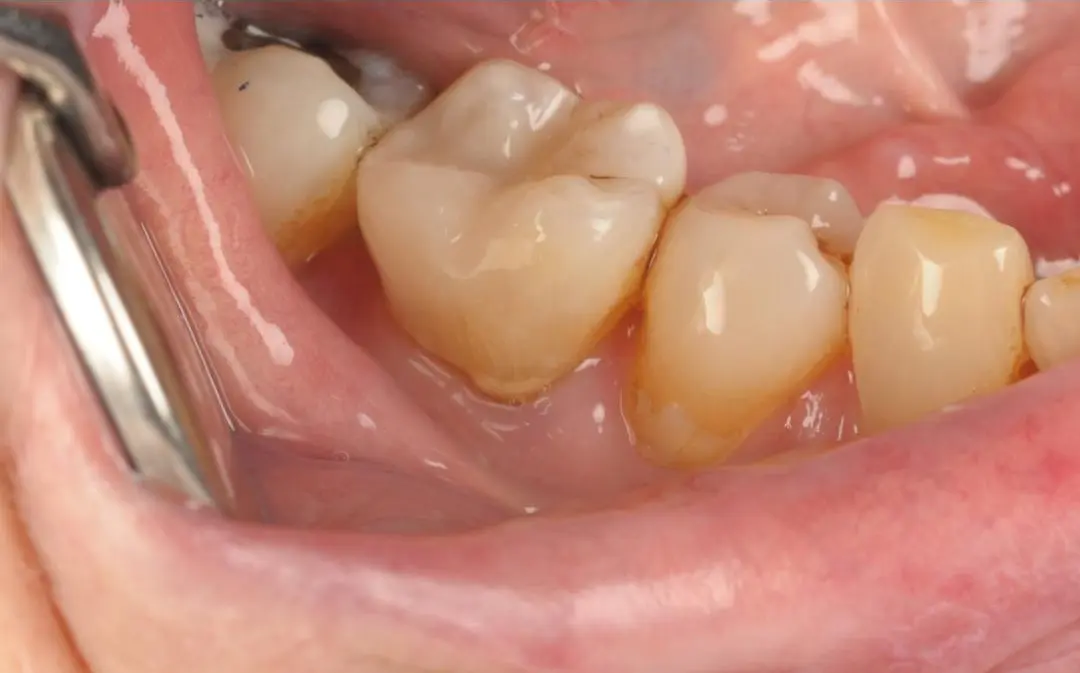
Real Patient Result: Emergency White Filling
Treatment by Dr Kamran
To understand more about what the root canal procedure involves, you may find it helpful to read about root canal treatment and what patients can generally expect.
Symptoms That May Suggest a Cracked Tooth Needs Attention
Cracked teeth can present in a variety of ways, and symptoms are not always immediately obvious. Some common signs that may warrant a dental assessment include:
- Sharp pain when biting or chewing, particularly when releasing pressure
- Sensitivity to hot or cold temperatures that lingers after the stimulus is removed
- Intermittent discomfort that is difficult to localise to a specific tooth
- Swelling of the gum near a particular tooth
- General aching around the jaw or face
It is worth noting that some cracked teeth cause no symptoms at all in early stages, particularly craze lines or small fractures. This is one reason why routine dental check-ups are valuable — they allow a dentist to identify changes in tooth structure before they progress further.
If you notice any of the above symptoms, arranging a dental appointment for assessment is a sensible and proactive step.
When to Seek Professional Dental Assessment
There are certain situations where seeking prompt dental evaluation is particularly advisable:
- Pain when biting that does not resolve within a short period
- Sensitivity that persists for more than a few seconds after exposure to temperature
- Visible damage to a tooth following trauma or an accident
- Swelling in the gum, jaw, or face
- A persistent bad taste or discharge near a tooth, which may indicate infection
These symptoms do not automatically confirm a cracked tooth or the need for root canal treatment, but they are signs that a qualified dental professional should evaluate. Early assessment can help identify what is happening and allow appropriate options to be discussed with you. You can find out more about what to do in urgent situations by visiting the emergency dentist London service page.
Preventing Cracked Teeth: Practical Oral Health Advice
Whilst not all cracked teeth are preventable, there are several practical steps that may help reduce the risk:
- Wear a custom mouthguard if you grind your teeth at night (bruxism). A dentist can provide one tailored to your bite.
- Avoid chewing on very hard objects such as ice, boiled sweets, or pens.
- Use appropriate protective equipment during contact sports.
- Attend regular dental check-ups so that wear, existing restorations, and early structural changes can be monitored.
- Address dental problems promptly — delaying treatment for cavities or damaged fillings can increase stress on tooth structure over time.
- Maintain a balanced diet and good oral hygiene to support overall dental health.
These measures form part of a general preventative approach and can help support the longevity of your natural teeth.
Key Points to Remember
- A cracked tooth can range from a superficial surface line to a deep fracture involving the root — the type and severity varies significantly.
- Root canal treatment for a cracked tooth may be an option when the pulp has been affected but the tooth can still be structurally preserved.
- Not all cracked teeth require root canal treatment — clinical assessment is essential to determine what approach is appropriate.
- Symptoms such as pain on biting, temperature sensitivity, or gum swelling are worth discussing with a dental professional.
- Preventative measures such as wearing a night guard and attending regular check-ups can help protect tooth structure over time.
- Treatment suitability is always determined on an individual basis following a thorough clinical examination.
Frequently Asked Questions
How do I know if my cracked tooth needs a root canal?
There is no reliable way to determine this without a professional dental examination. Symptoms such as lingering sensitivity to temperature, pain when biting and releasing pressure, or discomfort around a specific tooth may suggest the pulp is involved. However, many cracked teeth present with minimal or no symptoms initially. A dentist will use a combination of clinical assessment, X-rays, and specialised tests to evaluate the crack and determine what treatment, if any, may be appropriate for your situation.
Can a cracked tooth heal on its own?
Unlike bone, tooth enamel and dentine do not regenerate in the same way. A crack in a tooth will not heal by itself. Depending on the type and extent of the crack, it may remain stable, or it may progress over time, particularly under the pressures of normal biting and chewing. This is why professional monitoring and, where appropriate, timely treatment are generally recommended to help prevent a crack from worsening.
Is root canal treatment painful?
Root canal treatment is often associated with discomfort, but this reputation is largely outdated. The procedure is carried out under local anaesthetic, which means the area is numbed before treatment begins. Most patients report that the experience is far more comfortable than they anticipated. Some mild soreness or sensitivity may occur in the days following treatment as the tissues settle, but this is typically manageable and temporary. Your dentist or endodontist will discuss what to expect before the procedure.
What happens if a cracked tooth is left untreated?
If a crack that has reached the pulp is left without clinical attention, the risk of infection developing within the tooth increases over time. A dental abscess — a localised collection of infection — can develop, causing more significant pain and swelling. In some cases, the infection may affect surrounding bone and soft tissue. Where a crack continues to propagate, the tooth may eventually split in a way that makes preservation more difficult. Early assessment generally provides more treatment options than waiting until symptoms become severe.
Will a crown alone fix a cracked tooth without a root canal?
A crown may be recommended to protect a cracked tooth in certain situations, for example where the crack has not reached the pulp and the tooth is otherwise structurally sound. However, a crown does not always prevent a crack from deepening, particularly if the fracture extends below the gum line or into the root. If the pulp has already become inflamed or infected, root canal treatment would typically need to be completed before a crown is placed. The most appropriate course of action will depend on an individual clinical assessment.
How long can a tooth last after root canal treatment for a crack?
The longevity of a tooth following root canal treatment depends on several factors, including the extent of the crack, the quality of the restoration placed afterwards (typically a dental crown), and the patient's ongoing oral hygiene and dental care. Many teeth treated with root canal therapy function well for many years. However, no specific outcome can be guaranteed, as each case is unique. Your dentist will be best placed to discuss realistic expectations based on the condition of your tooth and your overall dental health.
Conclusion
Understanding whether a root canal can save a cracked tooth is not straightforward, because the answer depends on the nature of the crack, how far it has progressed, and the individual clinical picture. What is clear is that cracked teeth benefit from prompt professional evaluation — the earlier a crack is assessed, the broader the range of management options that may be available.
Root canal treatment for a cracked tooth may be a suitable approach in cases where the pulp has been compromised but the tooth retains enough structural integrity to be preserved and restored. In other situations, different treatment approaches may be more appropriate.
Maintaining good oral hygiene, attending regular dental check-ups, and addressing dental concerns without unnecessary delay all contribute to supporting long-term dental health and the preservation of natural teeth.
Dental symptoms and treatment options should always be assessed individually during a clinical examination. If you are experiencing discomfort, sensitivity, or have concerns about a cracked tooth, speaking with a qualified dental professional is the most appropriate next step.
Disclaimer: This article is intended for general educational purposes only and does not constitute personalised dental advice. Individual diagnosis and treatment recommendations require a clinical examination by a qualified dental professional.
Next Review Due: 30 October 2027