
Severe toothache can arrive without warning — often at the worst possible time. Whether it begins in the middle of the night or over a weekend, the pain from a deeply infected or damaged tooth can be difficult to manage at home. It is entirely natural to search online for answers, wanting to understand what might be causing the discomfort and whether anything can be done quickly.
One of the most common questions people ask when dealing with acute dental pain is whether a root canal can be started during an emergency appointment. Understanding what happens during an emergency dental visit, what treatment may be possible on the same day, and when more involved procedures like root canal treatment might begin can help reduce anxiety and set realistic expectations.
This article explains how emergency dental appointments work, what a root canal involves, the clinical factors that influence whether treatment can begin immediately, and what you can do to look after your oral health in the meantime. If you are experiencing significant dental pain, seeking professional dental advice promptly is always the recommended course of action.
Experiencing these symptoms?
Delaying treatment can lead to tooth loss. We have slots available today.
Featured Snippet Answer
Can a root canal be started during an emergency dental appointment?
In some cases, yes — a root canal can be started during an emergency appointment. Whether this is possible depends on clinical factors including the severity of the infection, the condition of the tooth, and the time available. A dentist will assess the situation and determine the most appropriate immediate treatment to relieve pain and prevent further complications.
What Is a Root Canal and Why Might It Be Needed Urgently?
Root canal treatment, also known as endodontic treatment, is a procedure carried out when the soft tissue inside a tooth — called the pulp — becomes infected or severely inflamed. The pulp contains nerves and blood vessels, and when it is compromised, it can cause significant pain.
Meet Dr. Yasha Shirazi
Principal Dentist at Emergency Dentist London
"We treat hundreds of dental emergencies every month. The sooner you come in, the easier the fix usually is."
Book an appointment with our team →The need for a root canal most commonly arises from:
- Deep decay that has progressed through the enamel and dentine into the pulp
- A cracked or fractured tooth that has allowed bacteria to reach the inner tissue
- Repeated dental procedures on the same tooth over time
- Trauma that damages the tooth internally, even without visible cracking
When the pulp becomes infected, the body's immune response can lead to swelling, throbbing pain, sensitivity to temperature, and in some cases, the development of a dental abscess. These symptoms can escalate quickly, which is why many patients contact an emergency dental practice.
What Happens During an Emergency Dental Appointment?
An emergency dental appointment is primarily focused on assessment, pain relief, and stabilisation. When you arrive, the dentist will carry out a clinical examination, which may include X-rays, to understand what is happening inside the tooth and the surrounding structures.
Based on this assessment, the dentist will determine the most appropriate course of action. This might include:
- Draining an abscess if present
- Prescribing antibiotics if there is evidence of spreading infection
- Providing pain relief advice or medication
- Beginning root canal treatment if clinically appropriate
- Placing a temporary dressing or sedative filling to calm the tooth
It is important to understand that not every emergency visit will result in root canal treatment commencing that day. The dentist's priority is to relieve your immediate discomfort safely and provide a clear plan for any further treatment required. You can find more detail about what to expect when you visit an emergency dentist in London.
Can Root Canal Treatment Actually Begin on the Same Day?
This is the key question many patients have, and the honest answer is: it depends. There are situations where a dentist may begin root canal treatment during an emergency appointment, and others where it would not be the most appropriate first step.
Circumstances where starting may be possible:
- The infection is localised to the tooth and has not spread significantly
- There is sufficient time within the appointment
- The patient's medical history and clinical condition allow for safe treatment
- The tooth is restorable and suitable for root canal therapy
Circumstances where it may be delayed:
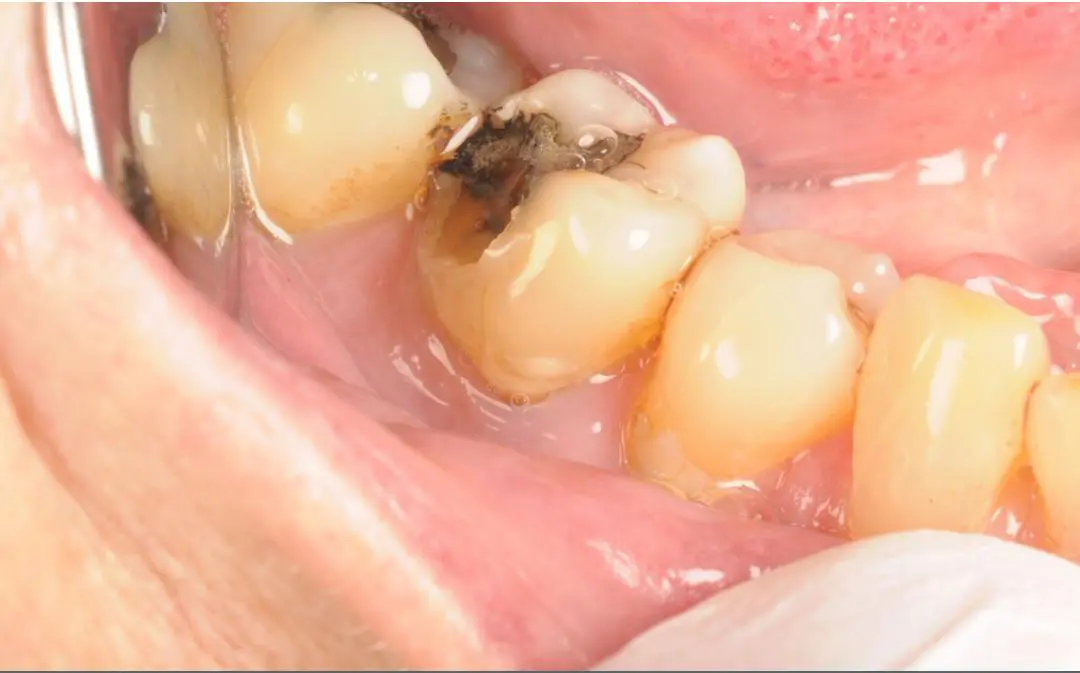
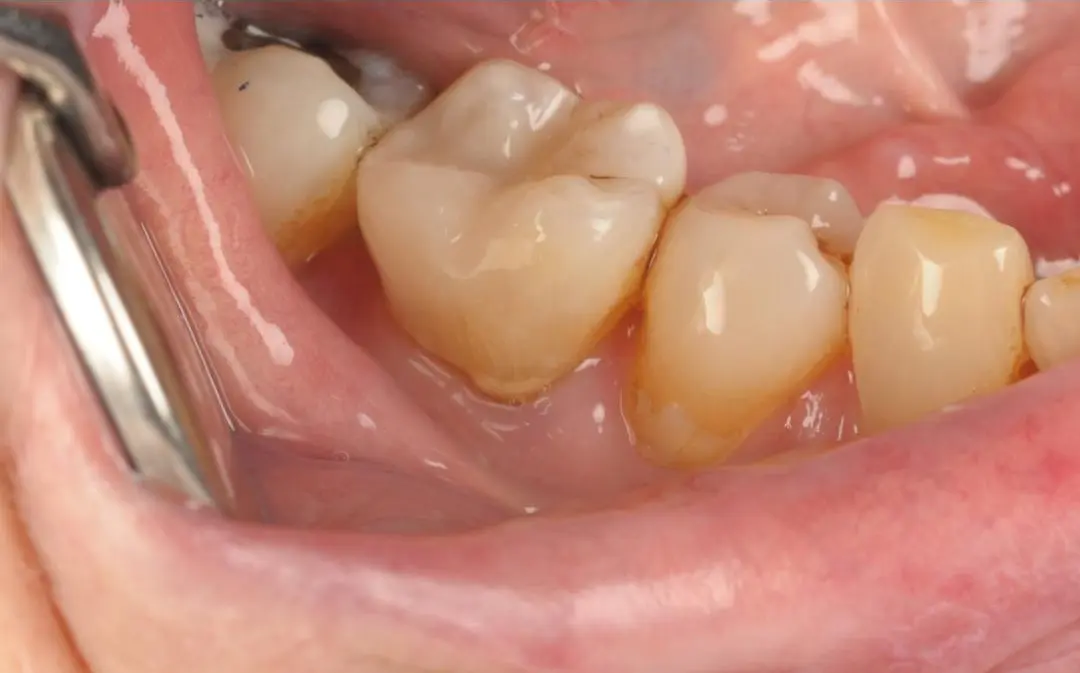
Real Patient Result: Emergency White Filling
Treatment by Dr Kamran
- A significant abscess or spreading infection is present — antibiotics may be needed first to bring the infection under control
- Swelling is affecting the ability to achieve adequate local anaesthesia
- Further diagnostic imaging or specialist referral is required
- The appointment has been booked as a short emergency slot only
A dentist will always make this decision based on what is clinically safe and in the patient's best interest at that time. Treatment suitability is always determined through individual clinical assessment.
Understanding the Root Canal Procedure: A Clinical Explanation
To understand why root canal treatment may or may not begin immediately, it helps to know what the procedure involves.
A root canal is typically carried out in one or more appointments. The process involves:
- Local anaesthesia — the area around the tooth is numbed so the procedure is as comfortable as possible
- Access preparation — the dentist creates an opening through the crown of the tooth to reach the pulp chamber
- Pulp removal — infected or inflamed pulp tissue is carefully removed from the root canals
- Cleaning and shaping — the canals are cleaned, disinfected, and shaped using fine instruments
- Filling and sealing — the canals are filled with a biocompatible material to prevent reinfection
- Restoration — the tooth is restored, usually with a crown, to protect its structure long-term
When an emergency appointment allows sufficient time and clinical conditions are favourable, the first stages of this process can begin. In other cases, a temporary sedative dressing may be placed to relieve pain while a dedicated root canal appointment is arranged. If you would like to learn more about the procedure itself, our root canal treatment page provides a thorough overview.
When Should You Seek Professional Dental Assessment?
Certain symptoms suggest it is important to contact a dental practice promptly rather than waiting to see whether discomfort resolves on its own. These include:
- Persistent or severe toothache that does not respond to over-the-counter pain relief
- Swelling of the face, jaw, or gums around a painful tooth
- A visible spot or bump on the gum near a tooth (which may indicate an abscess)
- Prolonged sensitivity to hot or cold that lingers after the source is removed
- Tooth discolouration accompanied by pain
- A tooth that has suffered trauma even if it appears intact
These symptoms do not automatically mean a root canal is required — only a clinical examination can determine the cause and appropriate treatment. However, they are signs that a dental assessment should not be delayed. If you are experiencing any of the above, contacting an emergency dental clinic promptly is advisable.
Prevention and Oral Health Advice
While not all dental emergencies are preventable, maintaining good oral health significantly reduces the risk of developing the kind of infection or damage that leads to the need for emergency care.
Practical steps include:
- Brushing twice daily with a fluoride toothpaste, spending at least two minutes each time
- Cleaning between your teeth daily using floss, interdental brushes, or a water flosser
- Attending regular dental check-ups so that small issues like early decay can be identified and addressed before they progress
- Wearing a mouthguard during contact sports to reduce the risk of dental trauma
- Avoiding excessive consumption of sugary foods and drinks, which contribute to tooth decay
- Not using teeth as tools to open packaging or bite hard objects, which can cause cracks
If decay is caught early, it can often be treated with a simple filling — avoiding the need for more extensive intervention later.
Key Points to Remember
- A root canal can be started during an emergency dental appointment, but this depends on the clinical situation assessed by the dentist
- Emergency appointments focus first on pain relief, diagnosis, and stabilisation
- Spreading infection or significant swelling may mean antibiotics are prescribed before root canal treatment begins
- Root canal treatment is typically carried out over one or more appointments depending on the complexity
- Only a qualified dentist can determine whether and when root canal treatment is appropriate for your individual circumstances
- Good oral hygiene and regular check-ups help reduce the risk of dental emergencies
Frequently Asked Questions
How painful is a root canal during an emergency appointment?
Root canal treatment is performed under local anaesthesia, which numbs the area so you should not feel pain during the procedure itself. Some patients report mild discomfort afterwards as the anaesthesia wears off, which can usually be managed with over-the-counter pain relief. Advances in dental techniques mean many patients find the procedure far more comfortable than they anticipated. Your dentist will explain what to expect and ensure you are as comfortable as possible throughout.
Can antibiotics alone treat a tooth infection that might need a root canal?
Antibiotics can help manage the spread of infection and reduce associated symptoms such as swelling and fever, but they cannot resolve the source of the infection within the tooth. If the pulp is infected or has died, the infection will persist until the tooth is treated — either through root canal therapy or extraction. Antibiotics are sometimes prescribed alongside dental treatment to support recovery, but they are not a standalone solution for an infected tooth.
How long does root canal treatment take?
The duration varies depending on the complexity of the tooth and the extent of the infection. A single-rooted tooth may sometimes be treated in one appointment, while multi-rooted teeth often require two or more sessions. Each appointment typically lasts between 60 and 90 minutes. Your dentist will give you a clearer time estimate following examination and X-rays, as every case is different.
Is it better to have a root canal or have the tooth extracted in an emergency?
This is a decision that should always be made in consultation with your dentist based on the condition of the tooth, surrounding bone, and your overall dental health. Where possible, preserving a natural tooth through root canal treatment is generally considered preferable, as it maintains the structure of the jaw and neighbouring teeth. However, if a tooth is too severely damaged or cannot be adequately restored, extraction may be the more appropriate option. Your dentist will discuss the available options with you.
What should I do if I cannot get an emergency appointment immediately?
If you are in severe pain and cannot reach a dentist immediately, over-the-counter pain relief such as ibuprofen or paracetamol (taken as directed on the packaging) may help manage discomfort temporarily. Avoiding very hot, cold, or sweet foods and drinks can also reduce sensitivity. Do not place aspirin directly onto the gum or tooth, as this can cause tissue irritation. Seeking professional dental care as soon as possible remains the most important step.
Will I need a crown after root canal treatment?
In many cases, a crown is recommended following root canal treatment to protect the tooth. Root canal treatment can leave the tooth more susceptible to fracture, particularly if it is a back tooth used for chewing. A crown helps to preserve the structure and function of the treated tooth long-term. Your dentist will advise whether a crown or another type of restoration is the most suitable option for your specific tooth following treatment.
Conclusion
When dental pain becomes severe, it is completely understandable to want answers quickly. The reassuring news is that emergency dental appointments are designed precisely for situations like these — to assess what is happening, relieve discomfort, and create a clear plan for treatment.
A root canal can be started during an emergency appointment when clinical conditions allow, but every case is different. The priority of any emergency visit is ensuring the patient's immediate comfort and safety, which sometimes means beginning root canal treatment that day and sometimes means stabilising the situation first before proceeding.
If you are experiencing significant tooth pain, swelling, or other concerning symptoms, do not hesitate to contact a dental practice as soon as possible. Early assessment and prompt treatment can make a meaningful difference to both short-term comfort and long-term dental health.
Dental symptoms and treatment options should always be assessed individually during a clinical examination.
Disclaimer: This article is intended for general educational purposes only and does not constitute personalised dental advice. Individual diagnosis and treatment recommendations require a clinical examination by a qualified dental professional.
Next Review Due: 30 October 2027