
Noticing that a dental crown feels loose — or that the tooth beneath it seems to move slightly — can be an unsettling experience. Many people find themselves searching online late in the evening, uncertain whether what they are feeling is an emergency, a normal sensation, or something that can wait until their next routine appointment.
A loose crown is one of the more common dental concerns that prompts patients to seek urgent advice. However, understanding why it happens, and what it might mean for the tooth underneath, can help ease anxiety and support more informed decisions about care.
This article explores the relationship between a loose dental crown and the sensation of tooth mobility beneath it. It explains the likely causes, the underlying dental anatomy involved, symptoms worth monitoring, and when it may be appropriate to seek a professional assessment. Whether your crown has been in place for years or is relatively new, the information here aims to provide a calm, balanced understanding of what may be happening.
Experiencing these symptoms?
Delaying treatment can lead to tooth loss. We have slots available today.
Can a loose crown make the tooth underneath feel mobile?
Yes, a loose dental crown can make the tooth underneath feel mobile. When the cement seal breaks down, movement between the crown and the prepared tooth creates an unfamiliar sensation that patients often interpret as tooth mobility. In some cases, genuine loosening of the underlying tooth may also occur due to gum disease or bone changes beneath the crown.
Why Do Dental Crowns Become Loose?
Dental crowns are designed to be durable, long-term restorations, but they are not permanent in the strictest sense. Over time, several factors can contribute to a crown becoming loose or dislodged.
The most common cause is the gradual breakdown of dental cement. The adhesive used to bond a crown to the prepared tooth can weaken over many years due to normal chewing forces, exposure to acidic foods and drinks, or microscopic gaps that allow saliva and bacteria to penetrate the seal.
Meet Dr. Yasha Shirazi
Principal Dentist at Emergency Dentist London
"We treat hundreds of dental emergencies every month. The sooner you come in, the easier the fix usually is."
Book an appointment with our team →Other contributing factors include:
- Tooth decay beneath the crown — if the underlying tooth structure becomes affected by decay, the crown may no longer fit securely.
- Bruxism (tooth grinding) — excessive grinding places repeated stress on both the crown and the cement, accelerating wear.
- Changes in bite — dental work elsewhere in the mouth, tooth wear, or jaw changes can alter how a crown meets opposing teeth.
- Gum recession or gum disease — changes to the supporting tissues around a crowned tooth can affect stability.
Understanding the cause is essential, as it guides the most appropriate clinical response. A dental professional is best placed to identify the specific reason through a thorough examination. In many cases, recementing or replacing the crown can resolve the issue once the underlying cause has been addressed.
The Dental Anatomy Behind the Sensation
To understand why a loose crown can make the tooth beneath feel mobile, it helps to consider the anatomy involved.
When a crown is fitted, the natural tooth is first shaped and reduced to create a prepared "abutment" — a stable foundation for the restoration. The crown then fits over this preparation like a cap, held in place by dental cement.
The prepared tooth retains its root structure, periodontal ligament (the fibrous tissue connecting the tooth root to the surrounding bone), and nerve supply. This means the tooth beneath the crown is still very much alive to sensation in most cases, particularly if it has not been root-treated.
When the crown loosens, even fractionally, it creates micro-movement between the crown and the tooth surface beneath. The periodontal ligament — which is rich in sensory nerve fibres — can detect this movement and translate it as a feeling of looseness or mobility. In other words, what a patient senses as a mobile tooth may, in part, be the crown itself shifting rather than the root moving within the bone.
However, it is important not to assume the sensation is always crown-related. Genuine mobility of the underlying tooth — caused by gum disease, bone loss, or dental trauma — is also possible and deserves professional evaluation.
Symptoms to Be Aware Of
A loose crown may present with a range of noticeable signs. Being aware of these can help you communicate clearly with a dental professional if you seek advice.
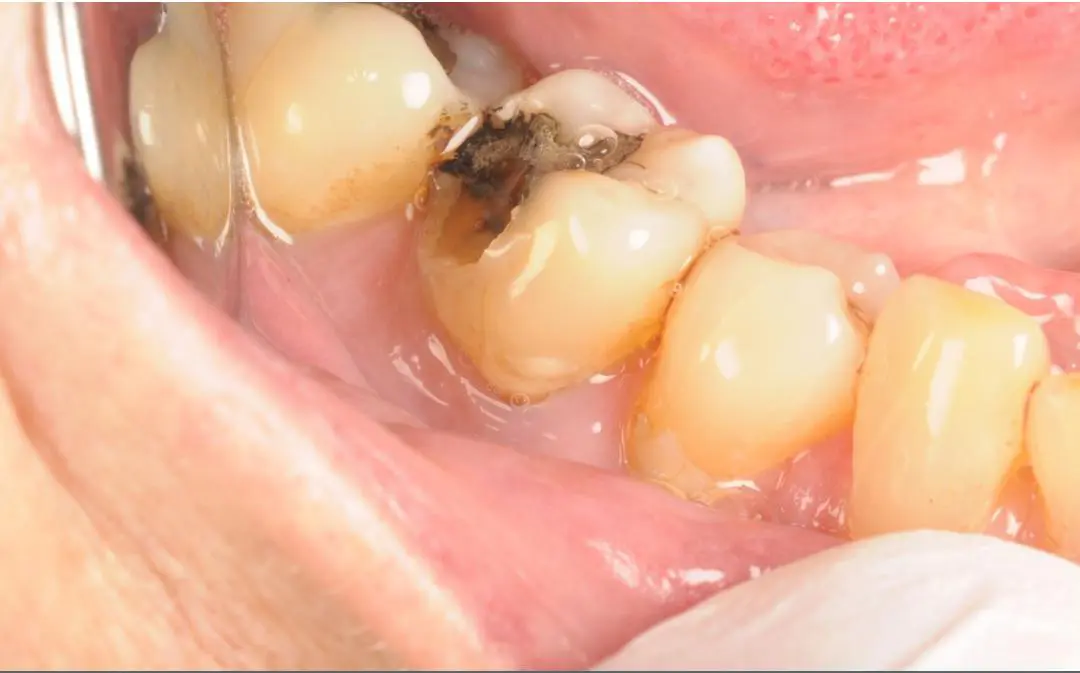
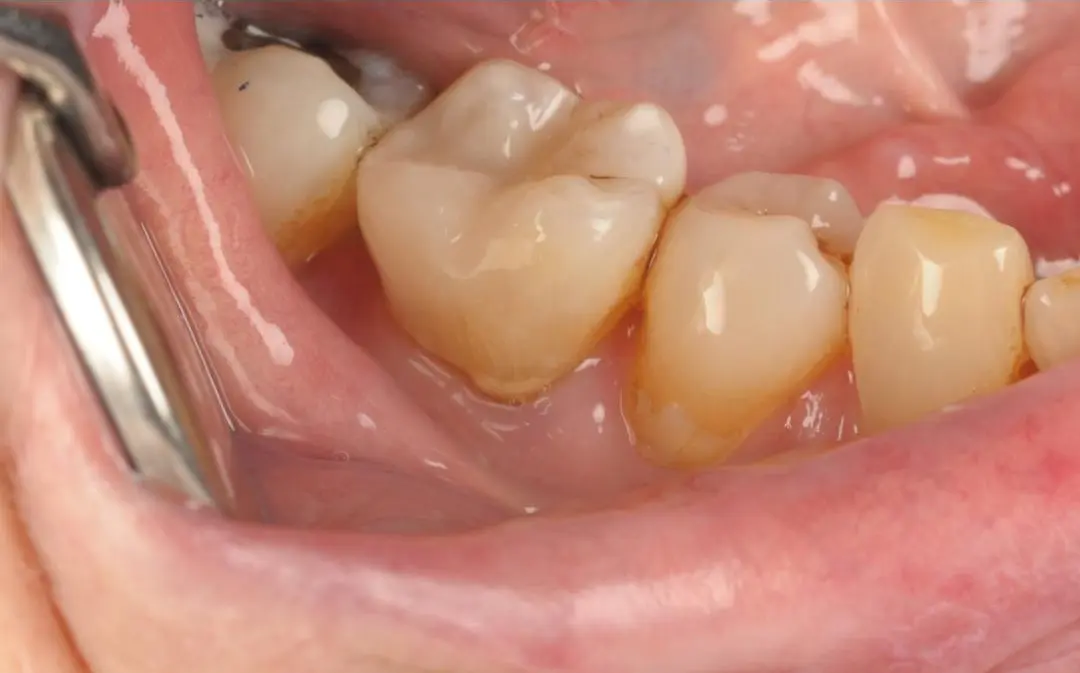
Real Patient Result: Emergency White Filling
Treatment by Dr Kamran
Common symptoms associated with a loose crown include:
- A rocking, clicking, or shifting sensation when biting or chewing
- A sweet, sour, or unusual taste, which may suggest the cement has dissolved
- Increased sensitivity to hot, cold, or sweet foods and drinks
- Mild discomfort or aching around the crowned tooth
- Visible gap between the crown margin and the gum line
If you notice any of the following alongside a loose crown, it is advisable to seek dental advice promptly:
- Persistent or worsening pain
- Swelling around the gum or jaw
- A bad taste or odour that does not resolve
- Difficulty opening the mouth or chewing
These symptoms, when combined, may indicate secondary complications such as infection or decay beneath the crown that benefit from timely clinical review. If you are experiencing acute discomfort alongside a loose crown, an emergency dental appointment can provide prompt assessment and appropriate care.
When Professional Dental Assessment May Be Needed
Not every loose crown constitutes a dental emergency, but it is generally advisable not to leave it unattended for an extended period. The longer a crown remains loose, the greater the risk of bacteria entering the space between the crown and the tooth, potentially leading to decay or infection of the underlying structure.
Seeking a professional dental assessment may be particularly appropriate if:
- The crown has become fully dislodged or is at risk of being swallowed
- There is visible decay or discolouration visible on the tooth beneath
- Pain, sensitivity, or swelling is present
- The loose crown is affecting your ability to eat or speak comfortably
- The crown has been loose for more than a day or two
During an assessment, a dentist will examine the crown, the underlying tooth, and the surrounding gum tissue. Dental X-rays may be taken to evaluate the root and bone beneath the crown. Treatment options depend entirely on what is found during this examination and may range from recementation to more involved restorative or periodontal care.
The Role of Gum Disease in Tooth Mobility Beneath a Crown
It is worth noting that in some situations, the sensation of mobility may not be primarily caused by the crown loosening. Gum disease — particularly periodontitis — can cause the bone and connective tissue supporting a tooth to deteriorate over time. This can affect crowned teeth just as it affects natural teeth.
If gum disease has progressed around a crowned tooth, the underlying root may genuinely have reduced support, leading to real tooth mobility independent of the crown's cement bond. This distinction is clinically significant and is one reason why professional assessment is valuable rather than self-diagnosis.
Patients with a history of gum disease who notice any changes around their crowned teeth may benefit from discussing their concerns with a dental professional who can assess the health of the supporting structures. Our related article on what causes a tooth to become loose without any injury explores gum disease and other causes of adult tooth mobility in more detail.
Prevention and Oral Health Advice
Whilst it is not always possible to prevent a crown from eventually loosening, there are practical steps that may help maintain the longevity of dental restorations and the health of the tooth beneath.
Practical advice:
- Attend regular dental check-ups — routine examinations allow dentists to monitor the condition of crowns and identify early signs of cement breakdown or decay before they progress.
- Maintain thorough oral hygiene — brushing twice daily with fluoride toothpaste and cleaning between teeth with floss or interdental brushes helps prevent decay and gum disease around crown margins.
- Avoid extremely hard or sticky foods — chewing on hard items such as ice, boiled sweets, or very crusty bread can place excessive stress on dental restorations.
- Address bruxism — if you grind or clench your teeth, speak to your dentist about a custom-fitted night guard, which can help protect both crowns and natural teeth from wear.
- Do not ignore sensitivity or changes — early reporting of new symptoms around a crowned tooth allows for earlier, less complex intervention.
For patients interested in maintaining their overall dental health, arranging a routine dental check-up can provide a useful starting point.
Key Points to Remember
- A loose dental crown can create a sensation of tooth mobility beneath it, due to micro-movement detected by the tooth's nerve supply.
- The sensation of mobility is not always a sign that the underlying tooth root is genuinely loose — it may reflect crown movement rather than root instability.
- Cement breakdown, decay, bruxism, and gum disease are among the most common causes of crown loosening.
- Gum disease can independently cause genuine tooth mobility beneath a crown and should be assessed by a professional.
- Prompt dental assessment is advisable when a crown is loose, particularly if pain, swelling, or sensitivity is present.
- Preventative steps — including regular check-ups, good oral hygiene, and night guards for grinders — can help prolong the life of dental crowns.
Frequently Asked Questions
Is it normal for a tooth to feel wobbly under a crown?
It can feel that way, and it is not uncommon for patients to describe a sensation of wobbling or looseness when a crown is no longer firmly cemented. This often reflects movement of the crown itself rather than the underlying tooth root. However, if the sensation is accompanied by pain, sensitivity, or swelling, it is worth having it assessed professionally, as the cause can vary and may involve the supporting tissues around the tooth.
What happens if I leave a loose crown untreated?
Leaving a loose crown without attention for a prolonged period carries certain risks. Bacteria and saliva can enter the space between the crown and the tooth, which may lead to decay developing on the prepared tooth surface underneath. In some cases, infection can follow. Additionally, a crown that is partially loose may fracture under biting forces or become fully dislodged. Seeking dental advice sooner rather than later may support a more favourable clinical outcome, though results will depend on individual clinical findings.
Can the tooth under a crown decay even with the crown in place?
Yes. Decay can develop at the margins where the crown meets the natural tooth, particularly if oral hygiene around the gum line is insufficient or if the cement seal has partially broken down. Decay beneath a crown may not always be immediately visible or cause obvious symptoms, which is one reason why regular dental check-ups, including X-rays, are valuable for monitoring restored teeth over time.
Will my crown need to be replaced if it becomes loose?
Not necessarily. In some situations, a loose crown that is structurally intact and has not been damaged can be recleaned and recemented onto the tooth. However, if the underlying tooth has experienced decay, fracture, or structural changes, further treatment may be needed before the crown can be refitted or replaced. The appropriate course of action depends entirely on the clinical findings at examination, and no single answer applies to all patients.
Can a loose crown cause an infection?
In some circumstances, yes. When the seal between a crown and the underlying tooth breaks down, the gap can harbour bacteria. Over time, this may lead to decay and, in some cases, infection affecting the dental pulp or surrounding gum tissue. Signs that may suggest an infection developing include persistent aching, swelling, sensitivity to temperature, or a bad taste in the mouth. These symptoms are best assessed by a dentist who can determine the appropriate course of care.
How quickly should I see a dentist about a loose crown?
Ideally, you should seek dental advice within a day or two of noticing a crown feels loose. Whilst not every loose crown constitutes an immediate emergency, prompt assessment helps prevent secondary complications such as decay, infection, or accidental swallowing of the crown. If the crown has fully come off, keep it safe and avoid attempting to recement it at home, as incorrect replacement can create further problems for the underlying tooth.
Conclusion
A loose dental crown can indeed create the sensation of mobility in the tooth beneath it, and understanding why this happens is an important first step in knowing how to respond. The sensation often arises from micro-movement between the crown and the prepared tooth surface, detected by the periodontal ligament's sensitive nerve fibres. In some cases, however, genuine mobility of the underlying tooth — related to gum disease or bone changes — may also be a contributing factor.
Whatever the cause, a loose crown is a dental concern that generally benefits from timely professional review. Leaving it unaddressed can increase the risk of decay and infection developing in the space created by a broken cement seal. Maintaining good oral hygiene, attending regular check-ups, and seeking early advice when something changes are among the most effective ways to protect both dental restorations and the natural teeth beneath them.
Dental symptoms and treatment options should always be assessed individually during a clinical examination by a qualified dental professional. Treatment suitability depends on individual clinical assessment.
If you are concerned about a loose crown or any change in how a restored tooth feels, seeking professional dental guidance is always a sensible step.
Disclaimer: This article is for general educational purposes only and does not constitute professional dental advice, diagnosis, or treatment. Every patient's circumstances are unique; dental symptoms and treatment options should always be assessed during a clinical examination by a qualified dental professional. No specific outcomes are guaranteed. This content has been prepared in line with GDC, CQC, ASA CAP Code, and GMC communication standards. If you have concerns about your oral health, please contact a registered dentist.
Next Review Due: 02 October 2027