
Discovering a painful swelling near your gum line can be an unsettling experience. Many people in London turn to online searches hoping to understand whether a gum abscess can be treated without removing the tooth — and, understandably, whether they are at risk of losing a tooth altogether. It is a question that causes considerable anxiety, and one that deserves a clear, calm, and clinically responsible answer.
A gum abscess is a localised collection of pus caused by a bacterial infection, and it can develop for a number of different reasons. Understanding the nature of the infection, its underlying cause, and how a dentist might approach treatment is genuinely helpful for anyone experiencing symptoms. In many cases, tooth removal is not the only or even the most appropriate option. However, the right course of action always depends on an individual clinical assessment.
This article explains how gum abscesses develop, what symptoms to look out for, what treatment approaches may be available, and when it is important to seek professional dental advice.
Experiencing these symptoms?
Delaying treatment can lead to tooth loss. We have slots available today.
Featured Snippet Answer
Can a gum abscess be treated without removing the tooth?
In many cases, a gum abscess can be treated without tooth extraction. Treatment may include drainage of the abscess, a course of antibiotics, root canal treatment, or periodontal therapy — depending on the underlying cause. Whether tooth removal is necessary depends on the severity of the infection and the condition of the affected tooth, as assessed by a dentist during a clinical examination.
What Is a Gum Abscess and How Does It Develop?
A gum abscess is a pocket of infection that forms within the soft tissues surrounding a tooth. It typically develops when bacteria enter the gum tissue through a wound, a deep periodontal pocket, or via an infected tooth root. There are two main types relevant to this discussion:
Meet Dr. Yasha Shirazi
Principal Dentist at Emergency Dentist London
"We treat hundreds of dental emergencies every month. The sooner you come in, the easier the fix usually is."
Book an appointment with our team →- Periodontal abscess: This originates in the gum tissue and supporting bone, often associated with gum disease.
- Periapical abscess: This forms at the tip of the tooth root, usually as a result of untreated tooth decay or a damaged pulp.
When bacteria multiply in these areas, the body's immune response triggers inflammation and the accumulation of pus. Risk factors include poor oral hygiene, untreated gum disease, a compromised immune system, and trauma to the teeth or gums.
Left without professional attention, a dental abscess can worsen over time. Understanding the cause is the first step in determining the most appropriate treatment pathway — which is why a proper dental examination is always essential.
Recognising the Symptoms of a Gum Abscess
Symptoms can vary in severity from person to person. Common signs that may suggest a gum abscess include:
- A persistent, throbbing pain around a tooth or area of the gum
- Visible swelling or a raised, shiny bump on the gum tissue
- Sensitivity to hot, cold, or pressure when biting
- An unpleasant taste in the mouth, which may indicate the abscess has begun to drain
- Swelling of the jaw, face, or neck in more advanced cases
- Feeling generally unwell, with or without a raised temperature
It is worth noting that some abscesses may not always cause severe pain, particularly in their early stages. This does not mean the infection is absent or resolved. If you notice any of these signs, it is advisable to seek a dental assessment promptly.
If swelling extends to the face or neck, or if you are having difficulty swallowing or breathing, seek urgent medical or dental attention. Emergency dental services in London are available for situations that cannot wait for a routine appointment — you can find out more about emergency dental care in London if you need prompt assistance.
Treatment Options That May Preserve the Tooth
One of the most common concerns patients have is whether a tooth abscess automatically leads to extraction. Fortunately, in a significant number of cases, dental professionals are able to treat the infection whilst preserving the natural tooth. Suitability always depends on the clinical situation, but the following approaches may be considered:
Incision and Drainage
When an abscess has formed a visible swelling, a dentist may make a small incision to allow the pus to drain safely. This can provide immediate relief from pressure and pain. It is often performed alongside other treatments rather than as a standalone solution.
Root Canal Treatment
If the abscess originates from an infected tooth pulp, root canal treatment may be recommended. This procedure involves removing the infected tissue from within the tooth, cleaning and shaping the root canals, and sealing them to prevent re-infection. A crown is often placed afterwards to protect the tooth. Root canal treatment is a well-established approach that aims to preserve teeth that might otherwise require extraction.
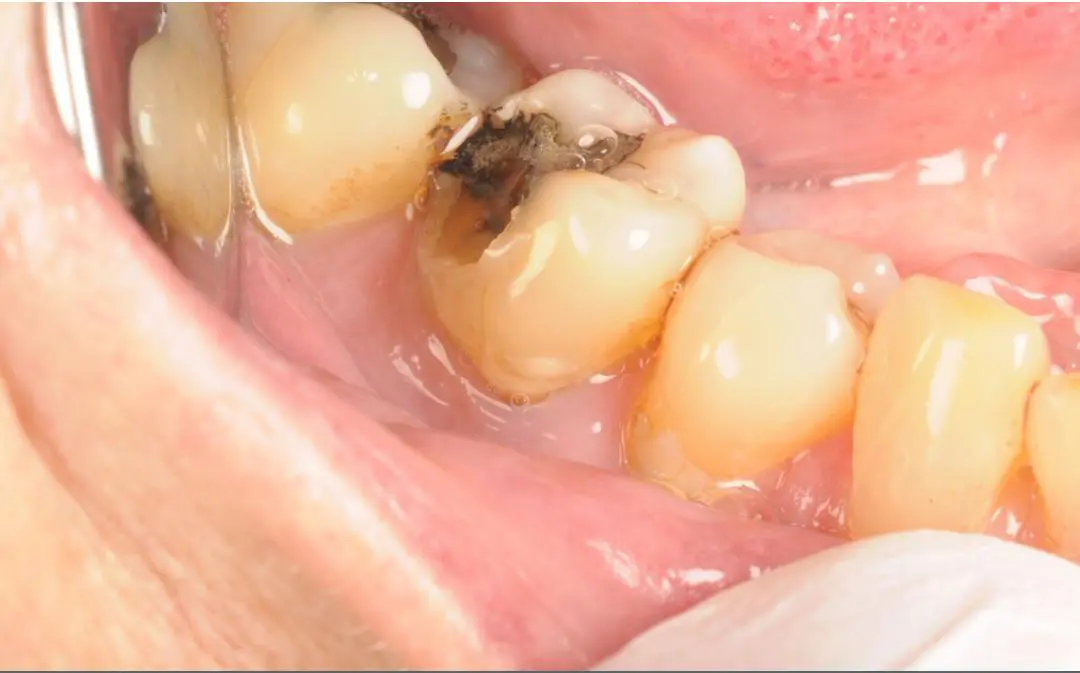
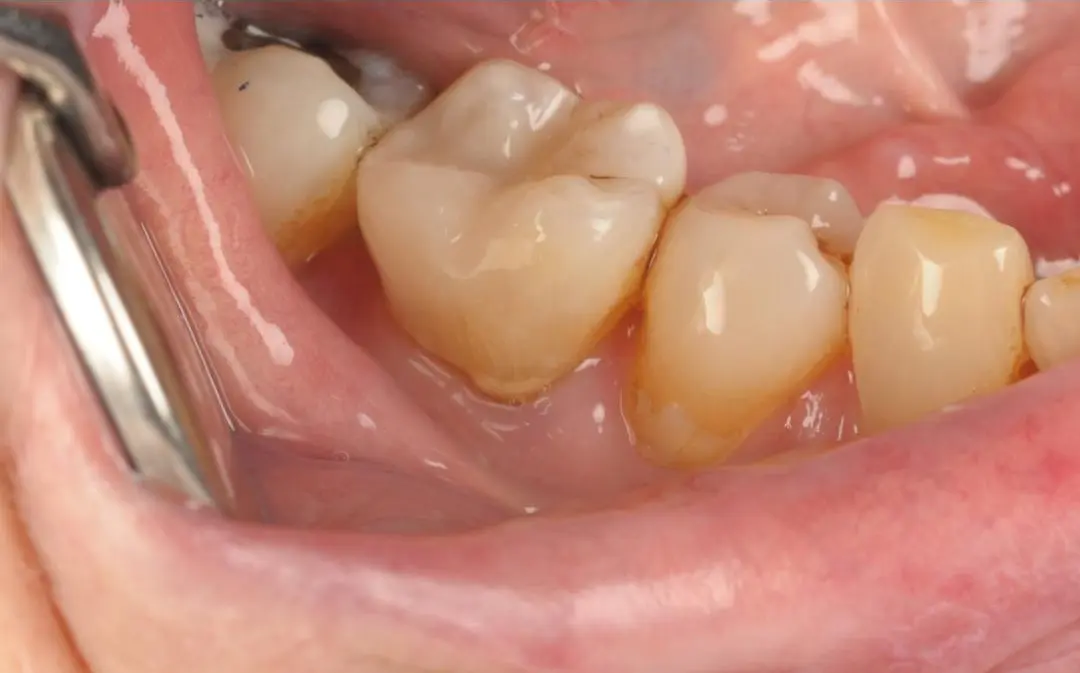
Real Patient Result: Emergency White Filling
Treatment by Dr Kamran
Antibiotics
A dentist may prescribe a course of antibiotics to help control the spread of bacterial infection, particularly if there are signs the infection is spreading beyond the immediate area. Antibiotics alone are not considered a definitive treatment for a dental abscess — they are typically used alongside a clinical procedure. It is important to complete any prescribed course as directed.
Periodontal Treatment
Where a periodontal abscess is related to underlying gum disease, professional deep cleaning — known as root surface debridement — may be carried out to remove bacteria from below the gum line. Ongoing periodontal management may also be recommended. You can learn more about periodontal treatment options available at our London clinic.
When Tooth Removal May Be Considered
While tooth preservation is often achievable, there are clinical circumstances where extraction may be the most appropriate recommendation. This may apply when:
- The tooth structure is severely compromised and cannot be restored
- Infection has caused extensive bone loss around the tooth
- Previous root canal treatment has failed and re-treatment is not viable
- The patient's overall oral health or medical condition affects the viability of other treatments
A dentist will always explain the available options and their implications before any treatment decision is made. Extraction is not undertaken lightly, and preserving natural teeth where clinically appropriate remains an important goal in modern dental practice.
The Dental Science Behind a Tooth Abscess
To understand why treatment choices vary, it helps to appreciate what is happening biologically within the tooth and surrounding tissue.
Each tooth contains a soft inner layer known as the dental pulp, which houses blood vessels and nerves. When decay or trauma breaches the outer enamel and dentine layers, bacteria can enter the pulp chamber. Once inside, they multiply and cause inflammation — a condition known as pulpitis. If untreated, the pulp tissue can become necrotic (die), creating an environment in which bacteria thrive and spread down through the root canals into the surrounding bone.
The body attempts to contain this bacterial invasion by sending immune cells to the area, resulting in the characteristic swelling and pus formation associated with an abscess. Understanding this process highlights why timely professional treatment matters — not only for comfort, but for the long-term health of the tooth and surrounding structures.
Prevention and Maintaining Good Oral Health
Whilst not all abscesses are entirely preventable, good oral hygiene habits significantly reduce the risk. Practical steps include:
- Brushing twice daily with a fluoride toothpaste, using a gentle but thorough technique
- Cleaning between teeth daily using floss, interdental brushes, or a water flosser
- Attending routine dental check-ups — typically every six to twelve months, or as recommended by your dentist
- Addressing dental problems promptly — early treatment of decay or gum disease prevents more serious infections from developing
- Avoiding excessive sugar consumption — a diet high in refined sugars feeds the bacteria that cause tooth decay
- Not ignoring dental pain or swelling — early symptoms are usually easier and less involved to treat
If you have been advised that you are at higher risk of gum disease, following a tailored oral hygiene routine and attending regular hygienist appointments can make a meaningful difference to long-term dental health.
Key Points to Remember
- A gum abscess is a bacterial infection that causes a collection of pus in or around the tooth and gum tissue.
- In many cases, treatment options exist that can address the infection without removing the tooth.
- Root canal treatment, drainage, antibiotics, and periodontal therapy are among the approaches a dentist may consider.
- Whether tooth extraction is necessary depends entirely on the clinical assessment — not all abscesses require the same treatment.
- Symptoms such as persistent swelling, pain, or an unpleasant taste warrant professional dental evaluation.
- Good oral hygiene and regular check-ups are key to reducing the risk of dental abscesses.
Frequently Asked Questions
How long does it take for a gum abscess to clear up with treatment?
Recovery time varies depending on the type and severity of the abscess and the treatment provided. Following drainage or root canal treatment, many patients notice an improvement in discomfort within a few days. A full resolution of swelling and infection may take one to two weeks. Your dentist will advise on what to expect following your specific treatment. It is important to attend any follow-up appointments recommended to ensure the infection is fully resolved.
Can a gum abscess go away on its own?
A gum abscess is unlikely to resolve without professional treatment. Whilst the swelling may occasionally appear to reduce — for example, if the abscess drains spontaneously — the underlying infection is generally still present. Without appropriate clinical treatment, the infection can persist or spread. It is always advisable to have any suspected abscess assessed by a dental professional rather than waiting to see if it resolves.
Is a gum abscess the same as a tooth abscess?
The terms are sometimes used interchangeably, but there is a distinction. A periapical abscess originates from the tooth root — often due to deep decay or pulp infection. A periodontal abscess (gum abscess) begins in the gum tissue or bone surrounding the tooth, and is more commonly associated with gum disease. The treatment approach may differ depending on the origin of the infection, which is why a clinical examination is needed to determine the precise cause.
Will I need antibiotics for a gum abscess?
Antibiotics may be prescribed alongside dental treatment to help manage the spread of infection, particularly if swelling is significant or there are signs of systemic involvement such as fever. However, antibiotics are not considered a definitive treatment for a dental abscess on their own — they do not remove the source of infection. Clinical procedures such as drainage or root canal treatment are necessary to address the underlying cause.
How can I manage discomfort before seeing a dentist?
If you are waiting for a dental appointment, over-the-counter pain relief such as paracetamol or ibuprofen (taken as directed and if suitable for you) may help ease discomfort temporarily. Rinsing gently with warm, slightly salted water may also provide some localised comfort. These measures are supportive only and do not treat the infection. You should seek dental advice as soon as possible, particularly if symptoms are worsening or affecting swallowing or breathing.
What happens if a gum abscess is left untreated?
An untreated dental abscess can progress and potentially spread to surrounding tissues, adjacent teeth, and in more serious cases, to other areas of the head and neck. This is why dental professionals recommend seeking timely assessment if you suspect an abscess. Early intervention generally leads to simpler treatment and a more positive outcome. If you are experiencing significant facial swelling, fever, or difficulty swallowing, seek urgent dental or medical assistance.
Conclusion
A gum abscess is an infection that understandably causes concern, but it is reassuring to know that tooth removal is not always the outcome. Many patients are successfully treated using approaches that preserve the natural tooth, including root canal treatment, abscess drainage, and periodontal therapy. The most appropriate treatment will always depend on the underlying cause, the condition of the tooth, and a thorough clinical assessment.
If you are experiencing pain, swelling, or other symptoms that suggest a dental infection, it is important not to delay seeking professional advice. Dental symptoms and treatment options should always be assessed individually during a clinical examination.
Early treatment is not only more straightforward in most cases — it also supports a more positive outcome for your long-term oral health.
Disclaimer: This article is intended for general educational purposes only and does not constitute personalised dental advice. Individual diagnosis and treatment recommendations require a clinical examination by a qualified dental professional.
Next Review Due: 26 October 2027