
Losing a filling can feel alarming, especially when it happens unexpectedly. Many patients are left wondering what went wrong — and whether something more serious is happening beneath the surface. One of the most common questions that arises is whether a filling can fall out simply because the tooth itself has become weaker over time.
This is a completely understandable concern. Teeth can change structurally for a variety of reasons, and when a tooth weakens, it can affect the integrity of any dental work placed within it. Understanding the relationship between tooth strength and filling retention may help you make sense of what is happening and when it might be appropriate to seek professional advice. This article is for general educational purposes only; individual symptoms should always be assessed by a qualified dental professional.
This article explores why fillings can fail, how tooth structure influences this, what the underlying dental science tells us, and what steps you might consider to protect your oral health going forward.
Experiencing these symptoms?
Delaying treatment can lead to tooth loss. We have slots available today.
Featured Snippet: Can a Filling Fall Out Because the Tooth Has Become Weaker?
Yes, a filling can fall out due to tooth weakness. When a tooth loses structural integrity — through decay, enamel erosion, cracks, or gum disease — the surrounding tooth structure may no longer hold the filling securely. As the tooth weakens, the bond between the filling and the tooth can break down, causing the restoration to loosen or dislodge.
Why Do Fillings Fall Out?
Fillings do not last indefinitely. Even well-placed restorations can fail for a number of reasons, and it is important to understand that a lost filling is not always the result of poor dental work.
Common reasons a filling may fall out include:
Meet Dr. Yasha Shirazi
Principal Dentist at Emergency Dentist London
"We treat hundreds of dental emergencies every month. The sooner you come in, the easier the fix usually is."
Book an appointment with our team →- Secondary decay forming around or beneath the filling, which erodes the surrounding tooth structure
- Physical wear from chewing, grinding (bruxism), or biting into hard foods
- Chemical erosion caused by acidic foods and drinks breaking down the tooth or the filling material
- Age of the restoration, as older fillings — particularly amalgam — can eventually shrink, crack, or corrode
- Trauma, such as a knock or injury that disrupts the bond between the filling and the tooth
In many cases, more than one factor contributes to a filling becoming loose. A weakened tooth often plays a significant role in this process, even when the filling itself remains in reasonable condition.
How Tooth Weakness Affects Filling Retention
To understand why a weaker tooth may struggle to retain a filling, it helps to consider how fillings are held in place. Most modern fillings bond chemically and mechanically to the remaining tooth structure. The filling is designed to sit within the tooth and be supported by healthy enamel and dentine around it.
When the tooth structure surrounding a filling begins to weaken — whether through progressive decay, enamel loss, or small cracks — that supporting structure diminishes. Without a solid framework to grip, the filling has less to bond to. Over time, this can cause the filling to shift, loosen, and eventually fall out.
This is particularly relevant in teeth that have already had significant dental work, where the proportion of natural tooth structure to restoration material is already reduced. If you have experienced a lost or broken filling, seeking a professional assessment promptly can help prevent further structural loss.
The Dental Science Behind Tooth Weakening
Teeth are composed of three main layers: enamel (the hard outer surface), dentine (the layer beneath enamel), and pulp (the innermost tissue containing nerves and blood vessels).
Enamel is the hardest substance in the human body, but it is not indestructible. Prolonged exposure to acids — from diet, acid reflux, or bacterial activity — gradually demineralises enamel, making it thinner and more porous. Once enamel is lost, it does not regenerate.
Dentine, which lies below enamel, is softer and more vulnerable to decay. If decay progresses into dentine and is not treated, the tooth structure can become significantly compromised. In some cases, bacterial acids can undermine a filling from beneath, weakening the tooth around it without obvious visible signs.
Microcracks can also develop within teeth due to temperature cycling (hot and cold foods), clenching, or general wear. These cracks may not be immediately visible but can reduce the tooth's ability to support a restoration effectively.
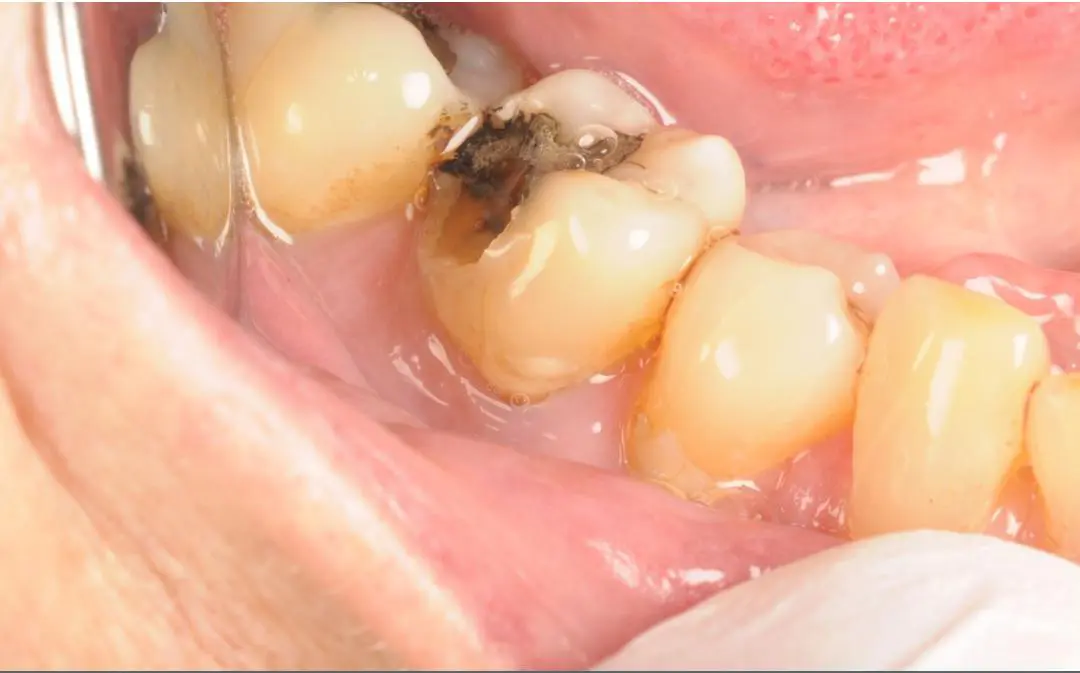
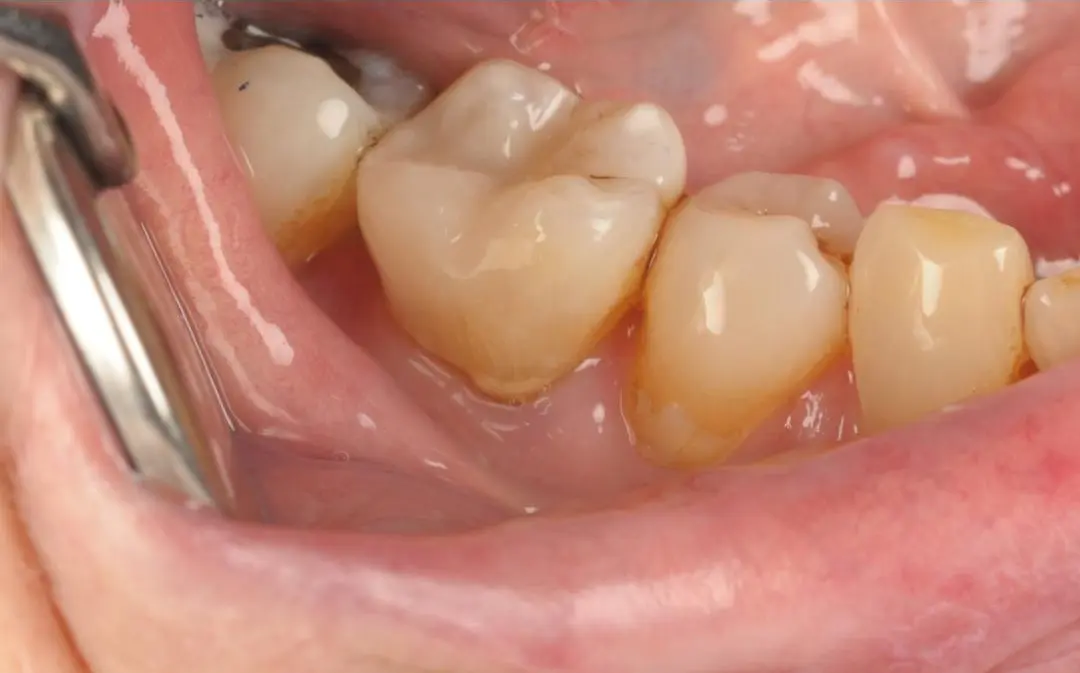
Real Patient Result: Emergency White Filling
Treatment by Dr Kamran
Signs That a Filling or Tooth May Need Attention
Not all filling issues present with obvious pain, but there are certain signs that suggest a dental evaluation may be worthwhile:
- Sensitivity to hot, cold, or sweet foods that was not present before
- A rough or sharp edge on the tooth where the filling was
- Pain when biting or chewing in the affected area
- A visible gap or hole where the filling once sat
- Persistent toothache or a dull ache around the tooth
- Swelling or tenderness in the surrounding gum tissue
If you notice any of these symptoms, it is advisable to seek a dental assessment. Many of these signs can indicate that the tooth may be at risk of further deterioration if left unaddressed. A qualified dentist can evaluate the condition of both the tooth and the surrounding structures during an examination. You may wish to explore emergency dental appointments if symptoms arise suddenly or are causing discomfort.
How to Help Protect Your Teeth and Fillings
While it may not be possible to prevent all filling failures, there are a number of practical steps that may help support long-term dental health and reduce the likelihood of fillings becoming loose or falling out.
Dietary considerations:
- Limit frequent consumption of acidic foods and drinks, which erode enamel over time
- Reduce sugary snacks between meals, as sugar feeds the bacteria responsible for decay
- Stay well hydrated with water, as saliva plays an important role in remineralisation
Oral hygiene habits:
- Brush twice daily with a fluoride toothpaste
- Floss or use interdental brushes daily to remove plaque from between teeth
- Use a fluoride mouthwash if recommended by your dentist
Dental habits:
- Wear a custom-made night guard if you are aware of grinding or clenching your teeth
- Attend regular dental check-ups, as early detection of decay or wear can prevent more significant damage
- Avoid using teeth as tools (opening packaging, biting nails, and similar habits)
Key Points to Remember
- A filling can fall out if the surrounding tooth has weakened due to decay, erosion, or structural changes
- Tooth weakness reduces the support available for a filling to bond securely
- Several factors — including age of the filling, diet, grinding, and decay — can contribute to filling failure
- Enamel loss and dentine decay are common causes of structural weakening that affect filling retention
- Regular dental check-ups provide a valuable opportunity for early detection of failing restorations
- Seeking prompt advice when a filling is lost may help prevent further tooth damage
Frequently Asked Questions
Is it normal for a filling to fall out after many years?
Yes, fillings have a lifespan. Most last between 5 and 15 years or more depending on the material used, the size of the filling, and individual habits. Older fillings may shrink, crack, or corrode over time, which can cause them to loosen. This does not necessarily indicate a problem with the original dental work — it may simply reflect the natural ageing of a restoration. Regular dental check-ups help identify fillings that may be approaching the end of their service life before they fail completely.
Can tooth grinding cause a filling to fall out?
Tooth grinding (bruxism) places significant additional pressure on teeth and restorations. Over time, this repeated force can crack fillings, weaken the surrounding tooth structure, and disrupt the bond between the filling and the tooth. Patients who grind their teeth — particularly at night — may find that fillings or other restorations wear down or loosen more quickly than average. A dentist can assess whether bruxism may be contributing to dental problems and discuss appropriate protective options.
Should I see a dentist urgently if a filling falls out?
It is advisable to contact a dentist promptly when a filling falls out, even if there is no immediate pain. An exposed tooth is more vulnerable to decay, sensitivity, and further structural damage. The sooner the area is assessed, the more likely it is that simpler treatment options remain available. If you experience significant pain, swelling, or discomfort, seeking advice as soon as possible is recommended. Many dental practices offer same-day or emergency appointments for situations such as this.
Can a tooth become too weak to hold a new filling?
In some cases, yes. If a tooth has lost a significant proportion of its natural structure — due to extensive decay, previous large restorations, or fracture — there may not be enough healthy tooth remaining to support a conventional filling. In such situations, a dentist may discuss alternative options during a clinical examination. These discussions are always based on the individual condition of the tooth and surrounding structures.
Does diet affect how long a filling lasts?
Diet can influence the longevity of both teeth and fillings. Frequent consumption of acidic foods and drinks can erode enamel and weaken tooth structure, which in turn can affect how well a filling is supported. High sugar intake feeds bacteria that produce acids, contributing to decay around and beneath existing fillings. A balanced diet low in acid and sugar, combined with good oral hygiene, may support longer-lasting dental restorations.
What happens to the tooth if a lost filling is not treated?
If a lost filling is not addressed, the exposed tooth becomes vulnerable to bacterial activity, decay, and sensitivity. Over time, the exposed dentine may deteriorate, and if decay reaches the pulp, it can lead to more complex dental conditions. Prompt professional assessment is always recommended to understand the current state of the tooth and discuss appropriate next steps based on a proper clinical examination.
Conclusion
The relationship between tooth strength and filling retention is an important one that is often underappreciated. As this article has outlined, a filling can indeed fall out because the tooth has become weaker — whether through decay, enamel erosion, cracks, or the cumulative effects of time and daily wear.
Understanding why this happens may help patients take a more proactive approach to their dental health, attending regular check-ups, maintaining good oral hygiene, and seeking advice when something changes in their mouth.
If you have lost a filling, experienced sensitivity, or are concerned about the condition of a tooth, it is always worth seeking a professional assessment. Early evaluation typically allows for a wider range of management options.
Dental symptoms and treatment options should always be assessed individually during a clinical examination.
Disclaimer: This article is intended for general educational purposes only and does not constitute personalised dental advice. Individual diagnosis and treatment recommendations require a clinical examination by a qualified dental professional.
Next Review Due: 16 October 2027