
Many people assume that once a dental filling has been placed, the treated tooth is permanently resolved. It can therefore be quite unsettling to experience discomfort in a filled tooth weeks, months, or even years after the original procedure. This is a concern that prompts many patients across London to search online for explanations — and understandably so.
A painful filling after an extended period of time is more common than most people realise. There are several reasons why this can happen, ranging from structural changes within the tooth itself to wear and tear on the filling material over time. Understanding the possible causes can help you make sense of your symptoms and take appropriate steps.
This article explains why a dental filling can become painful long after it was placed, what signs to look out for, and when seeking a professional dental assessment may be the right course of action. All symptoms and treatment suitability should be individually assessed by a qualified dental professional.
Experiencing these symptoms?
Delaying treatment can lead to tooth loss. We have slots available today.
Featured Snippet Answer
Can a dental filling become painful months or years after it was placed?
Yes, a painful filling can occur long after placement. Over time, fillings may wear down, crack, or allow bacteria to re-enter the tooth. Changes in the surrounding tooth structure, bite pressure, or the nerve beneath the filling can also contribute to delayed discomfort. A dental assessment can identify the underlying cause.
Why Would a Filling Cause Pain After All This Time?
Dental fillings are not permanent restorations in the strictest sense. Whether made from composite resin or amalgam, they are subject to everyday forces including biting, chewing, and temperature changes. Over months or years, these stresses can cause subtle changes that lead to discomfort.
Meet Dr. Yasha Shirazi
Principal Dentist at Emergency Dentist London
"We treat hundreds of dental emergencies every month. The sooner you come in, the easier the fix usually is."
Book an appointment with our team →Some of the most common reasons a previously pain-free filling may start to hurt include:
- Filling wear or micro-fractures: Daily chewing gradually wears down filling material. Small cracks or fractures can form without being immediately visible.
- Secondary decay: Bacteria may find their way between the edge of the filling and the tooth, causing new decay to develop beneath or around the filling — a process often called recurrent or secondary caries.
- Bite changes: Your bite naturally evolves over the years. A filling that once sat in alignment may eventually create uneven pressure on the tooth.
- Nerve sensitivity: In some cases, the nerve inside the tooth may have been close to the cavity when the filling was placed, and delayed inflammation or sensitivity can develop gradually.
None of these situations is cause for alarm, but each warrants a professional evaluation to determine the most appropriate course of action.
Understanding the Dental Science: What Happens Inside a Filled Tooth
To understand why a filling can become painful over time, it helps to know a little about tooth anatomy. Every tooth is made up of several layers. The outermost layer is enamel — one of the hardest naturally occurring substances in the human body. Beneath it lies dentine, a more porous layer containing tiny fluid-filled channels connected to the tooth's nerve. At the centre is the pulp, a soft tissue containing nerves and blood vessels.
When decay is removed and a filling is placed, the goal is to restore the tooth's shape and protect the inner layers. However, the dentine and pulp remain alive and responsive to stimuli. If the filling material shifts, wears, or allows bacteria to penetrate, the dentine tubules can become exposed or irritated, causing sensitivity or pain. In more advanced situations, bacteria may reach the pulp, leading to pulpitis — inflammation of the nerve tissue — which can present as spontaneous or lingering pain.
Understanding this process helps explain why a tooth that felt fine for years can suddenly develop symptoms. The changes are often gradual and may not become noticeable until they reach a tipping point.
Signs and Symptoms Worth Paying Attention To
Not all discomfort around a filled tooth is immediately serious, but certain symptoms suggest a professional assessment would be worthwhile. These include:
- Sensitivity to hot or cold that lingers for more than a few seconds after the stimulus is removed
- Sharp pain when biting or chewing, particularly if it is new or worsening
- A dull, persistent ache in or around the filled tooth
- Visible changes to the filling, such as a crack, chip, or rough edge you can feel with your tongue
- Swelling of the gum around the affected tooth
- Discolouration around the margins of the filling
These symptoms do not automatically indicate a serious problem, but they are your body's way of signalling that something may have changed within the tooth. Early evaluation can often lead to simpler and more conservative treatment options.
If you notice swelling, persistent pain, or signs of infection, it is advisable to seek an emergency dental assessment without delay.
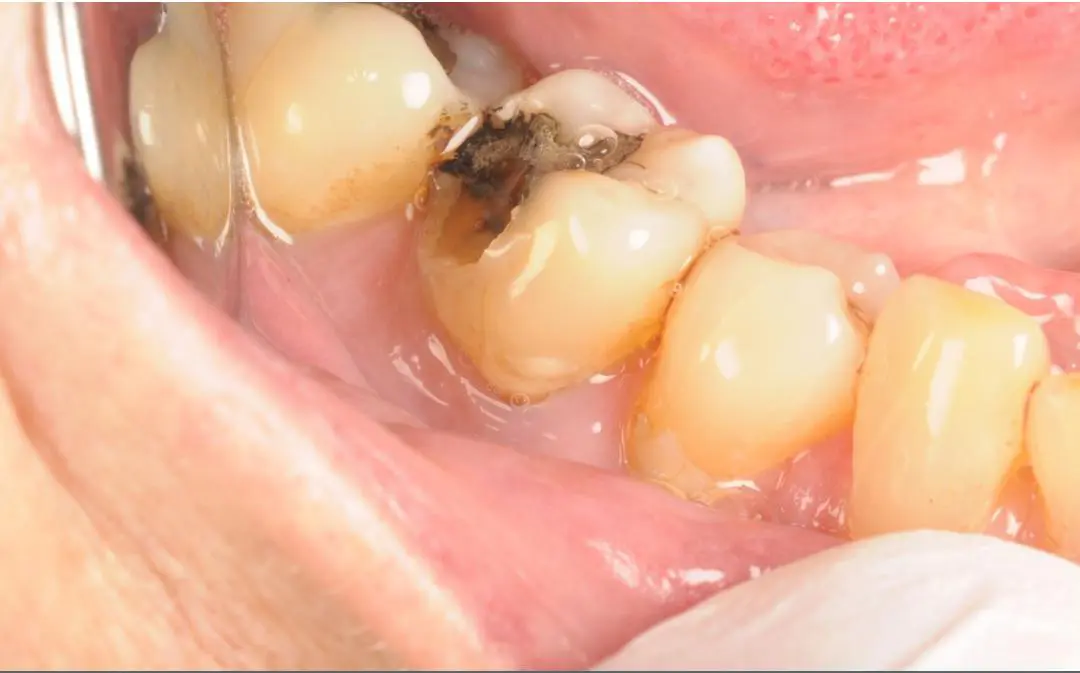
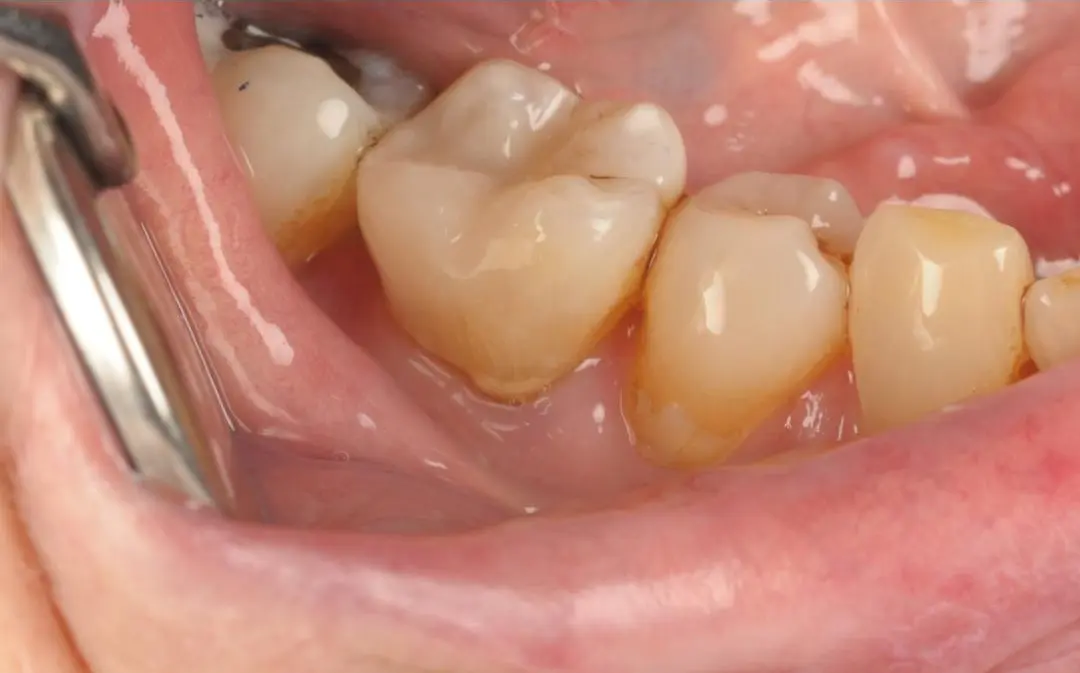
Real Patient Result: Emergency White Filling
Treatment by Dr Kamran
When Professional Dental Assessment May Be Needed
There is no single threshold that tells you when discomfort becomes urgent. However, as a general guide, you should consider contacting a dental practice if:
- Pain persists for more than a few days without improvement
- Sensitivity to temperature becomes severe or prolonged
- You notice swelling of the face, gum, or jaw
- The filling feels loose, raised, or physically damaged
- You experience pain that wakes you at night
It is worth noting that some fillings may require replacement or further treatment even before noticeable symptoms develop — which is one of the reasons routine dental check-ups remain important. During an examination, a dentist can assess the integrity of existing restorations using clinical examination and, where appropriate, dental X-rays, to detect issues not yet visible or felt by the patient.
If decay beneath an existing filling is identified early, a straightforward tooth filling replacement may be all that is needed. Left unaddressed, the same issue could eventually require more involved treatment.
Treatment Approaches for a Painful Filling
Treatment for a painful filling depends entirely on the cause, which is why clinical assessment is essential before any intervention is considered. Possible approaches a dentist may discuss include:
- Replacing the filling if it is worn, cracked, or if secondary decay is present
- Bite adjustment if uneven pressure is identified as the cause of discomfort
- Root canal treatment if the nerve has become significantly inflamed or infected — this procedure aims to preserve the tooth by removing the affected pulp tissue
- Crown placement if the tooth structure has been weakened to a point where a filling alone is insufficient
Each of these options carries its own considerations, and suitability is always determined on an individual basis during a clinical examination. No single approach is appropriate for all patients.
In situations where the nerve is involved, patients are sometimes referred for root canal treatment to relieve pain and retain the natural tooth where possible.
Prevention and Ongoing Oral Health
While it is not always possible to prevent a filling from eventually requiring attention, there are practical steps you can take to support the longevity of dental restorations and your overall oral health:
- Attend regular dental check-ups — typically every six to twelve months, or as recommended by your dentist — so that fillings and surrounding teeth can be monitored over time
- Maintain a thorough daily oral hygiene routine, including brushing twice daily with fluoride toothpaste and cleaning between teeth with floss or interdental brushes
- Avoid habits that place excessive force on teeth, such as grinding, clenching, or chewing hard objects like ice or pen lids
- Limit frequent sugar intake, which feeds the bacteria responsible for tooth decay
- Wear a night guard if you are known to grind your teeth during sleep, as this can protect both natural teeth and existing restorations
- Report any new or changing symptoms to your dentist promptly rather than waiting for a scheduled appointment
Maintaining good oral health habits may help reduce the risk of some preventable complications developing, though individual outcomes will vary and cannot be predicted.
Key Points to Remember
- A dental filling can become painful months or years after placement for a variety of reasons, including wear, secondary decay, bite changes, or nerve sensitivity.
- Tooth anatomy plays an important role — the living nerve and dentine beneath a filling can respond to changes in the restoration over time.
- Symptoms such as lingering temperature sensitivity, pain on biting, or visible damage to a filling are worth having professionally assessed.
- Early evaluation can often lead to simpler, more conservative treatment options.
- Routine dental check-ups allow existing fillings to be monitored before symptoms develop.
- Good daily oral hygiene and avoiding excessive tooth pressure can support the longevity of dental restorations.
Frequently Asked Questions
Is it normal for a tooth to be sensitive after a filling is placed?
Some degree of sensitivity in the days immediately following a filling procedure is common and usually settles within a week or two. This is often related to the tooth adjusting to the new restoration. However, if sensitivity persists beyond this period, becomes more intense, or develops long after the filling was placed, it is advisable to have the tooth assessed by a dentist to rule out any underlying cause requiring attention.
Can a filling fall out years after being placed?
Yes, fillings can become loose or fall out over time. The bonding between the filling material and the tooth can weaken due to wear, decay underneath the filling, or physical trauma. If a filling feels loose, rough, or falls out entirely, you should contact a dental practice as soon as possible. An exposed cavity can become sensitive and is at increased risk of further decay, so timely assessment is recommended.
What is secondary decay, and how does it affect a filling?
Secondary decay, sometimes called recurrent caries, refers to new tooth decay that develops at or beneath the margins of an existing filling. This can occur when the seal between the filling and tooth breaks down, allowing bacteria to enter. Over time, this can cause pain, sensitivity, or visible changes around the filling. It is a relatively common reason why an older filling may need to be replaced, and it highlights the importance of regular dental monitoring.
Could a painful filling mean I need a root canal?
Not necessarily, but it is a possibility in some cases. If the nerve tissue within the tooth has become significantly inflamed or infected — a condition called pulpitis — root canal treatment may be recommended to relieve pain and preserve the tooth. However, many painful fillings are caused by less complex issues and may be resolved by replacing the filling or adjusting the bite. A clinical assessment is the only way to determine which situation applies.
How long should a dental filling last?
The lifespan of a filling varies depending on the material used, the size and location of the restoration, oral hygiene habits, and individual bite forces. Composite (tooth-coloured) fillings may last around seven to ten years in some cases, while amalgam fillings may have a longer lifespan in certain circumstances. These are general estimates based on population-level data, not predictions for any individual patient, and actual longevity will vary depending on clinical and personal factors. Regular dental check-ups allow a dentist to monitor the condition of restorations and advise when replacement may be appropriate.
Should I avoid certain foods if I have an older filling?
There are no strict dietary restrictions for patients with fillings, but common sense applies. Very hard, sticky, or chewy foods can place additional stress on older restorations and increase the risk of cracking or dislodging a filling. Frequent sugar consumption also increases the risk of decay developing around fillings. If you have concerns about a specific filling, your dentist can offer tailored guidance during a check-up appointment.
Conclusion
A filling becoming painful months or years after it was placed is a situation that many dental patients encounter, and it is one that has a range of possible explanations — from normal wear of the filling material to more complex issues involving the tooth's nerve or surrounding structure. Understanding why this can happen is the first step toward addressing it calmly and appropriately.
The most important message is that unexplained or persistent dental pain should always be evaluated by a qualified dental professional. Dental symptoms and treatment options should always be assessed individually during a clinical examination. Early assessment not only provides answers but can also open up a wider range of treatment options compared to waiting until symptoms become severe.
If you are experiencing discomfort around an existing filling, or if you have concerns about the condition of your dental restorations, speaking with a dentist is always the right course of action. Professional guidance, tailored to your individual circumstances, remains the most reliable way to protect your oral health and overall wellbeing.
Disclaimer: This article is intended for general educational purposes only and does not constitute personalised dental advice. Individual diagnosis and treatment recommendations require a clinical examination by a qualified dental professional.
Next Review Due: 12 October 2027
Disclaimer
This article is for general educational purposes only and does not constitute dental advice, diagnosis, or treatment. Every patient is different, so symptoms and treatment options should be assessed by a qualified dental professional during a clinical examination. No specific outcomes are guaranteed.