
Many people notice over time that their teeth appear shorter, feel more sensitive, or seem to have lost their natural shape. Tooth wear is a common concern, and it often prompts patients to search online for answers — wondering whether anything can be done to restore what has been lost, and whether a dental crown might be part of the solution.
Tooth wear can develop gradually, and it is not always accompanied by pain in its early stages, which is one reason it can go unnoticed until it becomes more significant. Understanding the condition, its causes, and the treatment options available can help patients make informed decisions and seek appropriate professional advice.
A dental crown for a worn tooth is one of several restorative approaches a dentist may consider depending on the degree of wear and the individual clinical picture. This article explains how tooth wear develops, how dental crowns work, and what factors a dentist will typically assess when deciding on the most suitable course of treatment.
Experiencing these symptoms?
Delaying treatment can lead to tooth loss. We have slots available today.
Featured Snippet Answer
Can a dental crown be used to restore a heavily worn tooth?
Yes, a dental crown can be used to restore a heavily worn tooth in many cases. A crown covers the entire visible surface of the tooth, rebuilding its shape, height, and function. However, suitability depends on a full clinical assessment, including the degree of wear and the health of the underlying tooth structure.
What Causes Teeth to Wear Down?
Tooth wear is not caused by a single factor. Dentists typically categorise it into three main types, each with distinct causes:
Meet Dr. Yasha Shirazi
Principal Dentist at Emergency Dentist London
"We treat hundreds of dental emergencies every month. The sooner you come in, the easier the fix usually is."
Book an appointment with our team →Attrition occurs when teeth grind against one another. This is often associated with bruxism — a condition where patients clench or grind their teeth, frequently during sleep. Many people are unaware they do this until a dental professional identifies signs during a routine examination.
Erosion is caused by repeated exposure to acids, whether from dietary sources such as fizzy drinks and citrus fruits, or from stomach acid reaching the mouth as a result of acid reflux or frequent vomiting.
Abrasion results from mechanical forces, such as brushing too forcefully or using a toothbrush with hard bristles.
In practice, many patients experience a combination of these types simultaneously. Identifying the underlying cause is an important step, as treating the restoration alone — without addressing the cause — may mean the new restoration is also subject to wear over time.
Understanding the Structure of a Worn Tooth
To appreciate how a dental crown helps, it is useful to understand what is happening within the tooth itself as wear progresses.
Each tooth is composed of several layers. The outermost layer — enamel — is the hardest substance in the human body, but it cannot regenerate once lost. Beneath enamel lies dentine, a softer, more porous layer that is more vulnerable to sensitivity and further damage.
As wear removes the enamel, the dentine becomes exposed. This is why heavily worn teeth often become increasingly sensitive to temperature changes, sweet foods, or pressure. In more advanced cases, the structure of the tooth may be significantly reduced, affecting both appearance and the tooth's ability to function properly during biting and chewing.
When wear reaches this stage, a restorative approach — such as a dental crown — may be considered to rebuild lost structure and protect the remaining tooth.
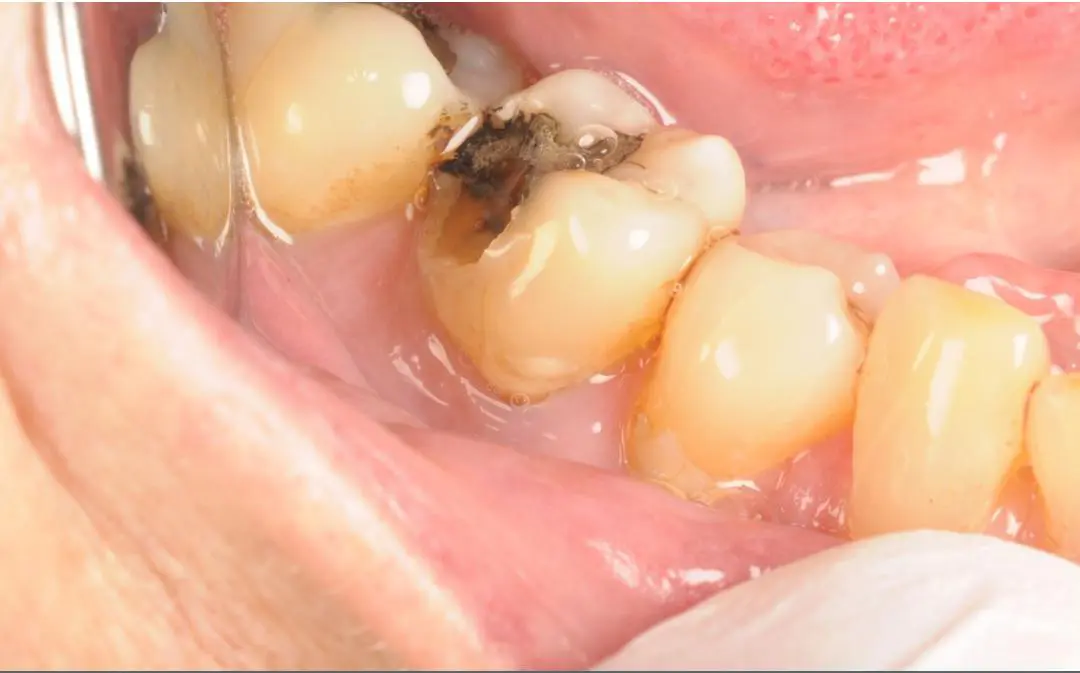
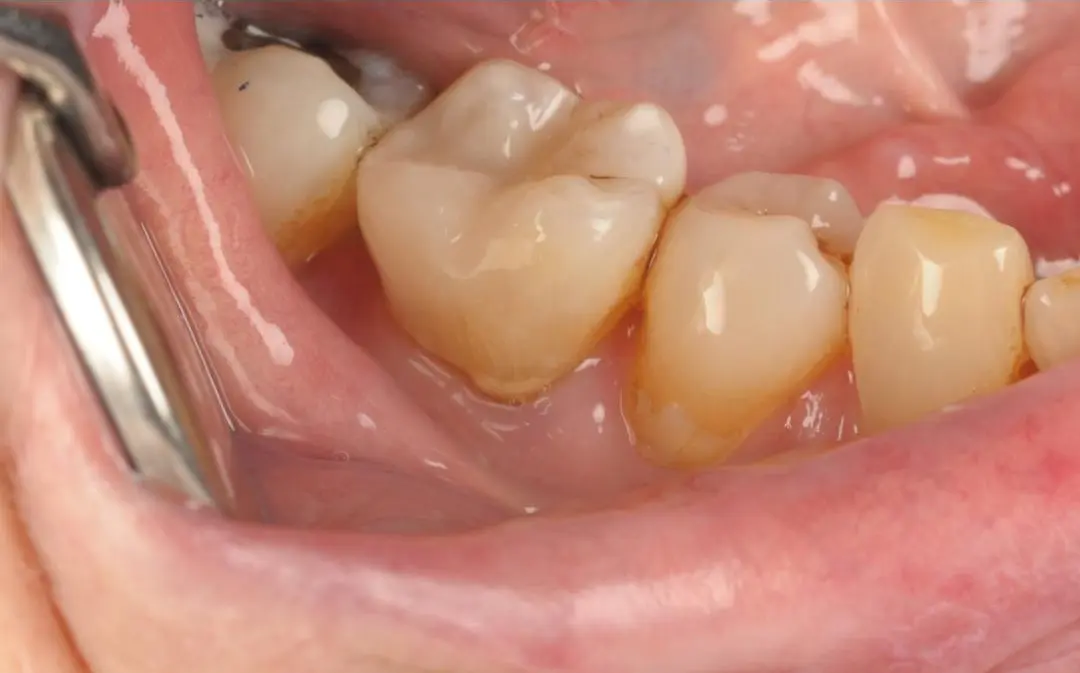
Real Patient Result: Emergency White Filling
Treatment by Dr Kamran
How a Dental Crown Can Help Restore a Worn Tooth
A dental crown is a tooth-shaped cap that fits over the prepared surface of a natural tooth. It restores the tooth's original shape, size, and function, and provides a durable outer surface that protects the underlying structure.
For a heavily worn tooth, a crown may offer several clinical benefits:
- Restoring height and shape lost through wear
- Protecting exposed dentine from further sensitivity and damage
- Rebuilding biting function affected by reduced tooth structure
- Improving appearance where the tooth has become visibly shorter or misshapen
Crowns can be fabricated from several materials, including porcelain, ceramic, or porcelain fused to metal. The most appropriate material depends on the location of the tooth, the degree of wear, and the patient's individual clinical needs — all factors that a dentist will discuss during a consultation.
It is worth noting that in cases of mild to moderate wear, alternative restorations such as composite bonding or onlays may also be considered. Treatment planning for worn teeth is often complex, and many patients benefit from a staged or phased approach. You can learn more about restorative options by visiting the dental crowns service page on our website.
Is a Dental Crown Always the Right Option?
Not all worn teeth require a crown, and clinical decisions in this area are highly individual. A dentist will typically consider:
- The extent and pattern of wear — localised wear may respond to more conservative treatments
- The amount of healthy tooth structure remaining — there must be sufficient tooth to support a crown
- The underlying cause of wear — which may need to be managed before or alongside restoration
- The patient's bite relationship — the way upper and lower teeth meet has a significant bearing on treatment design
- The patient's general dental health — gum health and root condition are assessed as part of any treatment plan
Where bruxism is identified as a contributing factor, a dentist may also recommend a custom occlusal splint to protect restorations from further damage caused by grinding.
When to Seek a Professional Dental Assessment
Some signs may indicate that tooth wear has progressed to a point where a dental evaluation would be appropriate:
- Teeth that appear noticeably shorter or flatter than they once did
- Increased sensitivity to hot, cold, or sweet foods and drinks
- A change in bite or the way your teeth fit together
- Visible yellowing or darkening of teeth (which may indicate dentine exposure)
- Discomfort when chewing
These symptoms are not necessarily cause for alarm, but they do suggest that a professional assessment may be helpful. Early intervention often provides more treatment options and can help preserve more natural tooth structure. If you are experiencing any of these concerns, it may be appropriate to arrange an emergency dental appointment if symptoms are acute, or a routine consultation for a more gradual presentation.
Prevention and Oral Health Advice
While worn teeth can be restored, preventing further wear is an equally important part of managing the condition. Some practical steps that may help include:
- Using a soft-bristled toothbrush and gentle brushing technique to minimise abrasion
- Reducing acidic food and drink consumption, particularly between meals
- Using a straw when drinking fizzy or citrus-based drinks, to limit contact with tooth surfaces
- Discussing a night guard with your dentist if grinding is suspected
- Attending regular dental check-ups so that early signs of wear can be identified and monitored before they progress
- Managing acid reflux in consultation with your GP if this may be contributing to dental erosion
Key Points to Remember
- Tooth wear can result from grinding (attrition), acid erosion, or mechanical abrasion — often a combination of factors
- Heavily worn teeth may lose enamel, exposing dentine and increasing sensitivity
- A dental crown can rebuild the shape, function, and protection of a worn tooth in appropriate cases
- Not all worn teeth require crowns — treatment suitability depends on a clinical assessment
- Identifying and managing the underlying cause of wear is an important part of any restorative plan
- Regular dental check-ups support early identification and intervention
Frequently Asked Questions
How do I know if my tooth is worn enough to need a crown?
This can only be reliably determined through a clinical examination. Your dentist will assess the depth of wear, the condition of the remaining tooth structure, your bite, and your dental history. Some patients with moderate wear may be suitable for more conservative options such as composite bonding, while others with more significant wear may benefit from a crown. Attending a dental consultation is the most reliable way to understand your individual situation.
Will a dental crown for a worn tooth last a long time?
Dental crowns are designed to be durable, but their longevity depends on several factors, including the material used, the health of the supporting tooth, and whether the underlying cause of wear — such as grinding — has been addressed. Maintaining good oral hygiene, attending regular check-ups, and using a protective splint if advised by your dentist can all contribute to the long-term success of a restoration.
Is the treatment for worn teeth painful?
Crown placement typically involves local anaesthesia to ensure the procedure is comfortable. Some patients experience temporary sensitivity after preparation, which generally settles within a short period. Your dentist will explain what to expect at each stage of treatment during your consultation.
Can worn teeth be treated without crowns?
Yes, in many cases, particularly where wear is detected early. Composite resin bonding can be used to rebuild tooth shape and protect exposed dentine with a less invasive approach. The most appropriate treatment depends on the extent of wear and the clinical assessment findings.
What happens if heavily worn teeth are left untreated?
Leaving significant tooth wear unaddressed may allow the condition to progress, resulting in greater structural loss, increased sensitivity, and potentially more complex treatment requirements in the future. In some cases, wear may affect the bite relationship, leading to discomfort in the jaw or temporomandibular joint. Early professional assessment helps to preserve treatment options.
Does tooth wear affect the appearance of my smile?
Yes, tooth wear — particularly attrition — can shorten the visible length of teeth, which may alter the overall appearance of the smile. Many patients report that their teeth look flatter or less prominent than they used to. Restorative treatment, where clinically appropriate, can rebuild the natural form of teeth and improve both function and aesthetics.
Conclusion
Tooth wear is a common and manageable dental concern when identified and treated appropriately. A dental crown for a worn tooth can be an effective restorative solution in the right clinical circumstances — rebuilding lost structure, protecting the tooth, and restoring comfortable function. However, it is one option among several, and the most suitable approach will always depend on the individual patient's clinical picture.
If you have noticed changes in your teeth — whether in their appearance, sensitivity, or the way your bite feels — it is worth seeking a professional assessment to understand what options may be available to you.
Dental symptoms and treatment options should always be assessed individually during a clinical examination.
Disclaimer: This article is intended for general educational purposes only and does not constitute personalised dental advice. Individual diagnosis and treatment recommendations require a clinical examination by a qualified dental professional.
Next Review Due: 16 September 2027