
Many patients find themselves in a situation where a tooth has been significantly damaged — whether through extensive decay, a fracture, or the breakdown of a large old filling — and they begin to wonder whether anything can actually be done to save it. One of the most common questions asked in dental consultations across London is whether a dental crown can still be placed when there is very little natural tooth structure remaining.
It is entirely understandable to feel uncertain or anxious about this. The prospect of losing a tooth can be daunting, especially when a crown feels like the last chance to preserve it. The good news is that modern dentistry offers a range of techniques designed to help dentists work with compromised teeth — though the suitability of any approach always depends on a thorough clinical assessment of the individual tooth.
This article explains what happens when a tooth has minimal remaining structure, what options may be available, and when professional dental evaluation is the most important next step.
Experiencing these symptoms?
Delaying treatment can lead to tooth loss. We have slots available today.
Featured Snippet Answer
Can a dental crown be fitted if the tooth has very little structure left?
In many cases, a dental crown can still be considered even when significant tooth structure has been lost. Techniques such as a post and core build-up or crown lengthening surgery may be used to provide adequate support for the crown. However, suitability depends entirely on a clinical examination, including the health of the root and surrounding bone.
Why Tooth Structure Matters for a Crown
A dental crown works by fitting over the remaining portion of a natural tooth, much like a protective cap. For a crown to sit securely and function well long-term, there needs to be enough remaining tooth structure — both above and below the gum line — to anchor it properly.
Meet Dr. Yasha Shirazi
Principal Dentist at Emergency Dentist London
"We treat hundreds of dental emergencies every month. The sooner you come in, the easier the fix usually is."
Book an appointment with our team →When a tooth has suffered extensive decay, trauma, or has previously had a large amount of tooth substance removed during treatment, the amount of remaining natural structure can be minimal. This creates a challenge for the dentist, because a crown placed on insufficient tooth structure is at risk of becoming loose, failing, or placing undue stress on the root.
The minimum tooth structure required is sometimes referred to as the ferrule effect — a concept in restorative dentistry that describes how much natural tooth wall must remain around the base of a crown for it to resist the forces of biting and chewing. Generally, dentists aim for at least 1.5 to 2 mm of sound tooth structure above the gum line for adequate support. When this cannot be achieved through normal means, alternative approaches may be considered.
What Happens When There Is Very Little Tooth Left?
If your dentist identifies that there is insufficient tooth structure above the gum line, this does not automatically mean the tooth must be removed. Depending on the overall health of the tooth root and surrounding bone, one or more of the following approaches may be discussed:
Post and Core Build-Up
If the tooth has previously undergone root canal treatment and the root is intact and healthy, a post and core restoration may be used to rebuild the tooth before a crown is placed. A small post is inserted into the root canal space to provide structural support, and a core of dental material is built up around it to create a foundation for the crown.
It is important to note that the post does not strengthen the root itself — it helps retain the core material that supports the crown. This approach is only suitable where the root structure is sound and there is sufficient bone support. A dentist will assess this using clinical examination and dental X-rays.
Crown Lengthening Surgery
In some situations, a procedure known as crown lengthening may be recommended. This is a minor surgical procedure carried out by a periodontist or oral surgeon that involves reshaping the gum tissue and sometimes a small amount of bone around the tooth to expose more of the natural tooth structure above the gum line.
By exposing more tooth, the dentist gains the additional structure needed to achieve the ferrule effect and place a crown securely. If you are considering this route, learning more about tooth preservation treatments may help you understand the wider options available.
When Extraction May Be the Appropriate Recommendation
Not every compromised tooth can be saved, and a responsible dentist will always present honest options. If the remaining tooth structure is insufficient even with adjunctive procedures, if the root is fractured, or if infection has significantly damaged surrounding bone, extraction followed by a replacement option — such as a dental implant or bridge — may ultimately serve the patient better. This decision is always made on a case-by-case basis following thorough examination.
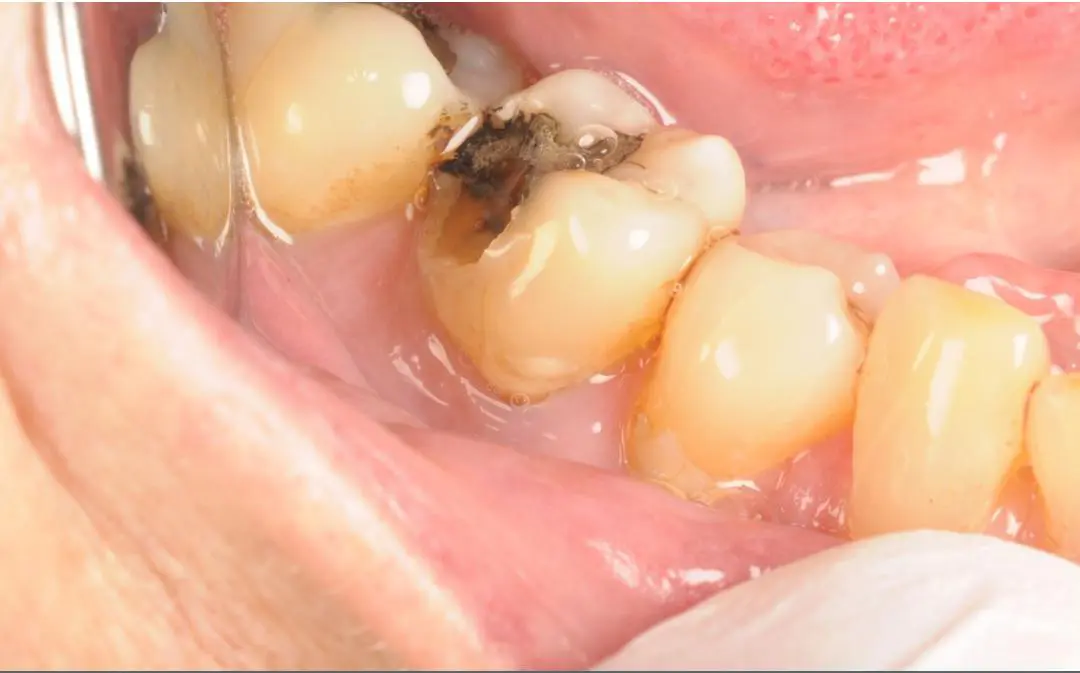
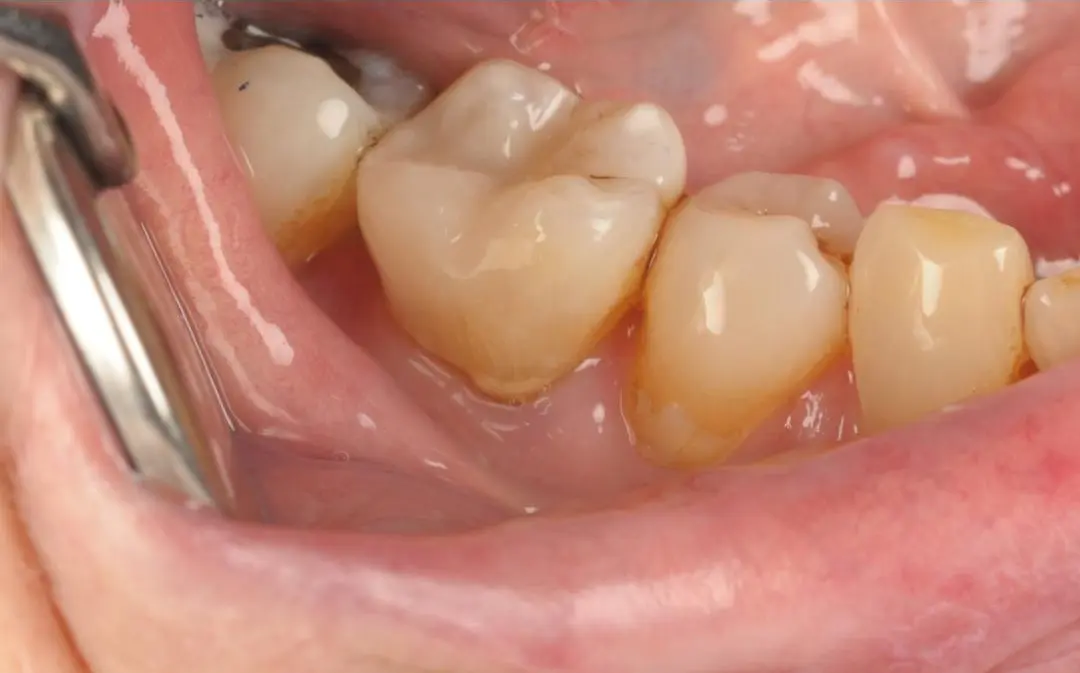
Real Patient Result: Emergency White Filling
Treatment by Dr Kamran
The Dental Science Behind Structural Tooth Loss
Understanding why teeth lose structure helps patients appreciate the importance of timely intervention. Tooth enamel — the hard outer layer — does not regenerate once lost. Beneath the enamel lies dentine, which is softer and more vulnerable to decay. When decay progresses unchecked, or when repeated dental restorations remove healthy tooth material over many years, the cumulative loss of tooth substance can leave very little natural structure remaining.
In teeth that have had root canal treatment, the internal pulp tissue — which previously supplied nutrients and moisture — has been removed. This can make the tooth more brittle over time, increasing the risk of fracture. This is one reason why root-treated teeth are often recommended to have a crown placed promptly, to protect the remaining structure before it deteriorates further.
Understanding the role of root canal treatment in preserving teeth can help patients make more informed decisions about timing and next steps.
When to Seek Professional Dental Assessment
There are several situations where seeking a dental evaluation sooner rather than later is advisable:
- A tooth that has broken or chipped, particularly if a significant portion has been lost
- An existing filling that has fallen out or cracked, leaving the tooth vulnerable to further damage
- Sensitivity to hot, cold, or biting pressure on a tooth with limited remaining structure
- Visible darkening or discolouration of a tooth, which can indicate internal changes
- Swelling or discomfort around a damaged tooth, which may suggest infection requiring assessment
If you are experiencing any of these concerns, it is advisable to arrange a dental appointment as soon as reasonably possible. Early assessment helps preserve more treatment options. If symptoms appear suddenly or are accompanied by significant discomfort, emergency dental care in London is available to provide prompt evaluation.
Prevention and Oral Health Advice
Whilst some structural tooth loss occurs due to unavoidable injury, much of it can be reduced through consistent oral health habits and regular dental care. The following practical measures may help protect your teeth over time:
- Attend regular dental check-ups — typically every six to twelve months — so that early signs of decay or structural weakness can be identified and managed before they progress
- Replace damaged or old fillings promptly rather than delaying, as deteriorating restorations can allow decay to progress beneath them
- Wear a custom mouthguard if you grind your teeth at night (bruxism), as grinding places significant forces on teeth and can accelerate structural loss
- Maintain a thorough daily oral hygiene routine, including brushing twice daily with fluoride toothpaste and flossing or using interdental brushes
- Limit acidic and sugary foods and drinks, which contribute to enamel erosion over time
- Seek prompt dental advice after any tooth trauma, even if the tooth appears undamaged immediately after the incident
Key Points to Remember
- A dental crown may still be possible even when significant tooth structure has been lost, but this depends entirely on individual clinical assessment
- Techniques such as post and core build-ups or crown lengthening surgery can sometimes provide the additional support needed
- The ferrule effect — having sufficient natural tooth wall around the base of a crown — is an important factor in crown longevity
- Root-treated teeth are more vulnerable to fracture and often benefit from crown protection at an appropriate stage
- Not all structurally compromised teeth are suitable for crown placement; in some cases, extraction and replacement may be the clinically recommended option
- Early assessment generally preserves more treatment choices
Frequently Asked Questions
How much tooth structure is needed for a crown to be placed?
Dentists generally aim for at least 1.5 to 2 mm of sound natural tooth structure above the gum line to achieve a reliable ferrule effect. This helps the crown resist the forces applied during chewing and reduces the risk of it becoming dislodged or the tooth fracturing. If this cannot be achieved naturally, supplementary procedures such as crown lengthening may be discussed, though suitability depends on the individual tooth and surrounding structures following clinical examination.
Can a post and core restore any tooth before a crown?
A post and core restoration is typically only suitable for teeth that have undergone root canal treatment, as the post is placed within the root canal space. It is not appropriate for teeth with living pulp. The root must also be sufficiently healthy, intact, and supported by adequate bone. A dental X-ray and clinical assessment are essential to determine whether this approach is viable for a specific tooth.
Is crown lengthening a painful procedure?
Crown lengthening is carried out under local anaesthetic, so patients should not feel pain during the procedure itself. Some discomfort, swelling, and sensitivity in the days following the procedure are normal and typically manageable with over-the-counter pain relief as advised by the dental team. Recovery times vary depending on the extent of the procedure, and the dentist will provide specific aftercare guidance. It is important to follow these instructions carefully to support healing.
What if the tooth cannot support a crown — what are the alternatives?
If a tooth cannot be restored with a crown, even with additional procedures, extraction may be recommended. Following extraction, tooth replacement options may include a dental implant, a fixed bridge, or a removable partial denture. Each option has different clinical, aesthetic, and practical considerations, and the most appropriate choice will depend on factors including the location of the tooth, bone volume, overall oral health, and patient preferences, all of which are discussed during a consultation.
How long does a crown last on a tooth with minimal structure?
The longevity of any crown depends on multiple factors, including the quality of the underlying tooth structure, the technique used to support the crown, oral hygiene habits, and bite forces. Crowns supported by post and core restorations or placed following crown lengthening can function well for many years when placed appropriately and maintained carefully. However, no specific outcome can be guaranteed, and regular dental reviews help monitor the crown and supporting tooth over time.
Should I have a crown placed immediately after root canal treatment?
Timing of crown placement following root canal treatment depends on clinical factors assessed by the treating dentist. In many cases, placing a crown promptly after root canal treatment helps protect the tooth from fracture, particularly for back teeth that bear higher chewing loads. Your dentist will advise on the appropriate timing based on the specific tooth, its remaining structure, and the treatment undertaken. Delaying a recommended crown can increase the risk of the tooth fracturing in the interim.
Conclusion
When a tooth has suffered significant structural loss, it is natural to wonder whether a dental crown is still a viable option. As this article has explained, modern restorative dentistry offers several techniques — including post and core build-ups and crown lengthening surgery — that can sometimes make crown placement possible even in challenging situations. However, there is no universal answer, and outcomes vary considerably depending on the health of the root, surrounding bone, and the overall condition of the mouth.
Dental symptoms and treatment options should always be assessed individually during a clinical examination.
If you are concerned about a damaged tooth or have been told that your tooth has limited structure remaining, seeking a professional dental opinion is always the most sensible first step. Early assessment helps preserve the widest range of options and supports better long-term outcomes.
Disclaimer: This article is intended for general educational purposes only and does not constitute personalised dental advice. Individual diagnosis and treatment recommendations require a clinical examination by a qualified dental professional.
Next Review Due: 18 September 2027