
If you have ever experienced a painful, swollen area near a tooth, you may have wondered whether the infection could spread beyond that single tooth to the ones beside it. This is one of the most common concerns patients search for online — and understandably so. A dental abscess can be an uncomfortable and worrying experience, and it is entirely natural to want to understand exactly what is happening inside your mouth.
A dental abscess is a localised collection of pus caused by a bacterial infection. It can originate from within the tooth itself (a periapical abscess) or from the surrounding gum tissue (a periodontal abscess). While an abscess typically begins in one specific area, the infection does have the potential to affect surrounding structures, including adjacent teeth, the jawbone, and soft tissue.
This article explains how dental abscesses develop, whether they can affect neighbouring teeth, what symptoms to look out for, and why early professional assessment matters for protecting your overall oral health.
Experiencing these symptoms?
Delaying treatment can lead to tooth loss. We have slots available today.
Featured Snippet Answer
Can a dental abscess affect the tooth next to the infected tooth?
Yes, a dental abscess can potentially affect adjacent teeth. If left untreated, the bacterial infection causing the abscess may spread through the surrounding bone and soft tissue, compromising the health of neighbouring teeth, the gum, and the jawbone. Early professional dental assessment is important to prevent the infection from spreading further.
How Does a Dental Abscess Develop?
A dental abscess forms when bacteria enter the inner structures of a tooth or the surrounding gum tissue, typically through tooth decay, a cracked tooth, or advanced gum disease. Once bacteria reach the dental pulp — the soft inner tissue containing nerves and blood vessels — or the pocket between the tooth and gum, the immune system responds by sending white blood cells to fight the infection. The resulting accumulation of dead tissue, bacteria, and immune cells forms pus, which collects in a pocket known as an abscess.
Meet Dr. Yasha Shirazi
Principal Dentist at Emergency Dentist London
"We treat hundreds of dental emergencies every month. The sooner you come in, the easier the fix usually is."
Book an appointment with our team →There are two primary types of dental abscess:
- Periapical abscess: This forms at the tip of the tooth root and is usually associated with pulp infection caused by deep decay or trauma.
- Periodontal abscess: This develops in the gum tissue beside a tooth root, often linked to gum disease.
Understanding which type of abscess is present is important, as each has different implications for surrounding teeth and tissues. A dental professional can assess this through clinical examination and dental X-rays. If you are experiencing tooth pain or swelling, an emergency dental appointment can help determine the cause promptly.
Can the Infection Spread to Adjacent Teeth?
This is a clinically important question. The short answer is yes — while an abscess begins in one location, the infection can spread if it is not treated in a timely manner.
Dental infections do not always remain contained. Bacteria can travel through the jawbone (a process known as osteomyelitis in severe cases), through the periodontal ligament that connects each tooth to the bone, and through soft tissue pathways. As the infection progresses, it may:
- Weaken the bone supporting adjacent teeth
- Cause the gum tissue around neighbouring teeth to become inflamed or infected
- Create pressure that affects the nerves of surrounding teeth, causing referred pain or sensitivity
- In rare but serious cases, spread beyond the jaw into deeper structures of the head and neck
It is worth noting that a dental abscess does not directly "jump" from one tooth to another in the way some patients imagine. Rather, the underlying infection spreads through the tissues that surround and support all the teeth in that area. This is why early assessment and treatment are so important — not just for the affected tooth, but for the health of the surrounding teeth and bone.
The Dental Science Behind Abscess Spread
To understand how an abscess can affect adjacent teeth, it helps to consider the anatomy of the mouth. Each tooth sits within a socket of alveolar bone and is surrounded by a thin layer of tissue called the periodontal ligament. Adjacent teeth share this bone structure, meaning that infection eroding one section of bone can compromise the stability and health of neighbouring teeth.
Bacterial toxins produced during an active infection can trigger an inflammatory response in surrounding tissues. Over time, this chronic inflammation can break down bone density — a process called alveolar bone resorption — which may loosen neighbouring teeth or make them more susceptible to their own infections.
Furthermore, the roots of adjacent teeth sometimes sit in very close proximity. In the lower jaw especially, molar roots can overlap in ways that make it easier for an infection to extend from one area of the jaw to another. This highlights why dental X-rays are a routine and valuable diagnostic tool during abscess assessment.
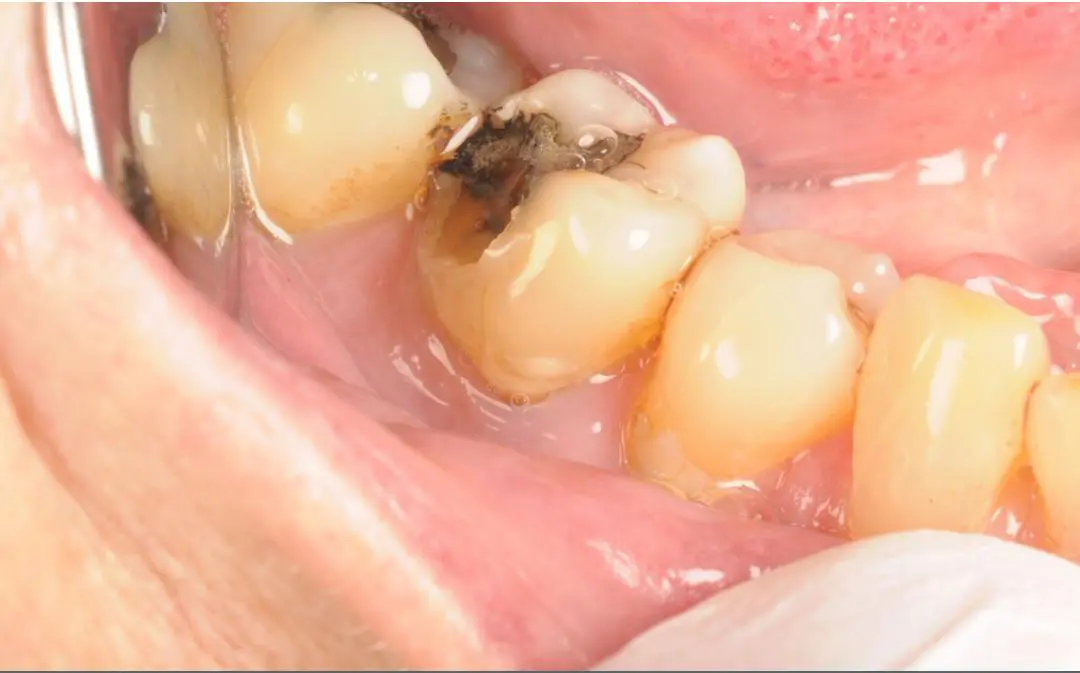
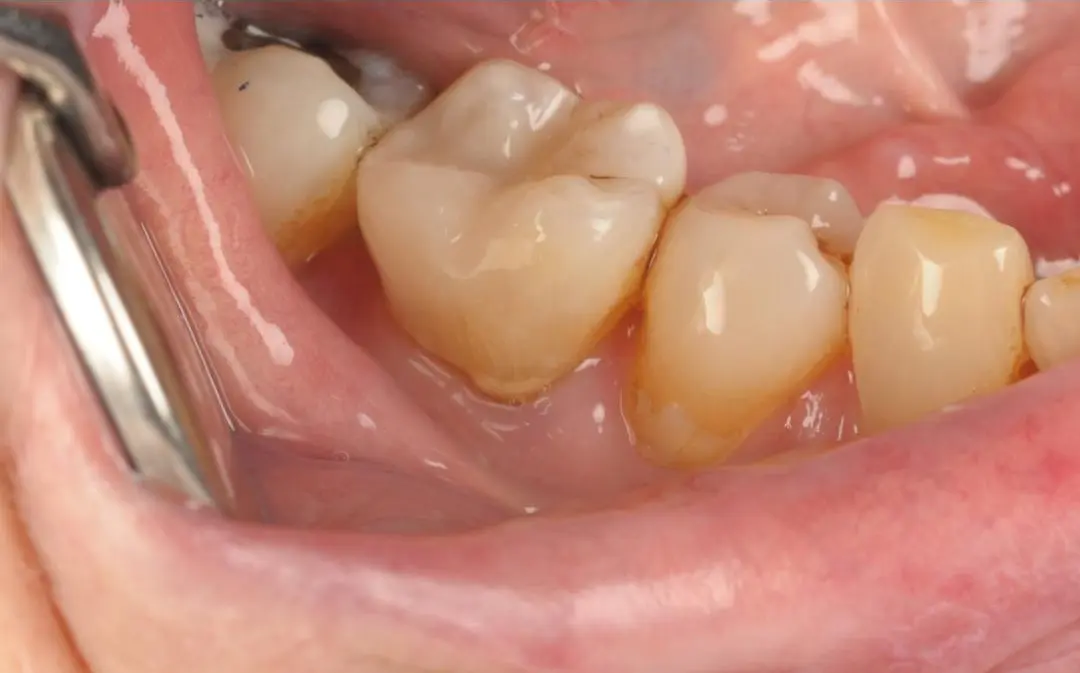
Real Patient Result: Emergency White Filling
Treatment by Dr Kamran
Symptoms That May Suggest Spread Beyond One Tooth
Patients often notice when a dental abscess may be affecting a broader area. Symptoms that may suggest the infection has spread, or is at risk of spreading, include:
- Pain that radiates along the jaw or into the ear and neck
- Swelling of the gum, cheek, or jaw that appears to be enlarging
- Sensitivity or aching in teeth adjacent to the originally affected tooth
- Difficulty opening the mouth or swallowing
- Swollen lymph nodes in the neck or under the jaw
- A persistent bad taste or visible swelling in the gum
If you are experiencing any of these symptoms, it is advisable to seek professional dental advice without delay. Swelling that extends to the face, neck, or floor of the mouth should be treated as an urgent concern, and in such cases, attending an emergency dental clinic or seeking urgent medical attention is appropriate. Learn more about dental abscess treatment options available at our London clinic.
When Professional Dental Assessment May Be Needed
A dental abscess is not a condition that will resolve on its own. While discomfort may temporarily reduce if the abscess drains naturally, the underlying infection typically remains and can worsen over time.
You should consider seeking professional dental assessment if you notice:
- Persistent or worsening toothache, particularly throbbing pain
- Visible swelling of the gum, face, or jaw
- A raised bump or blister on the gum near a tooth
- Sensitivity to hot or cold that does not resolve
- Fever or a general feeling of being unwell alongside dental pain
- Pain in teeth adjacent to a tooth that has previously been treated
Early assessment allows a dental professional to accurately diagnose the type and extent of the infection, take appropriate X-rays, and discuss suitable treatment options. Treatment suitability always depends on individual clinical findings and should never be assumed based on online information alone.
Prevention and Oral Health Advice
Preventing dental abscesses begins with consistent oral hygiene and routine dental care. While no approach can guarantee the complete elimination of risk, the following habits are generally considered beneficial:
- Brush twice daily using a fluoride toothpaste, ensuring you reach all tooth surfaces
- Floss or use interdental brushes daily to remove plaque from between teeth, where toothbrushes cannot reach
- Attend regular dental check-ups — routine examinations allow early detection of decay, gum disease, and other conditions before they develop into more serious problems
- Address tooth decay promptly — leaving cavities untreated increases the risk of bacterial infection reaching the pulp
- Avoid excessive consumption of sugary foods and drinks, which contribute to tooth decay
- Wear a mouthguard if you play contact sports, to protect against dental trauma that could lead to pulp damage
If you have concerns about your gum health, speaking to a dental professional about a gum disease assessment may also be helpful, as periodontal disease is one of the contributing factors to periodontal abscesses.
Key Points to Remember
- A dental abscess is a bacterial infection that produces a pocket of pus near a tooth or in the surrounding gum tissue
- If left untreated, the infection can spread through the jawbone and soft tissue, potentially affecting adjacent teeth
- Symptoms of spread may include pain in neighbouring teeth, increasing swelling, and a general feeling of being unwell
- There are two main types of abscess — periapical and periodontal — each with different causes and implications
- Early professional dental assessment is important to prevent infection from affecting surrounding structures
- Good oral hygiene, regular check-ups, and prompt treatment of decay can help reduce the risk of abscess formation
Frequently Asked Questions
Can a dental abscess cause pain in the tooth next to it?
Yes, it is possible to experience pain in a tooth adjacent to an abscessed tooth. This can occur due to referred pain, where the nerve pathways in the jaw transmit pain signals to neighbouring areas. It can also happen if the infection has spread through the surrounding bone or soft tissue, causing inflammation near adjacent tooth roots. A dental professional can use X-rays and clinical examination to determine whether adjacent teeth are involved or whether the pain is referred from the original source.
How quickly can a dental abscess spread?
The rate at which a dental abscess can spread varies depending on factors such as the individual's immune response, the type of bacteria involved, and whether the abscess has a route to drain. Some abscesses remain relatively contained for extended periods, while others can progress more rapidly. It is not possible to predict the speed of spread without clinical assessment. This is why seeking dental advice promptly when an abscess is suspected is considered important, rather than waiting to see whether symptoms improve on their own.
Will antibiotics alone treat a dental abscess?
Antibiotics can help manage the spread of infection and reduce systemic symptoms, but they are generally not considered a standalone or curative treatment for a dental abscess. The underlying cause — whether it is a decayed tooth, infected pulp, or periodontal disease — typically requires direct dental treatment such as root canal treatment, drainage of the abscess, or tooth extraction in appropriate cases. A dental professional will advise on the most suitable course of action following a clinical assessment.
Can an untreated abscess lead to tooth loss in adjacent teeth?
In more advanced or prolonged cases, an untreated abscess can lead to significant bone loss around the affected area. This bone supports not only the infected tooth but also neighbouring teeth. If bone deterioration becomes substantial, adjacent teeth may loosen or become more vulnerable to infection themselves. While this represents a more severe progression, it underlines the importance of timely dental assessment and treatment to preserve as much surrounding tooth structure and bone as possible.
Is a gum abscess different from a tooth abscess, and does it affect neighbours differently?
Yes, a gum abscess (periodontal abscess) differs from a tooth abscess (periapical abscess) in terms of origin. A periodontal abscess typically arises from within a gum pocket, often associated with gum disease, whereas a periapical abscess originates at the root tip due to pulp infection. Both types can potentially affect neighbouring teeth, but the mechanism and treatment differ. A gum abscess may more directly affect the gum tissue and bone between adjacent teeth, particularly in cases of advanced periodontal disease.
Conclusion
A dental abscess is more than a localised problem — it is a bacterial infection that, if not addressed, has the potential to affect the surrounding bone, gum tissue, and teeth adjacent to the original site. Understanding that infection can spread through shared dental and bone structures highlights why early professional evaluation is so important, not only for the comfort of the patient but for the long-term health of the surrounding teeth.
The good news is that dental abscesses are treatable conditions, and with timely intervention, it is often possible to manage the infection and preserve surrounding tooth structures. If you notice persistent dental pain, swelling, or symptoms in teeth near a known problem area, please do not delay seeking professional advice.
Dental symptoms and treatment options should always be assessed individually during a clinical examination.
If you are concerned about a possible dental abscess or are experiencing unexplained dental pain in London, we encourage you to contact a qualified dental professional who can provide a thorough and individualised assessment.
Disclaimer: This article is intended for general educational purposes only and does not constitute personalised dental advice. Individual diagnosis and treatment recommendations require a clinical examination by a qualified dental professional.
Next Review Due: 28 October 2027
Disclaimer
This article is for general educational purposes only and does not constitute dental advice, diagnosis, or treatment. Every patient is different, so symptoms and treatment options should be assessed by a qualified dental professional during a clinical examination. No specific outcomes are guaranteed.