
A dental crown coming loose or falling out entirely is one of the more common concerns that brings patients to search for urgent dental advice online. Whether it happened whilst eating, during sleep, or for no obvious reason at all, a dislodged crown can feel alarming — and leaves many people wondering what to do next, and crucially, whether the crown can simply be put back in place.
The short answer is that re-cementing a dental crown is often possible, but it depends on several clinical factors that only a dentist can properly assess. The condition of the crown itself, the state of the tooth underneath, and the reason the crown came loose in the first place all play a role in determining the most appropriate course of action.
This article explains what happens when a crown is removed from the mouth, when re-cementing may be a suitable option, and what signs suggest a more involved dental assessment may be needed. Understanding these factors can help you feel more informed and prepared before your dental appointment.
Experiencing these symptoms?
Delaying treatment can lead to tooth loss. We have slots available today.
Featured Snippet Answer
Can a dental crown be re-cemented after being removed from the mouth?
Yes, a dental crown can often be re-cemented after being removed from the mouth, provided the crown is undamaged and the underlying tooth structure remains intact. However, suitability for re-cementing a dental crown depends entirely on clinical assessment, including the reason it became dislodged and the condition of both the crown and the prepared tooth beneath it.
Why Do Dental Crowns Come Loose or Fall Out?
Dental crowns are designed to be durable, long-lasting restorations, but they are not permanent in the sense that they can never be affected by wear, force, or changes within the mouth. Understanding the reasons a crown may become dislodged can help patients appreciate why a thorough examination is always necessary before any treatment decision is made.
Meet Dr. Yasha Shirazi
Principal Dentist at Emergency Dentist London
"We treat hundreds of dental emergencies every month. The sooner you come in, the easier the fix usually is."
Book an appointment with our team →Common reasons dental crowns may come loose include:
- Cement degradation over time — The dental cement used to bond a crown can weaken gradually over years, particularly if the crown has been in place for a long period.
- Tooth decay beneath the crown — If decay develops on the remaining tooth structure underneath the crown, it can compromise the bond and cause the crown to loosen.
- Biting forces or trauma — Excessive force, grinding (bruxism), or an accidental blow to the mouth may dislodge a crown.
- Crown damage — Chips, cracks, or warping of the crown itself can affect how securely it sits on the tooth.
- Ill fit over time — Gum recession or changes in adjacent teeth can affect how a crown fits in the long term.
Identifying the underlying cause is essential before re-cementing is considered, as simply re-bonding a crown without addressing the root cause may result in it becoming loose again.
What Happens to the Tooth Beneath a Crown?
To understand why a clinical examination matters so much in these situations, it helps to appreciate the dental science involved. When a crown is fitted, the natural tooth is shaped (prepared) to provide a stable platform for the crown to sit upon. This prepared tooth — often called the abutment tooth — is typically smaller than the original, as some enamel and dentine are removed to make room for the crown.
Once a crown becomes dislodged, this prepared tooth is exposed and vulnerable. Without the protective covering of the crown, the tooth is more susceptible to:
- Sensitivity to temperature and pressure — The dentine beneath a crown contains microscopic tubules that, when exposed, can cause discomfort when eating or drinking.
- Bacterial ingress — A gap between the crown and tooth can allow bacteria to accumulate, increasing the risk of decay.
- Fracture — A prepared tooth that has been significantly reduced in structure may be more prone to cracking if subjected to chewing forces without the support of the crown.
This is why it is important to seek a dental assessment promptly if a crown comes loose or falls out, rather than leaving the tooth unprotected for extended periods. If you are in London and require urgent assistance, emergency dental care is available to assess dislodged crowns and provide appropriate interim or definitive treatment.
When Can a Crown Be Re-Cemented?
Re-cementing a dental crown is a clinically straightforward procedure when certain conditions are met. A dentist will typically consider re-cementing suitable when:
- The crown itself is structurally sound — no cracks, fractures, or significant distortion.
- The underlying tooth is free from active decay and has sufficient structure to support re-bonding.
- The crown still fits accurately on the prepared tooth without rocking, gaps, or obvious misalignment.
- There is no sign of infection, abscess, or advanced gum disease affecting the tooth or surrounding area.
The dentist will clean both the inside of the crown and the surface of the prepared tooth before applying fresh dental cement and repositioning the crown carefully. They will also check your bite to ensure the crown sits correctly and does not place undue pressure on adjacent teeth or the opposing arch.
It is important to note that re-cementing is not always a permanent solution — if the original cause of dislodgement has not been addressed, further problems may arise.
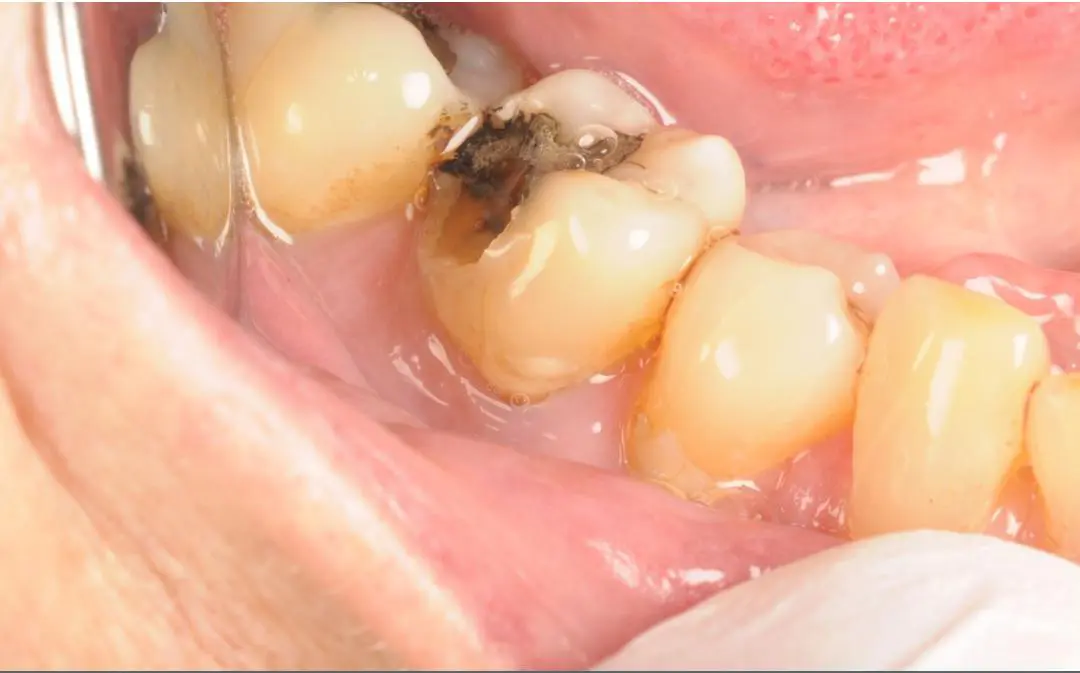
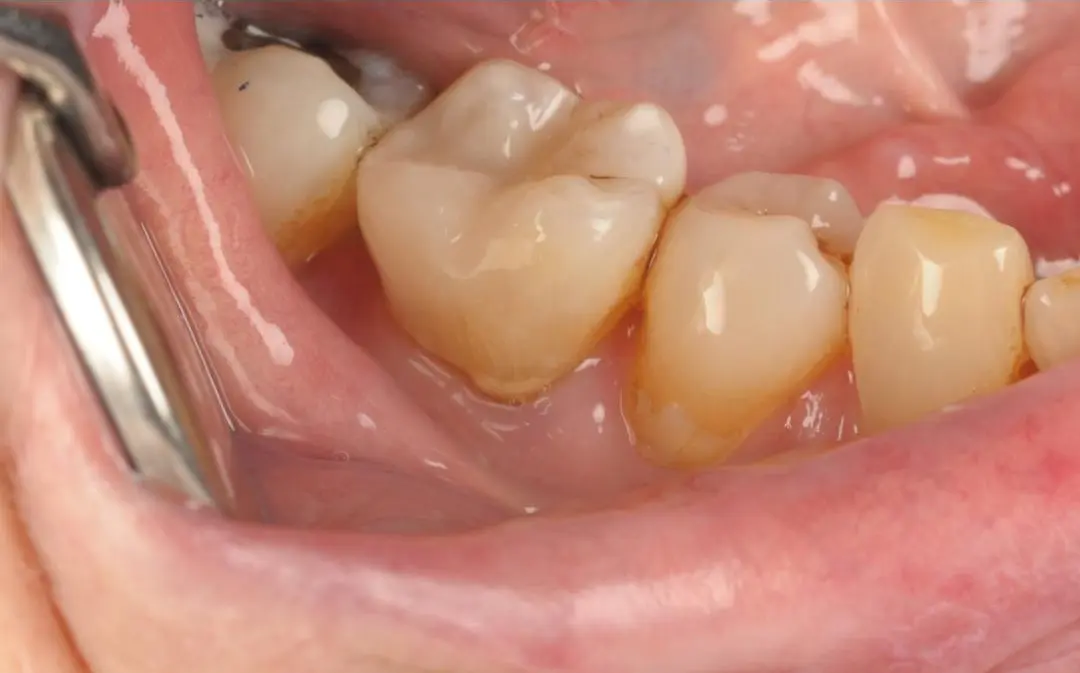
Real Patient Result: Emergency White Filling
Treatment by Dr Kamran
When a New Crown May Be Required
There are clinical circumstances in which re-cementing the original crown is not the most appropriate course of action. A dentist may recommend a new crown if:
- The existing crown is damaged, cracked, or no longer fits accurately.
- There is significant decay on the underlying tooth requiring preparation changes.
- The crown is very old and has reached the end of its functional lifespan.
- Gum recession has altered the position of the gum margin significantly, affecting the fit and appearance of the original crown.
In some cases, further restorative work — such as a new dental crown — may be recommended to restore both function and aesthetics appropriately. Treatment suitability is always determined individually during a clinical consultation.
When to Seek Professional Dental Assessment
Whilst a dislodged crown does not always indicate a dental emergency, certain symptoms suggest that prompt professional evaluation is advisable:
- Pain or significant sensitivity — Discomfort in the exposed tooth, particularly when eating, drinking, or breathing in cold air.
- Swelling in the gum or jaw area — This may indicate infection and warrants timely assessment.
- A visibly damaged or broken crown — If the crown appears fractured or distorted, it is unlikely to be suitable for re-cementing.
- Decay visible on the tooth stump — Dark discolouration or softness of the remaining tooth structure requires dental evaluation.
- Difficulty chewing or bite changes — This may suggest the dislodged crown has altered your occlusion.
If you are experiencing any of these symptoms in London, seeking assessment from an emergency dentist at the earliest opportunity is advisable.
Prevention and Oral Health Advice
Whilst not all crown dislodgements can be prevented, there are practical steps that may help maintain the longevity of a dental crown:
- Maintain excellent oral hygiene — Brushing twice daily with fluoride toothpaste and flossing or using interdental brushes around crowned teeth helps prevent decay at the margins.
- Attend regular dental check-ups — Routine examinations allow dentists to identify early signs of crown wear, cement degradation, or underlying decay before problems escalate.
- Avoid very hard or sticky foods — Hard sweets, ice, and particularly sticky foods such as toffee can place excessive stress on crowns.
- Wear a night guard if recommended — If you grind or clench your teeth during sleep, a custom-fitted night guard can significantly reduce the forces acting on crowns and other restorations.
- Report any changes promptly — If a crown begins to feel loose, different, or uncomfortable, seeking early advice is preferable to waiting until it fully dislodges.
Key Points to Remember
- A dental crown can often be re-cemented after being removed from the mouth, but this depends on a clinical assessment of both the crown and the underlying tooth.
- Common causes of crown dislodgement include cement degradation, tooth decay beneath the crown, grinding, and trauma.
- The exposed tooth beneath a dislodged crown is vulnerable to sensitivity, bacterial ingress, and fracture.
- Re-cementing is suitable when both the crown and the underlying tooth are in good condition.
- A new crown may be required if the existing restoration is damaged or if the tooth structure has changed significantly.
- Prompt dental assessment is advisable — particularly if pain, swelling, or visible damage is present.
Frequently Asked Questions
1. Is it safe to re-cement a crown at home using temporary dental cement?
Over-the-counter temporary dental cement products are available and can be used as a very short-term measure to protect the tooth and crown before a dental appointment. However, this should never replace professional dental assessment. Applying cement without examining the tooth beneath the crown could mask signs of decay or damage. Always seek professional advice as soon as possible, even if you use a temporary product in the interim.
2. How long does the re-cementing process take?
Re-cementing a dental crown is typically a straightforward procedure that can often be completed within a single appointment, usually taking between 30 and 60 minutes. The dentist will need to clean both surfaces, check the fit, and apply appropriate dental cement before seating the crown and verifying your bite. Additional time may be needed if further assessment or preparation is required.
3. Will re-cementing hurt?
The procedure is generally not painful. The tooth beneath the crown may already be sensitive due to exposure, so the dentist may use a local anaesthetic to ensure your comfort during the process, particularly if any cleaning or preparation of the tooth surface is needed. Once the crown is re-seated, any sensitivity should reduce gradually.
4. How long will a re-cemented crown last?
There is no fixed timeframe, as longevity depends on the condition of the crown and the underlying tooth, the type of cement used, your oral hygiene habits, and whether any underlying issues — such as grinding — are addressed. Regular dental check-ups are an effective way to monitor the ongoing condition of a re-cemented crown.
5. Can decay under a crown cause it to fall out?
Yes. Decay beneath a dental crown is one of the more common causes of crown failure. As decay progresses, it can undermine the tooth structure that the crown relies upon for retention, causing it to become loose or dislodged. If decay is found during assessment, it will need to be treated before re-cementing or replacement can be considered.
6. What should I do if I swallow my crown?
Dental crowns are generally not harmful if swallowed, as they are made from non-toxic materials. However, you should inform your dentist, as a new crown will likely be required. If you experience any discomfort, difficulty breathing, or other concerning symptoms after swallowing a crown, seek medical attention promptly.
Conclusion
A dislodged dental crown is a relatively common dental event, and in many cases, re-cementing a dental crown is a viable and effective solution. However, whether re-cementing is appropriate depends on a careful clinical assessment of both the crown and the tooth it sits upon. Factors such as the integrity of the crown, the presence of decay, and the reason it became loose all influence the decision-making process.
Maintaining good oral hygiene, attending regular check-ups, and seeking prompt dental advice when a crown becomes loose or falls out are all important steps in protecting your oral health. Dental symptoms and treatment options should always be assessed individually during a clinical examination.
If you are concerned about a loose or missing crown in London, speaking to a qualified dental professional at the earliest opportunity is always the most appropriate course of action.
Disclaimer: This article is intended for general educational purposes only and does not constitute personalised dental advice. Individual diagnosis and treatment recommendations require a clinical examination by a qualified dental professional.
Next Review Due: 12 October 2027
Disclaimer
This article is for general educational purposes only and does not constitute dental advice, diagnosis, or treatment. Every patient is different, so symptoms and treatment options should be assessed by a qualified dental professional during a clinical examination. No specific outcomes are guaranteed.