
If you have recently had a root canal — or are preparing for one — you may be wondering what happens next. Many patients ask whether a dental crown can be placed straight away, in the same visit, or whether they need to wait. It is a perfectly understandable concern. Nobody wants to spend more time in the dental chair than necessary, and uncertainty about the process can feel unsettling.
A crown after a root canal is typically recommended to protect and restore the treated tooth. Without adequate protection, a tooth that has undergone root canal treatment can become vulnerable to fracture or reinfection. However, whether a crown can be fitted immediately depends on several clinical factors that vary from patient to patient.
This article explains the relationship between root canal treatment and dental crowns, the factors that influence timing, what you might expect during recovery, and when it is important to seek professional dental advice.
Experiencing these symptoms?
Delaying treatment can lead to tooth loss. We have slots available today.
Featured Snippet Answer
Can a crown be fitted immediately after a root canal?
In some cases, a crown after a root canal can be placed during the same visit or shortly afterwards, particularly when same-day digital technology is available. However, in many situations, a temporary restoration is placed first to allow the tooth to settle, reduce swelling, and confirm the treatment has been successful before a permanent crown is fitted.
What Is a Root Canal and Why Is a Crown Often Needed?
Root canal treatment — clinically referred to as endodontic treatment — involves removing infected or inflamed pulp tissue from inside a tooth. The canals are then cleaned, shaped, and sealed to prevent reinfection. This procedure preserves the natural tooth structure and avoids extraction.
Meet Dr. Yasha Shirazi
Principal Dentist at Emergency Dentist London
"We treat hundreds of dental emergencies every month. The sooner you come in, the easier the fix usually is."
Book an appointment with our team →Once the pulp has been removed, the tooth no longer receives the same internal nourishment it once did. Over time, this can make the tooth more brittle and susceptible to cracking, particularly under the pressure of chewing. A dental crown encases the visible portion of the tooth, restoring its shape, strength, and function.
Not every tooth will require a crown following root canal treatment. Front teeth, for example, are under less biting pressure and may simply be restored with a filling. However, for back teeth — particularly molars and premolars — a crown is very commonly recommended to provide long-term protection. Your dentist will assess the individual condition of your tooth before making any recommendations.
Can a Crown Be Placed Immediately? Understanding the Clinical Factors
The timing of crown placement after root canal treatment depends on several important clinical considerations.
Condition of the remaining tooth structure. If significant tooth tissue has been lost due to decay or damage, the dentist may need to build up the tooth before a crown can be placed. This affects the timeline.
Presence of infection or swelling. If the root canal was performed to treat an active infection, the dentist may prefer to allow the area to fully heal before placing a permanent crown. Placing a permanent restoration too early could mask signs of incomplete healing.
Use of same-day CAD/CAM technology. Some dental practices use digital scanning and milling technology (Computer-Aided Design/Computer-Aided Manufacturing) to produce ceramic crowns in a single appointment. In appropriate cases, this can allow a crown to be fitted on the same day as — or very shortly after — root canal treatment.
Clinician judgement. Ultimately, the decision rests with your dental professional, who will assess the tooth, surrounding tissues, and your overall oral health. If you are considering root canal treatment and want to understand the full process, speaking with a qualified dentist is the most reliable first step.
The Role of Temporary Restorations
In many cases following root canal treatment, a temporary filling or temporary crown is placed to protect the tooth while healing progresses. This interim restoration serves several important purposes:
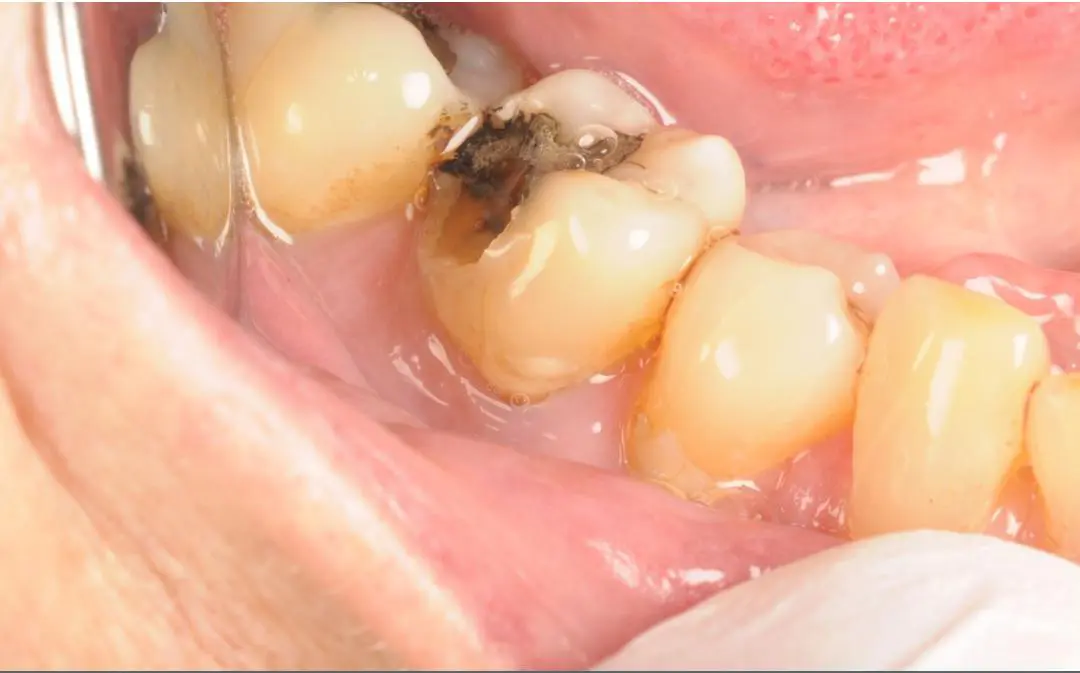
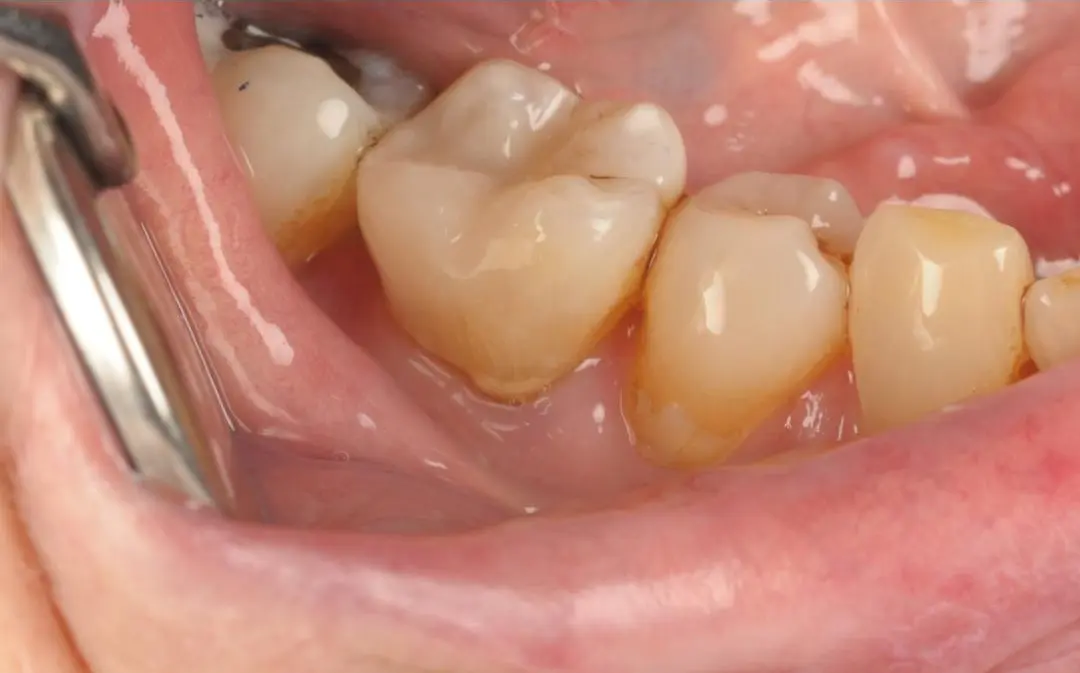
Real Patient Result: Emergency White Filling
Treatment by Dr Kamran
- It seals the tooth against bacteria and debris
- It allows the dentist to monitor healing before committing to a permanent restoration
- It gives any post-treatment sensitivity time to settle
- It provides short-term function while a permanent crown is being fabricated
Temporary restorations are not designed for long-term use. They can wear down, chip, or come loose, so it is important to attend your follow-up appointments promptly. Most patients return within two to four weeks for their permanent crown, though this can vary depending on the dental practice and clinical circumstances.
What to Expect After Root Canal Treatment
Some mild discomfort, sensitivity, or tenderness around the treated area is common in the days following root canal treatment. This is a normal part of the healing process and typically settles within a few days to a couple of weeks.
You may be advised to:
- Avoid chewing on the treated side until the permanent crown is placed
- Take over-the-counter pain relief as directed if needed
- Maintain good oral hygiene around the temporary restoration
- Attend all follow-up appointments as scheduled
If you experience dental pain that intensifies rather than improves, or if swelling develops after treatment, it is important to contact your dentist promptly for an assessment.
When Professional Dental Assessment May Be Needed
Most people recover comfortably from root canal treatment without complications. However, there are situations where seeking dental evaluation sooner rather than later is appropriate:
- Persistent or worsening pain beyond the first few days of treatment
- Swelling of the gum, jaw, or face that does not reduce
- A crown or temporary filling that feels loose, high, or broken
- Difficulty opening your mouth or swallowing
- Fever or general feeling of being unwell alongside dental symptoms
These signs do not necessarily indicate that something has gone wrong, but they warrant prompt professional review. Dental symptoms and treatment options should always be assessed individually during a clinical examination.
Prevention and Oral Health Advice
Looking after a tooth that has had root canal treatment — and the surrounding teeth — is important for long-term dental health. Here are some practical steps that may help:
- Maintain a thorough oral hygiene routine. Brushing twice daily with fluoride toothpaste and flossing daily helps remove plaque from around crowns and natural teeth alike.
- Attend regular dental check-ups. Routine examinations allow your dentist to monitor your crown and surrounding teeth and catch any issues early.
- Be mindful of hard foods. Avoid biting directly on hard objects such as ice, hard sweets, or unpopped popcorn kernels, which can stress or chip a crown.
- Wear a night guard if recommended. If you grind your teeth at night (bruxism), a custom mouthguard can help protect your crown and remaining natural teeth.
- Avoid smoking. Smoking can impair gum healing and increase the risk of further dental problems.
For wider guidance on maintaining good oral health between appointments, the oral health advice resources available from your dental team can be particularly helpful.
Key Points to Remember
- A crown after a root canal is commonly recommended to protect the treated tooth, particularly for back teeth
- Whether a crown can be fitted immediately depends on the condition of the tooth, presence of infection, and available technology
- Same-day crowns are possible in some practices using digital CAD/CAM systems
- Temporary restorations are often placed first to allow healing and confirm treatment success
- Mild post-treatment discomfort is normal; persistent or worsening symptoms should be assessed by a dentist
- Good oral hygiene and regular dental check-ups support the long-term success of your crown and root-treated tooth
Frequently Asked Questions
How long after a root canal can a crown be fitted?
The timing varies depending on individual clinical circumstances. In straightforward cases where same-day technology is available, a crown may be placed immediately or within the same appointment. In other situations — particularly where infection was present or the tooth needs building up first — a dentist may recommend waiting two to four weeks. Your treating dentist will advise the most appropriate timeline based on how your tooth responds to treatment.
Is a crown always necessary after root canal treatment?
Not always. Front teeth are under less chewing load and may be successfully restored with a filling alone. However, for back teeth that bear the brunt of biting and chewing forces, a crown is frequently recommended to prevent fracture and protect the treated tooth long term. The decision depends on how much healthy tooth structure remains and your dentist's clinical assessment.
What happens if you delay getting a crown after a root canal?
Delaying crown placement can leave the treated tooth at increased risk of fracture, contamination, or reinfection. Temporary restorations are not designed for prolonged use and can deteriorate over time. If you are unable to attend your follow-up appointment for any reason, it is advisable to contact your dental practice as soon as possible to rearrange, rather than leaving the tooth unprotected.
Will it hurt to have a crown fitted after a root canal?
Crown placement is generally a comfortable procedure. Local anaesthetic is used during preparation of the tooth, and most patients experience little to no discomfort during the appointment itself. Some sensitivity around the gum line is possible afterwards, but this typically settles within a few days. If you have concerns about pain or anxiety around dental treatment, speaking with your dentist beforehand means adjustments can be made to support your comfort.
Can the crown fail after root canal treatment?
Like all dental restorations, crowns have a lifespan and are not guaranteed to last indefinitely. With good oral hygiene, regular check-ups, and sensible care, a well-placed crown can last many years. However, factors such as teeth grinding, trauma, or decay developing underneath the crown can affect its longevity. Regular dental reviews help identify and address any concerns early.
What if my temporary crown falls off before my next appointment?
Contact your dental practice as soon as possible if your temporary crown or filling becomes loose or falls out. The tooth beneath may be sensitive or vulnerable without protection. Your dentist may be able to re-cement the temporary restoration or bring your appointment forward. In the meantime, avoid chewing on that side and maintain gentle oral hygiene around the area.
Conclusion
Understanding whether a crown can be fitted immediately after a root canal is a question many patients understandably have. The honest answer is that it depends — on the condition of the tooth, the clinical environment, the presence of any infection, and the technology available at your dental practice. In some cases, same-day placement is achievable. In others, allowing time for the tooth to settle before placing a permanent crown is the more appropriate clinical approach.
What remains consistent is that a crown after a root canal plays an important role in protecting and restoring the treated tooth for the long term. Taking good care of your oral health, attending follow-up appointments, and raising any concerns with your dental team promptly all contribute to positive long-term outcomes.
Dental symptoms and treatment options should always be assessed individually during a clinical examination.
If you have recently had root canal treatment or are due for a crown, speak with a qualified dental professional who can advise on the most suitable approach for your specific situation.
Disclaimer: This article is intended for general educational purposes only and does not constitute personalised dental advice. Individual diagnosis and treatment recommendations require a clinical examination by a qualified dental professional.
Next Review Due: 21 September 2027