
If you have noticed a sharp, fleeting pain when biting into food — one that vanishes almost as quickly as it appeared — you may have found yourself wondering what is causing it. Intermittent tooth pain can be confusing and easy to dismiss, particularly when it does not feel constant or severe. Yet this pattern of discomfort is one of the classic signs associated with a cracked molar.
Cracked molar pain is one of the more commonly searched dental concerns in the UK, largely because the symptoms can be unpredictable and difficult to pinpoint. Unlike a cavity or a broken tooth, a crack in a molar is not always visible, even to the naked eye. This makes it a frustrating experience for patients trying to understand what is happening in their mouth.
This article explains why a cracked molar can produce pain that comes and goes, what the underlying dental science involves, which symptoms may indicate a crack, and when it would be appropriate to seek a professional dental assessment.
Experiencing these symptoms?
Delaying treatment can lead to tooth loss. We have slots available today.
Featured Snippet Answer
Can a cracked molar cause pain that comes and goes?
Yes. A cracked molar can cause intermittent pain that comes and goes, typically triggered by biting, chewing, or temperature changes. The crack allows pressure and stimuli to reach the sensitive inner tooth pulp, causing sharp, fleeting discomfort. Because the crack may flex rather than remain open, the pain often disappears between episodes.
Why Do Molars Crack?
Molars are the large, flat teeth at the back of the mouth responsible for the majority of chewing and grinding. Because of the significant forces they absorb during everyday eating, they are among the teeth most susceptible to cracking.
Meet Dr. Yasha Shirazi
Principal Dentist at Emergency Dentist London
"We treat hundreds of dental emergencies every month. The sooner you come in, the easier the fix usually is."
Book an appointment with our team →Common causes of a cracked molar include:
- Biting on hard foods — ice, boiled sweets, crusty bread, or hard nuts
- Teeth grinding (bruxism) — sustained pressure over time that weakens enamel
- Large fillings — older or oversized restorations can reduce the structural integrity of a tooth
- Trauma or injury — a knock to the jaw or face
- Sudden temperature changes — consuming very hot food followed immediately by something cold
- Natural wear with age — enamel becomes more brittle over the decades
It is worth noting that cracks can range in severity. A minor craze line on the surface may cause little to no discomfort, whilst a deeper crack extending towards the root can produce more pronounced symptoms. The nature, depth, and location of the crack all influence the type and frequency of pain experienced.
Understanding the Intermittent Nature of Cracked Molar Pain
The reason cracked molar pain comes and goes lies in the mechanics of how a crack behaves under pressure. When you bite down, the two sides of the crack may briefly flex apart, stimulating the nerve tissue housed within the tooth's inner pulp chamber. The moment you release the bite, the crack closes again, and the pain eases.
This flexing motion is why patients often describe the pain as sharp and sudden — a momentary jolt during chewing, followed by relief. It is also why the pain may not occur every time you eat, as it depends on the angle and force of each bite, the specific foods consumed, and the depth of the crack at any given time.
Temperature sensitivity is also common. Cold drinks or cold air may trigger a brief, sharp pain if the crack has reached close to the pulp or dentine layer beneath the enamel. This occurs because temperature changes cause microscopic expansion and contraction within the tooth structure, stimulating exposed nerve fibres.
If you are experiencing tooth pain or dental discomfort, understanding the nature of that pain can be a helpful first step before seeking a clinical assessment.
Symptoms That May Suggest a Cracked Molar
Cracked tooth symptoms can be subtle and vary from person to person. Common signs that may indicate a cracked molar include:
- Sharp pain when biting or chewing, which disappears quickly
- Sensitivity to cold, heat, or sweet foods
- Discomfort that is difficult to locate — patients may struggle to identify which tooth is affected
- Pain that appears and disappears, with no consistent pattern
- Gum swelling or tenderness around a specific tooth (in more advanced cases)
- A feeling that something is "not right" when biting
It is important to note that not all cracks cause immediate discomfort. Some patients are unaware of a crack until it is identified during a routine dental examination. This underscores the value of attending regular check-ups, as early detection can influence the range of treatment options available.
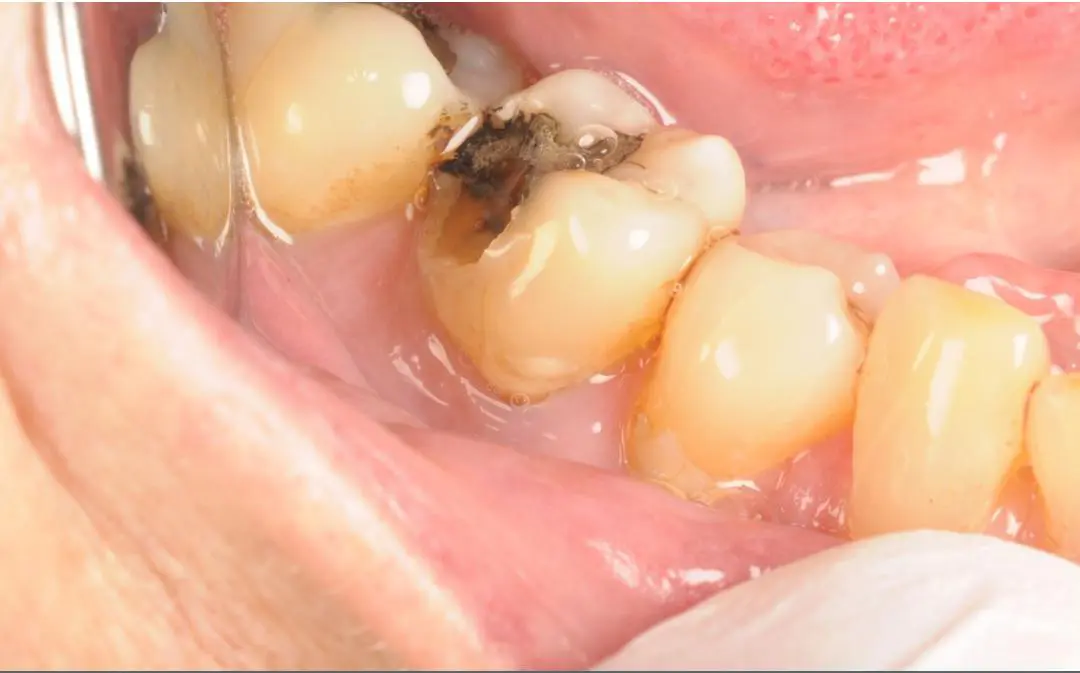
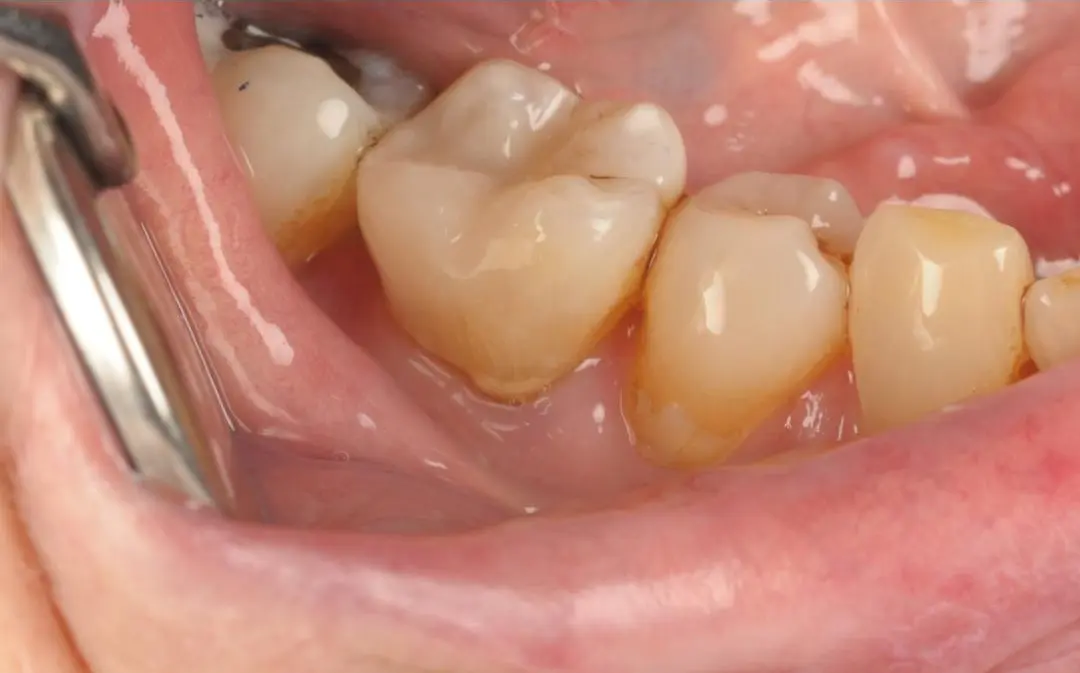
Real Patient Result: Emergency White Filling
Treatment by Dr Kamran
The Dental Science Behind Cracked Tooth Pain
To understand why cracks cause such distinctive pain, it helps to consider the basic anatomy of a molar. Each tooth comprises several layers:
- Enamel — the hard, protective outer layer
- Dentine — a softer, porous layer beneath the enamel containing microscopic tubules connected to the nerve
- Pulp — the innermost chamber containing nerves and blood vessels
When a crack penetrates beyond the enamel into the dentine or pulp, it creates a pathway for stimuli — pressure, temperature, and bacteria — to reach the nerve. This is what generates the characteristic pain response.
In more advanced cases where a crack has extended deep into the pulp, inflammation or infection can develop within the pulp tissue itself. This may eventually require more involved dental treatment. Early assessment can help determine the extent of a crack before the situation progresses.
When Professional Dental Assessment May Be Appropriate
Not all cracked molars produce the same symptoms, and only a clinical examination can properly evaluate the nature and severity of a crack. You may wish to consider seeking a dental assessment if you notice:
- Pain when biting that has lasted more than a few days
- Sensitivity to temperature that lingers beyond a few seconds after the stimulus is removed
- Swelling around the jaw or gum near a specific tooth
- A dull, persistent ache that has replaced the sharp intermittent pain (which may suggest pulp involvement)
- Any visible piece of tooth that has chipped away
- Discomfort following recent dental work or a filling
For patients in London requiring prompt evaluation, emergency dental appointments are available for urgent dental concerns including suspected cracked teeth.
It is always better to seek a professional opinion earlier rather than later. A dentist can use clinical tools, X-rays, and bite tests to assess the location and extent of a crack, and discuss appropriate management options based on your individual circumstances.
Treatment Options for a Cracked Molar
The treatment recommended for a cracked molar will depend entirely on the type, depth, and location of the crack, as well as the overall health of the tooth. Possible approaches that a dentist may discuss with you following a clinical examination include:
- Dental bonding or smoothing — for minor surface cracks
- A dental crown — to protect and hold together a cracked tooth, preventing the crack from spreading
- Root canal treatment — if the crack has reached the pulp and caused inflammation or infection
- Tooth extraction — considered only when the crack extends below the gumline or into the root and the tooth cannot be saved
It is important to emphasise that suitability for any treatment depends entirely on a thorough clinical assessment. Your dentist will explain the options relevant to your specific situation. For patients who may benefit from restorative solutions, dental crowns are one commonly used approach for protecting and restoring cracked molars.
Prevention and Oral Health Advice
Whilst not all cracks can be prevented, there are practical steps that may help reduce the risk to your molars and back teeth:
- Avoid chewing ice or very hard foods such as boiled sweets and hard nuts
- Wear a custom-made night guard if you grind your teeth during sleep — speak to your dentist about bruxism management
- Attend regular dental check-ups so that early signs of wear, cracks, or structural weakness can be identified
- Replace old, large fillings if your dentist advises — ageing restorations can increase the risk of crack propagation
- Use a properly fitted mouthguard during contact sports or physical activities
- Avoid using your teeth as tools — opening packaging, biting nails, or holding objects with your teeth can cause unexpected fractures
Maintaining a consistent oral hygiene routine and attending routine dental appointments remains the most reliable foundation of preventative dental care.
Key Points to Remember
- A cracked molar can cause intermittent pain that comes and goes, often triggered by biting, chewing, or temperature changes
- The pain occurs because the crack flexes under pressure, briefly stimulating the tooth's nerve tissue
- Molars are particularly vulnerable to cracking due to the forces involved in chewing and grinding
- Symptoms may include sharp pain when biting, temperature sensitivity, and difficulty locating the affected tooth
- Not all cracks are visible or immediately painful — some are identified only during routine dental examinations
- Early professional assessment can help determine the extent of a crack and the available management options
- Preventative measures, including night guards for bruxism and avoiding hard foods, may help protect back teeth
Frequently Asked Questions
Can a cracked molar heal on its own?
Unfortunately, unlike bone, teeth cannot repair themselves once cracked. The enamel and dentine do not regenerate. Without dental treatment, a crack may gradually worsen over time, particularly under continued biting pressure. This is why it is advisable to seek a professional dental assessment if you suspect a crack, rather than waiting to see if the discomfort resolves on its own.
Why does the pain from a cracked molar come and go rather than being constant?
The intermittent nature of cracked molar pain relates to how the crack behaves mechanically. When you bite down, the crack may flex open momentarily, stimulating the nerve inside the tooth. When you release the pressure, the crack closes again and the pain subsides. This flexing — rather than a permanently open pathway — explains why discomfort is often brief and unpredictable rather than constant.
How is a cracked molar diagnosed?
A dentist will use a combination of clinical tools to assess a suspected cracked molar. This may include a visual examination, a bite test (biting on a small stick or instrument to localise pain), dental X-rays, and sometimes transillumination (shining a light through the tooth). Not all cracks are visible on X-ray, which is why the clinical examination and symptom history are both important parts of the assessment.
Is it safe to wait before seeing a dentist if the pain is only mild and infrequent?
Whilst mild, infrequent discomfort may not seem urgent, it is generally advisable to have any persistent or recurring dental pain assessed by a professional. Cracks can deepen over time, and symptoms that start as occasional twinges may evolve into more complex dental issues if left unaddressed. Seeking an early assessment gives your dentist a better opportunity to evaluate the situation and discuss your options.
Can teeth grinding cause a cracked molar?
Yes. Bruxism — the clinical term for grinding or clenching the teeth — is a recognised risk factor for cracked teeth. The repeated, sustained pressure generated during grinding places significant stress on tooth structure, which can cause cracks to develop or existing ones to worsen. A custom-made night guard, fitted by your dentist, may help reduce this risk.
What happens if a cracked molar is left untreated?
If a cracked molar is not assessed or treated, the crack may continue to extend deeper into the tooth. This can eventually involve the pulp, leading to inflammation, infection, or abscess formation. In advanced cases, the crack may reach below the gumline or into the root, potentially compromising the long-term prognosis of the tooth. The available treatment options are generally broader when a crack is identified at an earlier stage.
Conclusion
A cracked molar is a more common dental issue than many people realise, and the characteristic pattern of pain that comes and goes is one of its most telling features. Because the discomfort can be fleeting and unpredictable, it is easy to overlook or delay seeking attention. However, understanding that this intermittent pain reflects the mechanical behaviour of a crack — and that the situation may evolve without professional management — highlights why early assessment is worthwhile.
Cracked molar pain deserves attention, not alarm. Most patients who seek timely dental advice have a range of management options available to them, depending on the nature and depth of the crack. If you have noticed sharp, brief pain when biting or unusual temperature sensitivity in a back tooth, speaking to a dental professional is a sensible and straightforward next step.
Dental symptoms and treatment options should always be assessed individually during a clinical examination.
Disclaimer: This article is intended for general educational purposes only and does not constitute personalised dental advice. Individual diagnosis and treatment recommendations require a clinical examination by a qualified dental professional.
Next Review Due: 28 September 2027