
If you have a dental crown and you have noticed a crack, chip, or something that does not feel quite right, it is entirely natural to wonder what this means for the tooth underneath. Many people in London search online after noticing unusual sensitivity, a rough edge, or a visible crack in their crown, unsure of whether this is something that needs immediate attention or can wait.
Dental crowns are designed to protect teeth that have been weakened by decay, fracture, or previous treatment. When a cracked crown occurs, however, questions arise about the health of the underlying tooth structure. Understanding how crowns work, what happens when they fail, and what signs may warrant a professional assessment can help you make informed decisions about your dental health.
This article explains the relationship between a crown and the tooth beneath it, how a cracked crown may affect the underlying tooth, what symptoms to look out for, and practical advice on caring for your oral health. It is always important to seek a professional dental assessment for any concerns about your teeth or restorations.
Experiencing these symptoms?
Delaying treatment can lead to tooth loss. We have slots available today.
Featured Snippet Answer
Can a cracked crown damage the tooth beneath it?
Yes, a cracked crown can potentially affect the tooth beneath it. When a crown is compromised, it may allow bacteria, moisture, and food debris to reach the underlying tooth structure, increasing the risk of decay, sensitivity, or further damage. Early professional assessment of a cracked crown is advisable to help protect the tooth underneath.
What Is a Dental Crown and How Does It Protect Your Tooth?
A dental crown is a custom-made cap that fits over a prepared natural tooth. Crowns are commonly used to restore teeth that are significantly decayed, cracked, or weakened following root canal treatment. They may be made from porcelain, ceramic, metal alloy, or a combination of materials, each offering different levels of durability and aesthetics.
Meet Dr. Yasha Shirazi
Principal Dentist at Emergency Dentist London
"We treat hundreds of dental emergencies every month. The sooner you come in, the easier the fix usually is."
Book an appointment with our team →The primary role of a crown is to protect the remaining natural tooth structure. It acts as a barrier, distributing biting forces evenly and shielding the tooth from further damage or bacterial penetration. When a crown is intact and well-fitted, it creates a sealed environment that keeps the underlying tooth relatively protected.
However, crowns are not permanent in the absolute sense. Over time, they can wear, chip, or crack due to factors such as biting forces, grinding, or natural material fatigue. When this protective barrier is compromised, the situation can change for the tooth underneath.
How a Cracked Crown May Affect the Underlying Tooth
When a crown develops a crack, even a small one, the seal between the crown and the tooth may be disrupted. This is clinically significant because that seal is what keeps bacteria and moisture away from the tooth structure beneath.
Once bacteria gain access to the area between the crown margin and the tooth, they can begin to cause decay — a process sometimes referred to as secondary or recurrent decay. Because a crowned tooth has often already been through significant preparation and possibly root canal treatment, any further decay may progress without producing noticeable pain in the early stages.
Additionally, a cracked crown may transfer uneven forces to the underlying tooth during chewing, which over time can contribute to micro-fractures within the natural tooth itself. In some cases, if the crown crack is significant, it may even extend into the tooth root — a situation that can have more serious implications for the long-term health of the tooth.
This is why a cracked crown, even if it appears minor, warrants professional evaluation. You can learn more about restoration and tooth protection options by visiting our dental crowns service page.
Common Causes of a Cracked Crown
Understanding what causes crowns to crack can be helpful in both preventing future damage and identifying the source of an existing problem. Common contributing factors include:
- Tooth grinding (bruxism): Persistent grinding places repeated excessive pressure on crowns, accelerating wear and increasing the likelihood of fracture.
- Biting hard foods or objects: Biting into hard sweets, ice, or non-food items such as pens can cause immediate cracking.
- Crown age and material fatigue: All dental restorations have a lifespan. Older crowns, particularly those made of older porcelain materials, may become more brittle over time.
- Poor fit or pre-existing damage: A crown that was not perfectly fitted at placement may be more susceptible to fracture under load.
- Trauma: A direct blow to the mouth or face can crack a crown just as it can damage a natural tooth.
Identifying the underlying cause is an important part of any dental assessment, as it helps determine the most appropriate management approach.
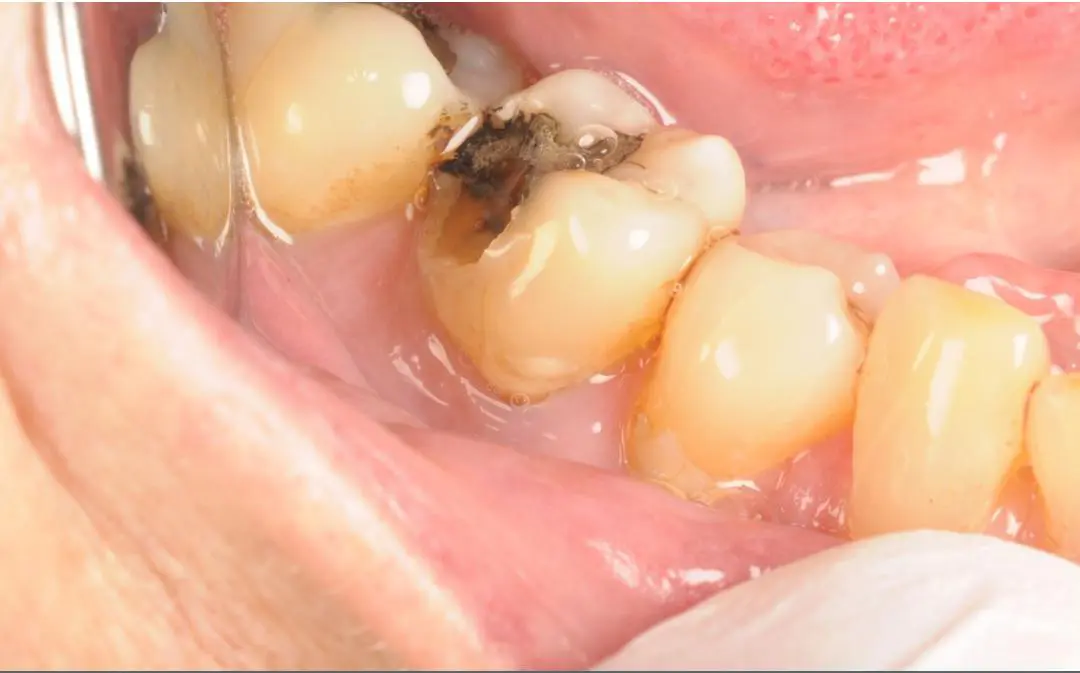
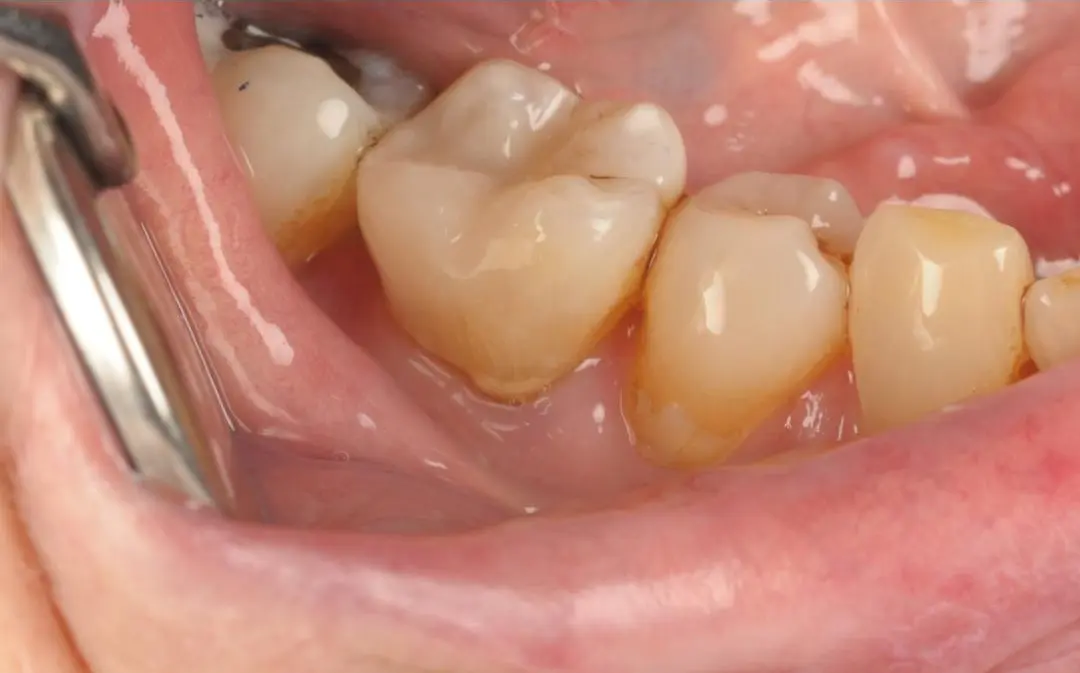
Real Patient Result: Emergency White Filling
Treatment by Dr Kamran
Symptoms That May Suggest Your Crown Is Cracked
Crowns do not always crack visibly or dramatically. In some cases, the damage may be microscopic or located in an area that is difficult to see at home. Some signs that may suggest a cracked crown include:
- Sensitivity to hot or cold: New or increased sensitivity around a crowned tooth may indicate that the protective seal has been compromised.
- Pain when biting or chewing: Discomfort upon biting down is a commonly reported symptom associated with cracked crowns or underlying tooth issues.
- A rough or sharp edge: Running your tongue across your crown and feeling an uneven surface may indicate a chip or crack.
- Visible damage: In some cases, a crack or fracture may be visible on inspection.
- Intermittent pain that is difficult to pinpoint: Cracked tooth syndrome — which can involve the crowned tooth or the underlying tooth — may present as unpredictable discomfort.
If you experience any persistent dental symptoms, it is advisable to seek a professional evaluation promptly. Our emergency dental service is available for patients experiencing sudden dental concerns in London.
When Professional Dental Assessment May Be Needed
Not every cracked crown will present with obvious pain, which is why regular dental check-ups are an important part of maintaining oral health. However, certain situations may suggest that a dental appointment should be arranged sooner rather than later:
- Persistent or worsening tooth sensitivity that does not resolve
- Pain when biting that is new or has become more noticeable
- Swelling around the gum near a crowned tooth, which may suggest an underlying infection
- A loose or dislodged crown, even if the tooth itself does not appear damaged
- Any visible crack in the crown material
It is important to note that dental symptoms and their causes cannot be accurately assessed without a clinical examination. A dentist will be able to evaluate the crown, the underlying tooth, and the surrounding tissue to determine the most appropriate course of action for your individual situation.
Prevention and Oral Health Advice
Whilst it is not always possible to prevent a crown from cracking entirely, there are practical steps that may help extend the lifespan of a restoration and support overall oral health:
- Wear a night guard if you grind your teeth: A custom-fitted occlusal splint can help reduce the forces placed on crowns and natural teeth during sleep.
- Avoid biting hard foods and objects: Be mindful of hard sweets, ice, and habits such as pen-chewing.
- Maintain a consistent oral hygiene routine: Brushing twice daily with fluoride toothpaste and flossing around the crown margins helps prevent decay at the crown edges.
- Attend regular dental check-ups: Routine examinations allow your dentist to monitor the condition of crowns and identify any early concerns before they develop further.
- Report any new symptoms promptly: Early assessment of changes in sensitivity or comfort around a crowned tooth can allow for timely management.
For patients concerned about tooth grinding, our team can provide guidance on bruxism and protective appliances.
Key Points to Remember
- A cracked crown can compromise the protective seal around the underlying tooth, potentially allowing bacteria to cause decay.
- Symptoms such as sensitivity, pain when biting, or a rough edge may suggest a crown has been damaged.
- Not all cracked crowns produce obvious pain — some damage may only be identified during a professional examination.
- Common causes include tooth grinding, biting hard foods, crown age, and physical trauma.
- Preventative measures such as wearing a night guard and attending regular check-ups can help protect crowns and the teeth beneath them.
- Professional dental assessment is always recommended for any concerns about a crown or changes in dental symptoms.
Frequently Asked Questions
Can a cracked crown cause tooth decay underneath it?
Yes, a cracked crown may allow bacteria and moisture to penetrate the space between the crown and the underlying tooth. This can lead to secondary decay, which can sometimes progress without producing significant pain — particularly if the tooth has previously had root canal treatment. Regular dental check-ups can help detect early signs of decay beneath a crown before the situation becomes more complex.
Is a cracked crown a dental emergency?
Whether a cracked crown constitutes a dental emergency depends on the extent of the damage and the symptoms present. If you are experiencing severe pain, swelling, or the crown has completely come loose, it is advisable to seek prompt dental advice. Minor chips without pain may not require immediate attention, but should still be assessed at your earliest convenience to prevent further complications.
Can the tooth under a crown become infected?
If decay develops beneath a cracked crown, it can, in some circumstances, progress to affect the inner pulp of the tooth, potentially leading to infection. Signs that may suggest an underlying infection include persistent toothache, sensitivity to temperature, swelling, or a bad taste. These symptoms should prompt a professional dental assessment. Treatment options, if required, would be determined following a thorough clinical examination.
How long do dental crowns typically last?
Dental crowns generally have a lifespan of approximately ten to fifteen years, though this varies considerably depending on the material used, the location of the crown in the mouth, oral hygiene practices, and habits such as tooth grinding. With good care and regular dental check-ups, some crowns may last longer. Your dentist can advise on the condition of existing crowns during routine appointments.
What will a dentist do about a cracked crown?
The management of a cracked crown depends on the extent of the damage and the condition of the underlying tooth. Options may include repairing minor chips, replacing the crown entirely, or — if the underlying tooth has been significantly affected — considering further restorative treatment. Treatment suitability is always determined following a clinical examination, and your dentist will discuss the options most appropriate for your individual circumstances.
Does a cracked crown always need to be replaced?
Not necessarily. In some cases, minor surface cracks or chips may be monitored or repaired without full replacement. However, if the structural integrity of the crown is compromised, if the underlying tooth shows signs of decay or damage, or if the crown's fit is affected, replacement is often the recommended course of action. A professional assessment is required to determine the most appropriate approach.
Conclusion
A cracked crown is more than a cosmetic concern. Because crowns serve as a protective barrier for the natural tooth structure beneath them, any damage to a crown has the potential to affect the health of the underlying tooth. Bacterial ingress, secondary decay, uneven biting forces, and, in some cases, deeper fractures are all considerations that underscore the importance of seeking professional dental advice when a crown is damaged.
Understanding the symptoms — including sensitivity, discomfort when biting, or a rough surface — can help you identify when an assessment may be needed. Equally important is maintaining preventative habits such as wearing a night guard, avoiding hard foods, and attending regular check-ups, all of which can help extend the lifespan of dental restorations.
If you have concerns about a crown or are experiencing dental symptoms, the most appropriate course of action is to arrange a professional dental evaluation. Dental symptoms and treatment options should always be assessed individually during a clinical examination.
Disclaimer: This article is intended for general educational purposes only and does not constitute personalised dental advice. Individual diagnosis and treatment recommendations require a clinical examination by a qualified dental professional.
Next Review Due: 12 October 2027