
A broken tooth can feel alarming — whether it happens during a meal, following a fall, or after biting down on something unexpectedly hard. One of the most common concerns people have after chipping or fracturing a tooth is whether the damage could lead to a more serious infection. Many patients in London search online after a dental injury, wondering whether their broken tooth could develop an abscess, and how quickly that might happen.
The short answer is that yes, under certain circumstances, a broken tooth can develop a dental abscess within a matter of days. Understanding why this happens, what symptoms to look out for, and when professional dental assessment is advisable, can help you make informed decisions about your oral health.
This article explains the relationship between a broken tooth and abscess formation, outlines the signs that may indicate an infection is developing, and provides practical guidance on maintaining your oral health following dental trauma.
Experiencing these symptoms?
Delaying treatment can lead to tooth loss. We have slots available today.
Featured Snippet: Can a Broken Tooth Develop an Abscess Within Days?
Yes, a broken tooth can develop a dental abscess within days. When a tooth fractures, bacteria can enter the exposed inner layers of the tooth — including the pulp — and cause a rapidly progressing infection. The speed of abscess formation depends on factors such as the severity of the break, pre-existing decay, and the individual's overall oral health.
What Happens Inside a Broken Tooth?
To understand how an abscess can develop so quickly, it helps to consider the anatomy of a tooth. Each tooth has three main layers: the outer enamel, the middle layer called dentine, and the innermost soft tissue known as the dental pulp. The pulp contains nerves, blood vessels, and connective tissue.
When a tooth breaks, the protective enamel — and sometimes the dentine — is compromised. If the fracture is deep enough, bacteria from the mouth can gain access to the pulp chamber. Once bacteria enter this tissue-rich environment, they can multiply rapidly. The immune system responds to the infection, and this inflammatory process is what eventually leads to the formation of an abscess — a pocket of pus that develops at the root tip or within the surrounding gum tissue.
Meet Dr. Yasha Shirazi
Principal Dentist at Emergency Dentist London
"We treat hundreds of dental emergencies every month. The sooner you come in, the easier the fix usually is."
Book an appointment with our team →The speed of this process is influenced by several factors, including how deep the fracture is, whether the tooth already had underlying decay or a previous large filling, and the individual's general health. In some cases, the infection can progress remarkably quickly — particularly in teeth that were already weakened prior to the fracture.
Recognising the Signs of a Dental Abscess
Being able to identify potential signs of an abscess following a broken tooth is important. While only a qualified dental professional can confirm a diagnosis following a clinical examination, there are several symptoms that may suggest an infection is developing.
Common signs include:
- Persistent or throbbing tooth pain that may radiate towards the jaw, ear, or neck
- Increased sensitivity to hot or cold temperatures
- Swelling of the gum, cheek, or jaw area
- A raised, pimple-like bump on the gum near the affected tooth
- An unpleasant taste in the mouth or bad breath that does not resolve with brushing
- Fever or general feelings of being unwell
- Difficulty chewing, swallowing, or opening the mouth fully
It is important to note that some individuals may experience minimal pain even when an infection is present, particularly if the dental pulp has become severely damaged. The absence of pain does not necessarily mean the tooth is free from infection.
If you experience swelling of the face or jaw, difficulty breathing or swallowing, or a high temperature alongside tooth pain, it is advisable to seek prompt medical or dental attention, as these symptoms may indicate the infection is spreading.
Why a Broken Tooth Can Become Infected So Quickly
The mouth contains hundreds of different species of bacteria. Under normal circumstances, healthy tooth enamel and gum tissue act as a barrier against these bacteria entering the deeper structures of the tooth. When a tooth fractures, even partially, this barrier is disrupted.
Hairline cracks — which are not always visible to the naked eye — can also allow bacterial entry over time, though a more significant fracture can accelerate this process considerably. Teeth that already have large fillings, existing decay, or have undergone previous root canal treatment may be more vulnerable, as their internal structures may already be compromised.
Once bacteria reach the pulp, infection can establish itself within 24 to 72 hours in some cases, particularly if the fracture is significant and oral hygiene is poor. This is why dental professionals emphasise the importance of having broken teeth assessed as soon as possible, even when pain appears mild or manageable in the early stages.
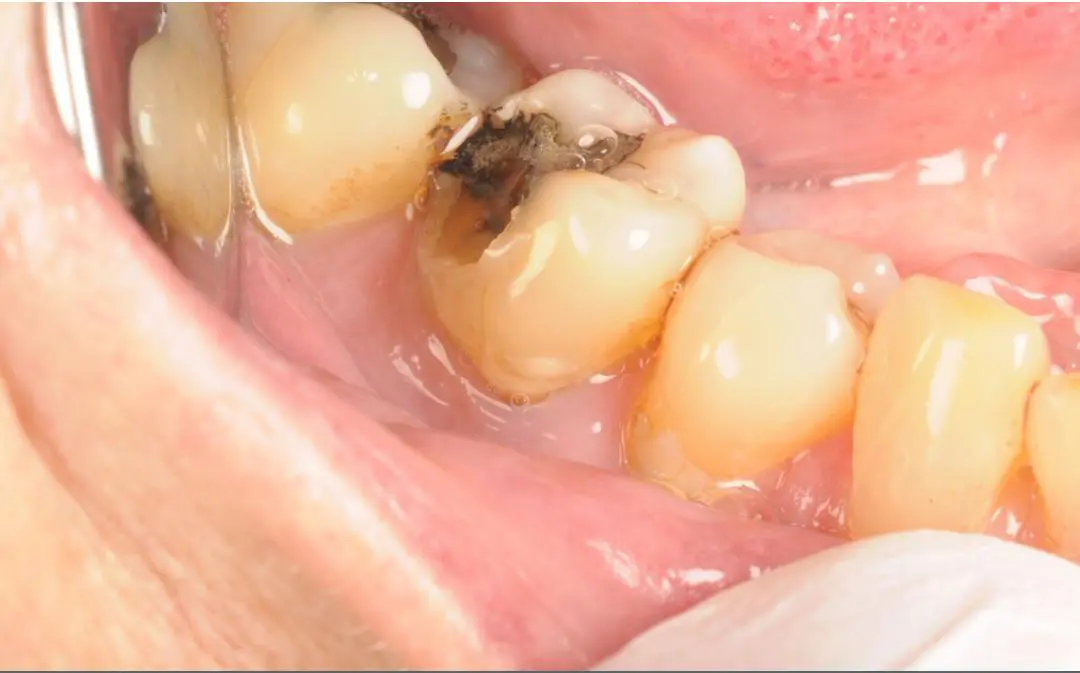
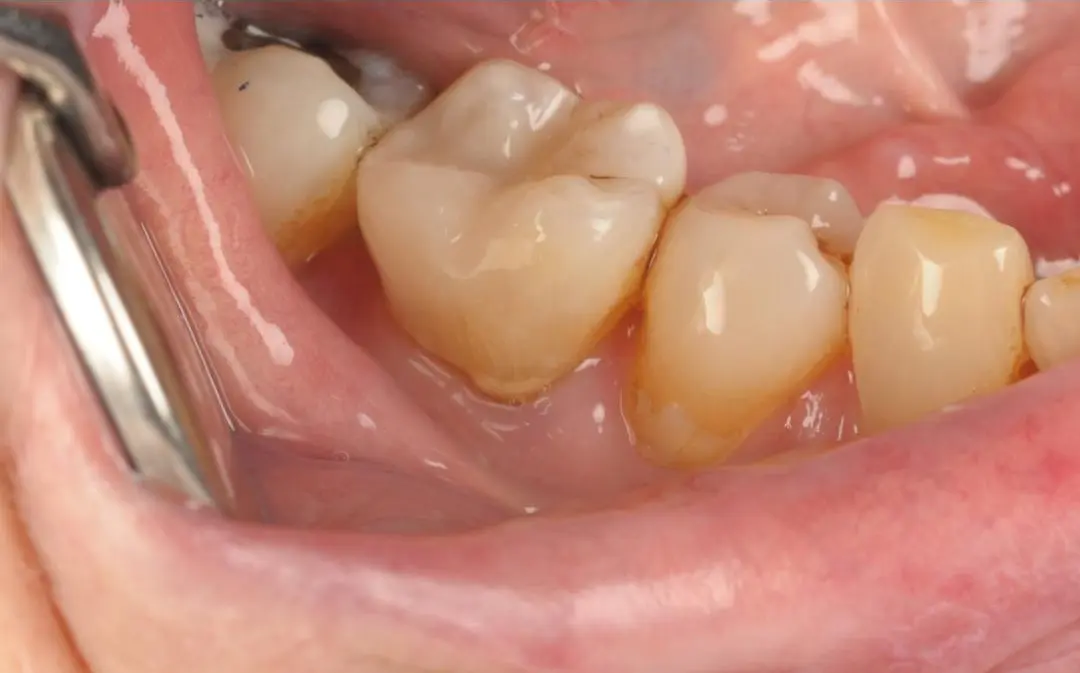
Real Patient Result: Emergency White Filling
Treatment by Dr Kamran
For further information on what to do following a dental injury, you may find it helpful to visit the emergency dental treatment page for guidance on seeking prompt care in London.
When to Seek Professional Dental Assessment
There are several situations following a broken tooth where professional dental evaluation would be appropriate:
- Immediately after a significant fracture, particularly if a large portion of the tooth is missing or the fracture appears deep
- If pain develops or worsens in the days following the break, even if initial discomfort seemed mild
- If you notice any swelling around the tooth, gum, or face
- If you develop a fever or feel generally unwell alongside dental symptoms
- If you notice a bad taste that persists despite good oral hygiene
- If sensitivity to temperature becomes severe or does not resolve
Dental symptoms and treatment options should always be assessed individually during a clinical examination. A dental professional will assess the nature of the fracture, evaluate the health of the pulp, and advise on appropriate next steps based on your individual clinical picture.
If you are concerned about a broken tooth and would like to understand your options, information about tooth pain and infection assessment is available to help guide you.
Treatment Considerations for an Abscessed Tooth
Treatment for a dental abscess resulting from a broken tooth depends on the extent of the infection and the condition of the remaining tooth structure. A dental professional will conduct a thorough examination — which may include dental X-rays — before recommending a treatment approach.
Treatment options that may be considered include:
- Antibiotics, which may be prescribed to help manage the spread of infection, though they do not resolve the underlying cause on their own
- Root canal treatment, which involves removing the infected pulp tissue, cleaning the canals, and sealing the tooth to prevent further infection — this can often allow the tooth to be retained
- Tooth extraction, which may be recommended if the tooth structure is too severely damaged to restore
- Drainage of the abscess, which a dental professional may perform to relieve pressure and discomfort
The most appropriate treatment will depend on a thorough clinical assessment. Suitability for any particular treatment varies from patient to patient, and outcomes cannot be guaranteed.
For those exploring restorative options following tooth damage, the restorative and tooth repair services page provides further background on approaches that may be available.
Prevention and Oral Health Advice
While dental injuries are not always preventable, several steps can help reduce the risk of a broken tooth developing complications:
- Attend regular dental check-ups, which allow your dentist to identify and address areas of weakness, decay, or existing damage before they progress
- Wear a mouthguard when participating in contact sports or activities with a risk of facial impact
- Avoid using your teeth as tools — opening packaging, biting hard objects, or chewing ice can all increase the risk of fractures
- Maintain good daily oral hygiene, including twice-daily brushing with fluoride toothpaste and regular interdental cleaning, to reduce the bacterial load in the mouth
- Seek prompt dental assessment following any dental trauma, regardless of whether significant pain is present
- Address tooth decay early — teeth weakened by decay are more susceptible to fracture and subsequent infection
Key Points to Remember
- A broken tooth can develop a dental abscess within days, particularly if the fracture is deep or the tooth is already weakened
- Bacteria from the mouth can enter the dental pulp through a fracture and establish an infection relatively quickly
- Symptoms of an abscess may include persistent pain, swelling, a bad taste, and fever — though symptoms can sometimes be subtle
- Prompt dental assessment following a broken tooth is advisable, even when initial pain appears mild
- Treatment options depend on the extent of the damage and infection, and are always determined following a clinical examination
- Good oral hygiene and regular dental check-ups can help reduce the risk of complications following dental injury
Frequently Asked Questions
How quickly can a broken tooth become infected?
In some cases, a broken tooth can begin to develop an infection within 24 to 72 hours, particularly if the fracture exposes the dental pulp. The speed of infection depends on factors including the depth of the fracture, whether existing decay is present, and individual oral health factors. Not every broken tooth will become infected — but prompt dental assessment is advisable to evaluate the risk and address the damage before any infection has a chance to establish.
Can a dental abscess resolve on its own without treatment?
A dental abscess does not resolve without professional dental treatment. While symptoms may temporarily improve — particularly if an abscess ruptures — the underlying infection will remain and may spread if left untreated. Antibiotics alone do not address the source of infection. Professional dental assessment is always recommended to determine the appropriate course of treatment and prevent the condition from worsening.
Is it always painful when a broken tooth becomes infected?
Not necessarily. Some individuals experience significant throbbing pain as an abscess develops, while others may have minimal discomfort — particularly if the nerve inside the tooth has been extensively damaged. A lack of pain does not confirm that a broken tooth is free from infection. Other signs such as swelling, a bad taste, or a raised bump on the gum may indicate that infection is present, and professional evaluation is always recommended following dental trauma.
What should I do immediately after breaking a tooth?
If you break a tooth, it is advisable to contact a dental practice as soon as possible to arrange an assessment. In the meantime, you may rinse your mouth gently with warm water, avoid eating on the affected side, and take over-the-counter pain relief if needed, following the manufacturer's guidance. If swelling develops, if you feel unwell, or if pain becomes severe, seek dental attention promptly. Keep any broken tooth fragments if you can, as your dentist may wish to examine them.
Can a broken tooth abscess spread to other areas?
Yes, in some circumstances a dental abscess can spread beyond the immediate area of the tooth. In more serious cases, the infection may extend to the jaw, neck, or other structures. While serious spreading infections are not common, they represent a significant health concern that requires urgent medical and dental attention. Symptoms such as facial swelling, difficulty swallowing or breathing, high fever, or swelling around the eye area should always be assessed promptly.
Does a broken tooth always need to be extracted if it becomes infected?
Not necessarily. Many teeth that have developed an abscess can be treated with root canal treatment, which involves removing the infected tissue and sealing the tooth. Whether a tooth can be retained depends on the extent of the structural damage, the severity of the infection, and other individual clinical factors. A dental professional will assess the tooth thoroughly and discuss the available options, helping you make an informed decision about your care.
Conclusion
A broken tooth is more than a cosmetic concern — it can create an open pathway for bacteria to enter the deeper structures of the tooth and lead to a dental abscess developing within a matter of days. Understanding the underlying process, recognising early warning signs, and seeking timely professional assessment are all important steps in protecting your oral and overall health.
The broken tooth and dental abscess connection is well established in dental science, and awareness of this risk can encourage more proactive responses to dental injury. Whether your tooth has fractured following trauma, biting on something hard, or due to an existing weakness, early evaluation by a dental professional gives you a strong opportunity to address the problem before it escalates.
Dental symptoms and treatment options should always be assessed individually during a clinical examination. If you are concerned about a broken tooth or any signs of dental infection, please do not delay in seeking professional dental advice.
Disclaimer: This article is intended for general educational purposes only and does not constitute personalised dental advice. Individual diagnosis and treatment recommendations require a clinical examination by a qualified dental professional.
Next Review Due: 23 October 2027