
Biting into something hard, taking an unexpected knock, or suddenly noticing a sharp edge on a tooth after a busy day at work — a broken tooth is one of those dental problems that can catch you completely off guard. For many people working in and around the City of London, the concern is not just the discomfort, but the practicality: where can you access evening dental repairs near St Paul's Station without having to take time off the following morning?
It is entirely understandable to search online for immediate guidance. Broken teeth can range from a small cosmetic chip to more significant structural damage, and understanding what has happened — and what your options may be — can help you feel calmer and more informed. This article explains the common causes of broken teeth, what symptoms may indicate that prompt professional assessment is advisable, and what evening dental treatment options may be available near St Paul's Station. As always, individual treatment suitability depends on a clinical examination by a qualified dentist.
Featured Snippet: What Should You Do If You Break a Tooth After Work?
If you have a broken tooth after work, rinse your mouth gently with warm water and avoid chewing on the affected side. Keep any broken fragments if possible. Evening dental repairs near St Paul's Station may be available through an emergency dental practice. A clinical assessment will determine the most appropriate treatment for your specific situation.
Experiencing these symptoms?
Delaying treatment can lead to tooth loss. We have slots available today.
Why Do Teeth Break? Common Causes Explained
Teeth are remarkably strong structures, but they are not indestructible. Several everyday factors can contribute to a tooth breaking or chipping, including:
- Biting on hard foods such as crusty bread, boiled sweets, ice, or unexpected stones in food
- Pre-existing dental work such as old fillings or crowns that have weakened the tooth's structure over time
- Tooth decay, which gradually softens the internal dentine and makes the outer enamel more susceptible to fracture
- Teeth grinding (bruxism), which many people do unknowingly during sleep and which can cause cumulative enamel erosion and cracking
- Trauma or impact, including a bump during sport, an accidental fall, or even the pressure of clenching during stress
For City workers who spend long hours at a desk — often unconsciously clenching their jaw — the risk of stress-related tooth damage is worth considering. Understanding the underlying cause is an important part of any dental assessment, as it helps inform the most appropriate longer-term management approach.
Understanding Tooth Anatomy: Why Structure Matters
To appreciate why a broken tooth may require prompt attention, it helps to understand how a tooth is constructed.
Meet Dr. Yasha Shirazi
Principal Dentist at Emergency Dentist London
"We treat hundreds of dental emergencies every month. The sooner you come in, the easier the fix usually is."
Book an appointment with our team →Each tooth is made up of several layers:
- Enamel — the hard, outer protective layer
- Dentine — a softer, more sensitive layer beneath the enamel
- Pulp — the innermost part containing nerves and blood vessels
- Cementum — the layer covering the tooth root below the gumline
When a tooth breaks, the extent of the damage depends on how deeply the fracture extends. A small chip confined to the enamel may cause minimal discomfort and primarily affect appearance. However, if the break reaches the dentine layer, you may notice sensitivity to hot, cold, or sweet foods. If the fracture extends to the pulp, there is a greater likelihood of pain, and assessment should be sought without unnecessary delay.
This is why no two broken teeth are identical, and why a clinical examination is essential before any treatment recommendation can be made.
Symptoms That May Suggest You Need Evening Dental Assessment
Not every broken tooth presents in the same way, and it is important not to assume the severity of damage based on symptoms alone. That said, some signs may indicate that seeking a professional assessment sooner rather than later would be advisable:
- Sharp or persistent pain when biting or chewing
- Sensitivity to hot or cold drinks that lingers for more than a few seconds
- A visible crack, chip, or rough edge that you can feel with your tongue
- Swelling around the affected tooth or gum
- A dull ache or throbbing sensation that does not resolve
- Difficulty closing your mouth comfortably
If you are experiencing any combination of these symptoms following a broken tooth, an emergency dental appointment may be the most appropriate next step. Evening appointments near St Paul's Station are specifically designed to accommodate patients who are unable to attend during standard working hours.
What Evening Dental Repairs May Involve
The treatment options available for a broken tooth depend entirely on the nature and extent of the damage identified during a clinical examination. Common approaches that a dentist may consider include:
Dental bonding — A tooth-coloured composite resin material may be applied and shaped to restore a chipped or broken edge. This is typically suitable for smaller fractures and can often be completed in a single appointment.
Dental crown — Where a tooth has sustained more significant damage, a crown (a cap fitted over the remaining tooth structure) may be recommended to restore function and protect the tooth.
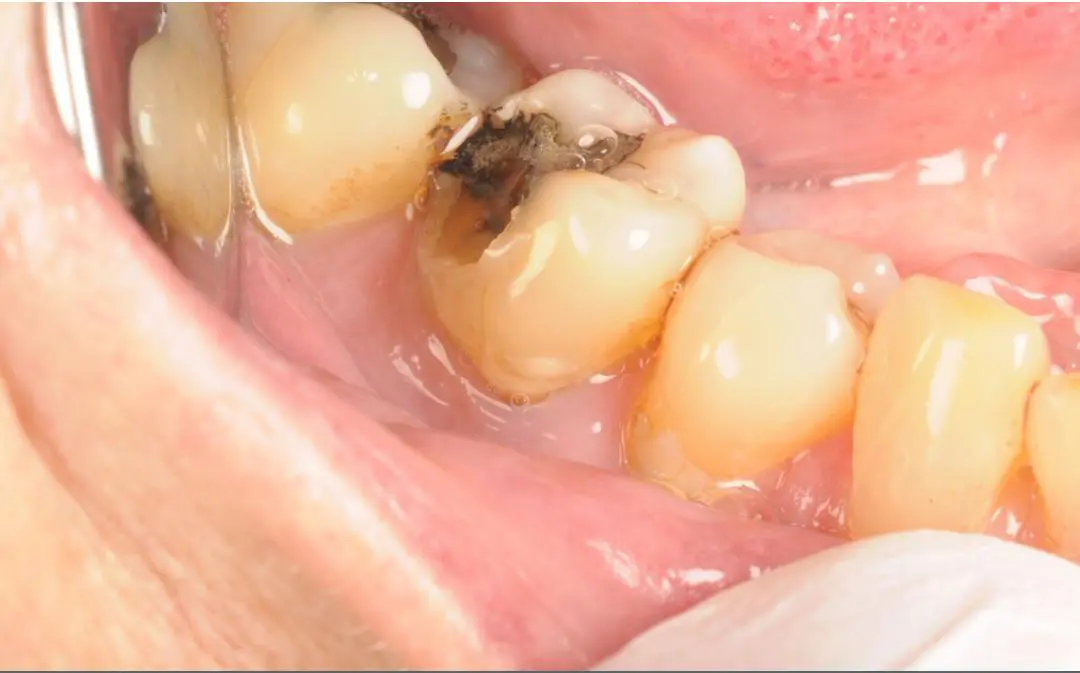
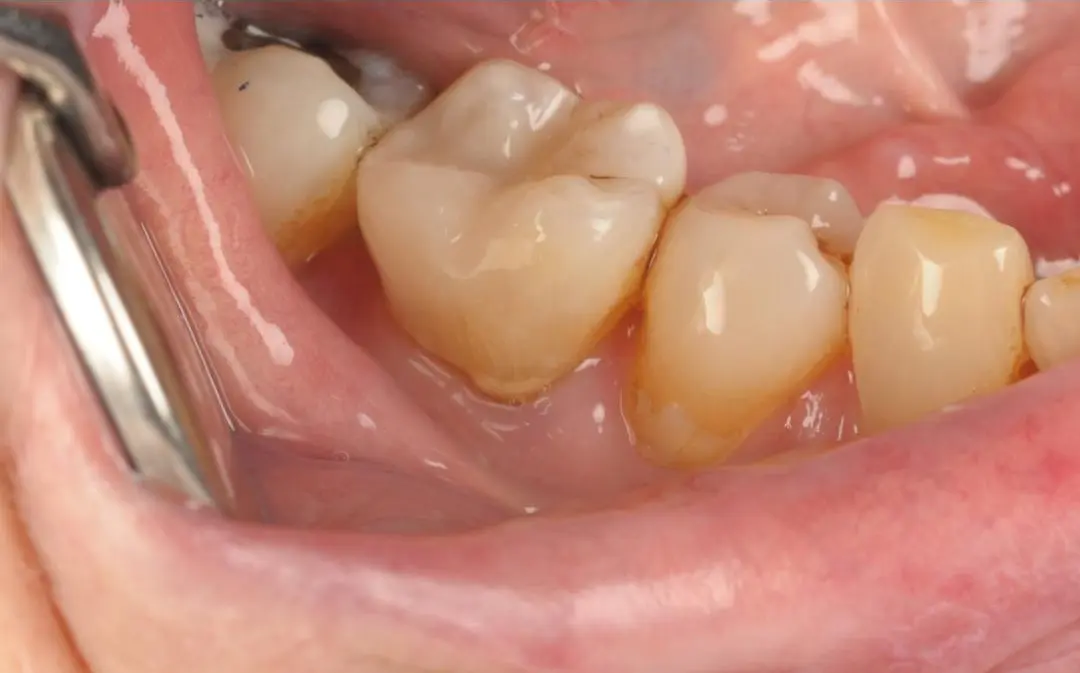
Real Patient Result: Emergency White Filling
Treatment by Dr Kamran
Dental veneer — For front teeth with cosmetic fractures, a porcelain veneer may be considered, though this is typically a planned rather than emergency treatment.
Root canal treatment — If the break has affected the pulp of the tooth, root canal treatment may be required to address the nerve and prevent infection before the tooth is restored.
Extraction — In cases where the tooth cannot be predictably restored, extraction may be the most clinically appropriate option, with tooth replacement discussed separately.
Your dentist will explain all relevant options following examination, so that you can make an informed decision about your care. If you are curious about restorative dental options, our dental crowns and restoration service provides further information.
Prevention and Oral Health Advice for Broken Teeth
While not every broken tooth can be prevented, there are practical steps that may help reduce your risk:
- Wear a custom mouthguard if you play contact sports or if your dentist has identified signs of grinding or clenching
- Attend regular dental check-ups so that weakened teeth, failing restorations, or early decay can be identified and managed before they lead to fracture
- Avoid using your teeth as tools — opening packaging, biting nails, or chewing pens can place unnecessary stress on tooth structure
- Be cautious with very hard foods, particularly if you have existing dental restorations
- Manage stress where possible, as jaw clenching associated with anxiety is a recognised contributor to tooth damage over time
- Maintain a consistent oral hygiene routine to reduce the risk of decay weakening your teeth from within
If your dentist has previously mentioned that any of your teeth show signs of wear or structural concern, following up on that advice promptly may help prevent more significant problems developing. You can learn more about protective dental appliances through our night guard and bruxism information page.
Key Points to Remember
- A broken tooth after work is a common dental concern that can often be addressed during an evening appointment near St Paul's Station
- The severity of a broken tooth depends on how deeply the fracture extends into the tooth's layers
- Symptoms such as persistent pain, sensitivity, or swelling may indicate that prompt professional assessment is advisable
- Treatment options range from simple dental bonding to crowns or, where necessary, root canal treatment — suitability depends entirely on a clinical examination
- Regular dental check-ups are one of the most effective ways to identify and manage tooth vulnerability before fractures occur
- Stress-related grinding and clenching is an underappreciated cause of tooth damage for many working adults
Frequently Asked Questions
Can a broken tooth repair itself?
No — unlike some other tissues in the body, tooth enamel and dentine do not regenerate or heal independently. Once a tooth has chipped or fractured, professional dental assessment and appropriate treatment are needed to restore the tooth's structure and prevent further damage. Leaving a broken tooth unaddressed may allow decay, sensitivity, or infection to develop over time, depending on the extent of the damage.
Is a broken tooth always painful?
Not necessarily. Small chips confined to the enamel may cause no pain at all and may only be noticed as a rough edge or change in appearance. However, when the fracture reaches the dentine or pulp, pain and sensitivity often develop. The absence of pain does not mean treatment is unnecessary, as the underlying tooth may still be vulnerable to further damage or infection.
How quickly should I seek treatment for a broken tooth?
This depends on your symptoms. If you are experiencing significant pain, swelling, or the fracture appears extensive, seeking an evening emergency dental appointment near St Paul's Station promptly is advisable. For a small, painless chip with no other symptoms, it is still worth arranging an assessment within a few days to allow your dentist to evaluate the damage and advise accordingly.
Will I need a full crown for a broken tooth?
Not always. The need for a crown depends on the extent of the fracture and the remaining tooth structure. Smaller chips may be successfully restored with dental bonding, which is a less invasive and often quicker option. Your dentist will assess the tooth clinically and explain which restorative approaches are most appropriate for your specific situation.
Can I eat normally with a broken tooth before my appointment?
It is generally advisable to avoid chewing on the affected side where possible, and to avoid very hard, sticky, or extremely hot or cold foods and drinks. This helps minimise the risk of extending the fracture or increasing discomfort before you are able to see a dentist. Eating soft foods on the other side of your mouth is usually manageable in the short term.
Are evening emergency dental appointments near St Paul's Station available on the same day?
Many emergency dental practices in the City of London offer same-day or next-day evening appointments for urgent dental concerns such as broken teeth. It is worth contacting the practice directly to check current availability. Providing clear information about your symptoms when you call will help the practice prioritise your appointment appropriately.
Conclusion
A broken tooth after work is a stressful experience, particularly when you are unsure how serious the damage may be or whether you can access care outside standard office hours. The reassuring reality is that evening dental repairs near St Paul's Station are available, and prompt assessment can make a meaningful difference to both your comfort and the long-term outlook for the affected tooth.
Understanding the anatomy of your tooth, recognising the symptoms that may warrant earlier attention, and being aware of your preventative options are all important aspects of maintaining good oral health. Whether your broken tooth requires a straightforward cosmetic repair or a more involved restorative approach, the right treatment can only be determined through a thorough clinical examination.
If you are experiencing discomfort or have noticed a change in your tooth after work this evening, do not hesitate to reach out to an emergency dental practice in the City of London. Dental symptoms and treatment options should always be assessed individually during a clinical examination.
Disclaimer: This article is intended for general educational purposes only and does not constitute personalised dental advice. Individual diagnosis and treatment recommendations require a clinical examination by a qualified dental professional.
Next Review Due: 13 November 2027
Disclaimer
This article is for general educational purposes only and does not constitute dental advice, diagnosis, or treatment. Every patient is different, so symptoms and treatment options should be assessed by a qualified dental professional during a clinical examination. No specific outcomes are guaranteed.