
If you have been experiencing a persistent, deep toothache or noticed tenderness around a specific tooth, you may have searched online to understand what could be causing your discomfort. Many patients look for answers when dental pain does not resolve on its own, particularly when it seems to involve more than just the tooth itself. One condition that frequently prompts these searches is apical periodontitis — an inflammatory condition that develops at the tip of a tooth's root, often as a result of infection spreading from within the tooth towards the surrounding jawbone.
Understanding the signs of apical periodontitis is important because, left unaddressed, this type of dental infection may progress and affect the bone and tissues that support your teeth. Recognising potential symptoms early can help you make informed decisions about seeking professional dental care. This article explains what apical periodontitis is, the signs that may suggest infection has reached the jawbone, how the condition develops, what treatment approaches a dentist may consider, and practical steps you can take to support your oral health. If you are experiencing any of the symptoms discussed, a clinical dental assessment is always the most appropriate next step.
What Is Apical Periodontitis?
Apical periodontitis is inflammation that occurs at the apex — the very tip — of a tooth's root. It is most commonly caused by a bacterial infection originating from within the tooth's pulp chamber. The pulp is the soft tissue inside the tooth that contains nerves and blood vessels. When bacteria enter this space, typically through deep decay, a crack, or trauma, the pulp tissue may become infected and eventually die. As the infection progresses, bacteria and inflammatory byproducts can travel through the root canal system and exit through the small opening at the root tip, known as the apical foramen.
Experiencing these symptoms?
Delaying treatment can lead to tooth loss. We have slots available today.
Once this happens, the infection begins to affect the periapical tissues — the ligament, bone, and soft tissue structures that surround and support the root of the tooth. The body's immune response to this bacterial invasion causes inflammation, which can lead to bone resorption around the root tip. This is the point at which many patients begin to notice symptoms, as the infection is no longer confined within the tooth but has started to involve the jawbone itself.
Apical periodontitis may present as either an acute condition with noticeable pain and swelling, or a chronic condition that develops more gradually and may sometimes produce fewer obvious symptoms.
How Does a Dental Infection Spread to the Jawbone?
Understanding how infection can move from within a tooth to the jawbone helps explain why early dental assessment matters. The process typically follows a recognisable pathway:
Meet Dr. Yasha Shirazi
Principal Dentist at Emergency Dentist London
"We treat hundreds of dental emergencies every month. The sooner you come in, the easier the fix usually is."
Book an appointment with our team →Stage 1 — Pulp Infection: Bacteria enter the tooth's pulp chamber, usually through untreated decay, a deep filling, or a fracture. The pulp tissue becomes inflamed (pulpitis) and, if left untreated, may become irreversibly damaged and die.
Stage 2 — Root Canal Infection: Once the pulp dies, bacteria proliferate within the root canal system. Without a blood supply, the body's immune defences cannot effectively reach the infection inside the tooth.
Stage 3 — Periapical Involvement: Bacteria and toxins exit through the apical foramen at the root tip, reaching the periapical tissues. The body responds with an inflammatory reaction, and the surrounding bone may begin to break down as the immune system attempts to contain the infection.
Stage 4 — Potential Further Spread: In some cases, if the infection is not managed, it may spread beyond the immediate periapical area into deeper jawbone structures, adjacent soft tissues, or form a dental abscess. This is why dentists take signs of apical periodontitis seriously during clinical examination.
It is worth noting that not every tooth infection will follow this exact progression at the same pace. Individual factors such as immune health, the specific bacteria involved, and the tooth's anatomy all play a role.
Signs and Symptoms of Apical Periodontitis
Recognising potential signs of apical periodontitis can help patients understand when professional dental assessment may be beneficial. Symptoms can vary depending on whether the condition is acute or chronic.
Acute Apical Periodontitis
- Spontaneous, throbbing pain that may be moderate to severe
- Pain when biting or chewing, often described as a feeling that the affected tooth sits slightly higher than the others
- Tenderness when pressing on the gum around the affected tooth
- Localised swelling of the gum tissue near the root tip
- Sensitivity to heat (though not always present)
- In more advanced cases, facial swelling or a raised temperature
Chronic Apical Periodontitis
- The tooth may produce little or no pain for extended periods
- A small, recurring pimple-like swelling (sinus tract) on the gum that may occasionally discharge
- A dull ache or sense of pressure around the affected tooth
- The condition may only be detected during a routine dental radiograph (X-ray), which may show a dark area around the root tip indicating bone loss
Chronic apical periodontitis can sometimes go unnoticed by patients for months or even years, which is one reason why regular dental examinations and radiographic assessments are valuable for detecting conditions that may not yet be causing obvious symptoms.
The Dental Science Behind Apical Periodontitis
To understand this condition more fully, it helps to know a little about tooth anatomy and the infection process at a cellular level.
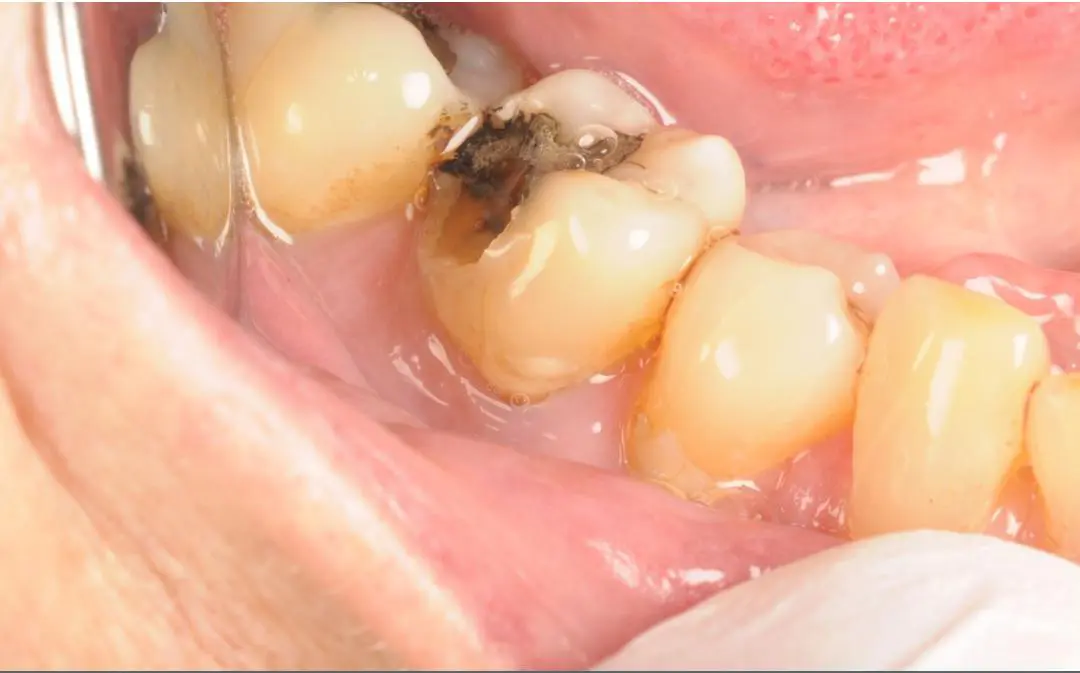
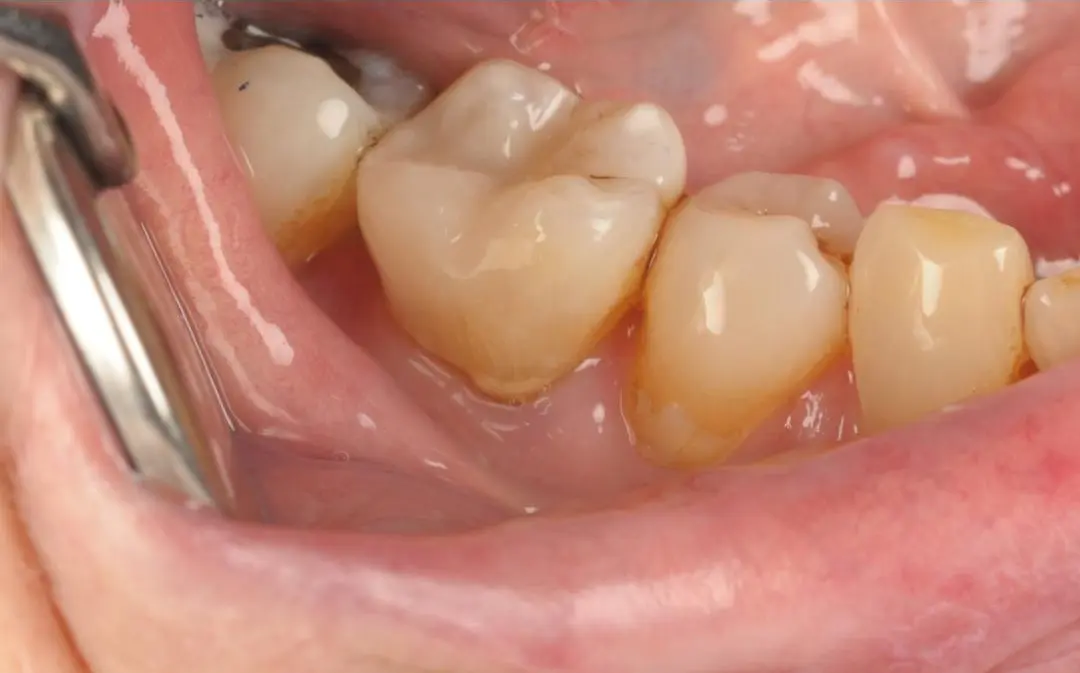
Real Patient Result: Emergency White Filling
Treatment by Dr Kamran
Each tooth consists of several layers. The outermost layer is enamel, the hardest substance in the human body, which protects the crown. Beneath the enamel is dentine, a slightly softer tissue that makes up the bulk of the tooth structure. At the centre lies the pulp, a living tissue containing blood vessels, nerves, and connective tissue. The pulp extends from the crown down through narrow channels — the root canals — to the root tip, where it communicates with the surrounding bone and tissues through the apical foramen.
When bacteria reach the pulp and the tissue dies, the root canal system effectively becomes a reservoir for bacterial growth. The body cannot clear this infection on its own because the dead pulp no longer has a functioning blood supply to deliver immune cells. As bacteria and their byproducts leak through the root tip, the immune system responds by sending white blood cells, inflammatory mediators, and other defence mechanisms to the periapical area.
This immune response, whilst protective in intent, causes localised bone destruction (known as periapical bone resorption). Over time, a periapical lesion — an area of damaged or destroyed bone — may form. On a dental radiograph, this typically appears as a dark, radiolucent area surrounding the root apex, indicating that the jawbone in that region has been affected by the ongoing infection and inflammation.
Treatment Approaches for Apical Periodontitis
Treatment for apical periodontitis aims to eliminate the source of infection and allow the periapical tissues and bone to heal. The most appropriate treatment will depend on the clinical findings during a thorough dental examination, and may include:
Root Canal Treatment
Root canal treatment is often considered the primary approach for managing apical periodontitis when the tooth is suitable for restoration. During this procedure, a dentist or endodontist removes the infected pulp tissue and bacteria from the root canal system, carefully cleans and shapes the canals, and seals them with a biocompatible filling material. By eliminating the source of infection from within the tooth, the periapical tissues are given the opportunity to heal, and bone regeneration around the root tip may occur over time.
Surgical Endodontics (Apicoectomy)
In cases where root canal treatment alone has not resolved the infection, or where the root tip anatomy is complex, a minor surgical procedure known as an apicoectomy may be considered. This involves accessing the root tip through the gum tissue, removing the infected portion of the root and surrounding tissue, and placing a small filling at the root end.
Extraction
If the tooth is severely damaged, has insufficient remaining structure for restoration, or the infection cannot be adequately managed through other means, tooth extraction may be recommended. Following extraction, options for replacing the missing tooth can be discussed during a consultation.
Antibiotics
Antibiotics are not a standalone treatment for apical periodontitis but may be prescribed alongside dental treatment in cases where infection has spread beyond the tooth, there is significant swelling, or the patient has systemic symptoms such as a raised temperature. Antibiotic use follows current prescribing guidelines to support responsible antimicrobial stewardship.
The suitability of any treatment approach depends entirely on individual clinical assessment and the specific circumstances of each patient.
When Professional Dental Assessment May Be Needed
Certain signs and symptoms may suggest that a dental evaluation would be beneficial. If you are experiencing any of the following, it may be worth arranging an appointment with a dentist:
- Persistent toothache that lasts more than a day or two, particularly if it is worsening
- Pain when biting down on a specific tooth
- Swelling of the gum around a particular tooth, especially if it feels warm or tender
- A pimple-like bump on the gum that appears, disappears, and reappears
- Facial swelling or swelling that seems to be spreading
- A tooth that has darkened in colour compared to neighbouring teeth
- A general feeling of being unwell accompanied by dental pain, particularly with a raised temperature
These symptoms do not necessarily confirm a diagnosis of apical periodontitis — other dental conditions can produce similar signs. However, they do indicate that something may require professional attention. A dentist can conduct a clinical examination, take appropriate radiographs, and carry out tests to determine the cause of your symptoms and discuss suitable options.
If you are experiencing dental pain that feels urgent or is accompanied by significant swelling, seeking a prompt dental assessment is particularly important.
Prevention and Oral Health Advice
Whilst it is not always possible to prevent every dental condition, there are practical steps that may help reduce the risk of developing apical periodontitis and other infections of the tooth and jawbone:
Maintain a thorough oral hygiene routine. Brushing twice daily with a fluoride toothpaste and cleaning between your teeth with interdental brushes or floss helps remove plaque and bacteria that can lead to tooth decay — the most common pathway through which infection reaches the pulp.
Attend regular dental check-ups. Routine examinations allow your dentist to detect early signs of decay, cracks, or failing restorations before they progress to involve the pulp. Radiographs taken during routine dental appointments may also reveal early periapical changes that have not yet produced symptoms.
Address dental problems promptly. If you notice a cavity, a chipped tooth, or sensitivity, arranging a dental appointment sooner rather than later may help prevent bacteria from reaching the inner structures of the tooth.
Protect your teeth from trauma. If you play contact sports, wearing a properly fitted mouthguard can reduce the risk of dental injuries that might damage the pulp.
Limit sugary foods and drinks. Reducing the frequency of sugar consumption helps minimise the acid attacks on your teeth that lead to decay.
Do not ignore previous dental work. Old fillings and crowns can deteriorate over time. If you notice a rough edge, a loose filling, or discomfort around a previously treated tooth, it is worth having it assessed.
Key Points to Remember
- Apical periodontitis is an inflammatory condition at the root tip of a tooth, most commonly caused by bacterial infection spreading from the pulp.
- Signs may include persistent toothache, pain when biting, gum swelling near the affected tooth, or in chronic cases, few noticeable symptoms at all.
- The condition can lead to bone loss around the root tip if the source of infection is not addressed through appropriate dental treatment.
- Root canal treatment is often the primary approach to managing the infection and preserving the tooth, though treatment suitability depends on individual clinical assessment.
- Regular dental check-ups and good oral hygiene are among the most effective measures for reducing the risk of pulp infection and apical periodontitis.
- If you are experiencing symptoms, seeking a professional dental assessment is always the recommended course of action.
Frequently Asked Questions
Is apical periodontitis the same as a dental abscess?
Apical periodontitis and a dental abscess are related but not identical conditions. Apical periodontitis refers to the inflammation at the tip of the tooth root caused by infection. A periapical abscess is a specific type of apical periodontitis in which pus accumulates around the root tip as a result of the body's immune response to the bacterial infection. In other words, an abscess may develop as a consequence of apical periodontitis, but not all cases of apical periodontitis involve abscess formation. Both conditions require professional dental assessment and appropriate management to address the underlying infection.
Can apical periodontitis heal on its own without treatment?
In general, apical periodontitis is unlikely to resolve without dental intervention. Because the source of the infection is typically within the tooth's root canal system — an area the body's immune system cannot effectively access — the bacteria will usually persist until they are removed through treatment such as root canal therapy or extraction. Chronic apical periodontitis may appear to settle into periods of minimal symptoms, but this does not mean the infection has cleared. The underlying condition often continues, potentially causing further bone loss over time. Professional dental assessment is recommended to determine the most appropriate course of action.
How is apical periodontitis diagnosed?
Diagnosis of apical periodontitis typically involves a combination of clinical examination and radiographic assessment. A dentist will evaluate the tooth by checking for tenderness to pressure, pain when tapping the tooth (percussion testing), and response to temperature or electric pulp testing to assess whether the pulp is still vital. Dental radiographs (X-rays) are particularly important, as they can reveal areas of bone loss around the root tip that are characteristic of periapical inflammation. In some cases, a cone beam computed tomography (CBCT) scan may provide more detailed three-dimensional imaging to support diagnosis and treatment planning.
Can apical periodontitis affect overall health?
There is growing research into the relationship between chronic dental infections and general health, though this remains an evolving area of study. Chronic infection anywhere in the body, including the mouth, prompts an ongoing immune response that contributes to systemic inflammation. Some studies have explored potential associations between chronic dental infections and conditions such as cardiovascular health, though definitive causal links are still being investigated. What is well established is that managing dental infections promptly supports both oral and general wellbeing. If you have concerns about how a dental condition may be affecting your health, discussing this with both your dentist and GP may be helpful.
How long does recovery take after treatment for apical periodontitis?
Recovery timelines vary depending on the severity of the infection, the treatment carried out, and individual healing factors. Following root canal treatment, some patients experience mild tenderness for a few days, which typically settles with standard over-the-counter pain relief. Healing of the periapical bone lesion, however, is a gradual process that may take several months to over a year. Your dentist will usually arrange follow-up appointments and radiographs at appropriate intervals to monitor healing progress. Each patient's experience is different, and your treating dentist can provide guidance based on your specific clinical situation.
Is apical periodontitis common?
Apical periodontitis is one of the more frequently encountered conditions in dental practice. Studies suggest that a significant proportion of adults have at least one tooth with periapical inflammation, though many of these cases may be chronic and asymptomatic. The prevalence tends to increase with age, partly because older adults are more likely to have teeth with previous restorations, root canal treatments, or accumulated exposure to decay and trauma over time. Regular dental examinations remain one of the most effective ways to detect and manage the condition, particularly in its earlier stages before significant bone changes develop.
Conclusion
Apical periodontitis is a common dental condition in which infection originating from within a tooth spreads to the tissues and bone surrounding the root tip. Understanding the signs of apical periodontitis — from persistent toothache and biting sensitivity to gum swelling and, in chronic cases, subtle or absent symptoms — can help patients recognise when professional dental assessment may be appropriate.
The condition develops because bacteria within an infected or dead tooth pulp travel through the root canal system to the apex, triggering an inflammatory response that can result in jawbone resorption and, in some cases, abscess formation.
Whilst the condition can sometimes progress with minimal symptoms, prompt professional assessment remains essential. Root canal treatment or extraction are the most commonly considered approaches, and the suitability of any treatment depends on a thorough individual clinical examination.
Maintaining good oral hygiene, attending regular dental check-ups, and seeking timely advice when dental symptoms arise are among the most effective ways to support long-term oral health and reduce the risk of complications associated with periapical infection.
Dental symptoms and treatment options should always be assessed individually during a clinical examination.
Disclaimer
This article is for general educational purposes only and does not constitute professional dental advice, diagnosis, or treatment. Every patient's circumstances are unique; dental symptoms and treatment options should always be assessed during a clinical examination by a qualified dental professional. No specific outcomes are guaranteed. This content has been prepared in line with GDC, CQC, ASA CAP Code, and GMC communication standards. If you have concerns about your oral health, please contact a registered dentist.