
Losing a dental crown can be both alarming and uncomfortable, leaving many patients wondering what went wrong with their treatment. Crown failure is more common than many people realise, with underlying tooth decay being one of the primary causes. When a crown falls off, it often reveals underlying dental issues that have developed since the original treatment.
Understanding why dental crowns fail helps patients recognise early warning signs and take appropriate action. Crown displacement can occur for various reasons, including decay underneath the crown, cement failure, structural damage, or changes in the underlying tooth structure. The experience can be particularly concerning when it happens unexpectedly, especially if the crown had been in place for many years without problems.
This article explains the common causes of crown failure, with particular focus on decay underneath crowns, and discusses what patients should know about prevention and treatment options. Recognising the signs of crown problems early allows for timely assessment by a dental professional. Treatment suitability and outcomes depend on individual clinical assessment.
Experiencing these symptoms?
Delaying treatment can lead to tooth loss. We have slots available today.
Why Do Dental Crowns Fall Off?
Dental crowns typically fall off due to decay developing underneath the crown, cement failure, or structural changes in the underlying tooth. Decay underneath a crown is often the primary cause, as bacteria can infiltrate the margins where the crown meets the natural tooth, leading to progressive deterioration of the tooth structure and weakening of the crown's attachment.
Common Causes of Crown Failure
Several factors can contribute to crown displacement, with decay underneath being the most frequent culprit. When bacteria penetrate the seal between the crown and tooth, they create an environment where decay can flourish undetected. This hidden decay gradually weakens the tooth structure that supports the crown.
Cement failure represents another common cause, particularly in older crowns where the dental cement has deteriorated over time. Modern dental cements are highly durable, but they can still break down due to age, excessive force, or exposure to acids from food and bacteria.
Meet Dr. Yasha Shirazi
Principal Dentist at Emergency Dentist London
"We treat hundreds of dental emergencies every month. The sooner you come in, the easier the fix usually is."
Book an appointment with our team →Structural changes in the underlying tooth can also lead to crown failure. Root canal treated teeth may become more brittle over time, whilst teeth with large restorations may experience fractures that compromise the crown's stability. Additionally, changes in bite patterns or grinding habits can place excessive stress on crowns, leading to loosening or displacement.
Poor oral hygiene around crown margins creates conditions favourable for bacterial growth, increasing the risk of decay and gum disease that can affect crown retention.
Understanding Decay Underneath Crowns
Decay underneath dental crowns develops when bacteria access the space between the crown and natural tooth structure. This process begins at the crown margins, where the restoration meets the tooth surface. Even well-fitted crowns can develop microscopic gaps over time, allowing bacterial infiltration.
The decay process underneath crowns often progresses silently, as the crown masks visual signs of deterioration. Bacteria produce acids that dissolve tooth enamel and dentine, creating cavities that weaken the tooth's structural integrity. As decay advances, it compromises the crown's retention and may extend toward the tooth's pulp.
Saliva and food particles can also penetrate loose crown margins, providing nutrients for bacterial growth. The enclosed environment underneath a loose crown creates ideal conditions for anaerobic bacteria, which thrive in oxygen-poor environments and often produce more aggressive forms of decay.
Secondary decay, as it's clinically termed, can develop even in teeth that were previously free from cavities. The margins of dental restorations are particularly vulnerable areas where plaque accumulation and bacterial activity can occur despite regular brushing and flossing.
Signs and Symptoms to Watch For
Several warning signs may indicate problems with crown integrity before complete failure occurs. Sensitivity when consuming hot, cold, or sweet foods often suggests that bacteria have penetrated the crown margins and are affecting the underlying tooth structure.
A loose-feeling crown that moves slightly when touched or during chewing requires prompt attention. This mobility often indicates that the cement bond has weakened or that underlying decay has progressed sufficiently to affect retention.
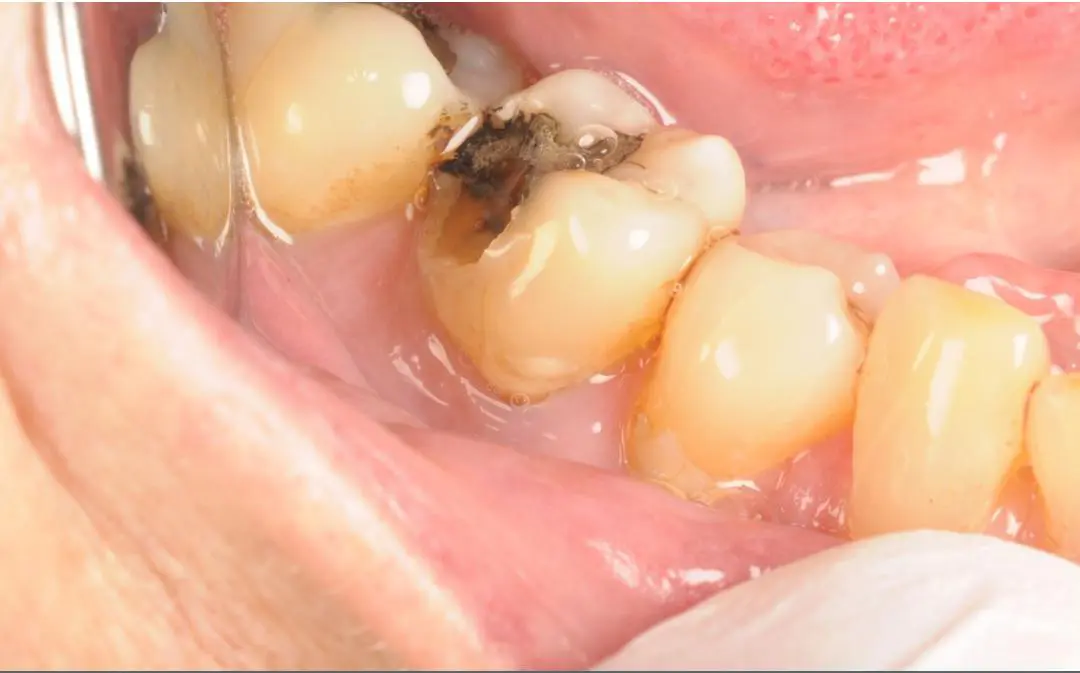
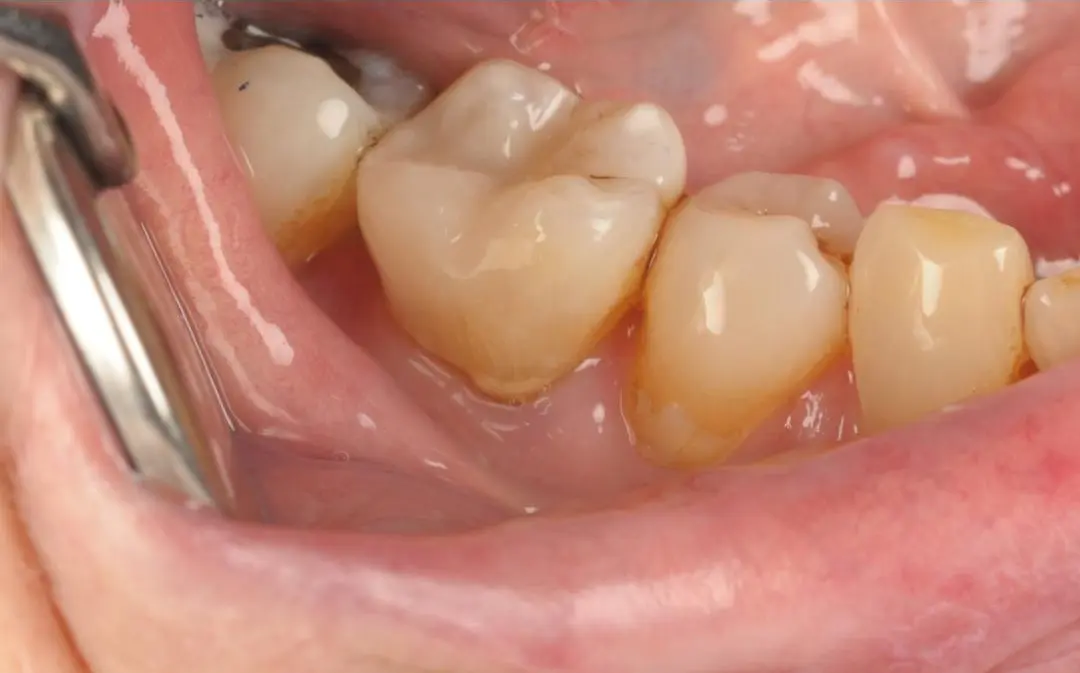
Real Patient Result: Emergency White Filling
Treatment by Dr Kamran
Bad taste or odour around the crown area may signal bacterial activity and possible infection. Food getting trapped around the crown more frequently than usual can indicate that the margins have become loose or that the crown no longer fits properly.
Pain when biting or chewing may suggest that the underlying tooth structure has been compromised. However, some patients experience no symptoms until the crown actually falls off, particularly when decay progresses slowly over time.
Visual changes such as dark lines at the gum margin or visible decay around the crown edges warrant professional assessment, as these signs often indicate more extensive underlying problems.
When Professional Dental Assessment May Be Needed
Dental evaluation may be appropriate when experiencing any signs of crown problems or after crown displacement occurs. A loose or fallen crown requires prompt attention to prevent further damage to the underlying tooth and to assess the extent of any decay present.
Pain, swelling, or signs of infection around a crowned tooth indicate the need for urgent dental assessment. These symptoms may suggest that decay has progressed to affect the tooth's pulp or that periodontal problems have developed.
If a crown falls off, keeping it safe and seeking dental advice quickly helps preserve treatment options. The underlying tooth may be sensitive and vulnerable to further damage without the crown's protection.
Regular dental check-ups allow for early detection of crown problems through clinical examination and radiographic assessment. Professional monitoring can identify issues before they progress to crown failure, potentially preserving both the restoration and underlying tooth.
Treatment Options After Crown Loss
Treatment approaches depend on the condition of the underlying tooth and the extent of any decay present. If the tooth structure remains sound and decay is minimal, the original crown may potentially be recemented after thorough cleaning and assessment.
When significant decay is present, root canal treatment may be necessary to remove infected pulp tissue before crown replacement. This approach can often preserve the natural tooth structure and provide a foundation for a new restoration.
Extensive decay may require additional restorative work, such as post and core build-up, to create adequate tooth structure for crown retention. In cases where decay has severely compromised the tooth, severe toothache treatment pathways followed by replacement options such as dental implants might be considered.
New crown fabrication typically follows decay removal and any necessary preparatory treatment. Modern materials and techniques can provide excellent durability and aesthetics for crown replacement.
The timing of treatment influences outcomes, with prompt attention often preserving more treatment options and potentially reducing the complexity of required procedures. Immediate self-care advice is covered in this guide for a lost crown while eating.
Prevention Strategies
Maintaining excellent oral hygiene around crown margins represents the most effective prevention strategy. Careful brushing along the gum line where crowns meet natural teeth helps remove plaque that can harbour decay-causing bacteria.
Regular flossing around crowned teeth requires particular attention to clean the areas where traditional brushing cannot reach effectively. Interdental cleaning aids such as floss threaders or water flossers may be helpful for cleaning around crown margins.
Avoiding habits that place excessive stress on crowns, such as chewing ice, hard sweets, or using teeth as tools, helps preserve crown integrity. Night guards may benefit patients who grind or clench their teeth, protecting both crowns and natural teeth from excessive forces.
Routine dental examinations allow for professional assessment of crown condition and early detection of any problems. Professional cleaning helps maintain optimal oral health around restorations and reduces the risk of decay development. If your crown still feels loose, this article on crown cement washing out and recement options explains what to do next.
Limiting frequent consumption of sugary or acidic foods and drinks helps reduce the bacterial activity that can lead to decay around crown margins.
Long-term Crown Maintenance
Understanding that dental crowns require ongoing care helps ensure their longevity and function. Even well-made crowns benefit from regular professional assessment to monitor their condition and the health of surrounding tissues.
Modern dental crowns can provide many years of service when properly maintained, but they are not permanent fixtures. Factors such as normal wear, changes in oral conditions, and the natural aging process can affect crown performance over time.
Establishing a relationship with a dental practice for regular lost crown repair support provides access to prompt treatment if crown problems develop. Early intervention may allow for more conservative treatment options, though outcomes depend on individual clinical circumstances.
Being aware of changes in crowned teeth, such as increased sensitivity or altered appearance, enables patients to seek appropriate care before minor issues become major problems.
Key Points to Remember
• Decay underneath crowns is often the primary cause of crown failure
• Regular oral hygiene around crown margins helps prevent bacterial infiltration
• Early warning signs include sensitivity, loose feeling, or bad taste around crowns
• Prompt dental assessment after crown loss preserves more treatment options
• Professional monitoring during routine check-ups can detect problems early
• Modern treatment techniques may be able to restore function after crown failure, though treatment options depend on individual clinical assessment
Frequently Asked Questions
Can a crown be put back on if it falls off?
Whether a crown can be recemented depends on its condition and the state of the underlying tooth. If both the crown and tooth remain undamaged and no significant decay is present, recementation may be possible after thorough cleaning and assessment. However, many cases require new crown fabrication, particularly if decay was the cause of the original failure.
How long should a dental crown last before falling off?
Well-made and properly maintained dental crowns typically last 10-15 years or longer. However, their longevity depends on factors such as oral hygiene, diet, grinding habits, and the health of the underlying tooth. Some crowns may last decades with good care, whilst others may require replacement sooner due to wear, decay, or structural changes.
Is it painful when a crown falls off?
Crown loss may or may not cause immediate pain, depending on the underlying tooth condition. Some patients experience sensitivity to temperature or pressure due to exposed tooth structure, whilst others feel minimal discomfort. Pain often indicates that decay or infection has affected the tooth's pulp, requiring more extensive treatment than simple crown replacement.
What should I do immediately after my crown falls off?
Keep the crown safe and clean, avoiding hard or sticky foods on the affected tooth. Contact your dental practice promptly to arrange assessment, as the exposed tooth may be vulnerable to further damage. Temporary dental cement from pharmacies may provide short-term protection, but professional evaluation should not be delayed.
Can poor oral hygiene cause crowns to fall off?
Yes, inadequate oral hygiene around crown margins can lead to decay development underneath the crown, ultimately causing failure. Bacterial plaque accumulation creates acids that can penetrate crown margins and decay the underlying tooth structure. Regular brushing, flossing, and professional cleaning help prevent this deterioration.
Will my insurance cover crown replacement after failure?
Insurance coverage for crown replacement varies depending on policy terms and the reason for failure. Some policies may cover replacement after a certain number of years, whilst others may not cover failure due to poor oral hygiene or accidents. Checking with your insurance provider helps clarify coverage before treatment begins.
Related Emergency Dental Guides
- Metallic Taste In Mouth Sign Of Leaking Filling
- Sharp Tooth Edge Cutting Tongue Polish Smooth
- Distortion From Glue Creates Rough Edge That Cuts Tongue
Related Emergency Dental Guides
Conclusion
Crown failure due to underlying decay represents a common dental concern that can often be prevented through proper oral hygiene and regular professional care. Understanding the causes and warning signs of crown problems enables patients to seek appropriate treatment before minor issues develop into complex dental emergencies.
The success of crown replacement depends largely on early intervention and the extent of any underlying damage. Modern dental techniques may be able to restore function after crown failure, though treatment options depend on individual clinical assessment.
Maintaining excellent oral health around dental restorations requires ongoing attention to cleaning techniques and regular professional assessment. Patients who invest in preventive care typically experience fewer crown complications and enjoy longer-lasting dental restorations.
Dental symptoms and treatment options should always be assessed individually during a clinical examination.
Disclaimer
This article is for general information only and is not dental advice.
It does not replace an in-person examination, diagnosis, or treatment plan by a qualified dental professional.
Symptoms, suitability, risks, and outcomes vary between patients and must be assessed individually.
Do not delay seeking professional care if you have pain, swelling, bleeding, trauma, or other urgent symptoms.
Any fees or treatment examples are indicative and confirmed only after clinical assessment and a written treatment plan.