
Severe tooth pain can be one of the most distressing experiences, often striking without warning and leaving you unsure about where to turn for help. Many people in London find themselves searching online in the middle of the night, wondering whether their dental pain warrants a trip to A&E or whether they should wait to see a dentist.
It is a common dilemma. When you are in significant pain, it can be difficult to think clearly about the most appropriate course of action. Understanding when to go to A&E for severe tooth pain — and when an emergency dentist may be a more suitable option — can help you make an informed decision during a stressful moment.
This article explains the circumstances in which A&E attendance may be necessary, the situations where an emergency dental appointment is likely more appropriate, and how to manage dental pain while waiting for professional care. Please note that this article is for general informational purposes only and does not constitute clinical advice. Treatment suitability depends on individual clinical assessment. Knowing the difference can help you receive the right treatment more quickly and avoid unnecessary delays.
Experiencing these symptoms?
Delaying treatment can lead to tooth loss. We have slots available today.
When Should You Go to A&E for Severe Tooth Pain?
You should go to A&E for severe tooth pain when you experience symptoms that suggest a serious medical emergency, such as significant facial swelling affecting your breathing or swallowing, uncontrolled bleeding following dental trauma, or signs of a spreading infection including fever and difficulty opening your mouth. For most dental pain without these emergency signs, an emergency dentist is typically more appropriate.
Understanding Dental Pain: Why Tooth Pain Can Be So Intense
Tooth pain is widely regarded as one of the most intense forms of pain a person can experience, and there is a clear clinical reason for this. Each tooth contains a soft tissue centre called the dental pulp, which houses a dense network of nerves and blood vessels. This pulp sits within a rigid structure — the hard enamel and dentine layers of the tooth — meaning there is very little room for swelling or inflammation.
When the pulp becomes irritated or infected, the resulting inflammation creates pressure within this confined space. Unlike soft tissue elsewhere in the body, which can swell outward, the pulp has nowhere to expand. This compression of the nerve fibres produces the sharp, throbbing, and often relentless pain that many patients describe.
Meet Dr. Yasha Shirazi
Principal Dentist at Emergency Dentist London
"We treat hundreds of dental emergencies every month. The sooner you come in, the easier the fix usually is."
Book an appointment with our team →The nerve supply to the teeth connects to the trigeminal nerve, one of the largest and most sensitive cranial nerves. This is why dental pain can sometimes radiate across the jaw, up to the ear, or around the eye — making it feel as though the pain is coming from multiple areas at once. Understanding this can help explain why tooth pain feels so overwhelming and why patients understandably seek urgent help.
Situations Where A&E May Be Appropriate
Accident and Emergency departments are designed to treat medical emergencies that pose a risk to life or serious harm. While most dental pain, however severe, is best managed by a dentist, there are specific circumstances where attending A&E is the right decision.
Facial Swelling Affecting Breathing or Swallowing
If swelling around your jaw, throat, or face is making it difficult to breathe, swallow, or open your mouth fully, this could indicate a serious spreading infection. Conditions such as Ludwig's angina — a severe infection of the floor of the mouth — can compromise the airway and require immediate hospital treatment. This is a genuine medical emergency.
Uncontrolled Bleeding
If you have experienced dental trauma, such as a blow to the face, and bleeding cannot be controlled after 15"–20 minutes of sustained pressure, A&E assessment may be necessary. This is particularly important if the bleeding is associated with a suspected jaw fracture or other facial injuries.
Signs of Systemic Infection
A high fever, rapid heart rate, confusion, or feeling generally very unwell alongside dental pain may suggest that an infection is spreading beyond the tooth. In these cases, hospital assessment is appropriate to rule out sepsis or other serious complications.
Facial Trauma
If severe tooth pain follows an accident or injury involving potential fractures to the jaw or facial bones, A&E is the appropriate first point of contact as imaging and specialist assessment may be required.
When an Emergency Dentist Is More Appropriate Than A&E
For the majority of dental pain situations — even those that feel extremely urgent — an emergency dentist is better equipped to provide effective treatment. A&E departments generally do not have dental equipment, dental practitioners, or the facilities to perform procedures such as fillings, extractions, or root canal treatments.
What A&E Can and Cannot Do for Tooth Pain
When patients attend A&E with dental pain, the typical outcome is a prescription for painkillers and antibiotics (if infection is suspected), along with advice to see a dentist as soon as possible. While this can provide temporary relief, it does not address the underlying cause of the pain.
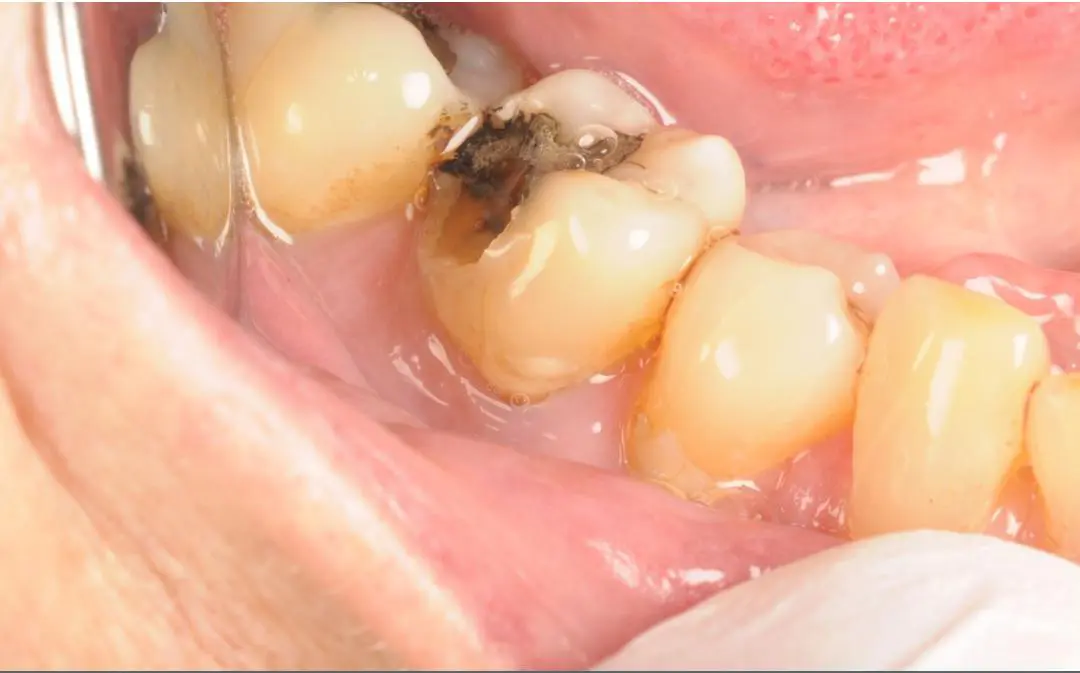
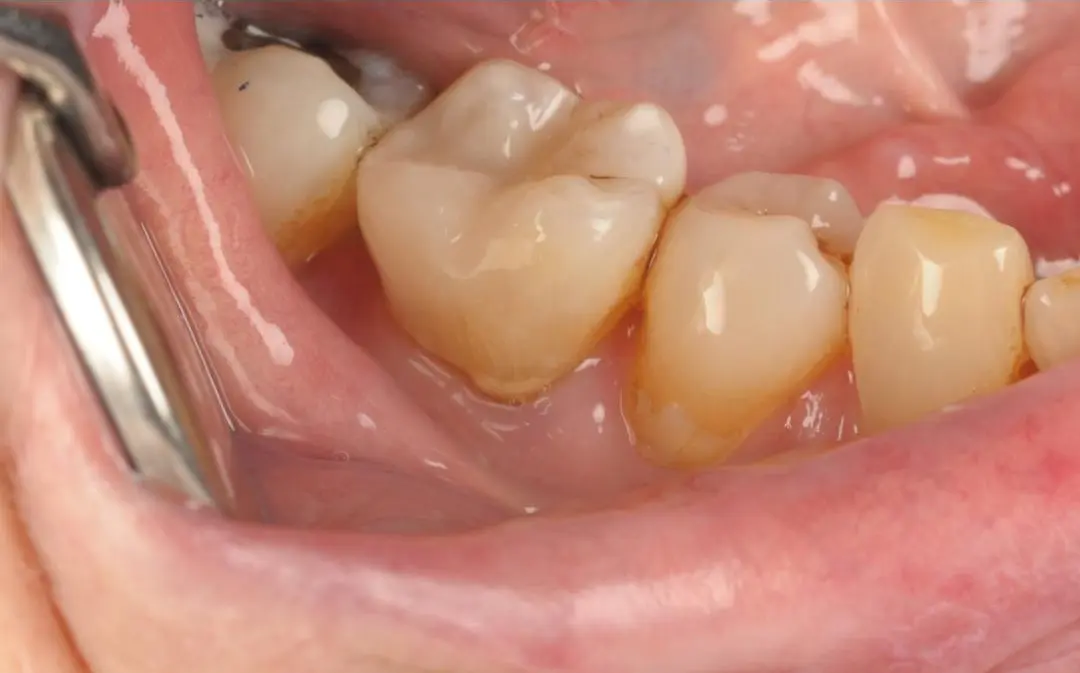
Real Patient Result: Emergency White Filling
Treatment by Dr Kamran
An emergency dentist, by contrast, can:
- Examine the tooth and take dental X-rays
- Identify the specific cause of the pain
- Provide targeted treatment such as drainage of an abscess, temporary fillings, or extraction if necessary
- Prescribe appropriate medication based on a dental diagnosis
Common Dental Emergencies Suited to an Emergency Dentist
- Severe toothache without facial swelling
- A broken or cracked tooth
- A lost filling or crown
- A dental abscess with localised swelling
- A knocked-out or loose tooth following minor trauma
In London, same-day emergency dental appointments are often available, meaning you may be seen and treated more quickly than waiting in A&E for a non-life-threatening condition.
Common Causes of Severe Tooth Pain
Understanding what may be causing your pain can help you communicate more effectively with a dental professional when you seek care. Several conditions can produce intense dental pain.
Dental Abscess
A dental abscess is a collection of pus caused by a bacterial infection. It can develop at the tip of a tooth root (periapical abscess) or in the gum tissue beside the root (periodontal abscess). Abscesses often cause throbbing pain, sensitivity to temperature, swelling, and sometimes a bad taste in the mouth. Without appropriate treatment, the infection may spread to surrounding tissues.
Irreversible Pulpitis
When the dental pulp becomes severely inflamed — often due to deep decay, repeated dental procedures, or trauma — the condition may reach a point where the pulp cannot recover. This is known as irreversible pulpitis and typically produces intense, lingering pain that may wake you at night and is often poorly responsive to over-the-counter painkillers.
Cracked Tooth Syndrome
A crack in a tooth can cause sharp pain when biting or chewing, particularly when releasing the bite. The pain can be intermittent and difficult to localise, making it a frustrating condition for patients. If the crack extends into the pulp, the pain may become constant.
Pericoronitis
This condition involves inflammation of the gum tissue surrounding a partially erupted tooth, most commonly a lower wisdom tooth. It can cause significant pain, swelling, difficulty opening the mouth, and sometimes a low-grade fever. You can learn more about wisdom tooth pain and treatment options on our dedicated page.
Managing Tooth Pain at Home Before Your Appointment
While home remedies are not a substitute for professional dental care, there are steps you may take to manage discomfort while waiting to be seen.
Over-the-Counter Pain Relief
Ibuprofen (an anti-inflammatory) and paracetamol are commonly used for dental pain. Some patients find alternating between the two — taking each at staggered intervals — provides better relief than either alone. Always consult a pharmacist or medical professional before combining medications, particularly if you are pregnant, breastfeeding, under 16, or have any existing health conditions. Always follow the dosage instructions on the packaging.
Cold Compress
Applying a cold pack wrapped in a cloth to the outside of the cheek for 15"–20 minutes at a time may help reduce swelling and temporarily numb the area.
Saltwater Rinse
Gently rinsing with warm saltwater (half a teaspoon of salt in a glass of warm water) may help keep the area clean and provide mild soothing relief, particularly if there is gum inflammation.
What to Avoid
- Do not place aspirin directly on the gum tissue, as this can cause a chemical burn
- Avoid very hot or very cold foods and drinks if the tooth is sensitive
- Do not ignore worsening symptoms, particularly increasing swelling or fever
When Professional Dental Assessment May Be Needed
There are several signs and symptoms that suggest a professional dental evaluation would be beneficial. Recognising these early can help ensure timely and appropriate care.
You may wish to consider seeking a dental assessment if you experience:
- Persistent toothache lasting more than one to two days
- Sensitivity to hot or cold that lingers after the stimulus is removed
- Localised swelling around a tooth or along the gum line
- Pain when biting or chewing that does not improve
- A visible crack, chip, or damage to a tooth
- Discharge or a bad taste that may indicate the presence of infection
- Gum tenderness or bleeding in a specific area
These symptoms do not necessarily indicate a serious problem, but they do suggest that a clinical examination would be helpful in identifying the cause and determining the most appropriate course of action.
If you are unsure whether your situation requires urgent care, contacting a dental practice for guidance is always a sensible first step.
Please note: Prices shown in the above video are indicative only. Fees may vary depending on individual circumstances, and a full treatment plan with confirmed costs will be provided following consultation.
How Dental Infections Can Progress: The Clinical Process
Understanding how a dental infection develops can help explain why early treatment is so important and why, in rare cases, dental problems can become medical emergencies.
A dental infection typically begins with bacteria entering the tooth through a cavity, crack, or damaged filling. As bacteria reach the pulp, they cause inflammation (pulpitis). If untreated, the pulp tissue may die, and bacteria continue to multiply, eventually spreading beyond the root tip into the surrounding bone and soft tissue. This is how an abscess forms.
In most cases, a dental abscess remains localised and can be effectively treated by a dentist through drainage, root canal treatment, or extraction. However, in a small number of cases, the infection can spread along tissue planes in the head and neck. The spaces between muscles and fascia in this area are interconnected, which means an infection originating from a lower molar could, if left untreated, track downward toward the throat or chest.
This is the reason why dental infections accompanied by significant facial swelling, difficulty breathing, or high fever are treated as medical emergencies. While this progression is uncommon, it underscores the value of seeking prompt dental care for infections before they have the opportunity to spread.
Prevention and Oral Health Advice
While not all dental emergencies can be prevented, maintaining good oral health can significantly reduce the likelihood of experiencing severe tooth pain.
Consistent Daily Oral Hygiene
Brushing twice daily with a fluoride toothpaste and cleaning between teeth with interdental brushes or floss helps remove the bacterial plaque that causes both decay and gum disease. These are the two most common underlying causes of dental pain.
Regular Dental Check-Ups
Attending routine dental appointments allows potential problems to be identified and addressed early — often before they cause any pain. A small cavity treated with a filling is far simpler than dealing with an infected tooth that may require root canal treatment or extraction.
Dietary Considerations
Limiting the frequency of sugary foods and acidic drinks helps protect tooth enamel. It is not only the amount of sugar consumed but how often teeth are exposed to it throughout the day that influences the risk of decay.
Protective Measures
If you participate in contact sports, wearing a custom-fitted mouthguard can help protect against dental trauma. Similarly, if you grind your teeth at night (bruxism), a dental professional may recommend a night guard to prevent damage.
Key Points to Remember
- A&E is appropriate when severe tooth pain is accompanied by airway compromise, uncontrolled bleeding, signs of systemic infection, or facial trauma with suspected fractures.
- Most dental pain — even when severe — is best managed by an emergency dentist who has the equipment and expertise to diagnose and treat the underlying cause.
- A&E departments generally cannot perform dental procedures and will typically provide pain relief and antibiotics before advising you to see a dentist.
- Early dental assessment of persistent symptoms can help prevent minor problems from developing into more serious conditions.
- Good oral hygiene, regular dental visits, and a balanced diet remain the most effective ways to reduce the risk of dental emergencies.
- If you are unsure, contacting a dental practice for advice is always a reasonable step.
Frequently Asked Questions
Will A&E pull a tooth out if I go with severe toothache?
A&E departments are not equipped to perform dental extractions or other dental procedures. They do not typically have dental chairs, dental instruments, or dentists on staff. If you attend A&E with toothache, the medical team will assess whether there is a medical emergency, such as a spreading infection or airway risk. In most cases, they will provide pain relief and possibly antibiotics, then advise you to arrange an emergency dental appointment as soon as possible for definitive treatment.
Can a tooth infection become life-threatening?
While the vast majority of dental infections are effectively treated without complications, in rare cases, an untreated infection can spread to other areas of the head, neck, or even the chest. Signs that an infection may be spreading include significant facial swelling, difficulty breathing or swallowing, high fever, and feeling generally very unwell. If you experience any of these symptoms, seeking immediate medical attention at A&E is appropriate. Prompt dental treatment of infections greatly reduces the risk of such complications.
What should I do if I have severe tooth pain at night or on a weekend?
Many dental practices in London, including emergency dental services, offer same-day or out-of-hours appointments for urgent dental problems. You can also contact NHS 111 for advice on accessing emergency dental care in your area. If your symptoms include those described as medical emergencies — such as airway compromise, uncontrolled bleeding, or signs of spreading infection — you should attend A&E or call 999 without delay.
How can I tell the difference between a toothache and something more serious?
A straightforward toothache, while painful, is typically localised to a tooth or area of the jaw and responds at least partially to over-the-counter painkillers. Signs that something more serious may be occurring include rapidly worsening facial swelling, difficulty opening the mouth, trouble swallowing or breathing, a high temperature, or feeling confused or unusually unwell. If you notice any of these symptoms alongside dental pain, it is advisable to seek urgent medical assessment rather than waiting for a dental appointment.
Is it worth going to A&E for a dental abscess?
If a dental abscess is causing localised swelling and pain but you can breathe, swallow, and open your mouth normally, an emergency dentist is the most appropriate point of care. A dentist can drain the abscess, address the infected tooth, and prescribe appropriate medication. However, if the abscess is causing significant swelling that affects your ability to breathe or swallow, or if you have a high fever and feel systemically unwell, attending A&E is the right course of action to ensure your safety.
Can I take antibiotics for tooth pain instead of seeing a dentist?
Antibiotics alone do not resolve the underlying cause of dental pain. If an infection is present, antibiotics may help manage the spread of bacteria temporarily, but the source of infection — such as a decayed or damaged tooth — needs to be treated directly by a dental professional. Taking antibiotics without dental treatment may provide short-term relief, but the problem is likely to recur. A clinical dental assessment is important to determine the appropriate treatment plan for your specific situation.
Conclusion
Knowing when to go to A&E for severe tooth pain and when to seek an emergency dentist can make a significant difference to the care you receive and how quickly your pain is resolved. A&E departments play a vital role in managing genuine medical emergencies related to dental conditions — particularly those involving airway compromise, uncontrolled bleeding, or signs of spreading infection. For the majority of dental pain, however severe it may feel, an emergency dentist is best placed to provide effective diagnosis and treatment.
Disclaimer: This article is for general information only and does not replace professional dental advice. Always consult a qualified dentist for diagnosis and treatment.
Disclaimer
This article is for general educational purposes only and does not constitute professional dental advice, diagnosis, or treatment. Every patient's circumstances are unique; dental symptoms and treatment options should always be assessed during a clinical examination by a qualified dental professional. No specific outcomes are guaranteed. This content has been prepared in line with GDC, CQC, ASA CAP Code, and GMC communication standards. If you have concerns about your oral health, please contact a registered dentist.