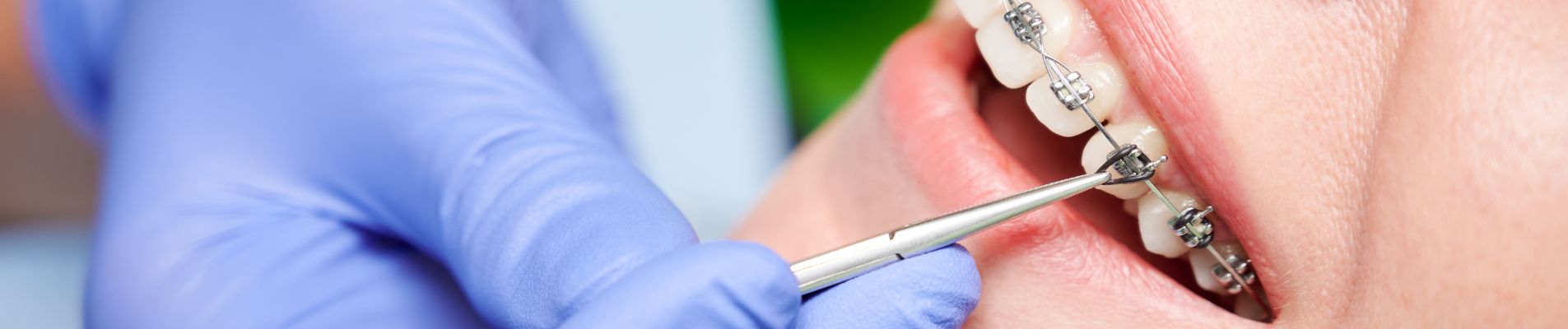
A brace bracket is a small metal or ceramic piece bonded to the front of each tooth during orthodontic treatment. It holds the archwire in place and guides your teeth into the correct position. If one comes loose, there is a chance you might accidentally swallow it — and that understandably feels alarming.
"What to do if you swallow a brace bracket" is one of the most common questions orthodontic patients search for online. The good news is that in the vast majority of cases, a swallowed brace bracket passes through the digestive system without causing harm. Most brackets are small, smooth-edged, and made from body-safe materials.
The key is to stay calm, assess the situation, and follow a few simple steps. If you are breathing normally and do not feel any obstruction, the bracket has most likely reached your stomach safely. This guide walks you through exactly what to do, what symptoms to watch for, and when to arrange an emergency dentist appointment for repair.
Experiencing these symptoms?
Delaying treatment can lead to tooth loss. We have slots available today.
What to Do If You Swallow a Brace Bracket Immediately
If you have swallowed a brace bracket and you are breathing normally with no coughing or choking, the bracket has most likely passed safely into your stomach. Stay calm, avoid inducing vomiting, sip water if comfortable, and monitor yourself for any unusual symptoms over the next 24 to 72 hours. Contact your orthodontist to arrange a repair appointment.
Here is a clear step-by-step guide to follow straight away:
Stay calm. Panicking raises your heart rate and makes it harder to think clearly. Remember, swallowed orthodontic brackets rarely cause serious problems.
Meet Dr. Yasha Shirazi
Principal Dentist at Emergency Dentist London
"We treat hundreds of dental emergencies every month. The sooner you come in, the easier the fix usually is."
Book an appointment with our team →Check your breathing. Can you breathe normally? Is your airway clear? If yes, the bracket is almost certainly in your digestive system, not your airway.
Do not induce vomiting after swallowing the object. Forcing yourself to vomit could cause the bracket to become lodged in your throat or damage your oesophagus on the way back up.
Drink water after swallowing the object if you are breathing comfortably. Small sips of water can help ease the bracket further along the digestive tract.
Monitor your symptoms. Keep an eye out for throat discomfort, abdominal pain, or difficulty swallowing over the following days.
Contact your orthodontist. Let them know what has happened so they can schedule an orthodontic repair appointment and check the rest of your braces for any further loose components.
If at any point you experience breathing difficulties, persistent coughing, or chest tightness, you should seek urgent care immediately. Knowing when to seek emergency help is important — if there is any sign of airway obstruction, call 999 without delay.
For non-emergency same-day dental advice, you can also visit a walk-in dentist in London.
Is It Dangerous If You Swallow a Brace Bracket?
In most cases, no. A swallowed orthodontic bracket is a small, smooth object. Once it reaches the stomach, it typically passes through the digestive system naturally over the following one to three days. The body is well equipped to handle small foreign objects in the digestive system.


Real Patient Result: Emergency White Filling
Treatment by Dr Kamran
Brace brackets are made from medical-grade stainless steel, ceramic, or composite material. These materials are non-toxic and designed to be safe inside the mouth for months or years at a time. Swallowing one does not introduce harmful chemicals into your body.
The real distinction to understand is choking versus swallowing. Swallowing means the object has passed down the oesophagus into the stomach — this is the most common outcome and is usually harmless. Choking means the object has entered the airway, which is a genuine emergency requiring immediate action.
The risk of internal injury from a swallowed object like a brace bracket is very low. However, in rare situations, sharp edges from a broken bracket or attached wire fragment could irritate the lining of the digestive tract. This is why monitoring symptoms afterwards is important.
For a broader overview of dental urgent situations, read our complete guide to dental emergencies.
What If the Brace Bracket Is Stuck in the Throat?
This is less common but understandably frightening. If you feel like the brace bracket is stuck in your throat, try to stay as calm as possible and assess the situation.
Signs that a bracket may be lodged in the throat include:
A persistent feeling of something stuck when swallowing
Difficulty swallowing food or liquids
Mild pain or scratching sensation in the throat
Drooling or inability to swallow saliva
If you are choking on a brace bracket — meaning you cannot breathe, speak, or cough effectively — this is a medical emergency. Call 999 immediately. Someone nearby should perform back blows and abdominal thrusts (the Heimlich manoeuvre) while waiting for help.
If you are experiencing breathing difficulties after swallowing the bracket but can still breathe partially, sit upright, try to cough gently, and do not eat or drink anything. Seek urgent professional assessment straight away.
In rare cases where the bracket is genuinely lodged, an emergency room for choking cases may need to use specialist equipment to locate and remove it safely.
Understanding the difference between a mild throat sensation and a true airway obstruction is essential. Our guide on 10 signs you need an emergency dentist immediately covers more situations where prompt action matters.
Symptoms to Watch After Swallowing a Brace Bracket
Once you have confirmed you are breathing normally and the bracket has been swallowed, the next step is careful monitoring. Most brackets pass within 24 to 72 hours without any issues at all. However, it is sensible to be aware of certain symptoms.
During the first 24 hours, watch for:
Abdominal pain after swallowing the object — particularly if it is sharp, sudden, or worsening
Nausea or vomiting that does not settle
Difficulty swallowing or persistent throat discomfort
Feeling of pressure in the chest or upper abdomen
Over the next 48 to 72 hours, also look for:
Bloody stools after swallowing the object — this could suggest a scratch or minor internal injury from a swallowed object
Dark or tarry stools
Persistent or increasing stomach cramps
Fever or general feeling of being unwell
In the vast majority of cases, none of these symptoms will develop. The bracket simply passes naturally. But staying observant for two to three days gives you peace of mind and ensures that any rare complication is caught early.
Swallowed a Brace Bracket vs Brace Bracket Accident "– What Is the Difference?
It is worth understanding that a swallowed brace bracket is just one type of brace bracket accident. Not every loose bracket ends up being swallowed. Sometimes the bracket detaches but stays inside the mouth, caught on the wire or resting between teeth.
Common types of brace bracket accidents include:
Missing brace bracket — the bracket detaches completely and you may have swallowed it without realising, or it may have fallen out of your mouth
Bracket still on the wire — the bracket is loose but slides along the archwire, which can cause irritation to the cheek or lip
Exposed braces wire irritation — when a bracket comes off, the end of the wire may poke out and scratch the inside of your mouth
If a bracket has come loose but not been swallowed, you can use orthodontic wax for braces as a temporary measure. Roll a small piece of wax and press it over the sharp area to protect your cheek and gum tissue until your repair appointment.
Whether the bracket has been swallowed, lost, or is still dangling on the wire, you will need professional repair. For similar structural dental concerns, our broken tooth repair service page explains how we handle urgent restorative work.
When to Seek Emergency Help
Most swallowed brace bracket incidents do not require emergency treatment. However, there are clear situations where you should seek help urgently.
Call 999 or go to A&E if you experience:
Severe choking — you cannot breathe, speak, or cough
Ongoing breathing problems after swallowing the bracket
Severe abdominal pain that is sudden, sharp, or worsening
Blood in your stool within the days following the incident
Persistent vomiting, especially if it contains blood
Knowing when to seek emergency help can make a real difference. If you are unsure whether your symptoms are serious, it is always better to get checked than to wait and hope for the best.
For dental concerns outside of standard hours, our out of hours dentist service is available to help.
Contact Your Orthodontist "– What Happens Next?
Once the immediate safety concern is resolved, the next step is to contact your orthodontist and let them know what has happened. Even if you feel perfectly fine, a missing bracket means your braces are no longer working correctly in that area.
When you call, let them know:
That a bracket has come off and you have swallowed it
Whether there is any exposed wire poking out
Whether you are experiencing any discomfort
Your orthodontist will arrange an orthodontic repair appointment, usually within a few days. In the meantime, they may advise you to apply orthodontic wax for braces over any sharp or protruding wire to prevent irritation.
A braces bracket replacement is a straightforward procedure. Your orthodontist will clean the tooth surface, bond a new bracket in place, and reattach the archwire. It typically takes 15 to 30 minutes.
You can book an appointment with us directly if your regular orthodontist is unavailable.
How Orthodontic Repair Is Done
If you have never had a braces bracket replacement before, here is what to expect during the appointment.
Assessment. The orthodontist examines your braces to check which bracket is missing and whether any other components have been affected.
Cleaning the tooth. The tooth surface is cleaned and dried to prepare it for bonding. Any old adhesive is gently removed.
Bonding the new bracket. A fresh bracket is positioned precisely on the tooth and secured using dental adhesive. A curing light hardens the bond in seconds.
Reattaching the wire. The archwire is threaded back through the new bracket and secured with an elastic ligature or clip.
Final check. The orthodontist checks your bite, ensures all brackets are secure, and trims any protruding wire ends to prevent exposed braces wire irritation.
The entire appointment usually takes between 15 and 30 minutes. It is painless and does not require anaesthesia. You can eat and drink normally afterwards, though you should continue to avoid hard and sticky foods.
For details on treatment costs, visit our pricing page.
Can Swallowing a Brace Bracket Cause Internal Injury?
This is a common worry, and it is completely understandable. The honest answer is that internal injury from a swallowed object like a standard brace bracket is extremely rare.
Orthodontic brackets are designed to be small and relatively smooth. They do not have sharp blades or jagged edges. Once in the stomach, digestive acids begin working on the bracket, and it typically moves through the intestines without incident.
In very rare cases — usually involving a bracket with a piece of wire still attached — there is a small possibility of scratching the digestive lining. This could cause minor discomfort or, in exceptional circumstances, a small amount of bleeding.
The reassuring reality is that thousands of people swallow small dental components every year across the UK, and serious complications are exceptionally uncommon. By monitoring your symptoms for 48 to 72 hours as described earlier, you are taking all the right precautions.
If you notice anything unusual during the monitoring period, seek professional advice promptly. It is always better to have a quick check and be reassured than to worry at home.
How to Prevent a Brace Bracket Accident in the Future
Prevention is always easier than dealing with an emergency. Here are practical steps you can take to reduce the risk of a brace bracket accident.
Avoid sticky foods. Toffee, chewing gum, caramel, and sticky sweets can pull brackets off the tooth surface. These are the most common culprits behind loose brackets.
Avoid hard foods. Biting into apples, crusty bread, nuts, and ice cubes puts excessive force on the brackets. Cut hard foods into small pieces instead.
Report loose brackets early. If a bracket feels wobbly or slightly raised, contact your orthodontist before it detaches completely. Early repair is quicker and prevents accidental swallowing.
Attend regular adjustment appointments. These visits allow your orthodontist to check all brackets, tighten wires, and spot any potential weak points before they become a problem.
Check for a missing brace bracket regularly. Run your tongue across your braces after meals and at bedtime. If anything feels different, take a look in the mirror and count your brackets.
By following these habits, you significantly lower the chance of a bracket coming loose in the first place. For more advice on when to seek professional dental care versus self-managing at home, read our comparison of emergency dentist vs NHS 111 in London.
Frequently Asked Questions
What should I do if I swallow a brace bracket?
Stay calm and check that you are breathing normally. If your airway is clear, the bracket has most likely reached your stomach and will pass naturally through your digestive system within one to three days.
Do not try to induce vomiting. Sip some water if you feel comfortable doing so. Monitor yourself for any unusual symptoms such as abdominal pain, difficulty swallowing, or changes in your stool.
Contact your orthodontist as soon as possible to arrange a replacement bracket. In the meantime, use orthodontic wax to cover any sharp wire that may be exposed.
Is it dangerous to swallow a brace bracket?
In the vast majority of cases, swallowing a brace bracket is not dangerous. Orthodontic brackets are small, smooth, and made from body-safe materials such as medical-grade stainless steel or ceramic.
Once swallowed, the bracket enters the digestive system and typically passes without causing any harm. Serious complications are exceptionally rare.
The main risk would be if the bracket entered the airway instead of the oesophagus, which would cause choking. If you are breathing normally, this has not happened.
Can swallowing a brace bracket cause internal injury?
Internal injury from swallowing a standard orthodontic bracket is extremely rare. Brackets are designed to be smooth and small, so they pass through the digestive tract without issue in almost all cases.
In very uncommon situations where a piece of wire is still attached, there is a slight chance of minor scratching to the digestive lining. This is why monitoring symptoms for two to three days is recommended.
If you experience persistent abdominal pain, blood in your stool, or vomiting after swallowing a bracket, seek professional advice promptly.
What if a brace bracket is stuck in my throat?
If you feel like the bracket is stuck in your throat but you can still breathe and swallow, try sipping water slowly. The sensation often resolves as the bracket moves down.
If you cannot breathe, speak, or cough, this is a choking emergency. Call 999 immediately and have someone perform back blows and abdominal thrusts while help is on the way.
A mild scratchy feeling in the throat after swallowing a small object is normal and usually fades within a few hours. If it persists beyond 24 hours, seek professional assessment.
When should I seek emergency help after swallowing an object?
Seek emergency help immediately if you experience choking, severe breathing difficulties, sharp chest pain, or an inability to swallow. These signs suggest the object may be in your airway or lodged in your oesophagus.
In the days after swallowing, seek urgent care if you develop severe abdominal pain, bloody stools, persistent vomiting, or fever. These could indicate a rare complication requiring professional assessment.
For most people, none of these symptoms develop. But knowing the warning signs means you can act quickly if needed.
How is braces bracket replacement done?
Braces bracket replacement is a simple and painless procedure. Your orthodontist removes any remaining adhesive from the tooth, cleans and dries the surface, then bonds a new bracket in the correct position using dental adhesive hardened with a curing light.
The archwire is then reattached through the new bracket and secured with an elastic ligature. The whole process typically takes 15 to 30 minutes.
No anaesthesia is needed, and you can eat and drink normally afterwards. Your orthodontist will also check the rest of your braces to ensure everything is secure.
Watch: Your Emergency Dental Appointment Explained
Disclaimer
This article is for general educational purposes only and does not constitute professional dental advice, diagnosis, or treatment. Every patient's circumstances are unique; dental symptoms and treatment options should always be assessed during a clinical examination by a qualified dental professional. No specific outcomes are guaranteed. This content has been prepared in line with GDC, CQC, ASA CAP Code, and GMC communication standards. If you have concerns about your oral health, please contact a registered dentist.