
Breaking a tooth is one of those moments that catches you completely off guard. Whether it happens while eating, during sport, or from an accidental knock, the initial shock can be unsettling. You look in the mirror and see a jagged edge, a missing piece, or a sharp fragment where your tooth used to be whole.
The reassuring news is that broken tooth repair is one of the most common procedures in emergency dentistry. In the vast majority of cases, the tooth can be restored — often on the same day. Modern materials and techniques mean that repairs are strong, natural-looking, and long-lasting.
This guide walks you through exactly what to do, the treatment options available, and how to get seen quickly. At Emergency Dentist London, our emergency dentists treat broken, chipped, and fractured teeth every day — and same-day appointments are available.
Experiencing these symptoms?
Delaying treatment can lead to tooth loss. We have slots available today.
What to Do Immediately After You Break a Tooth
If you break a tooth, rinse your mouth gently with warm water, save any tooth fragments in milk or saliva, avoid chewing on the damaged side, and cover sharp edges with sugar-free gum or dental wax if available. Then book emergency treatment for a broken tooth as soon as possible. Acting calmly in the first few minutes protects the tooth and improves your treatment outcome.
Here is a clear step-by-step guide for the moments after a break:
1. Rinse your mouth gently. Use warm water to clean the area. Do not scrub or use mouthwash, as this can irritate exposed tissue. A gentle rinse removes loose debris and helps you assess the damage.
Meet Dr. Yasha Shirazi
Principal Dentist at Emergency Dentist London
"We treat hundreds of dental emergencies every month. The sooner you come in, the easier the fix usually is."
Book an appointment with our team →2. Save any tooth fragments. If you can find the broken piece, place it in a small container of milk or your own saliva. In some cases, the fragment can be bonded back onto the tooth. Handle it carefully by the outer surface, not the broken edge.
3. Avoid chewing on the damaged side. Biting down on a broken tooth risks further fracture and can push bacteria into the exposed area. Stick to soft food on the opposite side until you are seen.
4. Use temporary protection if available. If the broken edge is sharp and cutting your tongue or cheek, cover it with sugar-free chewing gum, dental wax, or a piece of gauze. An emergency dental kit for broken tooth situations — available from most pharmacies — can also provide temporary filling material and wax.
5. Book emergency treatment for broken tooth. Contact an emergency dentist to arrange same-day care. The sooner the tooth is assessed, the better the chance of a straightforward repair.
If the break was caused by a blow to the face or a fall, our dental trauma emergency page explains what to expect. For a broader overview, read our complete guide to dental emergencies in London.
How to Fix a Broken Tooth — Treatment Options Explained
The right approach to broken tooth repair depends on the size of the break, the location of the tooth, and whether the nerve inside is affected. Here are the main treatment options your dentist may recommend.
Dental Bonding for Minor Chips
For small chips and minor damage, dental bonding for chipped tooth repair is often the simplest and fastest solution. The dentist applies a tooth-coloured composite resin directly to the damaged area, shapes it to match the natural contour of the tooth, and hardens it with a curing light.
This type of chipped tooth treatment is typically completed in a single visit, often within 30 to 45 minutes. The result blends seamlessly with your natural tooth, and the repair is durable enough for everyday use.
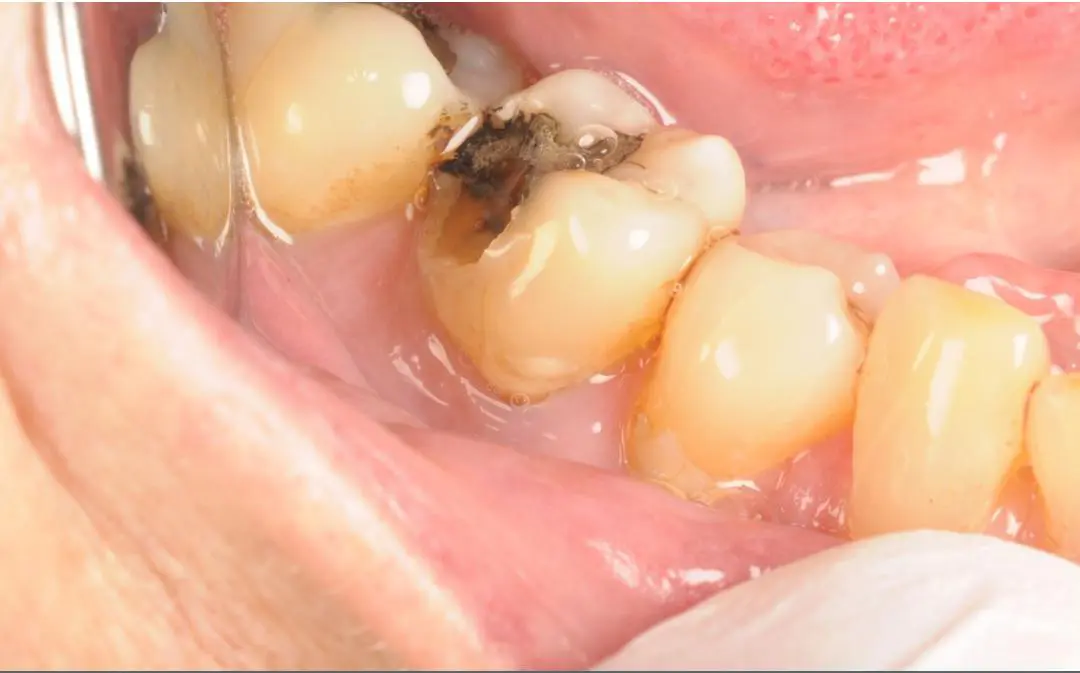
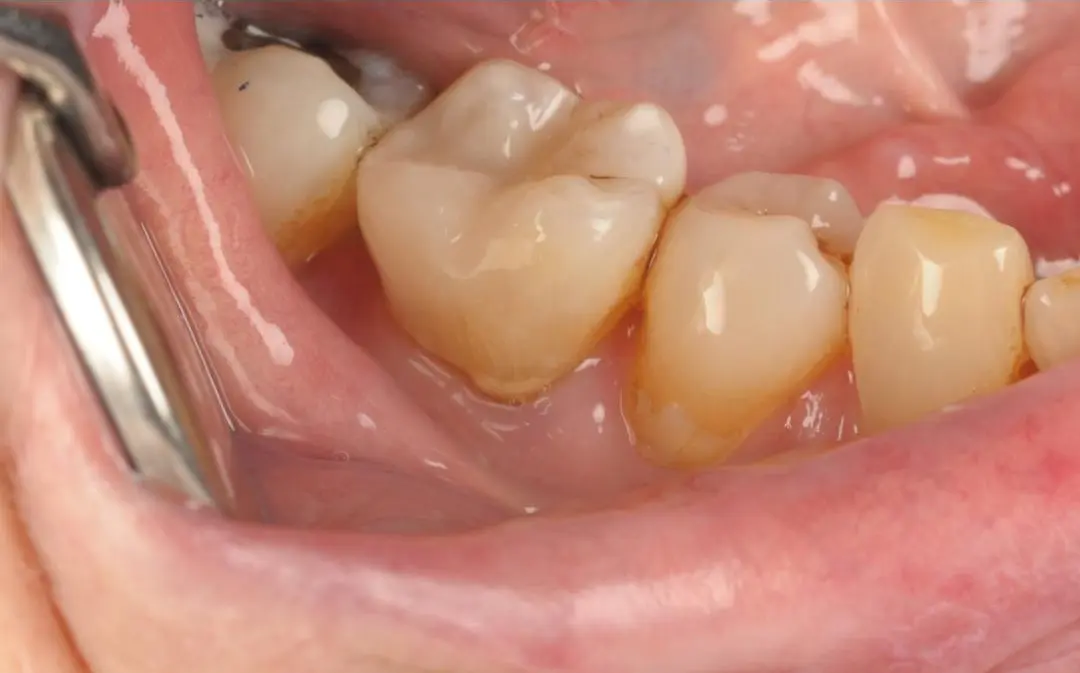
Real Patient Result: Emergency White Filling
Treatment by Dr Kamran
Bonding works particularly well for front teeth where appearance matters most. For more on this, visit our broken tooth repair service page. You can also read our detailed guide on chipped front tooth repair options.
Crown Placement for Larger Breaks
When a significant portion of the tooth has broken away, a dental crown may be the most appropriate option. A crown is a custom-made cap that fits over the remaining tooth structure, restoring its shape, strength, and appearance.
Crowns are particularly valuable for back teeth that bear heavy chewing forces. They protect the weakened tooth from further fracture and distribute biting pressure evenly. Modern dental crowns achieve high clinical success in tooth restoration, with materials that closely mimic natural enamel in both colour and strength.
In some cases, a temporary crown can be placed on the same day to protect the tooth while a permanent one is made. Learn more about our crown replacement service, or visit our lost crown repair page if your existing crown has come off.
Root Canal If Nerve Is Exposed
A deeper break can expose the pulp — the soft tissue inside the tooth that contains nerves and blood vessels. When this happens, the tooth often becomes extremely sensitive, and the risk of infection increases significantly.
A root canal treatment removes the damaged nerve tissue, cleans the inside of the tooth, and seals it. This stops the pain and prevents infection from developing. The tooth is then typically restored with a crown to protect it long-term.
Acting quickly when the nerve is exposed gives the best chance of saving the tooth. Our guide on root canal vs extraction — saving your tooth explains when each approach is appropriate.
Emergency Treatment for Broken Tooth — When Is It Urgent?
Not every chip requires immediate emergency care. A small, painless chip on a back tooth can often wait a day or two for a routine appointment. However, several situations make emergency treatment for a broken tooth genuinely urgent.
Severe pain. If the break has reached or exposed the nerve, you may experience sharp, constant pain that worsens with temperature changes or pressure. This level of discomfort warrants same-day assessment.
Bleeding. Significant or persistent bleeding from the gum or the broken tooth itself suggests soft tissue damage or a deeper fracture. Apply gentle pressure with gauze and seek care promptly.
Swelling. Swelling around a broken tooth can indicate that bacteria have already entered the exposed area. Early treatment can prevent a developing infection from becoming more complex.
Visible pulp exposure. If you can see a pinkish or reddish spot at the centre of the break, the nerve is likely exposed. This is the most time-sensitive scenario, as the nerve is vulnerable to infection the longer it remains unprotected.
For help deciding whether your situation is urgent, our article on 10 signs you need an emergency dentist immediately is a useful reference. You can also visit our severe toothache relief page if pain is your primary concern.
Chipped Tooth Treatment vs Cracked Tooth — What's the Difference?
Patients often use the words "chip" and "crack" interchangeably, but they describe quite different types of damage. Understanding the difference helps explain why the treatment approach varies.
Surface chip. A chip involves a small piece of enamel breaking away from the tooth surface. It may be barely noticeable or leave a rough edge. Chipped tooth treatment is usually straightforward — dental bonding or smoothing the edge is often all that is needed.
Deep crack. A crack runs through the tooth structure without a piece necessarily breaking off. Cracks can be superficial (affecting only the enamel) or deep (extending towards or into the nerve). A cracked tooth may not look damaged from the outside, but it can cause sharp pain when biting or sensitivity to temperature.
Structural fracture. This is a more significant break where a large section of the tooth has separated. The tooth may be visibly shortened or have an uneven, jagged surface. A crown or, in severe cases, extraction may be required.
Accurate diagnosis matters because treatment for a chip is very different from treatment for a vertical root fracture. Your dentist will use a combination of visual examination, X-rays, and clinical tests to determine the type and depth of damage. For a detailed overview, read our guide on understanding tooth fractures and treatment options.
Why Choosing an Experienced Clinician for Tooth Repair Matters
Broken tooth repair is a procedure where skill and precision make a real difference to the outcome. The goal is not simply to fill a gap — it is to restore the tooth so that it looks natural, feels comfortable, and lasts.
An experienced clinician for tooth repair understands how to match the colour, shape, and translucency of the composite or crown to your natural teeth. They also know how to create a repair that withstands the forces of daily biting and chewing without failing prematurely.
Precision matters at every stage. The way the tooth is prepared, how the bonding material is layered, and how the bite is adjusted all contribute to the durability of the restoration. Repairs carried out with attention to these details achieve high clinical success in tooth restoration and reduce the likelihood of needing retreatment.
At Emergency Dentist London, our team carries out broken tooth repairs regularly. This day-to-day experience with dental trauma means you can be confident that your repair is in careful, practised hands.
Costs of Broken Tooth Repair in London
The cost of broken tooth repair depends on the type of treatment required. A straightforward bonding repair for a minor chip is less expensive than a crown or root canal treatment for a larger break.
At Emergency Dentist London, we provide clear, upfront pricing before any treatment begins. Your dentist will explain the options, the associated costs, and any alternatives so you can make an informed decision without pressure.
For a detailed breakdown of our fees, visit our pricing page. You may also find our article on emergency dentist costs in London helpful for understanding what to expect.
We also offer a membership programme that provides discounted rates on a range of treatments, including emergency repairs. This can be a cost-effective option if you want ongoing dental care alongside emergency cover.
How to Book Immediate Care
Getting seen quickly after breaking a tooth is important — both for your comfort and for the best treatment outcome. We have made the booking process as simple as possible.
Same-day emergency appointments. We reserve appointment slots every day for emergency patients. In most cases, you can be assessed and treated on the same day you contact us. Visit our booking page to reserve your slot online, or call us directly.
Walk-in availability. If you are nearby and need urgent care, our walk-in dentist London service welcomes patients without a prior appointment, subject to availability.
Out-of-hours care. Broken teeth do not always happen during office hours. Our out-of-hours dentist service provides access to emergency care in the evenings. We also offer weekend emergency dentist appointments for Saturday and Sunday emergencies.
Areas Covered for Broken Tooth Repair
Our clinic is centrally located and easily accessible from across London. We regularly treat patients who have broken a tooth while at work, at home, or out and about in the city.
We welcome emergency patients from Central London, Kensington, Chelsea, Westminster, Notting Hill, and many surrounding areas. Whether you live locally or are visiting the area, getting to us for broken tooth repair is straightforward.
Frequently Asked Questions
How to fix a broken tooth quickly?
The fastest way to fix a broken tooth is to see an emergency dentist on the same day. For minor chips, dental bonding can restore the tooth in a single appointment — often within 30 to 45 minutes. The dentist applies a tooth-coloured composite directly to the damaged area, shapes it, and hardens it with a light.
For larger breaks, a temporary crown or protective restoration can be placed on the same day to stabilise the tooth. A permanent crown is then made and fitted at a follow-up visit.
The key to a quick, successful broken tooth repair is prompt assessment. The sooner the tooth is examined, the more straightforward the treatment tends to be.
Is broken tooth repair painful?
Broken tooth repair should not be painful. Before any treatment begins, the dentist numbs the area thoroughly with local anaesthetic. You may feel pressure or vibration during the procedure, but sharp pain should not be part of the experience.
For simple bonding repairs, anaesthetic may not even be necessary, as the work is limited to the outer enamel layer, which does not have nerve endings. More extensive procedures, such as crown preparation or root canal treatment, are always carried out under full anaesthesia.
If you are anxious about the procedure, let your dentist know. The team is experienced in treating nervous patients and will work at a pace that feels comfortable for you.
Can chipped tooth treatment be done same day?
Yes. Chipped tooth treatment is one of the most common same-day dental procedures. Dental bonding — the most frequent repair method for chips — is completed in a single visit. The tooth-coloured resin is applied, sculpted, and hardened during one appointment.
Even more complex repairs can often begin on the same day, with a temporary restoration placed to protect the tooth while a permanent solution is prepared. Same-day emergency appointments are available to ensure you are not left waiting with a damaged tooth.
What is emergency treatment for broken tooth?
Emergency treatment for a broken tooth begins with a clinical assessment and, where needed, an X-ray to determine the extent of the damage. The dentist then recommends the most appropriate repair — which may be bonding, a crown, root canal treatment, or, in rare cases, extraction.
If the nerve is exposed, the priority is to protect it from bacteria and relieve any pain. If bleeding or swelling is present, these are managed first. The goal of emergency care is to stabilise the tooth, stop the pain, and plan definitive treatment.
Most emergency broken tooth appointments are completed within one to two hours, depending on the complexity of the break.
Do I need a root canal for a cracked tooth?
Not always. Whether a cracked tooth needs root canal treatment depends on the depth and direction of the crack. Superficial cracks that affect only the outer enamel can often be treated with bonding or a crown. These cracks do not reach the nerve and typically cause minimal symptoms.
However, if the crack extends into the pulp — the soft tissue inside the tooth — root canal treatment may be necessary to remove the damaged nerve and prevent infection. Signs that the crack has reached the nerve include sharp pain when biting, prolonged sensitivity to temperature, and spontaneous throbbing.
Your dentist will use clinical tests and X-rays to assess the crack and recommend the right approach. The aim is always to save the tooth whenever clinically possible.
Watch: Your Emergency Dental Appointment Explained
Disclaimer
This article is for general educational purposes only and does not constitute professional dental advice, diagnosis, or treatment. Every patient's circumstances are unique; dental symptoms and treatment options should always be assessed during a clinical examination by a qualified dental professional. No specific outcomes are guaranteed. This content has been prepared in line with GDC, CQC, ASA CAP Code, and GMC communication standards. If you have concerns about your oral health, please contact a registered dentist.