
Many parents notice early on that their infant is having difficulty feeding, or perhaps an older child is experiencing speech challenges they cannot quite explain. Adults, too, sometimes discover that a small band of tissue in their mouth has been quietly affecting their speech, dental alignment, or even their gum health for years. These concerns frequently lead people to search online for answers about tongue-tie and lip-tie conditions — and for good reason.
A frenectomy is a minor dental or oral surgical procedure that involves releasing or removing a small piece of tissue called the frenum (or frenulum). When this tissue is unusually short, tight, or positioned in a way that restricts normal movement or function, it can have a meaningful impact on daily life.
This article explains what tongue-tie and lip-tie conditions are, why they occur, how they may present clinically, what a frenectomy involves, and when it may be appropriate to seek a professional dental assessment. All treatment decisions should be based on an individual clinical examination.
Experiencing these symptoms?
Delaying treatment can lead to tooth loss. We have slots available today.
What Is a Frenectomy and Why Is It Performed?
A frenectomy is a minor dental procedure used to release or remove a restrictive piece of oral tissue called the frenum. It is commonly recommended for tongue-tie (ankyloglossia) or lip-tie conditions when restricted movement causes feeding difficulties, speech issues, or dental health concerns. Suitability is always determined through individual clinical assessment.
What Is the Frenum and Why Does It Matter?
To understand frenectomies, it helps to first understand what the frenum actually is. The frenum (plural: frena or frenula) is a small fold of mucous membrane — essentially a connective tissue band — found in several locations within the mouth.
The two most clinically significant frena are:
Meet Dr. Yasha Shirazi
Principal Dentist at Emergency Dentist London
"We treat hundreds of dental emergencies every month. The sooner you come in, the easier the fix usually is."
Book an appointment with our team →- The lingual frenum: the band of tissue that runs beneath the tongue and attaches it to the floor of the mouth.
- The labial frenum: the band of tissue connecting the upper or lower lip to the gum tissue between the front teeth.
In most people, these tissue bands are positioned and sized in a way that allows normal, unrestricted movement of the tongue and lips. However, in some individuals, these bands are particularly short, thick, or tightly attached — restricting movement in ways that can affect feeding, speech development, dental alignment, and even oral hygiene.
The frenum itself is not a harmful structure. It is only considered clinically relevant when it visibly restricts function or contributes to other oral health issues. A dental professional can assess whether intervention may be appropriate.
Understanding Tongue-Tie (Ankyloglossia)
Tongue-tie, known clinically as ankyloglossia, occurs when the lingual frenum is unusually short or tightly attached, limiting the tongue's range of movement. It is one of the more commonly discussed congenital oral conditions, estimated to affect a meaningful proportion of newborns, though figures vary across studies.
The degree of tongue-tie can range from mild — where movement is only slightly affected — to more significant cases where tongue elevation, protrusion, or lateral movement is noticeably restricted.
Common signs that may be associated with tongue-tie include:
- Difficulty lifting the tongue to the roof of the mouth
- The tongue appearing heart-shaped or notched at the tip when extended
- Challenges with breastfeeding in infants (such as poor latch or difficulty sustaining feeding)
- Speech articulation difficulties, particularly with sounds requiring tongue elevation
- Difficulty with certain oral tasks such as licking the lips fully
It is important to note that not every person with a restricted lingual frenum will experience functional difficulties. The decision to pursue treatment is always based on a thorough clinical assessment and a careful discussion of individual needs and circumstances.
Where symptoms include broader swallowing discomfort, this related guide on understanding dysphagia and clinical review may also be helpful context.
Understanding Lip-Tie Conditions
Lip-tie refers to the situation where the labial frenum — most commonly the upper labial frenum — is unusually thick, short, or extends too far down between the upper front teeth. This can restrict the movement of the upper lip and may contribute to several oral health considerations.
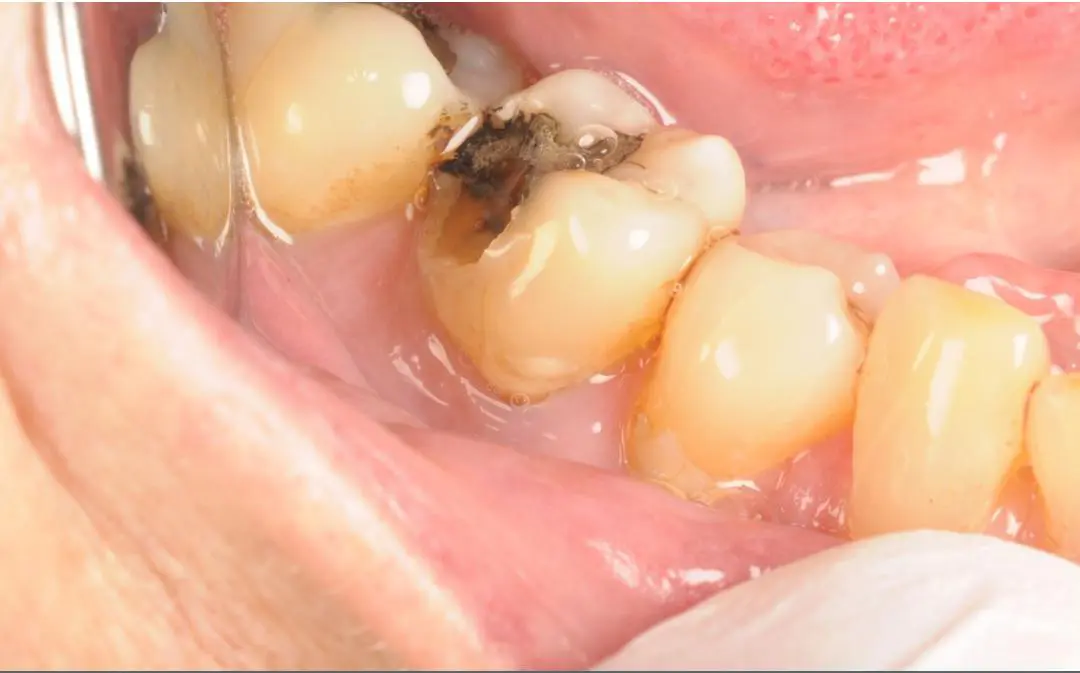
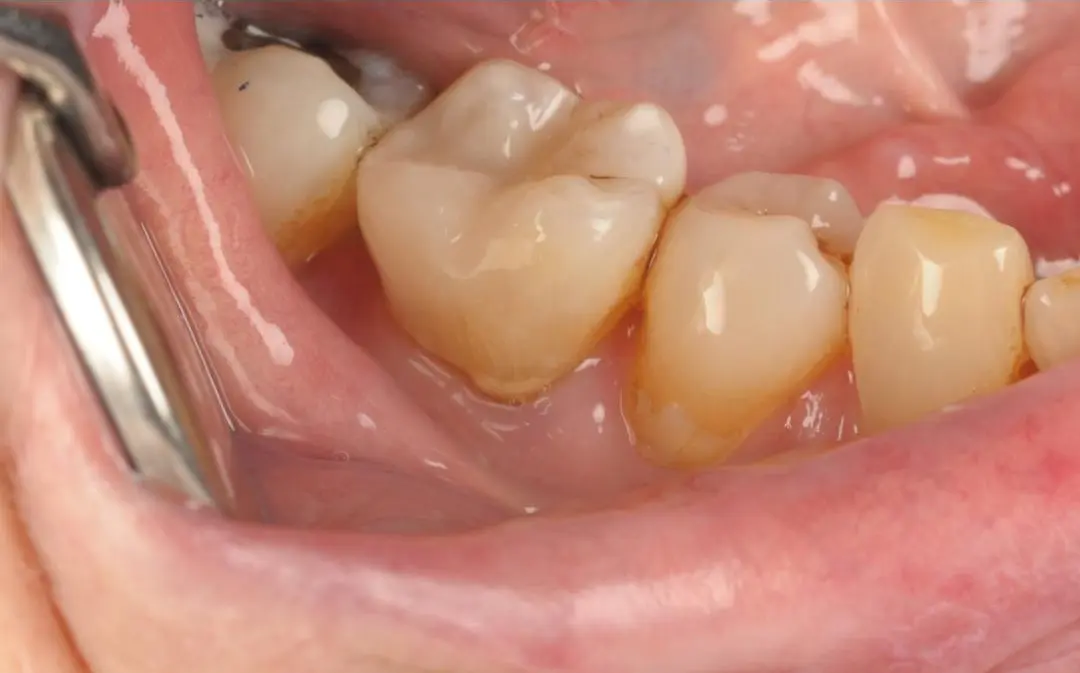
Real Patient Result: Emergency White Filling
Treatment by Dr Kamran
Potential signs associated with lip-tie include:
- Difficulty flanging (spreading) the upper lip during breastfeeding
- A noticeable gap (diastema) between the upper front teeth, which may persist beyond the natural developmental stage
- Difficulty with oral hygiene around the front teeth due to restricted lip movement
- In some cases, blanching (whitening) of gum tissue when the lip is lifted
It is worth noting that a prominent labial frenum does not always require treatment. A midline gap between the upper front teeth is entirely normal in young children and often closes naturally as the permanent teeth erupt. Persistent gaps associated with a restrictive frenum may be reviewed as part of broader orthodontic assessment.
As with tongue-tie, whether lip-tie warrants intervention depends entirely on the individual clinical picture and should be discussed with a suitably qualified dental professional.
The Clinical Science Behind Restricted Frena
The frenum is composed of connective tissue — primarily collagen fibres — covered by a layer of mucous membrane. In typical development, the frenum gradually recedes as oral tissues mature. In cases of tongue-tie or lip-tie, this natural recession either does not occur fully or the tissue itself is particularly fibrous or densely attached.
In tongue-tie, the restricted lingual frenum limits the tongue's ability to perform a full range of movements. The tongue plays a critical role in swallowing mechanics, speech sound production, and the natural self-cleaning of teeth during eating. When the tongue cannot move freely, compensatory muscle patterns may develop, which can place strain on nearby structures over time.
In lip-tie, the labial frenum can exert gentle but persistent traction on the gum tissue. In some cases, this traction may contribute to gum recession around the upper front teeth if the tissue attachment is particularly low and prominent.
From an orthodontic perspective, a thick maxillary frenum extending between the front teeth may contribute to a persistent midline diastema, though this relationship is not universal and requires individual assessment.
Understanding the anatomical basis of these conditions helps explain why treatment, when appropriate, is aimed at restoring normal tissue mobility rather than removing any essential structure.
What Does a Frenectomy Procedure Involve?
A frenectomy is generally considered a straightforward minor oral surgical procedure. The term literally refers to the excision (cutting or release) of the frenum tissue. There are several techniques that dental professionals may use, depending on the individual case and clinical judgement.
Common approaches include:
- Scissor or scalpel frenectomy: The traditional technique where the restrictive tissue is carefully cut and, if needed, sutured.
- Laser frenectomy: A technique using focused laser energy to release or remove the tissue with precision. Laser procedures are often associated with reduced bleeding and may require fewer or no sutures.
- Electrosurgical techniques: An alternative energy-based approach used in some clinical settings.
The procedure is typically performed under local anaesthetic to ensure patient comfort. In young infants, anaesthetic requirements differ and are managed appropriately for age.
Recovery times vary between individuals, but many patients find the initial healing period straightforward when post-operative guidance is followed carefully. Post-procedure exercises — often referred to as stretching or wound management exercises — may be recommended to support healing and help prevent reattachment of the tissue.
Treatment suitability and the most appropriate technique should always be discussed with a qualified dental professional following a thorough clinical examination.
When Professional Dental Assessment May Be Appropriate
There are a number of circumstances where seeking a professional dental assessment regarding a potentially restrictive frenum may be worthwhile. It is always sensible to have concerns evaluated by a suitably qualified clinician rather than relying solely on self-assessment.
You may wish to seek a dental assessment if:
- Your infant is experiencing persistent feeding difficulties despite other interventions being explored
- A speech and language therapist has identified possible oral restriction contributing to speech challenges
- You have noticed a prominent gap between your front teeth that has not closed naturally and you wish to explore potential causes
- You experience discomfort or tension beneath the tongue when speaking or eating
- Your dentist or hygienist has noted gum recession around the front teeth that may be related to frenum attachment
- You are planning orthodontic treatment and wish to understand whether a frenum assessment is relevant
It is important to approach these concerns calmly. Many people live comfortably without needing intervention, and not every restricted frenum requires treatment. A professional assessment will help clarify whether any management is likely to be beneficial in your individual situation.
If symptoms around swallowing seem more related to painful back teeth rather than soft tissue restriction, this overview on difficulty swallowing with wisdom tooth problems may help patients understand differential causes.
For urgent oral concerns in London, you can access same-day emergency dental assessment, subject to availability and clinical triage, for a clinical review and clear next-step guidance.
Frenectomies and Dental Alignment Considerations
One area where frenectomies are sometimes discussed alongside other treatments is in the context of dental alignment and orthodontic care. A persistent diastema (gap) between the upper front teeth in an adult or older child is sometimes investigated to determine whether the upper labial frenum is a contributing factor.
It is worth understanding that a frenectomy alone does not close a gap between teeth. Orthodontic treatment is typically required to bring the teeth together, and a frenectomy may be recommended either before or after orthodontic treatment to help reduce the likelihood of the gap reopening. The timing and approach are determined by the treating dental team on a case-by-case basis.
Similarly, after orthodontic treatment, if the frenum tissue remains prominent between teeth that have been moved together, a frenectomy may be discussed as part of the overall treatment plan to support long-term stability.
If you are exploring options related to dental alignment treatment alongside a frenectomy assessment, discussing the full treatment picture with your dental professional will help ensure a coordinated approach suited to your individual needs.
Oral Hygiene and Gum Health Considerations
A frenum that attaches unusually low on the gum tissue — particularly in the lower front area — can sometimes make thorough tooth brushing more challenging in that region. This is because the tight tissue can restrict toothbrush access or cause discomfort when the brush approaches the gum margin.
Over time, inadequate cleaning in a localised area may contribute to plaque accumulation, gum inflammation, or gingival recession. For this reason, gum health around areas of tight frenum attachment is sometimes monitored as part of routine dental care.
General oral hygiene guidance relevant to frenum health includes:
- Using a soft-bristled toothbrush to clean gently but thoroughly at the gum line
- Attending regular dental and hygiene appointments so that any gum changes can be identified early
- Discussing any localised sensitivity or gum changes with your dentist promptly
- Being aware of any areas where toothbrush access feels restricted and mentioning this to your dental hygienist
If you are concerned about your gum health in relation to frenum attachment, you can book an oral assessment appointment online before tailored oral hygiene advice and treatment planning.
Prevention and Long-Term Oral Health Advice
While tongue-tie and lip-tie are congenital conditions — meaning they are present from birth — there are practical steps that can support long-term oral health for those who have experienced these conditions or have undergone a frenectomy.
Practical advice for ongoing oral health:
- Follow post-operative guidance carefully if you or your child has undergone a frenectomy. Wound management exercises, if recommended, should be followed consistently to support healing.
- Attend follow-up appointments as advised by your dental team to monitor healing and assess functional improvement.
- Work with a speech and language therapist if speech difficulties were a contributing concern, as therapeutic exercises alongside any dental procedure can support better outcomes.
- Maintain regular dental check-ups so that any changes to gum tissue, dental alignment, or oral structures can be identified and managed early.
- Support good oral hygiene habits from an early age in children, particularly where frenum attachment may have made certain areas harder to clean.
General dental health — including balanced nutrition, fluoride toothpaste use, and regular professional care — remains important for everyone, regardless of whether a frenum procedure has been undertaken.
Key Points to Remember
- A frenectomy is a minor procedure to release or remove restrictive frenum tissue in the mouth, most commonly associated with tongue-tie (ankyloglossia) or lip-tie.
- Tongue-tie and lip-tie are congenital conditions that vary in severity; not all cases require treatment.
- Common concerns associated with these conditions include feeding difficulties in infants, speech challenges, dental alignment issues, and oral hygiene restrictions.
- Frenectomies can be performed using traditional or laser-based techniques; the appropriate approach is determined through clinical assessment.
- A frenectomy alone does not close a diastema — orthodontic treatment is typically required alongside or separately.
- If you are concerned about tongue-tie, lip-tie, or frenum-related symptoms, professional dental assessment is the most appropriate step.
Frequently Asked Questions
How do I know if my child has tongue-tie?
Signs that a child may have tongue-tie include difficulty breastfeeding, a heart-shaped or notched tongue tip when extended, and challenges lifting the tongue. Speech difficulties may also become apparent as a child develops. It is important not to make a self-diagnosis based on appearance alone. A clinical assessment by a suitably qualified dental or medical professional is the most reliable way to determine whether tongue-tie is present and whether it is functionally significant in your child's individual case.
At what age is a frenectomy typically performed?
A frenectomy can be performed at various ages depending on the clinical indication. In infants, early assessment may be appropriate when feeding difficulties are present. For speech-related concerns, assessment often takes place alongside speech and language therapy. Orthodontic-related frenectomies are generally performed in older children or adults. There is no single correct age, and timing is always determined through individual clinical assessment and in discussion with the patient or their family.
Is a frenectomy a painful procedure?
A frenectomy is typically carried out under local anaesthetic, meaning the area is numbed prior to the procedure. Most patients report that the procedure itself is well-tolerated. Some discomfort during the healing period is normal and manageable with appropriate aftercare guidance. Recovery experiences vary between individuals, and your dental team will provide specific post-operative instructions and advice on managing any temporary discomfort following the procedure.
Will a frenectomy improve my child's speech on its own?
A frenectomy may help address a physical restriction that is contributing to speech difficulties, but it is rarely a standalone solution for speech-related concerns. Speech and language therapy is typically recommended alongside any physical intervention to help the individual develop new movement patterns and articulation skills. The degree of improvement following a frenectomy depends on various factors and should be discussed honestly with your dental and speech therapy team before any decision is made.
Can lip-tie cause tooth decay in young children?
Lip-tie itself does not directly cause tooth decay. However, a restricted upper lip can sometimes make it harder to clean effectively between the upper front teeth. In some cases, it may also affect how an infant feeds, which can have indirect implications for oral health. Regular dental check-ups, good oral hygiene guidance tailored to the child's individual anatomy, and early professional advice are all important ways to support dental health in children with lip-tie.
Does a frenectomy always close the gap between front teeth?
No. A frenectomy does not move teeth. If a gap (diastema) between the upper front teeth is partly associated with a prominent labial frenum, orthodontic treatment is required to close the space. A frenectomy may be recommended before or after orthodontic treatment to support longer-term stability, but the two interventions serve different purposes. Your dental team can explain the most appropriate sequence and approach based on your individual clinical situation.
Conclusion
Tongue-tie and lip-tie are conditions that more people are becoming aware of, both for themselves and for their children. Understanding what frenectomies involve — and knowing when to seek professional advice — can help patients and families make more informed decisions about their oral health.
A frenectomy is a well-established minor dental procedure with a clear anatomical rationale. Whether it is right for any individual depends on a thorough clinical assessment, honest discussion of the likely benefits and limitations, and consideration of the wider oral health picture.
If you have concerns about restricted oral tissue, feeding difficulties, speech challenges, or dental alignment that may be related to frenum anatomy, speaking with a suitably qualified dental professional is always the most appropriate step.
Dental symptoms and treatment options should always be assessed individually during a clinical examination.
Disclaimer
This article is for educational and informational purposes only.
It does not constitute professional dental advice, diagnosis, or a treatment recommendation.
Frenum-related symptoms and treatment suitability must be assessed during an individual clinical examination.
If you have concerns about tongue-tie, lip-tie, or related oral symptoms, seek professional assessment.
No treatment outcomes are guaranteed; this content follows GDC, CQC, ASA CAP, and GMC communication guidance.