
Many people occasionally notice that swallowing feels slightly uncomfortable or takes more effort than usual. For most, this passes quickly and causes little concern. However, when swallowing difficulties persist, recur frequently, or are accompanied by other symptoms such as pain, discomfort in the throat or mouth, or unexpected changes in eating habits, it is entirely understandable to search for answers online.
Dysphagia — the clinical term for difficulty swallowing — can have a wide range of contributing causes. Whilst it is a condition primarily assessed by medical professionals, oral health plays a meaningful role in swallowing function, and a dental professional may be among the first clinicians to notice early signs related to the mouth, jaw, or throat.
This article aims to explain what dysphagia is, how it connects to oral and dental health, what symptoms patients should be aware of, and when seeking a professional clinical review is appropriate. Understanding the topic clearly can help you make informed decisions about your health and wellbeing.
Experiencing these symptoms?
Delaying treatment can lead to tooth loss. We have slots available today.
What Is Dysphagia and When Should You Seek Clinical Review?
Dysphagia refers to difficulty swallowing, which may involve discomfort, pain, or a sensation that food or liquid is not passing normally. It can relate to oral, dental, or systemic causes. If swallowing difficulties persist for more than a few days, are worsening, or are accompanied by pain or other changes, a clinical review is advisable.
What Is Dysphagia? Understanding the Condition
Dysphagia is a medical term describing difficulty in swallowing. It is not itself a diagnosis but rather a symptom that may point to a range of underlying conditions affecting the mouth, throat, oesophagus, or nervous system.
Swallowing is a complex process that involves the coordinated movement of the lips, tongue, teeth, jaw, soft palate, throat muscles, and oesophagus. When any part of this chain is disrupted — whether by structural changes, muscular issues, neurological factors, or localised oral health concerns — swallowing may become uncomfortable, painful, or physically difficult.
Meet Dr. Yasha Shirazi
Principal Dentist at Emergency Dentist London
"We treat hundreds of dental emergencies every month. The sooner you come in, the easier the fix usually is."
Book an appointment with our team →Dysphagia is broadly classified into two types:
- Oropharyngeal dysphagia — difficulties originating in the mouth or throat (oropharyngeal region), which may relate directly to oral health, jaw function, or throat anatomy.
- Oesophageal dysphagia — difficulties originating lower in the food pipe, typically assessed by gastroenterology or ear, nose, and throat (ENT) specialists.
From a dental perspective, oropharyngeal dysphagia is the most relevant category, as conditions affecting the mouth, tongue, teeth, gums, jaw, or surrounding tissues can contribute to or exacerbate swallowing difficulties.
It is important to note that dysphagia is a symptom rather than a standalone condition, and proper assessment by an appropriate healthcare professional is essential.
How Oral Health Connects to Swallowing Function
The relationship between oral health and swallowing is more significant than many patients realise. The mouth is the first stage of the swallowing process. The teeth, tongue, salivary glands, and soft tissues of the mouth all play essential roles in preparing food for safe swallowing.
When oral health is compromised, the mechanics of swallowing can be affected in several ways:
Tooth loss or significant dental problems may alter the ability to chew food properly, leading to larger food particles being swallowed, which can cause discomfort or increase the risk of choking.
Dry mouth (xerostomia), which can result from certain medications, systemic conditions, or salivary gland dysfunction, reduces the lubrication available for safe swallowing. Saliva plays a critical role in forming a food bolus and allowing it to pass smoothly.
Oral infections, abscesses, or swellings can cause physical obstructions or pain that make swallowing uncomfortable or restricted.
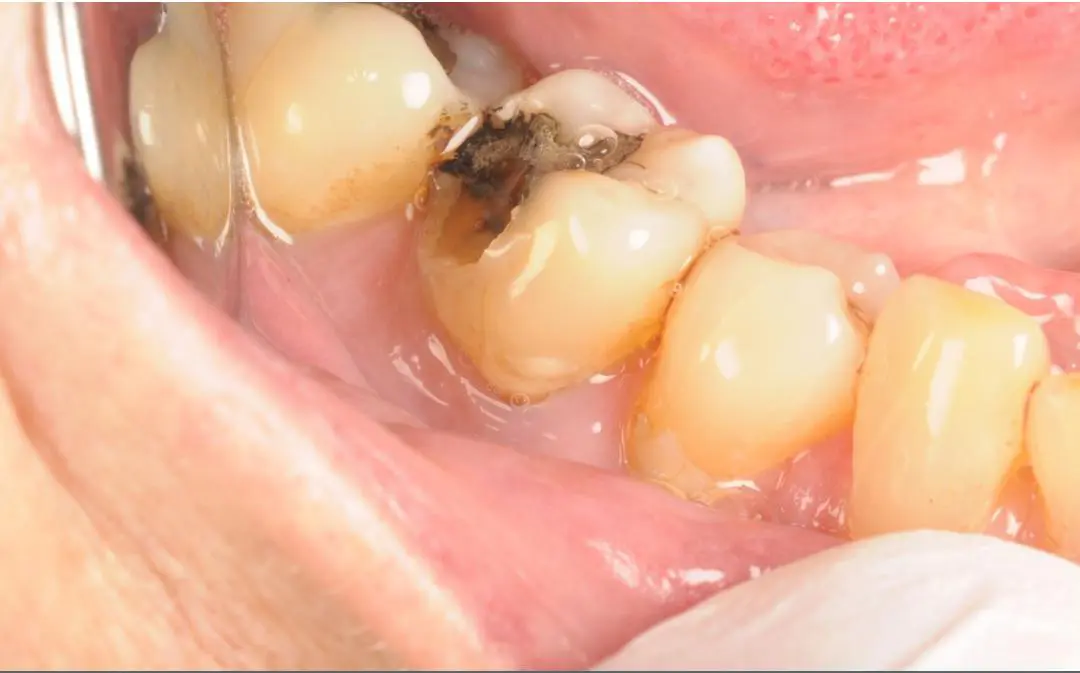
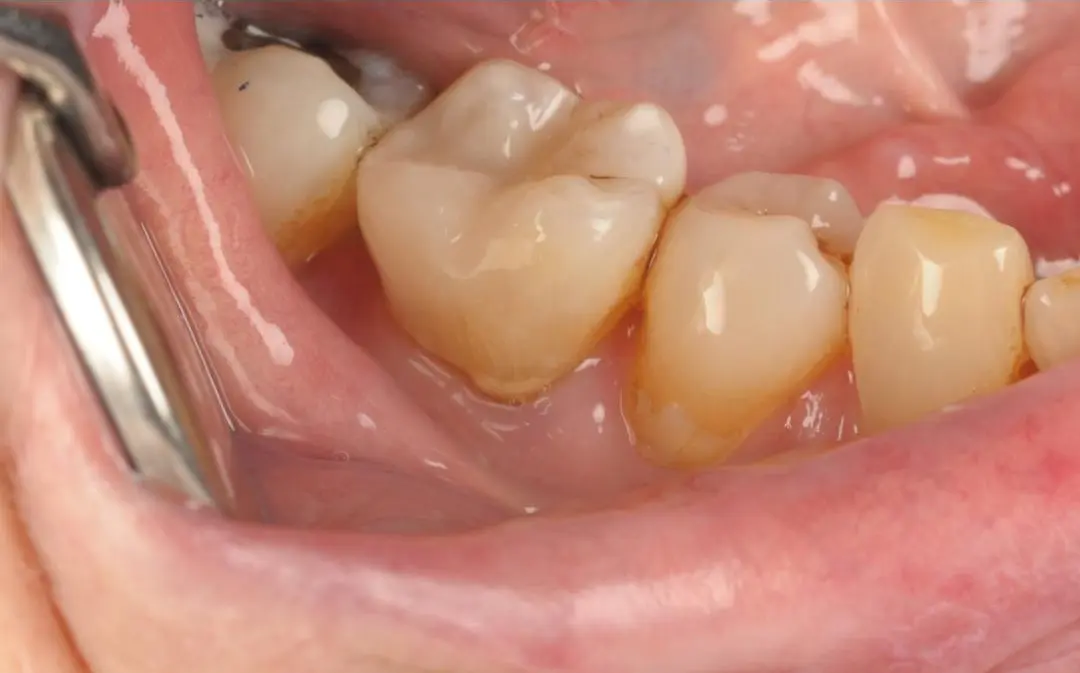
Real Patient Result: Emergency White Filling
Treatment by Dr Kamran
Oral ulcers or lesions on the tongue, palate, or throat area may cause pain during swallowing, particularly when eating acidic or hard foods.
Temporomandibular joint (TMJ) disorders affecting jaw movement can indirectly impact the early stages of swallowing by limiting the range of jaw motion or causing referred pain.
If you have noticed swallowing difficulties alongside any of these oral health concerns, discussing them with a dental professional may help to identify contributing factors. If dryness is part of the picture, this guide on managing dry mouth associated with cold and flu medications explains practical oral care considerations.
Common Causes of Dysphagia
Understanding the potential causes of swallowing difficulties helps patients make sense of their symptoms and seek the right professional support. Common contributing factors include:
Oral and Dental Causes
- Severe tooth decay or dental abscesses causing localised swelling
- Significant tooth loss affecting chewing mechanics
- Oral mucosal conditions such as oral lichen planus or candidiasis
- Dry mouth associated with medication or systemic disease
- Temporomandibular joint dysfunction
- Poorly fitting dentures affecting tongue or jaw movement
Throat and Upper Airway Causes
- Tonsillitis or peritonsillar abscess
- Pharyngitis (throat inflammation)
- Post-nasal drip or chronic throat irritation
- Laryngeal conditions affecting the voicebox area
Neurological and Systemic Causes
- Neurological conditions such as Parkinson's disease, stroke, or multiple sclerosis
- Head and neck cancers (assessed urgently by relevant specialists)
- Thyroid conditions causing structural pressure on the throat
- Acid reflux and gastro-oesophageal reflux disease (GORD)
This is not an exhaustive list. Every patient's experience is individual, and a thorough clinical history and examination are necessary to understand the specific cause.
Symptoms That May Accompany Dysphagia
Dysphagia rarely presents in isolation. Recognising associated symptoms can help both patients and clinicians build a clearer clinical picture. Symptoms that may accompany swallowing difficulties include:
- A sensation of food sticking in the throat or chest
- Coughing or choking during or after eating or drinking
- A gurgling or wet quality to the voice after swallowing
- Drooling or difficulty controlling saliva
- Pain when swallowing (odynophagia)
- Regurgitation of food or liquid
- Unexpected weight loss due to difficulty eating
- Hoarseness or changes in voice quality
- Recurrent chest infections (which may indicate aspiration)
- Discomfort or pressure in the throat, neck, or chest
From an oral health perspective, symptoms such as localised mouth or jaw pain, visible swelling inside the mouth, ulcers that persist for more than two weeks, or changes to the surface of the tongue or cheek lining should be assessed professionally, as they may contribute to swallowing difficulties and warrant evaluation in their own right.
In some patients, discomfort while swallowing may overlap with problems around partially erupted back teeth; this article on difficulty swallowing linked to wisdom tooth issues may help as additional context.
The Clinical Science Behind Swallowing and Oral Health
Understanding the underlying anatomy involved in swallowing helps explain why oral health matters in this context.
Swallowing occurs in three phases:
1. The Oral Phase (voluntary)
The tongue moves food (the bolus) towards the back of the mouth. Adequate dentition, tongue function, saliva production, and palatal integrity are all required for this phase to function properly. Dental problems that affect chewing, tongue mobility, or saliva production can impair this stage.
2. The Pharyngeal Phase (involuntary reflex)
The soft palate rises to seal the nasal passage, the larynx elevates to protect the airway, and the pharyngeal muscles contract to propel the bolus downward. Swelling, infection, or structural changes in the throat can interfere with this phase.
3. The Oesophageal Phase
The upper oesophageal sphincter relaxes, and peristaltic muscle contractions carry the bolus down to the stomach. Conditions affecting the oesophagus or lower digestive system are implicated here.
In dentistry, the oral phase is most directly relevant. A healthy mouth — with adequate dentition, moist mucosal tissues, functional saliva, and a well-supported jaw — contributes significantly to safe, comfortable swallowing. Poor oral health, missing teeth, or untreated dental disease can compromise this phase and exacerbate swallowing difficulties.
Where tongue mobility is significantly restricted by soft tissue attachment, clinicians may also consider whether frenum-related issues are contributing; this overview of frenectomies for tongue-tie and lip-tie management explains that pathway.
Saliva, in particular, is often underappreciated. It lubricates food, initiates digestion, and helps form the bolus. Salivary gland dysfunction or medication-induced dry mouth can measurably affect swallowing safety and comfort.
When Professional Dental Assessment May Be Appropriate
There are a number of situations in which a dental assessment may be a helpful and appropriate step when experiencing swallowing difficulties. A dentist is well placed to assess the oral cavity, surrounding structures, and associated symptoms.
You may wish to consider seeking a dental review if you notice:
- Swelling inside the mouth or jaw that was not previously present and may be associated with a dental infection or abscess
- Difficulty opening the mouth fully, which can restrict swallowing mechanics
- Oral ulcers or sores lasting more than two weeks that have not resolved on their own
- Pain on swallowing that appears to originate from the mouth, jaw, or base of the tongue
- Changes in the appearance of oral tissues, such as white or red patches on the tongue, cheeks, or gums
- Discomfort related to dentures that may be affecting tongue movement or producing pressure on surrounding tissues
- Dry mouth symptoms that are persistent and affecting eating or comfort
It is equally important to seek medical review through your GP, an ENT specialist, or an appropriate urgent care pathway if swallowing difficulties are severe, rapidly worsening, associated with significant weight loss, or accompanied by breathing difficulties.
Dental symptoms and treatment options should always be assessed individually during a clinical examination. A dental professional can determine whether the symptoms you are experiencing fall within their scope of assessment or require onward referral to the appropriate medical specialist.
If you are in London and experiencing oral symptoms that may be contributing to swallowing discomfort, you may find it helpful to explore same-day emergency dental assessment options, subject to availability and clinical triage, for prompt review and onward referral where required.
Oral Health Prevention: Maintaining a Healthy Mouth to Support Comfortable Swallowing
Whilst not all causes of dysphagia are preventable, maintaining good oral health is a meaningful and practical step that supports comfortable swallowing and overall wellbeing.
Regular dental check-ups allow a dental professional to identify and address dental decay, gum disease, salivary concerns, or soft tissue changes before they progress to a stage that might affect oral function.
Staying well hydrated helps maintain adequate saliva production, which is essential for comfortable swallowing. Many patients who experience dry mouth find that sipping water throughout the day, particularly during meals, helps lubricate food and aids swallowing.
Addressing tooth loss promptly with appropriate dental treatment — such as dentures, dental bridges, or implants — helps preserve chewing function and reduces the risk of swallowing larger, inadequately chewed food particles.
Managing dental pain or infection without delay is important. Untreated dental abscesses can cause localised swelling that may physically impair swallowing, and delaying care allows infections to spread.
Reviewing medications with your GP if you experience dry mouth as a side effect can be valuable. Some medications significantly reduce saliva production, and adjustments or supplementary treatments may be available.
Maintaining a balanced diet that is gentle on the teeth whilst nutritious supports both oral and systemic health. Avoiding excessive acidic or sugary foods and drinks reduces the risk of tooth erosion and decay, which can indirectly affect oral function.
If denture fit or missing teeth may be affecting your swallowing comfort, discussing your options with a dental professional can help identify the safest and most suitable next steps for your individual circumstances.
Key Points to Remember
- Dysphagia is the clinical term for swallowing difficulties and may relate to oral, dental, neurological, or systemic causes.
- The oral phase of swallowing depends on healthy teeth, adequate saliva, tongue function, and well-maintained oral tissues.
- Oral health conditions such as dental infections, dry mouth, poorly fitting dentures, or persistent ulcers may contribute to swallowing difficulties and warrant professional review.
- Swallowing difficulties that persist, worsen, or are accompanied by pain, significant changes in eating, or other concerning symptoms should be assessed by an appropriate healthcare professional.
- A dentist can assess the oral cavity and surrounding structures, but may refer to other specialists depending on the cause of symptoms.
- Good oral hygiene, regular dental check-ups, and prompt treatment of dental conditions supports healthy oral function, including comfortable swallowing.
Frequently Asked Questions About Dysphagia and Oral Health
Can dental problems cause swallowing difficulties?
Yes, in some cases oral health conditions may contribute to swallowing difficulties. Dental abscesses causing swelling, poorly fitting dentures restricting tongue movement, dry mouth reducing saliva, or persistent oral ulcers causing pain can all affect the early stages of swallowing. If you are experiencing swallowing discomfort alongside an oral health concern, a dental assessment may help identify whether there is a contributing oral factor. Not all swallowing difficulties originate in the mouth, however, and some cases will require medical assessment.
When should I see a dentist versus a doctor for swallowing problems?
If your swallowing difficulties appear to be linked to a dental concern — such as jaw swelling, mouth pain, an abscess, oral ulcers, or denture problems — a dentist is a reasonable first point of contact. However, if swallowing difficulties are severe, rapidly worsening, associated with weight loss, breathing difficulties, or do not appear related to oral health, seeking assessment through your GP or an urgent care pathway is more appropriate. In some cases, both dental and medical review may be recommended.
What is dry mouth and how does it affect swallowing?
Dry mouth, known clinically as xerostomia, occurs when the salivary glands do not produce sufficient saliva. Saliva plays a critical role in lubricating food, forming it into a swallowable bolus, and protecting oral tissues. Without adequate saliva, swallowing can become uncomfortable, and patients may find it harder to eat dry foods. Dry mouth is commonly associated with certain medications, systemic conditions, or salivary gland disorders. A dentist or GP can help assess and manage dry mouth symptoms.
Can oral ulcers cause pain when swallowing?
Yes. Oral ulcers located on the tongue, soft palate, throat, or other areas of the mouth can cause pain or discomfort during swallowing, particularly when eating or drinking acidic, spicy, or hard foods. Most mouth ulcers are benign and resolve within one to two weeks. However, ulcers that persist beyond two weeks, are unusually large, or do not heal should be examined by a dental professional, as persistent oral lesions warrant clinical review.
Is dysphagia always a serious condition?
Not always. Many people experience mild, temporary swallowing difficulties related to common causes such as a sore throat, a minor infection, or eating too quickly. However, persistent, worsening, or unexplained swallowing difficulties — particularly when accompanied by other symptoms such as unexplained weight loss, voice changes, pain, or breathing difficulties — should be assessed by an appropriate healthcare professional promptly. Dysphagia is a symptom, not a diagnosis, and its significance depends on its underlying cause.
What should I do if I notice swelling in my mouth alongside swallowing difficulties?
Swelling inside the mouth or jaw, particularly if associated with dental pain, fever, or swallowing difficulties, should be assessed by a dental professional promptly. Dental abscesses can cause significant swelling that may affect surrounding structures and, in some circumstances, can spread if left untreated. A dentist can examine the affected area and recommend appropriate management. If swelling is severe, causing difficulty breathing, or spreading rapidly, seek urgent medical attention.
Conclusion
Swallowing difficulties can feel unsettling, particularly when they are persistent or interfere with everyday eating and drinking. Understanding dysphagia — and recognising the meaningful role that oral health plays in swallowing function — is an important first step in knowing when and where to seek appropriate support.
From dental abscesses and dry mouth to poorly fitting dentures and persistent oral ulcers, there are a number of oral health conditions that may contribute to or worsen swallowing difficulties. A dental professional is well placed to assess the oral cavity and provide guidance or onward referral where appropriate.
If you are experiencing swallowing difficulties alongside any oral health concerns, a professional clinical review is always a sensible step. Early assessment allows a clinician to evaluate your symptoms and determine appropriate next steps. Understanding your symptoms clearly can help you communicate effectively with your healthcare professional.
Dental symptoms and treatment options should always be assessed individually during a clinical examination.
If you are based in London and would like to discuss oral symptoms that may be affecting your comfort or function, the team at Emergency Dentist in London may offer same-day appointments for urgent dental concerns, subject to availability and clinical triage.
Disclaimer
This article is for educational and informational purposes only.
It does not constitute professional dental or medical advice, diagnosis, or treatment recommendation.
Swallowing symptoms and oral concerns require individual face-to-face clinical assessment.
If your symptoms persist, worsen, or cause concern, seek professional advice promptly.
No treatment outcomes are guaranteed; this content follows GDC, CQC, ASA CAP, and GMC communication guidance.