
A toothache has an uncanny ability to arrive at the worst possible moment. Whether you have a wedding, a job interview, a holiday flight, a presentation, or a special celebration approaching, the timing of dental pain can feel spectacularly unhelpful. You need to look your best, feel confident, and focus on what matters — not be distracted by a throbbing tooth.
It is one of the most common scenarios that brings people to search for quick toothache relief online. The event is hours or days away, and you need to manage the situation effectively until you can see a dentist — or ideally, get the problem resolved before the big day. A toothache before an important event is stressful, but understanding what is happening, knowing which temporary relief measures actually work, and having a clear plan of action can make a significant difference.
This article explains why toothache tends to flare up at inconvenient times, provides practical and clinically sound relief tips you can use in the short term, explains what may be causing your pain, and outlines how an emergency dentist can help — even at short notice.
Experiencing these symptoms?
Delaying treatment can lead to tooth loss. We have slots available today.
How Can You Quickly Relieve a Toothache Before an Important Event?
Quick answer: To relieve a toothache before an important event, take over-the-counter anti-inflammatory pain relief such as ibuprofen, rinse gently with warm salt water, avoid very hot, cold, or sweet foods on the affected side, and apply a cold compress externally if there is swelling. These measures can provide temporary comfort. For definitive relief, same-day emergency dental appointments may be available, subject to availability, to address the underlying cause before your event.
Why Does Toothache Seem to Strike at the Worst Time?
It is not just bad luck. There are genuine clinical and physiological reasons why dental pain tends to appear — or intensify — at the most inconvenient moments.
Stress. Periods leading up to important events are often stressful. Stress triggers a cascade of effects that can worsen dental symptoms. Cortisol levels rise, immune function dips slightly, and inflammatory responses can increase. If there is an underlying dental problem that your body has been keeping in check — a low-grade infection, early pulpitis, or gum inflammation — stress can tip the balance and allow symptoms to break through. Stress also increases the likelihood of clenching and grinding your teeth, which can aggravate existing sensitivity.
Meet Dr. Yasha Shirazi
Principal Dentist at Emergency Dentist London
"We treat hundreds of dental emergencies every month. The sooner you come in, the easier the fix usually is."
Book an appointment with our team →Changes in routine. In the days before a significant event, your normal habits may shift. You might be eating different foods, consuming more sugar or alcohol, sleeping less, or neglecting your usual oral hygiene routine. Each of these factors can contribute to inflammation and pain in a tooth that was already vulnerable.
Delayed attention. Many people put off addressing minor dental niggles — a twinge here, a bit of sensitivity there — because life is busy. Then, as the event approaches and stress mounts, that minor issue escalates into something that demands attention.
Coincidence and awareness. Pain that you might tolerate on a normal day feels more significant when you know you need to be at your best. Heightened awareness and anxiety about the event can amplify your perception of pain — a well-documented phenomenon in pain science.
Understanding What May Be Causing Your Toothache
Knowing the likely cause of your pain helps you manage it more effectively and communicate clearly with your dentist if you seek emergency care. Common causes of acute toothache include:
Dental decay (cavities). If a cavity has been developing silently, it may reach the dentine — the sensitive layer beneath the enamel — and cause sharp pain in response to sweet, hot, or cold stimuli. If the decay reaches the pulp (the nerve), the pain can become constant and throbbing.
A cracked or fractured tooth. Cracks can develop from biting hard foods, grinding, or trauma. A cracked tooth may cause intermittent sharp pain when chewing or when exposed to temperature changes. The pain often comes and goes, making it difficult to identify the affected tooth.
A lost or loose filling. An old filling that has loosened or fallen out exposes the underlying dentine, which can become intensely sensitive. This is one of the most common causes of sudden toothache. Our lost filling and crown replacement service can restore the tooth, often in a single appointment.
Gum inflammation or infection. Swollen, tender gums — whether from gum disease, a food trap between teeth, or an abscess — can produce a deep, aching pain that radiates into the teeth and jaw.
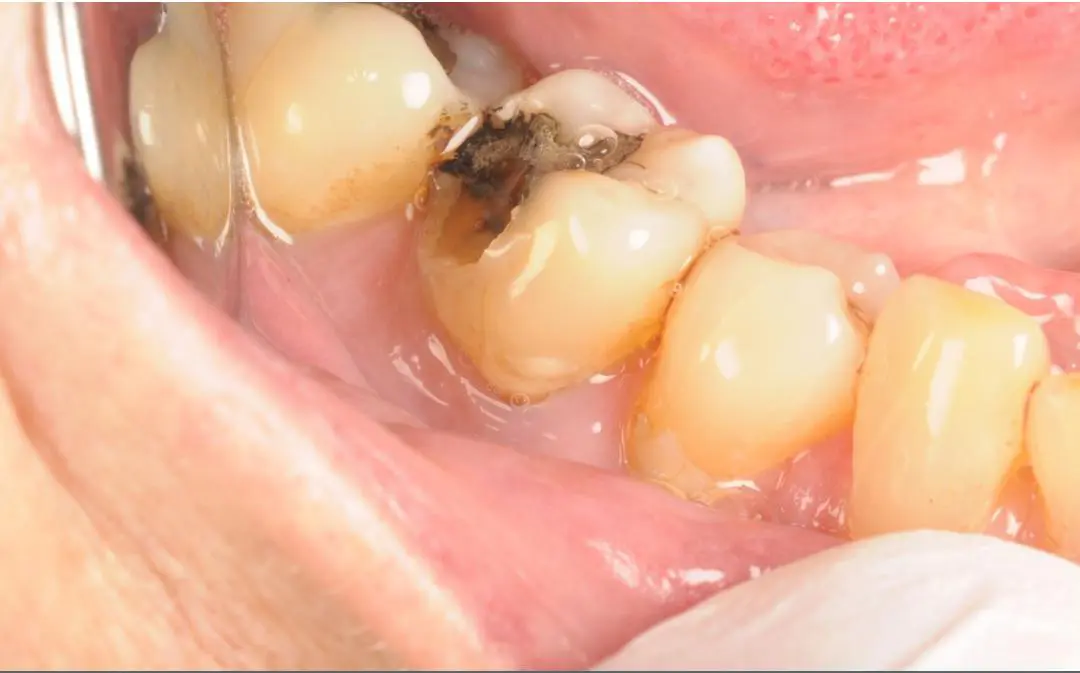
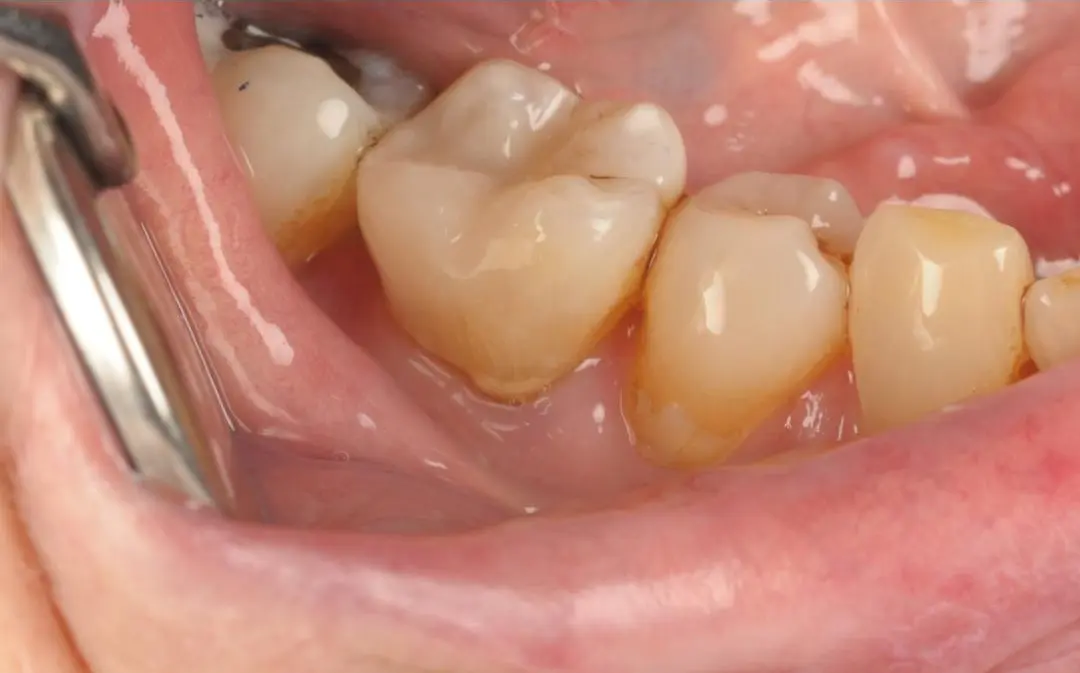
Real Patient Result: Emergency White Filling
Treatment by Dr Kamran
Pulpitis. Inflammation of the tooth's pulp (nerve tissue) can cause anything from mild sensitivity to severe, spontaneous, throbbing pain. Reversible pulpitis may settle with treatment of the cause. Irreversible pulpitis typically requires root canal treatment or extraction.
The Dental Science Behind Toothache Pain
Understanding why toothache feels so intense — often disproportionate to the size of the problem — requires a brief look at tooth anatomy and nerve supply.
Each tooth contains a chamber of soft tissue called the pulp, which houses blood vessels and nerve fibres. These nerve fibres are branches of the trigeminal nerve — one of the largest and most sensitive nerves in the body. The trigeminal nerve also supplies sensation to the face, jaw, sinuses, and temples, which is why dental pain can radiate to the ear, eye, or head.
The pulp sits within a rigid shell of dentine and enamel. Unlike most soft tissues in the body, the pulp cannot swell outward when it becomes inflamed — it is trapped inside the tooth. This means that even mild inflammation creates pressure within the pulp chamber, compressing the nerve fibres and producing intense pain. This is why toothache can feel severe even when the underlying cavity or crack appears small.
Dentine itself is sensitive. It contains thousands of microscopic tubules filled with fluid. When stimuli — such as cold, heat, sweet substances, or air — reach the dentine, the fluid within these tubules moves and triggers nerve endings in the pulp. This is the mechanism behind the sharp, shooting sensitivity you may feel when eating or drinking.
Quick Relief Tips for Toothache Before Your Event
These measures can help manage toothache symptoms temporarily. They are not substitutes for dental treatment, but they can provide comfort in the hours or days before you can see a dentist — or help you get through your event with less discomfort.
1. Take anti-inflammatory pain relief
Ibuprofen is often the most effective over-the-counter option for dental pain because it reduces both pain and inflammation. Take it as directed on the packaging — typically 200"–400 mg every four to six hours, with food. If ibuprofen is not suitable for you (for example, if you have asthma, stomach ulcers, or are taking certain medications), paracetamol is a reasonable alternative. You can alternate ibuprofen and paracetamol for more sustained relief, as they work through different mechanisms. Do not exceed the recommended doses of either.
2. Rinse with warm salt water
Dissolve half a teaspoon of salt in a glass of warm water and rinse gently around the affected area for 30 seconds. Spit it out — do not swallow. Salt water has a mild antibacterial and anti-inflammatory effect. It can help reduce gum swelling, clean debris from around the tooth, and provide temporary soothing relief. Repeat every few hours as needed.
3. Apply a cold compress
If there is any swelling or if the pain is throbbing, apply a cold compress — a bag of frozen peas wrapped in a tea towel works well — to the outside of your cheek on the affected side. Use it for 15 minutes on, 15 minutes off. The cold constricts blood vessels, reducing inflammation and partially numbing the area. Do not apply ice directly to the skin or gum.
4. Avoid triggers
Until you can see a dentist, steer clear of the things that make the pain worse. Common triggers include very hot or very cold drinks, sweet or acidic foods, chewing on the affected side, and cold air hitting the tooth. Eat soft, lukewarm foods and chew on the opposite side. If cold air worsens the pain, try breathing through your nose rather than your mouth.
5. Use temporary filling material if a filling is lost
If the toothache is caused by a lost filling, over-the-counter temporary filling kits — available from most pharmacies including Boots and Superdrug — can provide a temporary seal. Press the soft, putty-like material into the cavity to cover the exposed dentine. This reduces sensitivity and protects the tooth from bacteria and food debris until your dental appointment.
6. Try clove oil for localised relief
Clove oil contains eugenol, a natural compound with mild analgesic and antiseptic properties. Apply a small amount to a cotton ball and dab it gently on the affected area. It may provide temporary numbing relief. Use sparingly — excessive application can irritate the surrounding gum tissue. Clove oil is available from pharmacies and health food shops.
7. Keep your head elevated
If your toothache worsens at night — as many do — sleeping with your head slightly elevated on an extra pillow can help. This reduces blood flow to the head and decreases the pressure that builds up in an inflamed tooth, which is one reason why toothache often feels worse when lying flat.
Can an Emergency Dentist Help Before Your Event?
Yes — and this is often the best option if your event is important and your pain is significant. Many private emergency dental practices in London offer same-day appointments, subject to availability. An emergency appointment can achieve several things that self-care measures cannot:
Accurate diagnosis. A clinical examination and X-ray can identify exactly what is causing your pain — whether it is decay, a crack, a loose filling, an abscess, or something else entirely.
Definitive treatment. In many cases, the problem can be resolved during a single appointment. A new filling can be placed, a loose crown re-cemented, an abscess drained, or a prescription provided if antibiotics are clinically indicated.
Effective pain relief. Professional pain management is significantly more effective than over-the-counter options alone. If needed, the dentist can administer local anaesthetic to provide immediate relief while treatment is carried out.
Peace of mind. Knowing that the problem has been properly assessed and addressed allows you to attend your event with confidence rather than anxiety.
If you are experiencing a toothache before an important event, our severe toothache treatment service is designed to assess and manage dental pain promptly. Same-day appointments are available, subject to availability.
When Professional Dental Assessment May Be Needed
While mild, brief toothache may settle with the self-care measures described above, certain symptoms indicate that seeing a dentist sooner rather than later would be beneficial — ideally before your event if possible:
Pain that is constant, severe, or worsening over hours
Throbbing pain that keeps you awake at night
Swelling of the gum, cheek, or face
A bad taste in the mouth or visible pus — signs of possible infection
Pain that is not adequately controlled by over-the-counter pain relief
A visible hole, crack, or lost filling in the tooth
Sensitivity that makes it impossible to eat or drink normally
Fever or feeling generally unwell alongside dental pain
If you experience facial swelling that is spreading rapidly, difficulty swallowing, or difficulty breathing, call 999 or attend A&E immediately — these symptoms may indicate a serious infection requiring urgent medical attention.
For dental symptoms that do not meet the threshold for A&E, calling NHS 111 can provide guidance on accessing urgent dental care. Alternatively, contacting an emergency dental practice directly is often the fastest route to relief.
Prevention: Avoiding Last-Minute Dental Problems
The best way to avoid a toothache before an important event is to address dental health proactively. A few simple habits and planned steps can significantly reduce the risk of unwelcome surprises.
Schedule a dental check-up well before major events. If you have a wedding, holiday, or other significant occasion approaching, booking a routine dental examination four to six weeks beforehand gives your dentist time to identify and treat any developing problems — a small cavity, a weakened filling, early gum disease — before they become painful.
Do not ignore early warning signs. A twinge when eating something cold, a tooth that feels slightly rough, or gums that bleed occasionally are all signals that something may be developing. Addressing these early is almost always simpler, quicker, and less expensive than waiting for an emergency.
Maintain consistent oral hygiene. Brushing twice daily with fluoride toothpaste, cleaning between teeth with floss or interdental brushes, and using a fluoride mouthwash provide ongoing protection against the decay and gum disease that cause most toothaches.
Manage stress and grinding. If you know you clench or grind your teeth — particularly during stressful periods — speak to your dentist about a custom night guard. This protects both your teeth and jaw from the excessive forces that can trigger pain.
Pack a dental first-aid kit for travel. If your event involves travelling, include temporary filling material, clove oil, ibuprofen, paracetamol, and dental wax in your luggage. These items take up minimal space and can provide invaluable relief if a problem arises.
What to Avoid When Managing Toothache at Home
In the rush to find relief before an event, some commonly suggested remedies can actually make things worse. Knowing what to avoid is as important as knowing what helps.
Do not apply aspirin directly to the gum. This is an old home remedy that persists online, but placing aspirin on the gum tissue can cause a chemical burn (aspirin burn) to the soft tissue. Aspirin is effective when swallowed as directed — not applied topically.
Do not use heat on swelling. If your face or gum is swollen, applying warmth can increase blood flow to the area and worsen the swelling. Use a cold compress instead.
Do not consume excessive alcohol as pain relief. While alcohol may temporarily numb sensation, it can increase inflammation, interact with pain medication, and dehydrate you — all of which can make dental pain worse the following day. This is particularly worth noting if your event involves alcohol.
Do not use household adhesives to reattach dental work. If a crown or filling has come loose, superglue and similar adhesives are not safe for oral use. Use over-the-counter temporary dental cement or denture adhesive as a short-term measure.
Do not ignore worsening symptoms. If pain is escalating, swelling is developing, or you feel feverish, these are signs that the problem needs professional attention — not stronger home remedies.
Key Points to Remember
A toothache before an important event is common and often linked to stress, changes in routine, or a pre-existing dental issue reaching a tipping point
Ibuprofen, warm salt water rinses, cold compresses, and avoiding triggers are the most effective temporary relief measures
Same-day emergency dental appointments can often resolve the problem before your event, subject to availability
Booking a routine dental check-up four to six weeks before a major event is the most reliable way to prevent last-minute dental problems
Avoid harmful home remedies such as placing aspirin on the gum, applying heat to swelling, or using household adhesives on dental work
Persistent, severe, or worsening symptoms — especially with swelling — warrant professional dental assessment
Frequently Asked Questions
How quickly can an emergency dentist see me before an event?
Many private emergency dental practices in London offer same-day appointments. If you call early in the day, you can often be seen within a few hours. The dentist will assess the problem, explain your options, and — where possible — carry out treatment during the same visit. This may include placing a new filling, re-cementing a crown, draining an abscess, or prescribing medication. If your event is the same day, let the practice know when you call so they can prioritise accordingly. Availability varies, so calling as early as possible gives you the best chance of being seen promptly.
Will ibuprofen or paracetamol work for severe toothache?
Over-the-counter pain relief can be effective for managing moderate dental pain on a temporary basis. Ibuprofen is often the most helpful option because it reduces both pain and inflammation. Paracetamol works through a different mechanism and can be alternated with ibuprofen for more sustained relief. However, for severe toothache — particularly pain caused by an abscess or irreversible pulpitis — over-the-counter medication may only partially control the symptoms. If the pain is not adequately managed by standard doses, this is a sign that professional dental treatment is needed to address the underlying cause.
Can stress actually cause a toothache?
Stress does not directly cause decay or dental disease, but it can trigger or worsen toothache in several ways. Stress commonly leads to teeth clenching and grinding (bruxism), which places excessive force on the teeth and can cause aching, sensitivity, and even cracking. Stress also affects the immune system, potentially allowing a low-grade dental infection to flare up. Additionally, stress can lower your pain threshold, meaning that a dental issue you might normally tolerate becomes noticeable and distressing. Managing stress through exercise, adequate sleep, and relaxation techniques can help reduce the likelihood of stress-related dental flare-ups. For more on this connection, see our article on dental emergencies in London.
Is it safe to attend my event with a toothache?
In most cases, attending your event with a managed toothache is perfectly safe, though not ideal. If you have taken appropriate pain relief, avoided triggers, and the pain is at a tolerable level, there is no medical reason you cannot attend. However, if you have significant swelling, fever, or difficulty eating and drinking, these symptoms suggest an active infection that benefits from professional treatment before the event if possible. The risk of attending with an untreated infection is that symptoms may worsen during the event itself.
What should I eat if I have a toothache before an event?
Stick to soft, lukewarm foods that do not require heavy chewing. Good options include soup (not too hot), yoghurt, scrambled eggs, mashed potato, pasta, and smoothies. Avoid very hot or very cold foods and drinks, sweet or acidic items, crunchy foods like crisps or nuts, and anything that requires biting with the affected tooth. Chew on the opposite side of your mouth. If your event involves a meal, you can often manage by choosing softer menu options and eating slowly. Avoiding alcohol may also help, as it can increase inflammation and interact with pain medication.
Conclusion
A toothache before an important event is an unwelcome but common experience. The combination of stress, disrupted routines, and pre-existing dental vulnerabilities often conspires to produce pain at the least convenient moment. The good news is that effective temporary relief is achievable with straightforward measures — anti-inflammatory pain relief, salt water rinses, cold compresses, and trigger avoidance — and that emergency dental care can often resolve the underlying problem quickly, even at short notice.
The most effective prevention strategy is proactive dental care. A routine check-up well before any major event gives your dentist the opportunity to identify and address problems before they escalate into emergencies. If you are already experiencing toothache, seeking professional advice sooner rather than later gives you the best chance of arriving at your event comfortable and confident.
Dental symptoms and treatment options should always be assessed individually during a clinical examination. If you are experiencing a toothache before an important event, a professional dental assessment can identify the cause and provide the most appropriate relief for your situation.
Disclaimer: This article is for general information only and does not replace professional dental advice. Always consult a qualified dentist for diagnosis and treatment.
Article reviewed: March 2026 · Next review due: March 2027
This article was written by the Emergency Dentist London editorial team and medically reviewed by a GDC-registered dental professional. It is intended for general informational purposes and should not replace individual advice from your dentist or GP. Emergency Dentist London is a CQC-registered dental practice.
Sources: NHS — Toothache · NHS — Dental Abscess · General Dental Council · British Dental Association
🦷 Toothache Before a Big Day? We Can Help
Same-day emergency appointments available at our South Kensington practice, subject to availability. No registration required.
🖞 Call us now: 020 3137 6356
Watch: Your Emergency Dental Appointment Explained
Disclaimer
This article is for general educational purposes only and does not constitute professional dental advice, diagnosis, or treatment. Every patient's circumstances are unique; dental symptoms and treatment options should always be assessed during a clinical examination by a qualified dental professional. No specific outcomes are guaranteed. This content has been prepared in line with GDC, CQC, ASA CAP Code, and GMC communication standards. If you have concerns about your oral health, please contact a registered dentist.