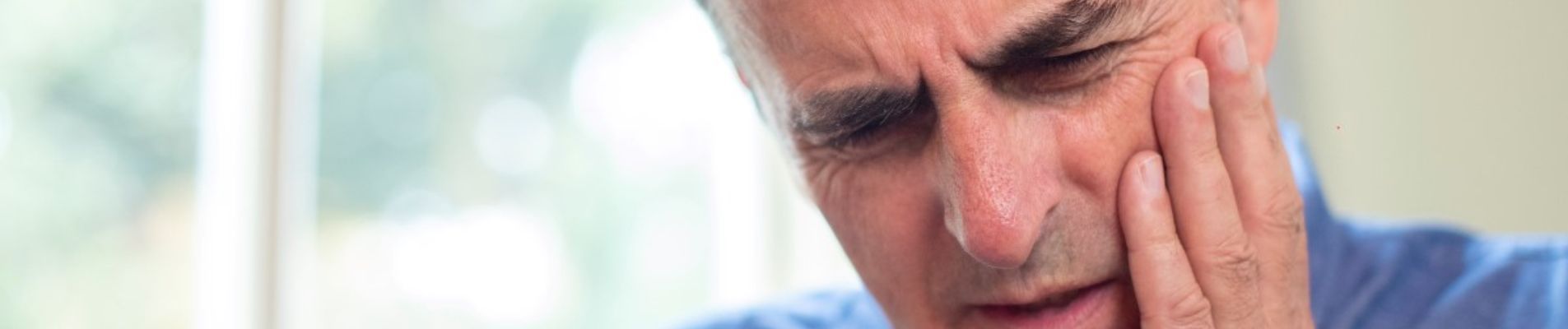
A blow to the mouth during a football match, a stray elbow on the basketball court, or an unexpected collision during a weekend cycle — sports-related dental injuries are more common than many people realise. If you have recently experienced a knock to your teeth during physical activity, you may be searching online for information about tooth repair after a sports injury, wondering what steps to take and whether the damage can be treated.
Understanding how dental trauma occurs, what the early signs of damage may look like, and which treatment approaches may be considered can help you make informed decisions about your oral health. Sports injuries to teeth range from minor chips and cracks to more significant fractures or even tooth displacement, and the right response often depends on the nature and severity of the injury.
If the impact appears to have cracked a tooth through the middle rather than causing a small surface chip, our guide to a tooth split in half explains how the severity of a fracture can influence treatment planning.
Experiencing these symptoms?
Delaying treatment can lead to tooth loss. We have slots available today.
This guide provides educational information about the causes, symptoms, and treatment considerations associated with dental injuries sustained during sport. It also covers practical prevention advice that may help reduce the risk of future damage. Where symptoms are present or there is any concern, seeking prompt professional dental assessment is always advisable.
What Is Tooth Repair After a Sports Injury?
Tooth repair after a sports injury refers to the range of dental treatments that may be used to restore teeth that have been chipped, cracked, fractured, loosened, or knocked out as a result of physical trauma during sporting activities. Treatment options may include dental bonding, veneers, crowns, root canal therapy, or re-implantation of an avulsed (knocked-out) tooth, depending on the type and extent of the damage. A clinical dental examination is necessary to assess the injury and determine which approach may be most suitable for each individual case.
Understanding How Sports Injuries Affect Your Teeth
Common Causes of Dental Injuries in Sport
Sports-related dental injuries can occur across a wide variety of activities, not only those traditionally considered high-risk. Contact sports such as rugby, boxing, and martial arts carry well-recognised risks, but injuries also frequently occur during football, hockey, cricket, cycling, and even recreational activities like skateboarding or trampolining.
Meet Dr. Yasha Shirazi
Principal Dentist at Emergency Dentist London
"We treat hundreds of dental emergencies every month. The sooner you come in, the easier the fix usually is."
Book an appointment with our team →The most common mechanisms of dental trauma during sport include:
- Direct impact — a ball, stick, or piece of equipment striking the mouth area
- Player-to-player contact — accidental collisions, elbows, or head clashes
- Falls — landing face-first on a hard surface or against equipment
- Indirect trauma — a forceful blow to the chin causing the upper and lower teeth to slam together
The front teeth (incisors) are particularly vulnerable to sports injuries due to their position in the mouth. However, side and back teeth can also sustain damage, especially when the jaw absorbs a heavy impact. Children and young adults participating in sports may be at increased risk due to developing dental structures and higher levels of physical activity.
Understanding the cause and mechanism of injury can help dental professionals assess the likely extent of damage during a clinical examination.
Types of Dental Injuries From Sports Trauma
Not all sports-related dental injuries are the same. The type and severity of damage can vary considerably depending on the force and direction of the impact. Common types of dental injuries include:
- Enamel cracks or craze lines — fine surface cracks that may not cause immediate pain but can indicate underlying stress to the tooth
- Chipped teeth — small pieces of tooth structure broken away, often affecting the biting edge of front teeth
- Fractured teeth — more significant breaks that may extend into the dentine layer or, in severe cases, expose the dental pulp (nerve)
- Loosened teeth (subluxation) — teeth that have been moved within their socket but not fully displaced
- Displaced teeth (luxation) — teeth pushed out of their normal position, either inwards, outwards, or sideways
- Avulsed teeth — teeth completely knocked out of the socket
- Root fractures — breaks in the root of the tooth beneath the gum line, which may not be immediately visible
- Jaw injuries — fractures or bruising to the jawbone, which may accompany dental trauma
Each type of injury may require a different treatment approach, and some injuries that appear minor on the surface may involve deeper structural damage that only a clinical and radiographic examination can reveal.
The Dental Science Behind Tooth Trauma
Understanding a little about tooth anatomy can help explain why dental injuries from sports can vary so much in severity and why treatment needs differ from case to case.
Each tooth is made up of several layers:
- Enamel — the hard, white outer layer that protects the visible part of the tooth. Enamel is the hardest substance in the human body, but it is also brittle and can crack or chip under sudden impact.
- Dentine — the layer beneath the enamel, which is slightly softer and more yellowish. Dentine contains microscopic tubes that connect to the nerve of the tooth, which is why damage reaching this layer may cause sensitivity or discomfort.
- Dental pulp — the innermost part of the tooth, containing the nerve, blood vessels, and connective tissue. When a fracture extends into the pulp, there is a risk of infection, and more complex treatment such as root canal therapy may be required.
- Cementum and periodontal ligament — structures that anchor the tooth root into the jawbone. Trauma can damage these supporting structures, causing the tooth to become loose or displaced even if the visible crown appears intact.
When a tooth sustains an impact, the force can travel through these layers in unpredictable ways. A tooth may appear intact externally but have sustained a root fracture or pulp injury. This is one reason why professional dental assessment, often including dental X-rays, is important following any significant mouth trauma — even if there is no visible damage or immediate pain.


Real Patient Result: Emergency White Filling
Treatment by Dr Kamran
Treatment Approaches for Sports-Related Dental Injuries
The treatment required for a dental injury sustained during sport depends on the nature of the damage, the tooth involved, and the patient's overall oral health. Below are some of the treatment approaches that may be considered following a clinical assessment.
Minor Chips and Cracks
Small chips affecting only the enamel may be treated with dental bonding, where a tooth-coloured composite resin material is shaped and applied to restore the tooth's appearance and protect the exposed surface. In some cases, minor smoothing or polishing of a rough edge may be sufficient. Although small chips may not cause pain, having them assessed is advisable, as underlying damage is not always visible. If the concern is primarily cosmetic, our article on veneers for chipped teeth explains another option that may sometimes be discussed for front teeth.
Moderate Fractures
Where a fracture extends into the dentine or involves a larger portion of the tooth, treatment options may include a dental crown or porcelain veneer to restore the structure, function, and appearance of the tooth. The choice of restoration depends on the location and extent of the fracture, as well as the amount of remaining healthy tooth structure. If a crown is being considered, our guide on when a broken tooth may need a crown gives more detail about why this option is sometimes recommended.
Severe Fractures Involving the Pulp
If the dental pulp is exposed or damaged, root canal treatment may be necessary to remove the affected tissue and seal the inside of the tooth before a crown is placed. Prompt treatment is important to reduce the risk of infection.
Loosened or Displaced Teeth
Teeth that have been loosened or pushed out of position may need to be gently repositioned and splinted (temporarily bonded to adjacent teeth) to allow the supporting structures to heal. Monitoring over the following weeks and months is typically recommended, as complications such as pulp death can sometimes develop after the initial injury.
Knocked-Out (Avulsed) Teeth
A permanent tooth that has been completely knocked out may potentially be re-implanted if the patient receives dental attention promptly. Time is a critical factor — the chances of successful re-implantation are generally higher when the tooth is replaced within 30 to 60 minutes. If a tooth is knocked out, handling it by the crown (not the root), keeping it moist (ideally in milk or the patient's own saliva), and seeking emergency dental care as quickly as possible may improve the outcome. However, successful re-implantation cannot be guaranteed, and the long-term prognosis depends on various clinical factors.
Replacement Options for Lost Teeth
Where a tooth cannot be saved, replacement options such as dental implants, bridges, or dentures may be discussed with your dentist following a thorough assessment and appropriate healing period. If you are comparing longer-term replacement approaches, our overview of implants vs bridges for replacing teeth may be helpful.
It is important to note that all treatment outcomes depend on individual clinical circumstances, and your dentist will discuss the most appropriate options based on your specific situation.
When Professional Dental Assessment May Be Needed
Following any blow to the mouth or face during sport, it is sensible to consider a dental assessment — even if symptoms seem mild or there is no visible damage. Some dental injuries may not produce immediate pain or obvious signs but can develop complications over time if left unexamined.
Situations where seeking professional dental evaluation may be particularly appropriate include:
- A tooth has been chipped, cracked, or broken — even small fractures can benefit from assessment to rule out deeper damage
- A tooth feels loose or has shifted position — this may indicate injury to the root or surrounding bone
- A tooth has been knocked out — prompt dental attention is important for the best chance of re-implantation
- Persistent or increasing pain — discomfort that does not settle, or worsens over the hours and days following an injury, may suggest pulp involvement or infection
- Sensitivity to hot, cold, or sweet foods — this can indicate exposed dentine or nerve irritation
- Swelling of the gum, lip, or face — swelling may be a sign of infection or a more significant underlying injury
- Bleeding from the mouth that does not stop — prolonged bleeding may require professional attention
- Difficulty biting or closing the jaw normally — this may suggest a jaw injury or tooth displacement
- Discolouration of a tooth — a tooth that darkens in the days or weeks following an injury may be experiencing pulp damage
If the injury also involves heavy bleeding, suspected jaw fracture, difficulty breathing or swallowing, loss of consciousness, or significant facial trauma, seek urgent medical attention via 999 or A&E before arranging dental follow-up.
If you are unsure whether your injury needs professional attention, it is generally better to have it assessed. Early evaluation can help identify issues that may become more complex if left untreated.
Prevention: Reducing the Risk of Dental Sports Injuries
While it is not possible to eliminate all risk during physical activity, there are practical steps that can significantly reduce the likelihood of sustaining a dental injury during sport.
Wear a Mouthguard
A properly fitted mouthguard is one of the most effective ways to protect teeth during sport. Custom-made mouthguards, fabricated by a dentist from impressions of your teeth, generally offer a better fit, greater comfort, and superior protection compared to standard shop-bought options. Mouthguards work by absorbing and distributing the force of an impact, cushioning the teeth, lips, gums, and jaw.
Mouthguards are particularly recommended for:
- Contact sports (rugby, boxing, martial arts, hockey)
- Sports with a risk of falls or collisions (football, basketball, cycling, skateboarding, horse riding)
- Any activity where a blow to the face is reasonably foreseeable
Use Appropriate Protective Equipment
In addition to mouthguards, wearing helmets with face guards or visors where appropriate (such as in cricket, hockey, or certain cycling disciplines) provides additional facial protection.
Be Aware of Your Surroundings
Paying attention to other players, equipment, and surfaces during sport can help you anticipate and avoid potential impacts.
Maintain Good General Oral Health
Teeth that are already weakened by untreated decay, large fillings, or gum disease may be more susceptible to fracture during trauma. Regular dental assessments can help identify and address potential vulnerabilities before they become problems.
Replace Damaged Mouthguards
Mouthguards can wear down, become misshapen, or lose their protective qualities over time. Replace them regularly, and have them reassessed if your dental situation changes (for example, after orthodontic treatment or the placement of new restorations).
Key Points to Remember
- Sports-related dental injuries range from minor chips to knocked-out teeth and may require a variety of treatment approaches.
- Not all damage is immediately visible — teeth that appear intact may have sustained internal or root-level injuries that benefit from professional assessment.
- Prompt action matters, particularly for knocked-out permanent teeth, where timely dental attention may improve the chances of successful re-implantation.
- Custom-fitted mouthguards are one of the most effective preventive measures for reducing the risk of dental injuries during sport.
- Treatment suitability varies from person to person and depends on individual clinical findings during a dental examination.
- Regular dental check-ups support overall oral health and can help identify teeth that may be more vulnerable to trauma.
Frequently Asked Questions
What should I do immediately if a tooth is knocked out during sport?
If a permanent tooth is knocked out, try to remain calm. Pick the tooth up by the crown — the white part that is normally visible — and avoid touching the root. If the tooth is clean, you may try to gently place it back into the socket. If this is not possible, keep the tooth moist by placing it in a small container of milk or holding it inside your cheek. Seek dental attention as quickly as possible, ideally within 30 to 60 minutes. Time is a significant factor in the success of re-implantation, though outcomes depend on several clinical variables. Baby teeth should not be re-implanted.
Can a chipped tooth heal on its own?
Unlike bone, tooth enamel does not have the ability to regenerate or heal itself once it has been damaged. A chipped tooth will remain chipped unless it is treated by a dental professional. Even small chips are worth having assessed, as they can sometimes indicate deeper cracks that are not visible to the naked eye. Left untreated, a chip may also leave the tooth more vulnerable to further damage or decay over time. Your dentist can advise on whether treatment is needed and, if so, which approach may be most appropriate for your situation.
How long after a dental injury should I see a dentist?
It is generally advisable to seek dental assessment as soon as reasonably possible following a dental injury. For knocked-out or significantly displaced teeth, seeking attention within 30 to 60 minutes is important. For other injuries such as chips, cracks, or loosened teeth, being seen within a few hours to a day is recommended where possible. Even if there is no immediate pain, some injuries can develop complications over time, so an early clinical and radiographic assessment can help identify issues that may not yet be causing symptoms.
Are mouthguards necessary for non-contact sports?
While mouthguards are most commonly associated with contact sports, dental injuries can occur in a wide range of activities. Sports involving speed, height, hard surfaces, or equipment — such as cycling, skateboarding, gymnastics, and mountain biking — carry a risk of falls that can result in dental trauma. Your dentist can advise whether a mouthguard would be beneficial based on the specific activities you participate in. A custom-made mouthguard offers the best combination of protection, comfort, and fit.
Will a dental injury affect the nerve of my tooth?
It is possible for dental trauma to affect the nerve (pulp) of a tooth, even if the tooth does not appear visibly broken. Symptoms such as prolonged sensitivity, pain, swelling, or discolouration in the weeks following an injury may indicate that the pulp has been damaged. In some cases, pulp damage may not produce symptoms initially but can develop over time. This is one reason why follow-up dental appointments are often recommended after a dental injury, so that any changes can be identified and managed appropriately.
Can children's teeth be repaired after a sports injury?
Children's dental injuries require careful assessment, as the approach may differ from adult treatment. Baby (primary) teeth that are damaged are generally not re-implanted, as this could affect the developing permanent tooth underneath. However, the injury should still be assessed by a dentist. Injuries to permanent teeth in children and adolescents are treated similarly to adults, though the stage of root development can influence treatment planning. A dental professional can assess the specific situation and discuss appropriate options with parents or guardians.
Conclusion
Dental injuries during sport are a common concern, and understanding the types of damage that can occur, the treatment approaches that may be available, and the preventive steps you can take is valuable for anyone who participates in physical activity. Tooth repair after a sports injury can involve a range of treatments — from simple bonding for minor chips to more involved procedures for severe fractures or avulsed teeth — and the most suitable approach always depends on the individual clinical findings.
Taking preventive measures such as wearing a custom-fitted mouthguard, replacing damaged protective equipment, and arranging early assessment after an impact can all support better long-term outcomes. If you are also weighing likely private treatment fees after an injury, our guide to tooth repair cost in London provides additional context.
If a sports injury is accompanied by symptoms such as heavy bleeding, difficulty breathing, suspected facial fracture, or loss of consciousness, urgent medical care via 999 or A&E is essential.
Dental symptoms and treatment options should always be assessed individually during a clinical examination.
Disclaimer
This article is for general educational purposes only and does not constitute professional dental advice, diagnosis, or treatment. Every patient's circumstances are unique; dental symptoms and treatment options should always be assessed during a clinical examination by a qualified dental professional. No specific outcomes are guaranteed. This content has been prepared in line with GDC, CQC, ASA CAP Code, and GMC communication standards. If you have concerns about your oral health, please contact a registered dentist.