
Losing a filling or experiencing sudden tooth damage can be an unsettling experience, particularly when it happens outside of regular dental practice hours. It is one of the most common reasons people find themselves searching online for a quick solution — and that search often leads them to temporary filling kits available from pharmacies and supermarkets.
These over-the-counter products promise a short-term fix, allowing you to cover an exposed cavity or replace a lost filling until you can see a dentist. But how effective are they, and can you truly rely on them to protect your tooth?
Understanding how temporary filling kits work — including their benefits and their limitations — can help you make a more informed decision about your dental care. While these products may offer some degree of short-term relief, there are important factors to consider before using one.
Experiencing these symptoms?
Delaying treatment can lead to tooth loss. We have slots available today.
This article explains what temporary filling kits contain, how they are designed to be used, the clinical science behind why they have limitations, and when it may be appropriate to seek a professional dental assessment. Our aim is to provide you with balanced, practical information so you can look after your oral health with confidence.
Do Temporary Filling Kits Really Work?
Temporary filling kits can provide short-term protection for an exposed or damaged tooth by covering the affected area and reducing sensitivity. They typically contain zinc oxide"–based materials that harden when mixed. However, they are not a substitute for professional dental treatment and are designed only as an interim measure until a dentist can assess the tooth and provide an appropriate clinical restoration.
What Are Temporary Filling Kits?
Temporary filling kits are over-the-counter dental products sold in pharmacies across the UK. They are designed to offer a short-term solution when a filling falls out, a tooth chips, or a cavity becomes exposed — particularly when you are unable to see a dentist straight away.
Meet Dr. Yasha Shirazi
Principal Dentist at Emergency Dentist London
"We treat hundreds of dental emergencies every month. The sooner you come in, the easier the fix usually is."
Book an appointment with our team →Most kits contain a small amount of material, typically based on zinc oxide and eugenol (a compound derived from clove oil), which is mixed together and applied to the affected tooth. Some newer products use a single-component paste that can be moulded directly into the cavity and sets when it comes into contact with saliva.
The kits usually include basic instructions, a small mixing tool, and enough material for one or two applications. They are widely available without prescription, making them accessible for people experiencing dental discomfort at inconvenient times.
It is important to understand, however, that these products are intended as temporary measures only. They are not equivalent to the materials a dental professional uses, and they do not address the underlying cause of tooth damage. Their purpose is to provide a protective covering until proper dental care can be arranged.
How Do Temporary Filling Materials Work?
To understand the effectiveness of temporary filling kits, it helps to know a little about the materials involved and how they interact with the tooth.
Zinc Oxide"–Eugenol Compounds
The most common material in temporary filling kits is a combination of zinc oxide powder and eugenol liquid. Zinc oxide is a mineral compound that, when mixed with eugenol, forms a paste that gradually hardens. Eugenol has mild analgesic and antiseptic properties, which is why it has been used in dentistry for many decades.
When packed into a cavity, this mixture creates a semi-rigid plug that can shield the exposed dentine from temperature changes, food particles, and bacteria — at least for a short period.
Single-Paste Formulations
Some modern kits use a pre-mixed paste that softens when warmed between the fingers and then firms up once placed in the tooth. These products are designed to be simpler to use but may vary in how well they adhere to the tooth surface.
Key Limitations
Neither type of material bonds chemically to the tooth structure in the way that professional dental restorations do. They rely on being physically packed into the space, which means they can dislodge relatively easily during normal chewing. This is one of the primary reasons why they should be considered a temporary bridge to professional care rather than a lasting repair.
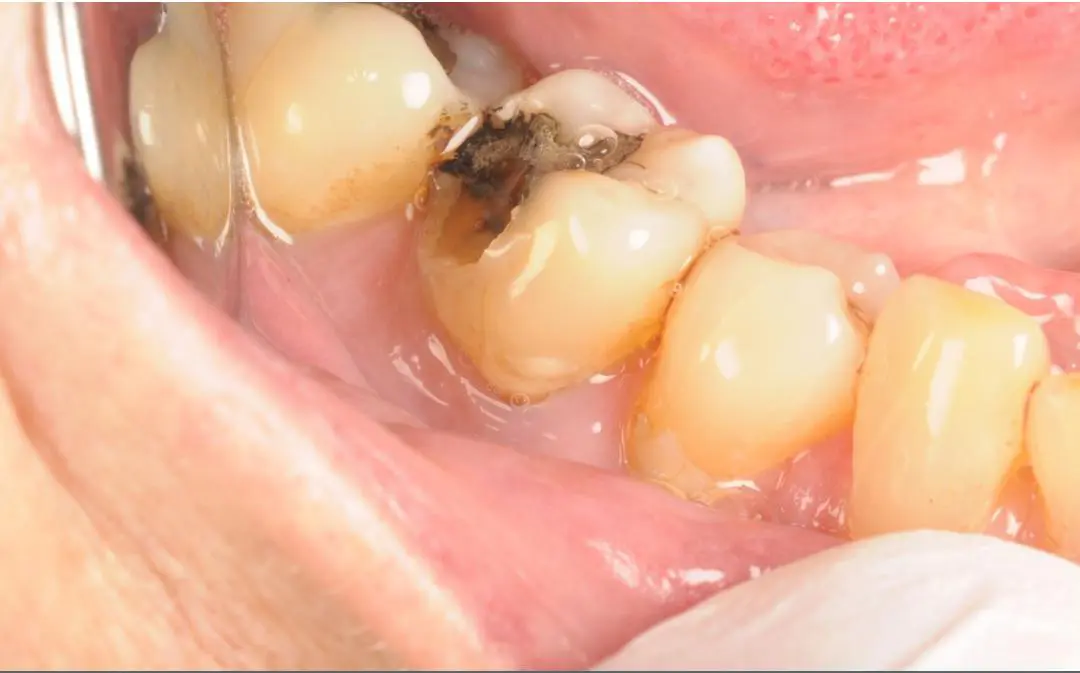
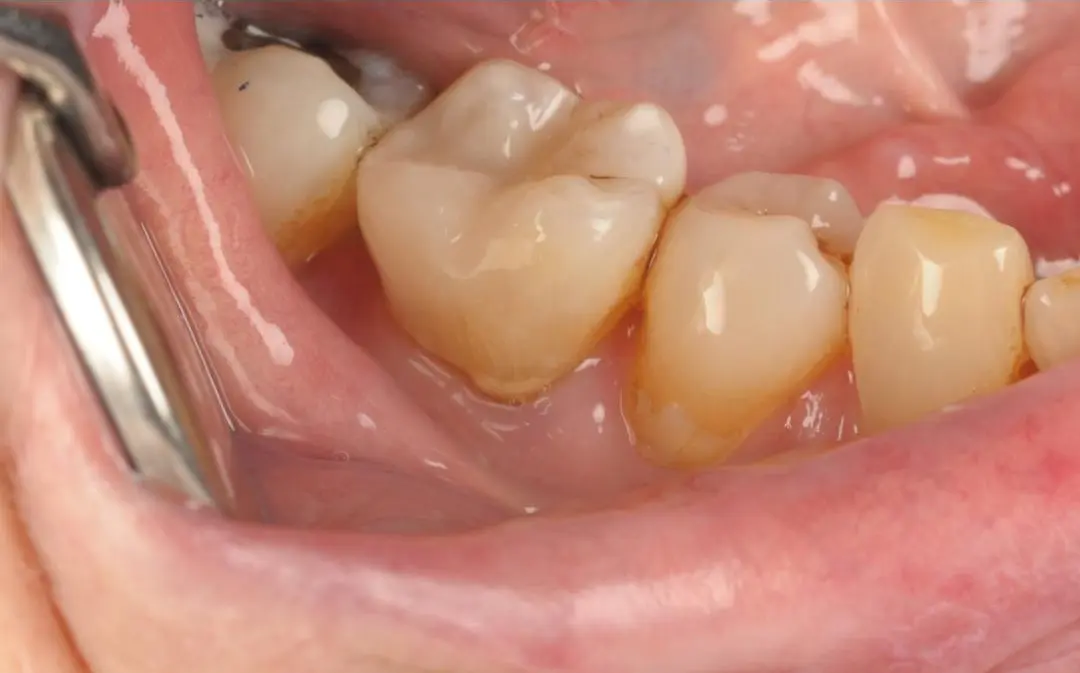
Real Patient Result: Emergency White Filling
Treatment by Dr Kamran
The Dental Science Behind Why Temporary Kits Have Limitations
Understanding basic tooth anatomy helps explain why over-the-counter filling kits cannot replicate professional dental treatment.
Tooth Structure
A tooth is made up of several layers. The outermost layer, enamel, is the hardest substance in the human body and serves as a protective shield. Beneath the enamel lies dentine, a softer, porous tissue that contains microscopic tubules leading towards the innermost part of the tooth — the pulp. The pulp houses the nerve and blood supply of the tooth.
When a filling is lost or a tooth is damaged, the dentine is often exposed. Because dentine is porous, it allows temperature changes and bacteria to reach closer to the nerve, which can cause sensitivity and discomfort.
Why Professional Fillings Are Different
A dentist prepares the tooth carefully before placing a restoration, removing any decay and ensuring the cavity is clean and shaped appropriately. Professional filling materials — such as composite resin or dental amalgam — are designed to bond to tooth structure, creating a durable seal. Some materials require specific curing techniques, such as light activation, that cannot be replicated at home.
Temporary filling kits simply sit in the cavity without this level of preparation, adhesion, or seal integrity. Over time, gaps can develop between the temporary material and the tooth, potentially allowing bacteria to enter and increasing the risk of further decay or infection.
When Might a Temporary Filling Kit Be Useful?
Despite their limitations, there are certain situations where a temporary filling kit may serve a practical purpose:
- A filling falls out during the evening or at a weekend when your regular dental practice is closed
- You are travelling and cannot access a dentist immediately
- A small chip or crack is causing sensitivity and you need short-term comfort
- You are waiting for a scheduled dental appointment and need interim protection
In these scenarios, a temporary filling kit may help protect the exposed tooth from further irritation and reduce sensitivity to hot, cold, or sweet foods and drinks.
However, it is worth noting that even in these situations, the temporary material should be viewed as a stopgap — not a solution. The sooner you are able to see a dental professional, the better the outcome is likely to be for your tooth.
If the lost restoration has left a visible cavity behind, our guide on lost filling leaving a hole and food trap danger signs explains what to watch for while you arrange care. If you are experiencing dental discomfort in London, prompt lost filling and crown replacement may be available sooner than you expect, even outside of standard hours.
What Are the Risks of Relying on a Temporary Filling Kit?
While temporary filling kits are generally safe for short-term use when applied correctly, there are some risks associated with relying on them for an extended period:
Incomplete Seal
As discussed, temporary materials do not bond to the tooth in the way professional restorations do. This means microscopic gaps may allow bacteria and food debris to accumulate beneath the filling, potentially leading to further decay that is not visible from the outside. If you are already noticing food stuck in a hole where a filling was, the seal is unlikely to be reliable enough for long-term use.
Masking Underlying Problems
A temporary filling may reduce sensitivity and discomfort, which can give the impression that the problem has been resolved. In reality, the underlying issue — whether it is decay, a crack, or structural weakness — may continue to progress. Delaying professional assessment could mean more complex treatment is eventually required.
Material Wear and Dislodgement
Temporary filling materials are not designed to withstand normal biting forces over extended periods. They can wear down, crumble, or fall out, leaving the tooth exposed once again. Each time this happens, the tooth may be vulnerable to additional damage.
Bite Interference
Without professional shaping, a temporary filling may sit higher than the surrounding tooth surface, creating an uneven bite. This can lead to discomfort in the jaw or place excessive pressure on the affected tooth.
For these reasons, temporary filling kits are best used as a brief interim measure, and professional dental care should be arranged as promptly as possible.
When Professional Dental Assessment May Be Needed
There are several situations where seeking dental advice is particularly important, even if a temporary filling kit appears to be providing some relief:
- Persistent or worsening toothache that does not improve within a day or two
- Sensitivity to hot or cold that lingers after the stimulus is removed
- Visible darkening or discolouration around the affected tooth
- Swelling in the gum, cheek, or face near the damaged tooth
- An unpleasant taste in the mouth, which may suggest infection
- A filling that keeps falling out, indicating the cavity may need professional preparation
- A large area of tooth missing, where a temporary kit may not provide adequate coverage
These signs do not necessarily mean a serious problem is present, but they do suggest that a clinical examination would be appropriate to assess the health of the tooth and surrounding tissues. A dentist can evaluate the extent of any damage, identify whether decay or infection is present, and recommend a suitable course of action.
If you are unsure whether your situation requires attention, it is always reasonable to contact a dental practice for guidance. Many practices can provide same-day or next-day appointments for urgent concerns.
Tips for Using a Temporary Filling Kit Effectively
If you do decide to use a temporary filling kit, following a few practical steps can help improve the result:
- Clean the area first — gently rinse your mouth with warm water to remove loose food debris from the cavity before applying the material.
- Dry the tooth as much as possible — use a clean tissue or cotton wool to gently blot the area. Moisture can affect how well the material adheres.
- Follow the kit instructions carefully — mix the material according to the product directions and apply it in small amounts, pressing it firmly into the cavity.
- Avoid chewing on that side — until the material has fully set, try to keep pressure off the affected tooth.
- Do not use the kit as a long-term solution — even if the filling feels comfortable, arrange a dental appointment as soon as you can.
It is also worth noting that temporary filling kits are not suitable for all types of dental damage. If a large portion of the tooth is missing, if the tooth is very loose, or if you suspect infection, a temporary filling kit is unlikely to be sufficient. Patients who are considering a short-term pharmacy product may also find our article on whether you can get a filling at an emergency dentist helpful when deciding whether to wait or seek same-day care.
Prevention and Oral Health Advice
While unexpected dental issues can happen to anyone, there are steps that may help reduce the likelihood of losing a filling or experiencing sudden tooth damage:
- Attend regular dental check-ups — routine examinations allow your dentist to monitor existing fillings and identify early signs of wear or secondary decay before a problem develops.
- Maintain a consistent oral hygiene routine — brushing twice daily with fluoride toothpaste and cleaning between teeth with interdental brushes or floss helps protect both natural tooth structure and existing restorations.
- Be mindful of hard foods — biting down on very hard items such as ice, boiled sweets, or olive stones can increase the risk of fracturing a tooth or dislodging a filling.
- Wear a mouthguard if appropriate — if you play contact sports or grind your teeth at night, a professionally fitted mouthguard can help protect your teeth from damage.
- Address dental concerns early — if you notice a rough edge on a filling, mild sensitivity, or a change in how your bite feels, mentioning it at your next appointment allows your dentist to investigate before the issue worsens. And if a filling does come out, avoid improvised repairs — our guide on why you should not use superglue on a lost filling explains the risks.
Looking after your general dental health proactively is one of the most effective ways to avoid dental emergencies.
Key Points to Remember
- Temporary filling kits can offer short-term protection when a filling is lost or a tooth is damaged, particularly outside of dental practice hours.
- They are not a replacement for professional dental treatment and should be used as a brief interim measure only.
- The materials do not bond to the tooth in the way that professional restorations do, which means they may dislodge and do not provide a lasting seal.
- Underlying dental problems may continue to progress even if a temporary filling reduces symptoms.
- Professional dental assessment is advisable as soon as possible after using a temporary filling kit.
- Good oral hygiene and regular dental visits can help reduce the risk of sudden dental problems.
Frequently Asked Questions
How long can a temporary filling kit last?
Most temporary filling kits are designed to last between a few days and a couple of weeks, depending on the product and the size of the cavity. However, the material can begin to break down or dislodge much sooner, particularly if you chew directly on the affected tooth. It is advisable to arrange a dental appointment as soon as possible rather than relying on the temporary material for an extended period. A dentist can assess the tooth and provide a more durable and clinically appropriate restoration.
Can a temporary filling kit stop toothache?
Some temporary filling kits contain eugenol, which has mild soothing properties and may help reduce sensitivity by covering the exposed dentine. However, they are not designed to treat the underlying cause of toothache. If pain is caused by deep decay, infection, or a crack extending towards the nerve, a temporary filling is unlikely to resolve the discomfort fully. Persistent or worsening pain should be assessed by a dental professional who can identify the source of the problem and recommend appropriate care.
Are temporary filling kits safe to use?
When used according to the product instructions and for a short duration, temporary filling kits are generally considered safe for most adults. The materials used are similar to those that have been employed in dental practices for many years. However, they are not suitable for every situation — for example, if there is active infection, significant tooth damage, or if the filling cavity is very large. If you have any concerns about whether a kit is appropriate for your situation, it is sensible to seek advice from a dental professional.
Can I eat normally with a temporary filling?
It is generally advisable to avoid chewing directly on a temporary filling, particularly with hard or sticky foods. The material is softer and less durable than a professional filling, so it can crack, wear down, or come loose under normal biting forces. Eating on the opposite side of your mouth and choosing softer foods can help the temporary filling remain in place until you are able to see a dentist for a permanent restoration.
Should I still see a dentist if the temporary filling feels fine?
Yes. Even if a temporary filling feels comfortable and appears to be staying in place, it is important to have the tooth assessed by a dentist. The temporary material may not be providing a complete seal, and underlying issues such as decay or structural weakness may be present that are not visible or causing symptoms. A clinical examination allows your dentist to evaluate the tooth thoroughly and provide a restoration that is designed to protect the tooth long term.
Can I use a temporary filling kit on a child's tooth?
Temporary filling kits are generally intended for adult use. Children's teeth have different structures and proportions, and the products may not be appropriate for younger patients. If a child loses a filling or experiences tooth damage, it is advisable to contact a dental practice for guidance rather than attempting a home repair. Many dental practices can accommodate children for urgent appointments, and a dentist can recommend the most suitable approach based on the child's age and the specific tooth involved.
Conclusion
Temporary filling kits are widely available and can serve a useful purpose when dental damage occurs unexpectedly — particularly when access to a dentist is not immediately possible. They may help reduce sensitivity and provide a degree of protection for an exposed tooth in the short term.
However, it is important to recognise that temporary filling kits have significant limitations. They do not replicate the materials, preparation, or bonding techniques used in professional dental restorations, and they are not designed to address the underlying cause of tooth damage. Relying on them for more than a few days may allow dental problems to progress unnoticed.
A sensible approach is to use a temporary filling kit as a brief interim measure and to arrange a professional dental assessment as soon as you are able. A dentist can evaluate the health of the tooth, identify any underlying concerns, and recommend a restoration that is appropriate for your individual needs.
Dental symptoms and treatment options should always be assessed individually during a clinical examination.
Maintaining regular dental check-ups, practising good oral hygiene, and addressing concerns early remain sensible strategies for protecting your long-term oral health.
Disclaimer
This article is for general educational purposes only and does not constitute professional dental advice, diagnosis, or treatment. Every patient's circumstances are unique; dental symptoms and treatment options should always be assessed during a clinical examination by a qualified dental professional. No specific outcomes are guaranteed. This content has been prepared in line with GDC, CQC, ASA CAP Code, and GMC communication standards. If you have concerns about your oral health, please contact a registered dentist.