
Discovering that a filling has fallen out can be an unsettling experience, and finding food stuck in the hole where your filling was can make things feel even more uncomfortable. It is one of the most common dental concerns that prompts people to search online for immediate guidance, often late in the evening or over a weekend when their regular dental practice may not be open.
If you have food trapped in a cavity left by a lost filling, you are certainly not alone. Many patients across London experience this at some point, and understanding how to manage the situation gently at home — before you can see a dentist — can make a real difference to your comfort and the health of the affected tooth.
This article explains why fillings can become dislodged, how to carefully clean the area without causing further damage, what symptoms may suggest you should seek professional dental advice sooner rather than later, and how a dentist may approach treatment. Knowing what to expect can help you feel more confident about the steps ahead.
Experiencing these symptoms?
Delaying treatment can lead to tooth loss. We have slots available today.
Understanding this issue matters because an exposed cavity can leave the inner layers of your tooth vulnerable to bacteria, sensitivity, and further decay if left unaddressed.
What Should You Do If Food Is Stuck in a Hole Where a Filling Was?
If you have food stuck in a hole where a filling was, gently rinse your mouth with warm saltwater to help dislodge the debris. Avoid using sharp objects such as pins or toothpicks, as these may damage the exposed tooth structure. You may use a soft-bristled toothbrush to carefully clean around the area. It is advisable to arrange a dental appointment promptly so a dentist can assess the tooth and discuss suitable treatment options.
Why Do Fillings Fall Out?
Dental fillings are designed to be durable, but they do not last indefinitely. Over time, a number of factors can contribute to a filling becoming loose or falling out entirely.
Meet Dr. Yasha Shirazi
Principal Dentist at Emergency Dentist London
"We treat hundreds of dental emergencies every month. The sooner you come in, the easier the fix usually is."
Book an appointment with our team →One of the most common reasons is general wear and tear. Every time you chew, your fillings absorb force, and over many years this repeated stress can weaken the bond between the filling material and the surrounding tooth. Older fillings, particularly large amalgam restorations, may be more susceptible to this gradual breakdown.
Tooth decay developing around the edges of an existing filling — sometimes referred to as secondary or recurrent decay — can also undermine the seal that holds the filling in place. When bacteria work their way beneath the margins of a restoration, the underlying tooth structure may soften, causing the filling to loosen.
Other contributing factors include biting down on very hard foods, habitual teeth grinding or clenching (bruxism), and changes to the tooth structure itself over time. In some cases, a filling may fracture rather than fall out completely, leaving a partial gap where food can become trapped.
It is worth noting that a lost filling does not necessarily indicate that anything has gone wrong with the original treatment. Restorations have a natural lifespan, and replacement is a routine part of ongoing dental care.
What Happens to Your Tooth When a Filling Is Missing
To understand why a missing filling matters, it helps to know a little about tooth structure. Each tooth has several layers. The outermost layer — the enamel — is the hardest substance in the human body and serves as a protective shield. Beneath the enamel lies dentine, a softer, more porous layer that contains microscopic tubules leading towards the innermost part of the tooth: the pulp.
The pulp houses the nerve and blood supply of the tooth. When a filling is in place, it replaces the part of the tooth that was removed during treatment for decay, effectively sealing the dentine and protecting the pulp from bacteria, temperature changes, and physical irritation.
When a filling falls out, the dentine — and potentially the pulp — becomes exposed. Dentine is significantly softer than enamel and more vulnerable to bacterial acid attack. The tiny tubules within the dentine can transmit sensations of heat, cold, and sweetness directly to the nerve, which is why a tooth with a missing filling may feel sensitive. If you are experiencing sharp pain after losing a filling, this may indicate the nerve has become exposed.
Food debris that becomes trapped in the cavity can introduce bacteria into these exposed layers, potentially accelerating decay. This is why gentle cleaning and timely professional assessment are both important considerations when a filling has been lost.
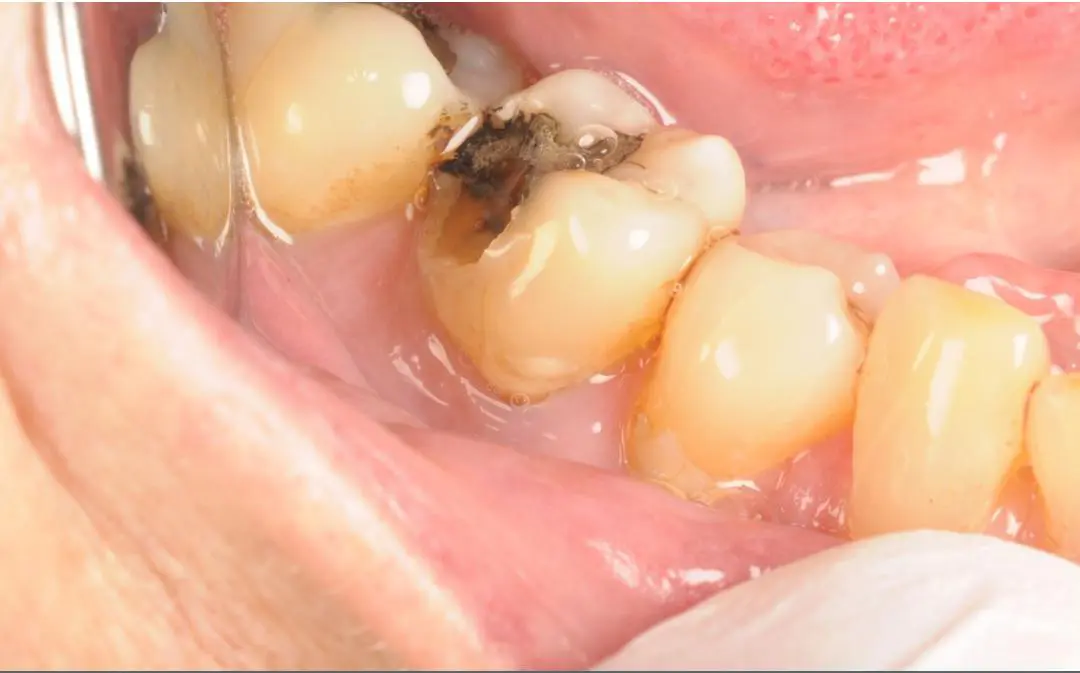
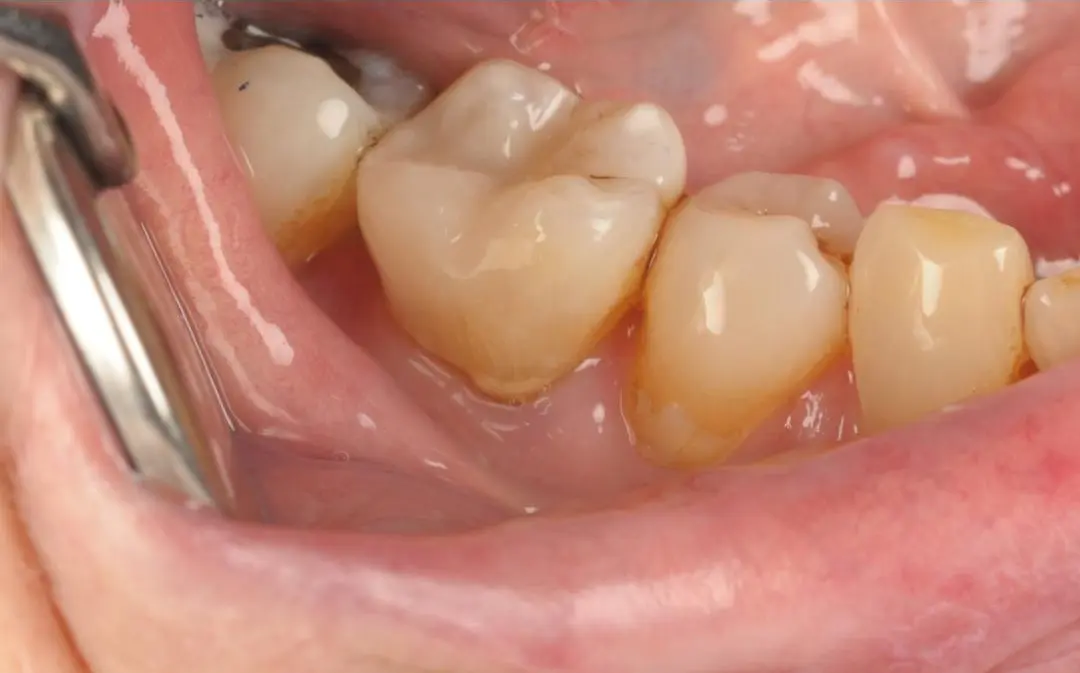
Real Patient Result: Emergency White Filling
Treatment by Dr Kamran
How to Gently Clean Food From the Cavity at Home
If you find food stuck in the hole where your filling was, taking a careful and gentle approach to cleaning is important. The exposed tooth structure is more delicate than an intact tooth surface, and aggressive cleaning could cause discomfort or damage.
Warm saltwater rinse: Dissolve half a teaspoon of table salt in a glass of warm water. Gently swish the solution around your mouth for 20 to 30 seconds, focusing on the affected area. This can help dislodge food particles and may also help to keep the area clean. You can repeat this several times throughout the day.
Soft-bristled toothbrush: Using a soft toothbrush, carefully brush around the tooth. Avoid pressing hard directly into the cavity. The aim is to clear debris from the surface and surrounding gum area without irritating the exposed dentine.
Gentle flossing: If food is wedged between the affected tooth and a neighbouring tooth, gently guide dental floss through the gap. Avoid snapping the floss forcefully, as this could cause gum irritation.
What to avoid: Do not use toothpicks, pins, needles, or other sharp implements to pick at the cavity. These can scratch or chip the remaining tooth structure and may push debris further into the hole. Avoid chewing on the affected side where possible until you have seen a dentist.
Temporary Measures Before Seeing a Dentist
While arranging a dental appointment, there are a few practical steps that may help manage comfort and protect the tooth in the short term.
Temporary filling materials are available from most pharmacies. These over-the-counter products are designed to provide a short-term seal over the cavity, helping to reduce sensitivity and prevent further food impaction. They are not a substitute for professional treatment but can offer some protection for a few days.
If you experience sensitivity to hot or cold foods and drinks, try to consume items at a moderate temperature and chew on the opposite side of your mouth. A desensitising toothpaste may also help to reduce discomfort when used regularly, though results can vary from person to person.
Maintaining your usual oral hygiene routine is important, even if you need to be a little more cautious around the affected tooth. Keeping the rest of your mouth clean helps to reduce overall bacterial load, which supports the health of the exposed tooth.
It is worth remembering that these are temporary measures. A dentist will need to examine the tooth, assess whether any further decay has developed, and discuss the most appropriate treatment to restore the filling based on your individual clinical situation.
Signs That You May Need to See a Dentist Promptly
In many cases, a lost filling can be managed comfortably at home for a short period while you arrange an appointment. However, certain symptoms may suggest that earlier professional assessment could be beneficial.
Persistent or increasing pain: A mild ache after losing a filling is not unusual, but pain that worsens over time, becomes throbbing, or disrupts your sleep may indicate that the nerve of the tooth has become irritated or that an infection is developing.
Swelling: Any swelling around the affected tooth, in the gum, cheek, or jaw area, is worth having assessed promptly. Swelling can sometimes indicate the presence of an abscess or infection.
Heightened sensitivity: While some sensitivity is expected with an exposed cavity, significant or worsening sensitivity to hot, cold, or sweet stimuli may suggest deeper involvement of the tooth structure.
A bad taste or visible discharge: An unpleasant taste in the mouth or any discharge from around the tooth could be a sign of infection that may benefit from professional evaluation.
A large or deep cavity: If the hole appears deep or you can see dark discolouration within the tooth, it may be advisable to seek assessment sooner to understand the extent of any decay.
If you are experiencing any of these symptoms and are unsure whether your situation requires urgent attention, contacting an emergency dentist can help you understand your options.
Please note: Prices shown in the video are indicative and may vary. A full treatment plan with associated costs will be provided following an individual consultation and clinical assessment.
How a Dentist May Treat a Lost Filling
When you visit a dentist after losing a filling, the first step will be a thorough clinical examination of the affected tooth. This often includes a visual assessment and may involve dental X-rays to evaluate the condition of the tooth structure beneath the surface.
Based on the findings, several treatment approaches may be considered:
Replacement filling: If the remaining tooth structure is sound and decay is minimal or absent, the dentist may clean the cavity and place a new filling. The choice of filling material — such as composite resin or amalgam — will depend on factors including the location of the tooth, the size of the cavity, and your preferences following discussion with the dentist.
Dental crown: If the tooth has lost a significant amount of structure or the cavity is particularly large, a filling alone may not provide sufficient support. In these cases, a dental crown — a custom-made cap that covers the entire visible portion of the tooth — may be recommended.
Root canal treatment: If the pulp of the tooth has become infected or irreversibly inflamed, root canal treatment may be necessary to remove the damaged tissue, clean the internal canals, and seal the tooth before placing a permanent restoration.
Extraction: In some situations, if the tooth is severely damaged beyond the point where it can be predictably restored, the dentist may discuss extraction as an option, along with any replacement possibilities.
The most suitable approach will always depend on the individual clinical findings. Your dentist will explain the available options and help you make an informed decision about your care.
Prevention and Oral Health Advice
While it is not always possible to prevent a filling from eventually needing replacement, there are practical steps that may help extend the lifespan of your dental restorations and reduce the risk of complications.
Attend regular dental check-ups: Routine examinations allow your dentist to monitor existing fillings for signs of wear, marginal breakdown, or developing decay. Early detection of a weakening restoration means it can often be replaced in a planned, straightforward manner before it falls out unexpectedly. You can arrange a dental check-up to have your restorations assessed.
Maintain a thorough oral hygiene routine: Brushing twice daily with a fluoride toothpaste and cleaning between your teeth with floss or interdental brushes helps to control plaque and reduce the risk of decay developing around existing fillings.
Be mindful of hard foods: Biting down on very hard items such as ice, hard sweets, or unpopped popcorn kernels can place excessive stress on fillings. Being conscious of this can help to protect your restorations.
Consider a mouthguard if you grind your teeth: If you clench or grind your teeth — particularly during sleep — speaking to your dentist about a custom-made mouthguard may help to reduce the forces placed on your fillings and natural tooth structure.
Limit sugary and acidic foods and drinks: Frequent consumption of sugar and acidic beverages contributes to enamel erosion and decay, both of which can compromise the margins of existing fillings over time.
Key Points to Remember
- If food is stuck in a hole where a filling was, rinse gently with warm saltwater and avoid using sharp objects to clean the cavity.
- A lost filling exposes the softer inner layers of your tooth, making it more vulnerable to bacteria and sensitivity.
- Temporary filling materials from a pharmacy can offer short-term protection, but professional treatment is needed.
- Persistent pain, swelling, or signs of infection may indicate the need for a prompt dental assessment.
- Treatment for a lost filling depends on the condition of the remaining tooth and is determined during a clinical examination.
- Regular dental check-ups and good oral hygiene can help extend the life of your fillings and support overall oral health.
Frequently Asked Questions
Can I leave a lost filling untreated for a few days?
In many cases, a short delay of a few days before seeing a dentist is manageable, particularly if you are not experiencing significant pain or swelling. During this time, keeping the area clean with gentle saltwater rinses, avoiding chewing on the affected side, and using a temporary filling material from a pharmacy can help protect the tooth. However, leaving a lost filling untreated for extended periods may allow bacteria to penetrate deeper into the tooth, potentially leading to further decay or infection. It is advisable to arrange a dental appointment as soon as is reasonably possible.
Is it normal for a tooth to hurt after a filling falls out?
Some degree of sensitivity or mild discomfort after losing a filling is quite common. The dentine layer that was previously protected by the filling is now exposed to air, temperature changes, and contact with food and drink. This can cause sensations ranging from mild twinges to more noticeable sensitivity. If the discomfort is manageable and not worsening, it is generally not a cause for immediate alarm. However, if pain becomes severe, throbbing, or persistent, it may be worth seeking a dental assessment sooner to rule out pulp involvement or infection.
Why does food keep getting stuck in the cavity?
When a filling is lost, it leaves a physical gap or hole in the tooth surface. This void naturally acts as a trap for food particles during chewing. The cavity may also have irregular edges or undercuts that make it particularly easy for food to become lodged and difficult to dislodge with simple rinsing. Until the tooth is professionally restored, food impaction is likely to continue. Gentle and consistent cleaning after meals can help manage this in the short term while you await your dental appointment.
Can I use a toothpick to remove food from the hole?
It is generally advisable to avoid using toothpicks or any sharp, rigid objects to remove food from an exposed cavity. The remaining tooth structure around a lost filling can be weakened or brittle, and a toothpick may chip or fracture the edges of the cavity, potentially making the situation worse. Sharp implements can also irritate or damage the soft tissue within the cavity. Warm saltwater rinses, a soft-bristled toothbrush, or a gentle stream of water from an oral irrigator are safer alternatives for dislodging trapped food.
Will I always need a new filling, or could a different treatment be recommended?
The treatment approach depends entirely on the clinical findings when your dentist examines the tooth. In straightforward cases where the tooth structure is largely intact, a replacement filling may be all that is required. However, if significant decay has developed, or if the tooth has lost a large amount of structure, alternatives such as a dental crown or inlay may be more appropriate to provide adequate strength and protection. If the nerve of the tooth has been affected, root canal treatment might be discussed. Your dentist will explain all suitable options following their assessment.
How can I prevent fillings from falling out in the future?
While no filling lasts forever, certain habits can help to maximise the lifespan of your restorations. Attending regular dental check-ups allows your dentist to identify early signs of filling deterioration before a problem develops. Maintaining good oral hygiene reduces the risk of secondary decay around filling margins. Avoiding excessively hard foods and addressing habits such as teeth grinding can also reduce undue stress on restorations. Your dentist can offer personalised advice based on your individual oral health and the type of restorations you have.
Conclusion
Finding food stuck in a hole where a filling was can be uncomfortable and concerning, but with gentle cleaning and sensible temporary measures, the situation can usually be managed well at home while you arrange a dental appointment. Understanding a little about why fillings fall out, how to care for the exposed tooth, and when to seek professional advice can help you feel more informed and in control.
The most important step is to have the tooth assessed by a dentist so that the most appropriate treatment can be discussed and planned based on your individual circumstances. Early attention to a lost filling can help to preserve the remaining tooth structure and reduce the risk of more extensive treatment being needed later.
Maintaining regular dental visits and a consistent oral hygiene routine remains the best foundation for long-term dental health and for protecting existing restorations.
Dental symptoms and treatment options should always be assessed individually during a clinical examination.
Disclaimer
This article is for general educational purposes only and does not constitute professional dental advice, diagnosis, or treatment. Every patient's circumstances are unique; dental symptoms and treatment options should always be assessed during a clinical examination by a qualified dental professional. No specific outcomes are guaranteed. This content has been prepared in line with GDC, CQC, ASA CAP Code, and GMC communication standards. If you have concerns about your oral health, please contact a registered dentist.