
Few dental experiences catch you off guard quite like biting into food and suddenly realising a filling has come loose — followed almost immediately by a sharp pain after losing a filling. That sudden jolt of sensitivity can be alarming, and it is perfectly natural to wonder whether the nerve inside your tooth is now exposed and what you should do next.
This is one of the most commonly searched dental concerns online, and for good reason. The pain can be intense, it often strikes without warning, and many people are uncertain whether the situation requires urgent attention or whether it can wait until a routine appointment. Understanding what is happening inside your tooth, why the pain occurs, and how to respond calmly can make a significant difference to both your comfort and your long-term dental health.
In this article, we will explain the possible causes behind the pain you are feeling, what happens when a filling is lost, how dental professionals typically approach this situation, and the steps you can take to look after your tooth before you are seen. We will also cover when it may be appropriate to seek a professional dental assessment promptly.
Experiencing these symptoms?
Delaying treatment can lead to tooth loss. We have slots available today.
What Happens When You Lose a Filling and Experience Sharp Pain?
When a filling is lost, the underlying tooth structure — including the sensitive dentine layer — becomes exposed to air, temperature changes, and bacteria. A sharp pain after losing a filling may indicate that the nerve (dental pulp) is close to the exposed surface or partially exposed. This situation typically requires prompt professional dental assessment to protect the tooth and manage discomfort.
Why Do Fillings Come Loose or Fall Out?
Dental fillings are durable restorations, but they are not designed to last indefinitely. Over time, several factors may contribute to a filling becoming dislodged or falling out.
Wear and ageing — Fillings endure daily biting forces, temperature fluctuations, and exposure to acidic foods and drinks. Over the years, the bond between the filling material and the tooth structure may gradually weaken.
Meet Dr. Yasha Shirazi
Principal Dentist at Emergency Dentist London
"We treat hundreds of dental emergencies every month. The sooner you come in, the easier the fix usually is."
Book an appointment with our team →Tooth decay around the filling — New decay can develop at the margins where the filling meets the natural tooth. This undermines the seal and structural support holding the restoration in place.
Biting forces and habits — Clenching, grinding (bruxism), or biting into particularly hard foods can place excessive stress on a filling, especially larger restorations.
Material considerations — Different filling materials have varying lifespans. Amalgam, composite resin, and glass ionomer fillings each behave differently under long-term stress.
Structural compromise — If the remaining tooth structure around the filling was already thin or weakened, the tooth itself may fracture, causing the filling to dislodge along with part of the tooth.
It is worth noting that a filling falling out does not necessarily mean anything was done incorrectly when it was originally placed. Restorations simply have a functional lifespan, and regular dental check-ups can help identify fillings that may be approaching the end of theirs.
Understanding the Anatomy of a Tooth — Why Exposed Nerve Pain Feels So Intense
To understand why losing a filling can cause such sharp, immediate pain, it helps to know a little about the structure of a tooth.
Each tooth has several layers. The outermost layer is enamel, the hardest substance in the human body, which protects the crown of the tooth. Beneath the enamel sits dentine, a porous, sensitive layer containing thousands of microscopic tubules that lead towards the centre of the tooth. At the very core lies the dental pulp — a soft tissue chamber containing nerves, blood vessels, and connective tissue.
When a filling is in place, it replaces lost enamel and dentine, creating a protective barrier that seals the inner layers of the tooth from the oral environment. When that filling is lost, the dentine — and in some cases the pulp — is suddenly exposed.
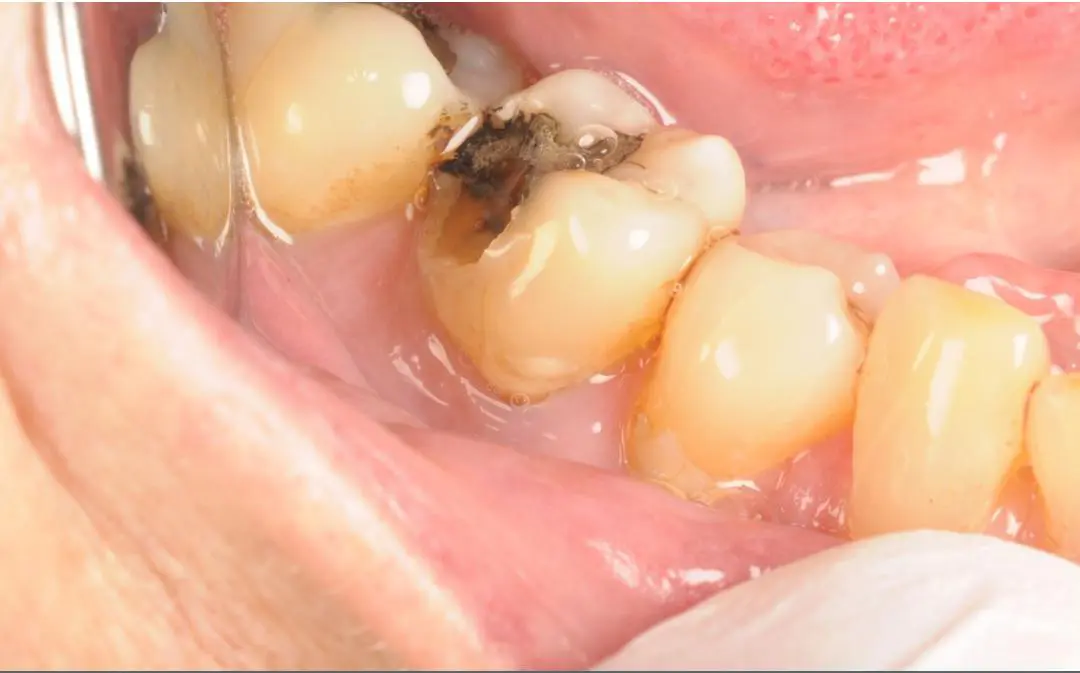
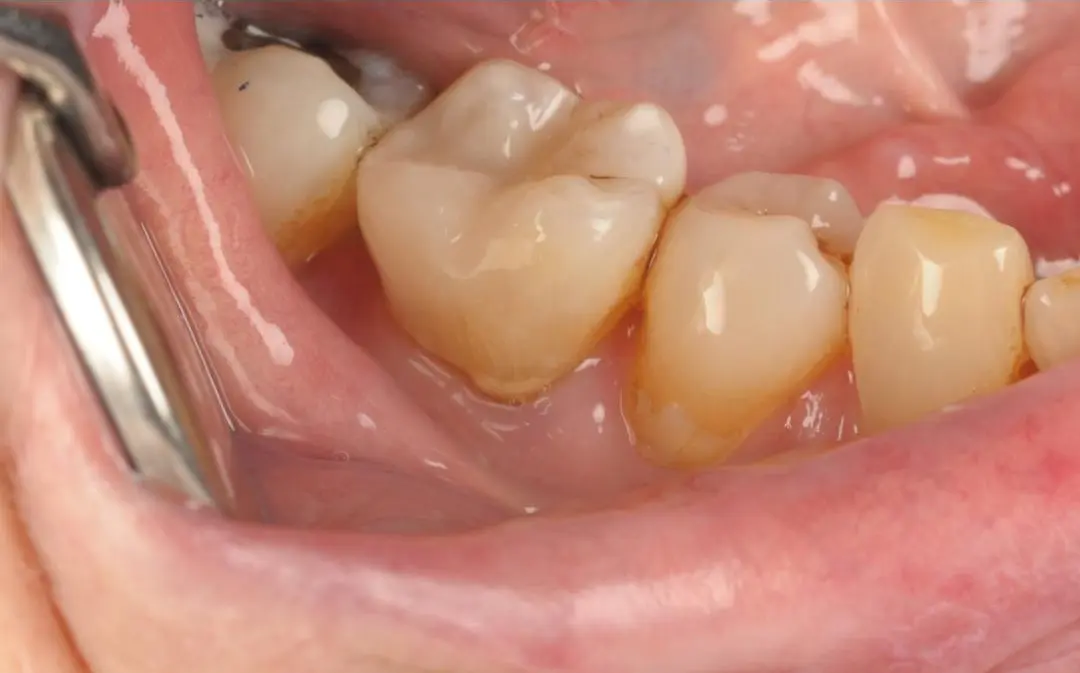
Real Patient Result: Emergency White Filling
Treatment by Dr Kamran
The dentine tubules act almost like tiny straws, transmitting thermal, chemical, and mechanical stimuli directly towards the nerve. This is why you may experience a sudden, sharp pain when drinking something cold, eating sweet food, or even breathing in cool air. If the pulp itself is partially exposed, the pain can be particularly intense because the nerve tissue is in direct contact with external irritants and bacteria.
This is the clinical reason behind the severity of pain many patients describe after losing a filling, and it explains why timely professional care is important for protecting the tooth.
Common Symptoms When a Filling Falls Out
The symptoms you experience after losing a filling may vary depending on the size of the original restoration, the depth of the cavity, and whether the nerve is affected. Common signs include:
- Sharp, sudden pain — particularly when eating, drinking, or exposing the tooth to temperature changes
- Sensitivity to hot and cold — the exposed dentine or pulp reacts strongly to thermal stimuli
- Sensitivity to sweet or acidic foods — these can irritate the exposed tubules and nerve tissue
- A visible hole or gap in the tooth where the filling previously sat
- A rough or jagged edge that you can feel with your tongue
- Throbbing or lingering pain — if the discomfort continues after the stimulus is removed, this may suggest the nerve is more significantly affected
- Discomfort when biting — pressure on the compromised tooth can cause pain
Not every lost filling results in severe pain. In some cases, the cavity may have been shallow and the dentine exposure minimal, leading to only mild sensitivity. However, if you are experiencing sharp or persistent pain, this generally suggests the exposure is closer to the nerve, and a dental assessment would be advisable sooner rather than later.
What Could Be Happening Inside the Tooth
When a filling is lost and pain follows, several things may be occurring within the tooth structure.
Dentine exposure — Even without direct pulp involvement, exposed dentine is highly sensitive. The fluid movement within the dentine tubules (known as the hydrodynamic theory of dentine sensitivity) triggers nerve responses, producing sharp pain.
Pulp inflammation (pulpitis) — If bacteria or irritants reach the pulp, the nerve tissue can become inflamed. This is known as pulpitis. In its early stages, this inflammation may be reversible, meaning the nerve can recover once the tooth is properly protected and restored. However, if the inflammation progresses, it may become irreversible, where the nerve damage is more advanced and may require more extensive treatment.
Bacterial contamination — The oral environment contains a significant bacterial population. Once the protective filling is gone, bacteria can access the deeper layers of the tooth, potentially accelerating decay and increasing the risk of infection.
Thermal and chemical irritation — Without the insulating barrier of the filling, everyday eating and drinking directly stimulates the sensitive inner tooth structures.
Understanding these processes helps explain why dental professionals generally recommend that a lost filling is addressed promptly — not to create alarm, but because early intervention often allows for simpler, more conservative treatment.
Immediate Steps You Can Take at Home
While a lost filling should be assessed by a dental professional, there are some practical steps you can take to manage the situation in the meantime.
Keep the area clean — Gently rinse your mouth with warm salt water to help reduce bacteria around the exposed tooth. Avoid vigorous rinsing, which can increase sensitivity.
Avoid extreme temperatures — Try to eat and drink lukewarm foods and beverages. Very hot or cold items are likely to trigger sharp pain on the exposed surface.
Chew on the opposite side — Reduce pressure on the affected tooth by directing food to the other side of your mouth.
Over-the-counter pain relief — Standard over-the-counter painkillers, taken according to the packet instructions, may help manage discomfort. If you have any medical conditions or take other medications, check with your pharmacist first.
Temporary filling material — Some pharmacies stock temporary dental filling kits (such as those containing zinc oxide and eugenol). These can provide a short-term protective covering over the exposed area. They are not a substitute for professional treatment but may offer comfort until you can be seen.
Avoid sticky or hard foods — These could cause further damage to the compromised tooth or push debris into the cavity.
These measures are intended as short-term support. They do not replace the need for a proper clinical assessment and professional restoration.
How Dental Professionals Typically Approach a Lost Filling
When you attend a dental appointment for a lost filling, the dentist will carry out a thorough clinical examination of the affected tooth. This typically involves a visual assessment, and in many cases dental X-rays (radiographs) to evaluate the extent of any decay, the proximity of the exposure to the nerve, and the overall structural integrity of the tooth.
Based on the findings, several treatment approaches may be considered:
A new filling — If the tooth structure is sound and the nerve appears healthy, a new dental filling may be placed. The dentist will remove any new decay, clean the cavity, and restore the tooth with an appropriate filling material.
A dental crown — If a significant amount of tooth structure has been lost, or if the remaining walls of the tooth are weakened, a crown may be recommended to provide stronger long-term protection.
Root canal treatment — If the dental pulp is irreversibly inflamed or infected, root canal treatment may be necessary. This involves carefully removing the damaged nerve tissue, cleaning and shaping the root canals, and sealing the tooth to prevent further infection. The tooth is then typically restored with a crown.
Extraction — In cases where the tooth is too severely damaged to be restored, extraction may be the most appropriate option. Replacement options can then be discussed.
The most suitable treatment will always depend on the individual clinical findings. What works for one patient may not be appropriate for another, which is why a proper examination is essential.
When Professional Dental Assessment May Be Needed
While not every lost filling constitutes an emergency, there are certain situations where seeking a dental assessment promptly may be particularly important. Being aware of these signs can help you make an informed decision about when to contact a dental practice.
Consider seeking a prompt dental assessment if you experience:
- Sharp or severe pain that is not managed with over-the-counter pain relief
- Pain that lingers or throbs after eating, drinking, or exposure to temperature changes
- Swelling in the gum, cheek, or jaw area near the affected tooth
- A foul taste in the mouth, which may suggest infection
- Visible darkening or discolouration of the tooth
- A broken or fractured tooth alongside the lost filling
- Difficulty eating, sleeping, or concentrating due to pain
- Fever or general malaise alongside dental pain, which may indicate a spreading infection
These symptoms do not automatically mean the worst-case scenario, but they do suggest that a clinical evaluation would be helpful to determine what is happening and what options are available.
If you are experiencing dental pain and are unsure whether you need to be seen urgently, most dental practices — including those offering emergency dental appointments — can advise you over the phone about the most appropriate next steps.
Prevention — How to Reduce the Risk of Losing a Filling
While it is not always possible to prevent a filling from eventually wearing out, there are practical steps that may help prolong the life of your dental restorations and reduce the risk of sudden loss.
Attend regular dental check-ups — Routine examinations allow your dentist to monitor the condition of existing fillings and identify early signs of wear, marginal breakdown, or new decay before they lead to a filling falling out. Your dentist can recommend replacement of ageing fillings proactively, which is generally simpler than managing an emergency.
Maintain good oral hygiene — Brushing twice daily with fluoride toothpaste and cleaning between your teeth with interdental brushes or floss helps prevent decay from developing around the edges of fillings.
Be mindful of biting forces — Avoid chewing ice, hard sweets, pen caps, or other non-food items. If you know you grind your teeth at night, speak to your dentist about a protective night guard (occlusal splint), which can help distribute forces more evenly and protect both your teeth and restorations.
Moderate sugary and acidic foods — Frequent exposure to sugar and acid increases the risk of decay, which can compromise the seal around existing fillings.
Address dental issues early — If you notice a filling feels rough, loose, or different when you bite, mention it at your next appointment. Early intervention can often prevent a complete loss.
Key Points to Remember
- A sharp pain after losing a filling typically occurs because the sensitive inner layers of the tooth — the dentine and possibly the nerve — are exposed to the oral environment.
- The pain may range from mild sensitivity to severe throbbing, depending on the depth of the original cavity and the degree of nerve involvement.
- Temporary measures such as salt water rinses, over-the-counter pain relief, and temporary filling kits can help manage discomfort in the short term.
- Prompt dental assessment is advisable, particularly if pain is severe, persistent, or accompanied by swelling or signs of infection.
- Treatment options vary based on individual clinical findings and may range from a simple new filling to root canal treatment or a crown.
- Regular dental check-ups and good oral hygiene are among the most effective ways to reduce the risk of fillings failing unexpectedly.
Frequently Asked Questions
Is a lost filling always a dental emergency?
Not every lost filling requires immediate emergency treatment, but it should be assessed by a dental professional in a timely manner. If the pain is manageable and there are no signs of swelling or infection, you may be able to wait a short time for an appointment. However, if the pain is severe, persistent, or worsening, or if you notice swelling, a foul taste, or difficulty eating, it is sensible to seek a dental assessment as soon as possible. A dentist can evaluate the extent of the damage and recommend appropriate next steps based on your individual situation.
How do I know if my nerve is actually exposed?
It can be difficult to determine this on your own without a clinical examination. Signs that may suggest the nerve is exposed or very close to the surface include intense, sharp pain that occurs spontaneously (without an obvious trigger), pain that lingers for a prolonged period after eating or drinking, and throbbing discomfort. However, significant sensitivity can also occur from dentine exposure alone, without the nerve being directly involved. A dentist can assess the tooth — often with the help of X-rays — to determine the extent of the exposure and the health of the nerve.
Can I use a temporary filling kit from the pharmacy?
Temporary dental filling kits are available from many pharmacies and can provide short-term protection for an exposed tooth. They typically contain a soft, mouldable material that you press into the cavity to create a temporary seal. While these kits can help reduce sensitivity and protect the tooth from further contamination, they are designed as a temporary measure only. They do not treat the underlying issue and should not be considered a substitute for professional dental care. It is still important to arrange a dental appointment for a proper assessment and permanent restoration.
How quickly should I see a dentist after losing a filling?
Ideally, you should contact a dental practice within a day or two of losing a filling. The sooner the tooth is assessed and protected, the lower the risk of further decay, infection, or damage to the nerve. If you are experiencing significant pain, swelling, or other concerning symptoms, seeking an appointment the same day or the next day is advisable. Many dental practices in London offer emergency or same-day appointments for situations like this, so it is always worth calling to explain your symptoms.
Will I definitely need a root canal if my filling falls out?
Not necessarily. Many lost fillings can be replaced with a new restoration without the need for root canal treatment. Whether root canal therapy is required depends on the health of the nerve tissue inside the tooth, the extent of any decay, and how long the tooth has been exposed. If the nerve is healthy or only mildly inflamed, a new filling or crown may be sufficient. Your dentist will assess the tooth thoroughly and discuss the most suitable treatment options with you based on their clinical findings.
How can I manage the pain until I see a dentist?
Over-the-counter pain relief such as paracetamol or ibuprofen, taken according to the packet instructions, can help manage discomfort. Rinsing gently with warm salt water may help keep the area clean. Avoid very hot, very cold, sweet, or acidic foods and drinks, and try to chew on the opposite side of your mouth. A temporary filling kit from the pharmacy can provide a protective barrier over the exposed area. If the pain is severe or not responding to
Disclaimer
This article is for general educational purposes only and does not constitute professional dental advice, diagnosis, or treatment. Every patient's circumstances are unique; dental symptoms and treatment options should always be assessed during a clinical examination by a qualified dental professional. No specific outcomes are guaranteed. This content has been prepared in line with GDC, CQC, ASA CAP Code, and GMC communication standards. If you have concerns about your oral health, please contact a registered dentist.