
Dental pain that intensifies when lying flat is a common concern that prompts many people to search for immediate relief strategies online. This particular type of discomfort often becomes more pronounced at bedtime, disrupting sleep and causing significant distress. The relationship between head position and dental pain involves blood circulation and pressure changes within the tooth structure, which can dramatically affect pain levels.
Understanding why elevating your head may help reduce tooth pain involves recognising how blood flow and pressure affect inflamed or infected dental tissues. When dental problems cause inflammation within the tooth's pulp chamber or surrounding tissues, changes in blood pressure can intensify discomfort significantly. This article will explain the connection between sleeping position and dental pain, explore the underlying mechanisms, and provide guidance on when professional assessment may be necessary.
Many patients find themselves searching for relief during episodes of acute dental pain, particularly when conventional pain management strategies provide insufficient comfort. Learning about positional techniques and their effects on dental discomfort can offer valuable insights into managing symptoms whilst seeking appropriate professional care.
Experiencing these symptoms?
Delaying treatment can lead to tooth loss. We have slots available today.
Can Sleeping With Your Head Elevated Reduce Tooth Pain?
Elevating your head whilst sleeping can help reduce blood pressure in tooth pain by decreasing blood flow to the affected area. This positional change may provide temporary relief from throbbing dental discomfort, particularly when inflammation or infection increases pressure within the tooth structure.
Understanding Blood Flow and Dental Pain
The relationship between blood circulation and dental pain becomes particularly evident when inflammation affects the tooth's internal structures. The dental pulp contains blood vessels and nerves within a confined space surrounded by hard tooth structure. When infection or inflammation occurs, increased blood flow to the area can create additional pressure within this limited space, intensifying pain significantly.
Blood pressure changes directly affect the volume of fluid within inflamed tissues. When lying flat, gravity allows more blood to flow to the head and neck region, potentially increasing pressure within affected dental tissues. This explains why many people experience worsening tooth pain when attempting to sleep in a horizontal position. For a deeper look at this pattern, read our guide on why tooth pain wakes you up at night.
Meet Dr. Yasha Shirazi
Principal Dentist at Emergency Dentist London
"We treat hundreds of dental emergencies every month. The sooner you come in, the easier the fix usually is."
Book an appointment with our team →The pulp chamber's rigid walls cannot expand to accommodate increased fluid volume, creating a pressure-sensitive environment. Even small changes in blood flow can result in noticeable differences in pain intensity, making positional adjustments a potentially valuable temporary management strategy.
How Head Elevation Affects Dental Discomfort
Elevating the head and upper body reduces the gravitational effects on blood circulation to the head and neck region. This positional change can decrease the volume of blood flowing to inflamed dental tissues, potentially reducing pressure within the affected tooth structure. Many patients report noticeable improvement in pain levels when sleeping with their head raised approximately 30-45 degrees above horizontal.
The mechanism involves basic principles of fluid dynamics and gravity. When the head is elevated, the heart must work against gravity to pump blood to the higher level, naturally reducing blood pressure in the head and neck area. This reduction can translate into decreased pressure within inflamed dental tissues, providing temporary relief from throbbing pain.
Several methods can achieve effective head elevation, including using multiple pillows, adjustable bed frames, or sleeping in a reclining chair. The key is maintaining a comfortable angle that provides relief without causing neck strain or other discomfort that might interfere with rest.
The Science Behind Tooth Pain and Blood Pressure
Dental pain often involves complex interactions between inflammation, pressure, and nerve sensitivity within the tooth structure. The dental pulp contains blood vessels that can become engorged during inflammatory processes, creating increased pressure within the pulp chamber. This pressure directly stimulates pain receptors, creating the characteristic throbbing sensation associated with dental infections or severe inflammation.
Blood pressure fluctuations throughout the day can influence pain intensity in compromised teeth. Natural circadian rhythms typically result in lower blood pressure during sleep, but the horizontal sleeping position can counteract this benefit by increasing blood flow to the head region. Understanding these mechanisms helps explain why positional changes can provide meaningful relief.
The confined space of the pulp chamber amplifies the effects of even small pressure changes. Unlike soft tissues that can expand when swollen, the tooth's hard structure creates a rigid container where increased fluid volume translates directly into increased pressure and pain intensity. To understand the full range of factors involved, see our article on what causes severe toothache at night.
When to Seek Professional Dental Assessment
Whilst positional techniques may provide temporary relief, certain symptoms indicate the need for prompt professional dental evaluation. Persistent throbbing pain, particularly when accompanied by swelling, fever, or sensitivity to temperature changes, may suggest infection requiring immediate attention. Emergency dental treatment can address acute infections before they progress to more serious complications.
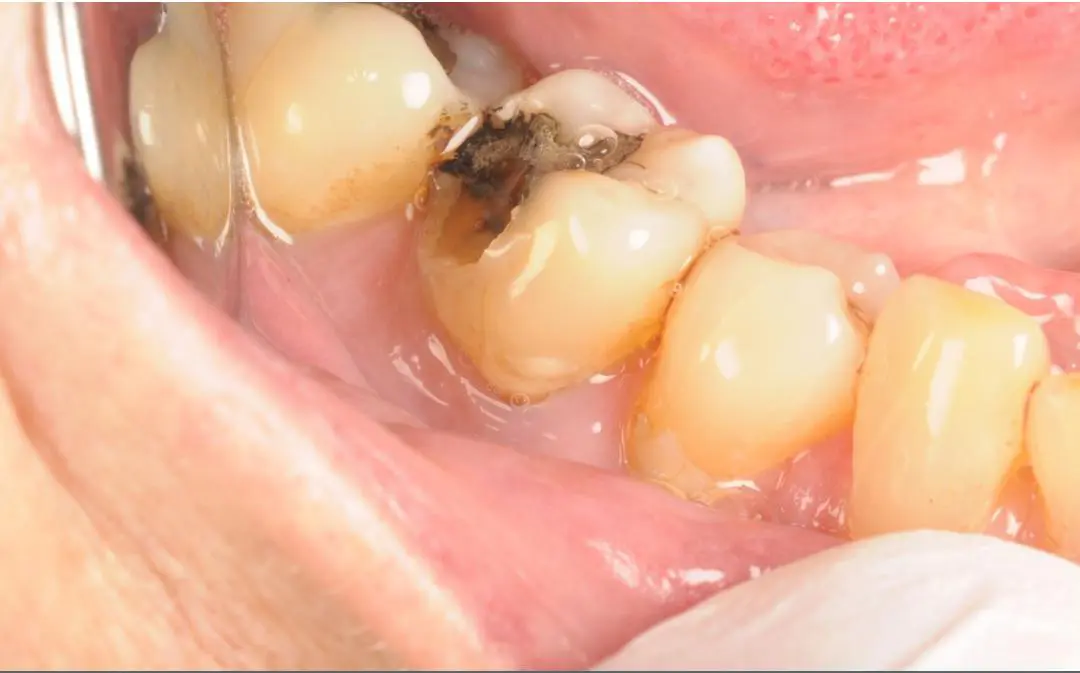
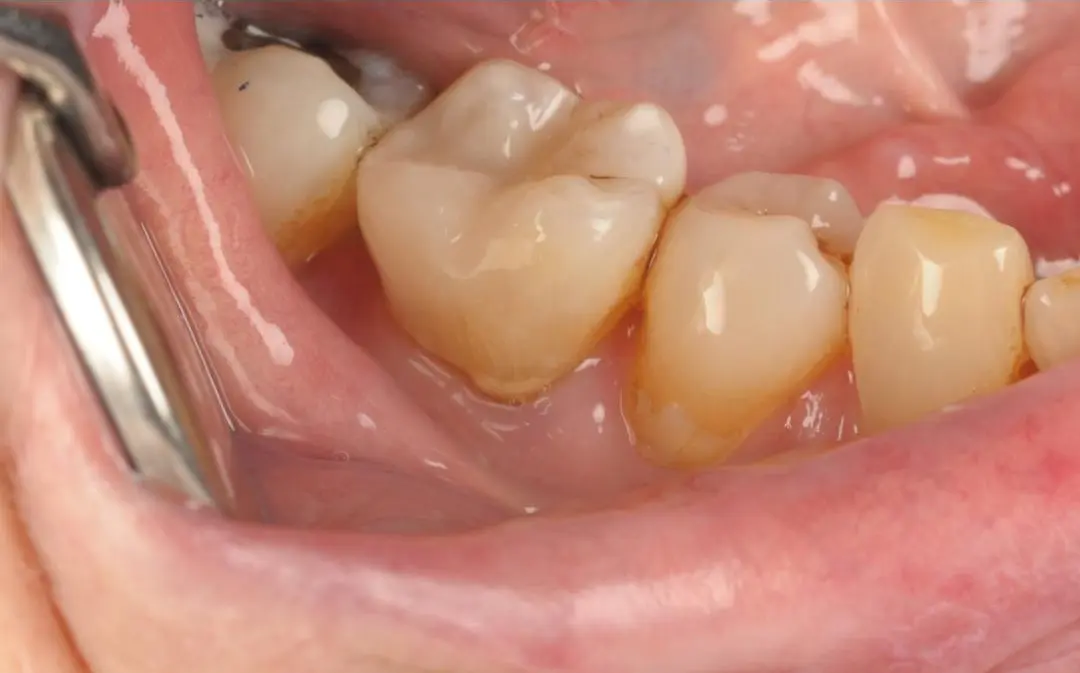
Real Patient Result: Emergency White Filling
Treatment by Dr Kamran
Signs that warrant professional assessment include pain that persists despite over-the-counter pain relief, visible swelling around the affected tooth, or symptoms that interfere significantly with eating, drinking, or sleeping. Dental infections can progress rapidly and may require antibiotic treatment or emergency procedures to prevent complications.
Additionally, trauma to teeth, sudden onset of severe pain, or symptoms affecting multiple teeth should receive prompt professional attention. Early intervention often results in more conservative treatment options and better long-term outcomes.
Additional Comfort Measures for Dental Pain
Beyond head elevation, several complementary strategies may help manage dental discomfort temporarily. Our guide on how to manage toothache at home at 3 AM covers practical steps for overnight relief. Gentle saltwater rinses can help reduce bacteria levels around affected areas, whilst avoiding extremely hot or cold foods and beverages prevents additional stimulation of sensitive nerves. Over-the-counter anti-inflammatory medications, when used according to package instructions, may help reduce both pain and inflammation.
Cold compresses applied to the outside of the face for 15-20 minutes at a time may help numb pain and reduce swelling. However, avoid applying ice directly to the skin or using heat applications, which can worsen inflammation in many cases.
Maintaining good oral hygiene, including gentle brushing and careful flossing around affected areas, helps prevent additional bacterial accumulation whilst avoiding further irritation to sensitive tissues.
Prevention and Long-term Oral Health
Regular dental examinations play a crucial role in preventing dental emergencies that cause severe pain. Routine dental check-ups enable early detection of problems before they progress to painful infections or extensive damage requiring emergency intervention.
Daily oral hygiene practices, including proper brushing technique and regular flossing, significantly reduce the risk of tooth decay and gum disease that can lead to painful complications. Using fluoride toothpaste and avoiding excessive consumption of sugary or acidic foods and beverages supports long-term dental health.
Addressing dental problems promptly when they first develop prevents progression to more serious conditions that cause severe pain and require more extensive treatment. Small cavities treated early typically require simple fillings, whilst delayed treatment may necessitate more complex procedures.
Key Points to Remember
• Head elevation can temporarily reduce blood pressure in dental pain by decreasing blood flow to affected tissues
• The confined space of the tooth structure amplifies pressure changes during inflammation or infection
• Positional techniques provide temporary relief but do not address underlying dental problems
• Professional assessment is essential for persistent or severe dental pain
• Early intervention typically results in more conservative treatment options
• Preventive care through regular dental visits significantly reduces emergency dental situations
Frequently Asked Questions
How high should I elevate my head when experiencing tooth pain?
Elevating your head approximately 30-45 degrees above horizontal often provides optimal relief whilst maintaining comfort for sleeping. Using 2-3 pillows or sleeping in a reclining chair can achieve this angle effectively. The goal is reducing blood flow to the affected area without creating neck strain that might interfere with rest.
Will head elevation cure my tooth pain completely?
Head elevation provides temporary symptomatic relief by reducing blood pressure in the affected area, but it does not treat the underlying cause of dental pain. Infections, decay, or other dental problems require professional treatment to resolve completely. This positional technique should be considered a temporary comfort measure whilst seeking appropriate dental care.
How long can I safely use this technique before seeking dental treatment?
Whilst head elevation is safe for immediate comfort, dental pain requiring this level of management typically indicates a condition needing prompt professional attention. Severe or persistent pain, particularly with swelling or fever, should receive dental evaluation within 24-48 hours to prevent complications and address the underlying problem effectively.
Can this technique help with all types of dental pain?
Head elevation is most effective for throbbing pain associated with inflammation or infection that increases pressure within the tooth structure. It may be less helpful for pain caused by exposed nerves, fractured teeth, or gum disease. The effectiveness varies depending on the underlying cause and individual circumstances.
Are there any risks associated with sleeping with my head elevated?
Sleeping with your head elevated is generally safe for most people. However, ensure your neck remains properly supported to avoid strain or stiffness. Some individuals may experience difficulty maintaining this position throughout the night or may develop discomfort in other areas. Adjust your setup as needed for optimal comfort.
Should I continue this technique after dental treatment?
Following dental treatment, your practitioner will provide specific guidance about pain management and sleeping positions. In most cases, the need for head elevation diminishes as inflammation resolves after appropriate treatment. Continue following your dental professional's post-treatment instructions for optimal healing and comfort.
Conclusion
Understanding the relationship between sleeping position and dental pain provides valuable insights for managing acute discomfort whilst seeking appropriate professional care. Head elevation can offer meaningful temporary relief by reducing blood pressure in inflamed dental tissues, though this technique addresses symptoms rather than underlying causes.
Effective pain management often involves combining positional techniques with other conservative measures whilst prioritising prompt professional assessment for persistent or severe symptoms. The confined nature of tooth structure makes pressure changes particularly significant in dental pain, explaining why relatively simple positional adjustments can provide noticeable relief.
Long-term oral health depends on regular professional care and consistent daily hygiene practices that prevent the development of painful dental conditions. When dental pain does occur, early professional intervention typically results in more comfortable treatment experiences and better outcomes.
Dental symptoms and treatment options should always be assessed individually during a clinical examination.
Important Medical Disclaimer
This article provides educational information about dental health topics and should not be considered a substitute for professional dental advice, diagnosis, or treatment. Individual dental conditions vary significantly, and symptoms may indicate various underlying causes that require clinical assessment. The information presented here is intended for general educational purposes and should not be used for self-diagnosis or treatment decisions.
Dental pain, infections, or other oral health concerns require professional evaluation to determine appropriate treatment options. Treatment recommendations and outcomes depend on individual clinical circumstances that can only be properly assessed through examination by a qualified dental professional. If you are experiencing dental pain, swelling, or other concerning symptoms, please seek prompt professional dental advice.
This content does not establish a dentist-patient relationship, and readers should not delay seeking professional care based on information contained in this article. Always consult with a registered dental professional for personalised advice regarding your specific dental health needs and treatment options.
This article has been prepared in accordance with General Dental Council (GDC) standards, Care Quality Commission (CQC) patient safety principles, and Advertising Standards Authority (ASA) CAP Code requirements for healthcare communications.