
Biting into a crisp apple should be one of life's simple pleasures — but if you experience a sharp pain when biting an apple, it can be both startling and worrying. It is one of the most common dental concerns that prompts people to search online for answers, often wondering whether the pain signals a cracked tooth, a cavity, or something else entirely.
This type of sudden, biting-related tooth pain is something many adults in London encounter at some point. It can range from a brief, fleeting twinge to a more intense, lingering discomfort that affects everyday eating. Understanding what might be behind the sensation can help you make informed decisions about your oral health and know when it may be time to seek a professional dental assessment.
In this article, we will explore the most common causes of sharp tooth pain when biting, explain the key differences between a cracked tooth and a cavity, discuss the dental science involved, and outline when a visit to a dentist may be appropriate. We will also share practical advice on protecting your teeth and maintaining good oral health.
Experiencing these symptoms?
Delaying treatment can lead to tooth loss. We have slots available today.
Why Does My Tooth Hurt When I Bite an Apple?
A sharp pain when biting an apple may indicate a cracked tooth, dental cavity, or weakened tooth structure. The pressure of biting into firm food can expose damaged enamel, irritate the tooth's inner nerve, or flex a hairline fracture. A clinical dental examination is needed to determine the specific cause and appropriate next steps for treatment.
Common Causes of Sharp Tooth Pain When Biting
There are several reasons why you might feel a sudden, sharp pain when biting into hard or firm foods such as apples. Understanding these causes can help you recognise what your tooth may be trying to tell you.
Dental Cavities (Tooth Decay)
Cavities are one of the most prevalent causes of tooth pain. When bacteria in the mouth produce acids that erode tooth enamel over time, small holes or areas of decay can develop. If a cavity reaches the softer dentine layer beneath the enamel, biting pressure can cause a sharp, uncomfortable sensation. Cavities may not always be visible to the naked eye, particularly when they develop between teeth or beneath existing fillings.
Meet Dr. Yasha Shirazi
Principal Dentist at Emergency Dentist London
"We treat hundreds of dental emergencies every month. The sooner you come in, the easier the fix usually is."
Book an appointment with our team →Cracked or Fractured Teeth
A cracked tooth is another frequent explanation for biting pain. Sometimes referred to as cracked tooth syndrome, cracks can range from tiny, almost invisible hairline fractures to more significant splits that extend deeper into the tooth structure. When you bite down, the two sides of a crack may move slightly, irritating the nerve inside the tooth. This often produces a distinctive sharp pain that occurs at the moment of biting and may ease when pressure is released.
Worn or Damaged Fillings
Older dental fillings can wear down, chip, or develop gaps over time. When a filling no longer fits snugly, bacteria can accumulate beneath it, and the underlying tooth structure may become exposed to biting forces, leading to sensitivity and pain.
Gum Recession and Root Exposure
If the gum tissue has receded, the root surface of a tooth may become exposed. Tooth roots lack the protective enamel covering found on the crown of the tooth, making them more sensitive to pressure and temperature changes.
Cracked Tooth vs Cavity: How to Tell the Difference
Many patients wonder whether their pain is caused by a crack or a cavity. While only a clinical examination — often supported by dental X-rays or specialised diagnostic tools — can provide a definitive answer, there are some general differences in how these two conditions may present.
Pain Patterns
A cracked tooth often produces a sharp, sudden pain specifically when biting down or releasing the bite. The pain may be inconsistent, occurring only when chewing in a particular way or on certain foods. A cavity, on the other hand, may cause more persistent sensitivity, particularly to sweet, hot, or cold foods and drinks, and the discomfort may gradually worsen over time as the decay progresses.
Visible Signs
Cavities sometimes appear as dark spots or visible holes on the tooth surface, though many cavities are hidden between teeth or beneath fillings. Cracks are frequently invisible to the naked eye, especially hairline fractures known as craze lines or incomplete fractures. Dentists may use magnification, transillumination (shining a light through the tooth), or bite tests to identify cracks.
Sensitivity Triggers
With cavities, sensitivity to sugar and temperature is common. With cracks, the hallmark symptom is often pain on biting and release — particularly when eating hard or crunchy foods like apples, nuts, or crusty bread.
It is important to note that these are general patterns. A thorough dental examination by a qualified dentist is the most reliable way to determine the cause of tooth pain.
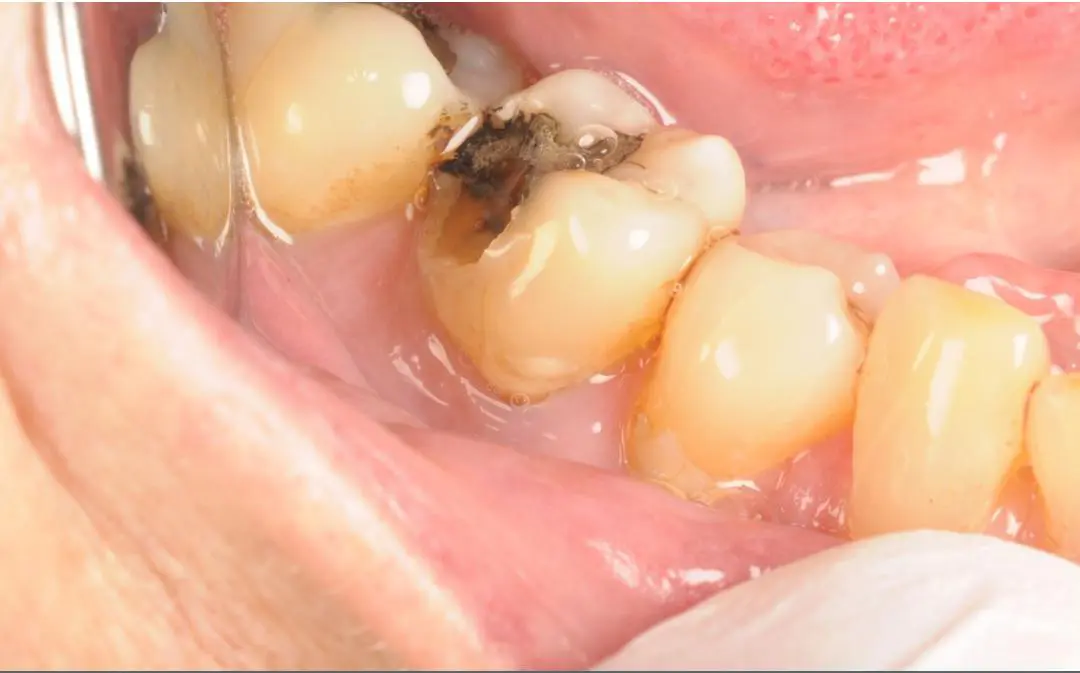
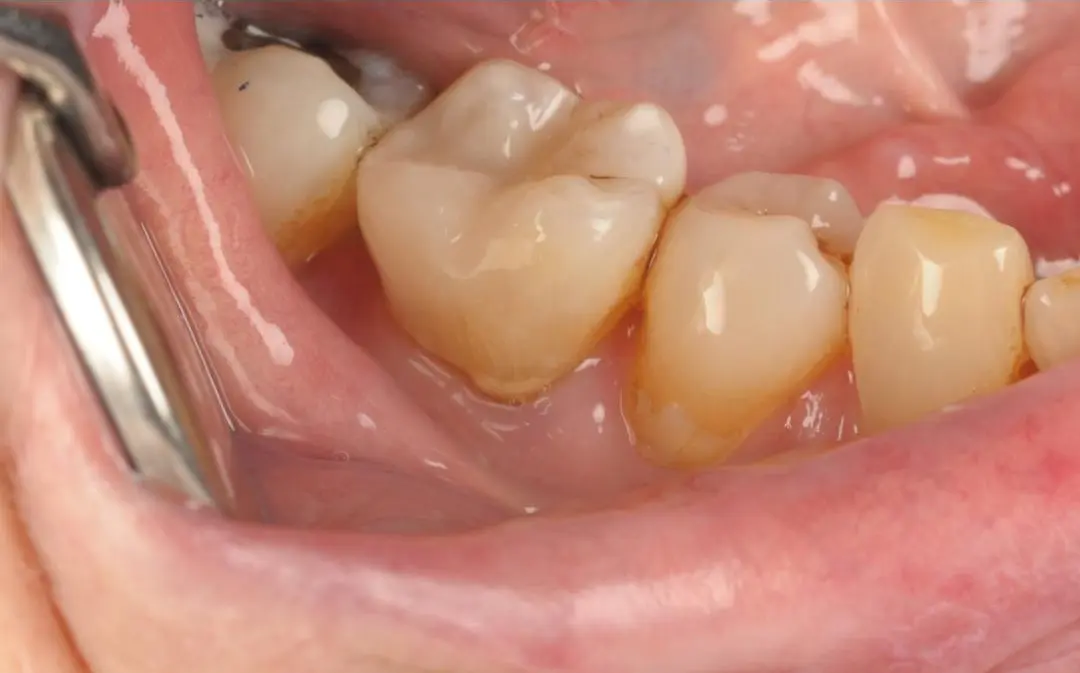
Real Patient Result: Emergency White Filling
Treatment by Dr Kamran
The Dental Science Behind Biting Pain
Understanding a little about tooth anatomy can help explain why biting into something firm like an apple can trigger pain.
Tooth Structure
Each tooth is made up of several layers. The outermost layer, enamel, is the hardest substance in the human body and acts as a protective shield. Beneath the enamel lies dentine, a softer, more porous layer that contains microscopic tubules leading towards the tooth's centre. At the core of the tooth is the dental pulp, which houses the nerve and blood supply.
How Damage Causes Pain
When enamel is compromised — whether through decay, a crack, or erosion — the dentine becomes exposed. Biting pressure can push fluid through the dentine tubules, stimulating the nerve endings within the pulp. This is known as the hydrodynamic theory of dentine sensitivity and explains the sharp, sudden nature of the pain many patients describe.
In the case of a cracked tooth, biting forces can cause the crack to flex open momentarily. This movement irritates the pulp tissue directly, producing that characteristic sharp twinge. If the crack extends deeply enough, it may eventually allow bacteria to reach the pulp, potentially leading to infection.
Why Firm Foods Are Problematic
Apples, raw carrots, nuts, and crusty bread require significant biting force. This increased pressure places greater stress on any weakened areas of tooth structure, making these foods more likely to trigger symptoms from an existing crack or cavity that might otherwise go unnoticed with softer foods.
When Professional Dental Assessment May Be Needed
If you experience sharp pain when biting, it is sensible to be aware of signs that may suggest a dental evaluation could be helpful. The following situations are worth noting:
- Persistent or recurring pain when biting or chewing, particularly if it lasts more than a few days
- Sensitivity to hot, cold, or sweet foods and drinks that does not settle quickly
- Visible changes to a tooth, such as discolouration, a dark spot, or a rough edge
- Swelling or tenderness in the gum area around a particular tooth
- Pain that wakes you at night or that occurs without any obvious trigger
- A piece of tooth or filling that has broken away
These symptoms do not necessarily indicate a serious problem, but they can suggest that something in the tooth structure may benefit from professional attention. Early assessment often means that any issue identified can be managed with less complex treatment.
If you are experiencing dental pain that is affecting your daily comfort, speaking with a dentist can help provide clarity and peace of mind.
Treatment Approaches Your Dentist May Consider
The treatment for sharp pain when biting depends entirely on the underlying cause, which can only be determined through a clinical examination. Below are some general approaches a dentist may consider.
For Dental Cavities
If a cavity is identified, treatment typically involves removing the decayed portion of the tooth and restoring it with a dental filling or other appropriate restoration. The type and extent of the restoration will depend on the size and location of the cavity. In cases where decay has reached the pulp, root canal treatment may be discussed.
For Cracked Teeth
Management of a cracked tooth depends on the severity and location of the crack. Minor cracks may be protected with a dental crown or bonding material to prevent further damage. More extensive cracks that have reached the pulp may require root canal treatment followed by a crown. In rare cases where a crack extends below the gum line or splits the tooth vertically, extraction may be the only viable option.
For Worn Fillings
Old or damaged fillings can usually be replaced. Your dentist will assess the remaining tooth structure and recommend the most suitable restorative option.
Treatment suitability always depends on individual clinical assessment. Your dentist will discuss options with you, explain the benefits and considerations of each approach, and help you make an informed decision.
Prevention and Oral Health Advice
While not all cracks or cavities can be prevented, there are practical steps that may help reduce the risk of tooth damage and maintain good oral health.
Daily Oral Hygiene
Brushing twice daily with a fluoride toothpaste and cleaning between teeth with interdental brushes or floss helps remove plaque and reduce the risk of decay. Plaque is the primary driver of cavities, so consistent removal is one of the most effective preventative measures.
Dietary Considerations
Limiting sugary snacks and acidic drinks can help protect tooth enamel. When eating firm foods like apples, cutting them into smaller pieces rather than biting directly can reduce the stress placed on teeth — particularly if you have existing dental restorations or have previously experienced tooth sensitivity.
Avoiding Habits That Stress Teeth
Chewing ice, biting pen caps, or using teeth to open packaging can place excessive force on teeth and increase the risk of cracks. If you grind or clench your teeth — particularly at night — speaking with your dentist about a protective mouthguard may be worthwhile.
Regular Dental Check-Ups
Attending routine dental appointments allows your dentist to identify early signs of decay, cracks, or other concerns before they progress. Early detection often allows for simpler and more conservative management.
Key Points to Remember
- A sharp pain when biting an apple can be caused by a cracked tooth, a cavity, a worn filling, or gum recession.
- Cracked teeth often cause pain specifically on biting and release, while cavities tend to produce sensitivity to temperature and sweet foods.
- Many cracks are invisible to the naked eye and require professional diagnostic tools to identify.
- Early dental assessment often means less complex treatment and better outcomes for tooth preservation.
- Cutting firm foods into smaller pieces and maintaining good oral hygiene can help reduce stress on teeth.
- Only a qualified dentist can determine the specific cause of tooth pain through a clinical examination.
Frequently Asked Questions
Can a cracked tooth heal on its own?
Unlike bone, tooth enamel and dentine do not regenerate or heal naturally. A cracked tooth will not repair itself over time. Without appropriate management, a crack may gradually worsen — particularly if the tooth continues to be subjected to normal biting forces. If you suspect a cracked tooth, seeking a dental assessment is advisable so that your dentist can evaluate the extent of the crack and discuss suitable options to protect the tooth from further damage. Early intervention may help preserve more of the natural tooth structure.
Is it safe to wait if the pain only happens occasionally?
Intermittent pain does not necessarily mean the issue is minor. In fact, inconsistent sharp pain when biting is a common characteristic of cracked teeth, where the crack may only cause discomfort when pressure is applied at a specific angle. Cavities can also cause sporadic symptoms in their earlier stages. While occasional pain is not always an emergency, it is generally sensible to arrange a dental appointment within a reasonable timeframe to have the tooth assessed, rather than waiting for the symptoms to worsen.
Could sensitivity to biting be related to gum disease?
Yes, in some cases. Advanced gum disease (periodontitis) can lead to loss of the bone and gum tissue supporting the teeth, which may cause teeth to become slightly mobile or expose root surfaces. This can make teeth more sensitive to biting pressure. If you have noticed bleeding gums, persistent bad breath, or teeth that feel slightly loose alongside biting sensitivity, a comprehensive dental and periodontal assessment may be appropriate to evaluate the health of your supporting structures.
What should I do if a piece of my tooth breaks off while eating?
If a piece of tooth breaks away, try to keep the fragment if possible, as your dentist may be able to use it. Avoid chewing on the affected side and rinse gently with warm water. If there is a sharp edge causing discomfort to your tongue or cheek, sugar-free dental wax or even a small piece of softened candle wax can be placed over the edge temporarily. Contact your dental practice to arrange an appointment. If you are experiencing significant pain or swelling, an urgent or same-day dental appointment may be advisable.
Can children experience cracked teeth from biting apples?
Children can certainly experience dental pain when biting firm foods, though the causes may differ slightly. Primary (baby) teeth and newly erupted permanent teeth may be more susceptible to certain types of damage. Cavities are common in children, and trauma from falls or sports can also cause cracks or chips. If a child reports pain when eating, a dental assessment is a sensible step. Encouraging children to cut apples into slices rather than biting directly can help reduce the risk of dental injury.
Does a sharp pain always mean I need treatment?
Not necessarily. Some brief sensitivity can occur without indicating a significant dental problem — for example, temporary sensitivity after a recent dental procedure or mild enamel wear. However, if sharp pain when biting is persistent, recurring, or worsening, it is generally a good idea to have the tooth assessed. A dental examination can help provide reassurance or identify any issues that may benefit from attention. Your dentist will explain their findings and discuss whether any treatment is recommended.
Conclusion
Experiencing a sharp pain when biting an apple is a common concern that can understandably cause worry. Whether the cause is a cracked tooth, a developing cavity, a worn filling, or another dental issue, understanding the possible explanations can help you respond calmly and make informed decisions about your oral health.
The key difference between a crack and a cavity often lies in the nature of the pain and its triggers, but accurate identification requires a proper clinical examination. Many dental issues respond well to treatment when identified early, so seeking timely professional advice is a positive and proactive step.
Maintaining good daily oral hygiene, attending regular dental check-ups, and being mindful of habits that place excessive force on teeth are all practical ways to look after your dental health in the long term.
If you are experiencing persistent or concerning dental symptoms, we encourage you to speak with a qualified dental professional who can assess your individual situation.
Dental symptoms and treatment options should always be assessed individually during a clinical examination.
Disclaimer
This article is for general educational purposes only and does not constitute professional dental advice, diagnosis, or treatment. Every patient's circumstances are unique; dental symptoms and treatment options should always be assessed during a clinical examination by a qualified dental professional. No specific outcomes are guaranteed. This content has been prepared in line with GDC, CQC, ASA CAP Code, and GMC communication standards. If you have concerns about your oral health, please contact a registered dentist.