
When you notice red, hot skin over facial swelling, it can be deeply concerning. Many patients search online for answers when they experience these symptoms, particularly when the swelling feels warm to touch or appears to be spreading. Understanding what causes these symptoms and when they might indicate a serious dental infection is crucial for making informed decisions about your oral health.
Dental infections that progress to affect surrounding tissues represent one of the more serious complications in dentistry. When bacteria from an untreated tooth infection begin to spread through bone and into soft tissues, the body's immune response creates inflammation, heat, and redness. This process, whilst alarming in appearance, is actually your body's attempt to fight the infection and contain its spread.
This article will explain the underlying causes of facial swelling with hot, red skin, describe how dental infections can progress through bone structures, and outline when professional dental assessment becomes particularly important. We'll also discuss preventative measures and treatment approaches that dental professionals may consider during clinical evaluation.
Experiencing these symptoms?
Delaying treatment can lead to tooth loss. We have slots available today.
What Causes Red Hot Skin Over Facial Swelling?
Yes, advanced dental infections can spread through bone and into surrounding soft tissues, causing facial swelling with red, hot skin as the body's immune system responds to combat the bacterial infection.
When a tooth infection progresses beyond the root tip, bacteria can travel through the jawbone and into the surrounding soft tissues. This process, known as cellulitis when it affects facial tissues, creates a characteristic pattern of swelling accompanied by warmth, redness, and tenderness.
The heat you feel occurs because increased blood flow to the affected area brings white blood cells to fight the infection. This inflammatory response is essential for healing but creates the uncomfortable symptoms of swelling and warmth that patients often notice first.
Meet Dr. Yasha Shirazi
Principal Dentist at Emergency Dentist London
"We treat hundreds of dental emergencies every month. The sooner you come in, the easier the fix usually is."
Book an appointment with our team →How Dental Infections Progress Through Bone
Understanding how dental infections spread helps explain why some patients develop facial swelling whilst others experience only localised tooth pain. The process typically begins within the tooth's pulp chamber, where bacteria multiply and create pressure.
When the infection reaches the tooth's root tip, it encounters the surrounding jawbone. If left untreated, bacteria can create small channels through the bone tissue, following paths of least resistance. These pathways often lead towards the surface, where the infection eventually reaches the soft tissues of the cheek, jaw, or neck area.
The jawbone's structure influences where swelling appears. Upper tooth infections may cause cheek swelling or even affect the area around the eye, whilst lower tooth infections commonly create swelling along the jawline or beneath the chin. Each patient's anatomy determines the exact pattern of spread.
The Body's Inflammatory Response
When facial tissues become infected, your immune system activates a complex inflammatory response designed to contain and eliminate the bacteria. This process involves dilating blood vessels to allow more white blood cells to reach the affected area, which creates the characteristic warmth and redness.
The swelling develops as fluid accumulates in the tissues, creating space for immune cells to work effectively. Whilst uncomfortable, this response is crucial for fighting the infection. However, the same process that helps combat bacteria can also create pressure that affects nearby structures.
Pain often accompanies these symptoms because the swelling puts pressure on nerve endings in the affected tissues. The intensity varies depending on the infection's location and severity, with some patients experiencing only mild discomfort whilst others develop significant pain that affects eating, speaking, or sleeping.
When Professional Dental Assessment May Be Needed
Several symptoms suggest that professional dental evaluation would be appropriate. Facial swelling that develops rapidly, particularly when accompanied by difficulty swallowing or opening your mouth fully, warrants prompt dental assessment. Changes in your voice or breathing, fever, or swelling that extends towards your neck are particularly concerning symptoms.
Persistent tooth pain combined with facial swelling often indicates that an infection has progressed beyond the tooth itself. Even without pain, facial swelling following dental work or trauma should be evaluated professionally to determine appropriate treatment.
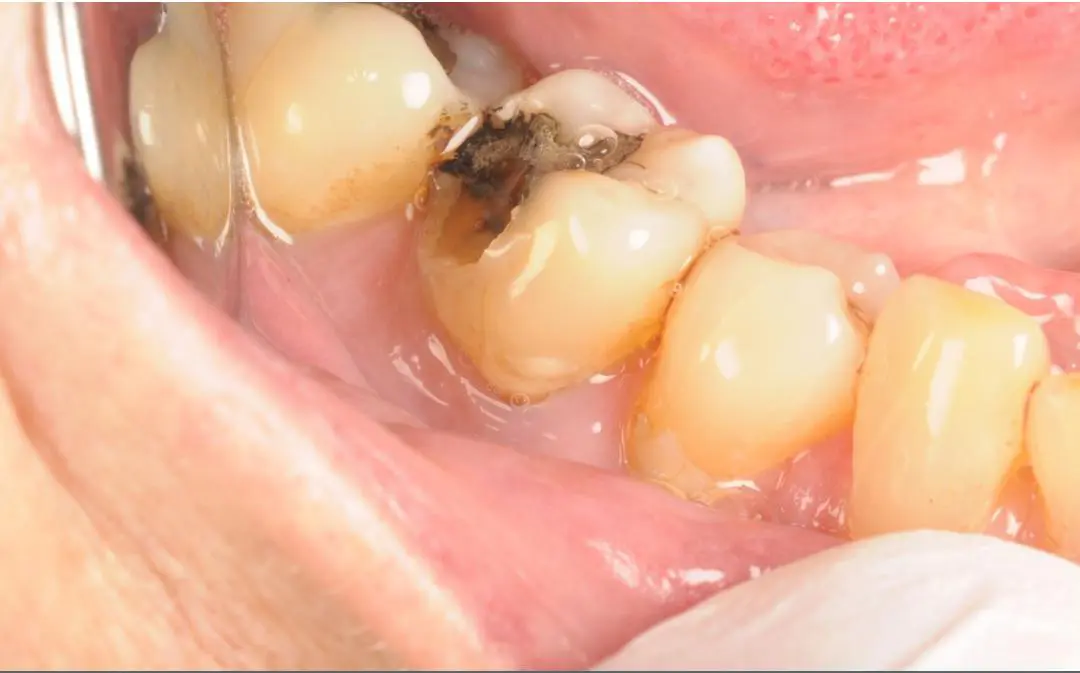
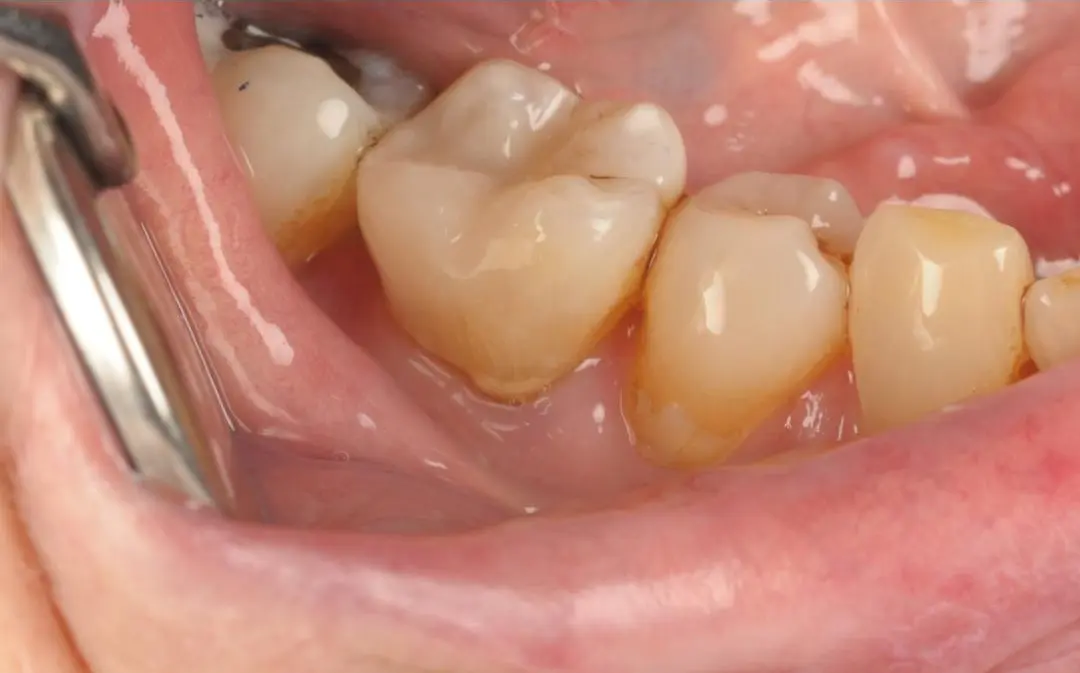
Real Patient Result: Emergency White Filling
Treatment by Dr Kamran
If you notice red streaks extending from the swollen area, or if the swelling continues to worsen despite home care measures, these symptoms suggest the infection may be spreading and require professional intervention.
Treatment Approaches for Dental Infections
Dental professionals have several treatment options available depending on the infection's source and severity. The primary goal involves eliminating the bacteria causing the infection whilst preserving as much healthy tooth structure as possible.
Root canal treatment may be appropriate when the infection originates from within a tooth's pulp chamber. This procedure removes the infected tissue whilst maintaining the tooth's structure, often resolving the associated facial swelling as the infection clears.
In cases where the tooth cannot be preserved, extraction might be necessary to eliminate the source of infection. Following extraction, the socket requires careful management to ensure proper healing and prevent further complications.
Antibiotic therapy often accompanies these treatments, particularly when facial swelling is present. The choice of antibiotic depends on the likely bacteria involved and the patient's medical history, with treatment duration varying based on the infection's severity.
Prevention and Oral Health Maintenance
Regular dental check-ups play a crucial role in preventing infections that progress to cause facial swelling. During routine examinations, dental professionals can identify early signs of decay or gum disease before they develop into more serious infections.
Daily oral hygiene habits significantly impact your risk of developing dental infections. Thorough brushing with fluoride toothpaste, regular flossing, and using an antimicrobial mouthwash help maintain the bacterial balance in your mouth and prevent harmful bacteria from establishing infections.
Avoiding sugary foods and drinks between meals reduces the fuel available for harmful bacteria, whilst drinking plenty of water helps wash away food particles and bacteria throughout the day. If you do consume sugary or acidic foods, rinsing with water afterwards helps minimise their impact on your teeth.
Addressing dental problems promptly prevents minor issues from developing into serious infections. A small filling completed early often prevents the need for more extensive treatment later, including the risk of facial swelling from advanced infections.
Understanding Risk Factors
Certain factors increase the likelihood of developing serious dental infections. Diabetes, immune system disorders, and medications that suppress immune function can make it more difficult for your body to fight dental infections effectively.
Smoking significantly impacts your mouth's ability to heal and fight infections. The reduced blood flow and impaired immune response associated with smoking create conditions that allow dental infections to progress more readily.
Previous dental trauma, large fillings, or cracked teeth create pathways for bacteria to reach the tooth's inner structures. Understanding these risk factors helps explain why some patients develop infections whilst others with similar oral hygiene habits do not.
Key Points to Remember
• Red, hot skin over facial swelling can indicate a dental infection spreading through bone into surrounding tissues
• The body's inflammatory response creates warmth and redness as it fights bacterial infection
• Rapid swelling, difficulty swallowing, or breathing changes warrant prompt professional assessment
• Emergency dental care may be needed for severe symptoms or spreading infections
• Regular dental check-ups and good oral hygiene significantly reduce infection risk
• Early treatment of dental problems prevents progression to serious facial infections
Frequently Asked Questions
How quickly can dental infections spread to cause facial swelling?
Dental infections can progress at varying speeds depending on factors such as your immune system, the type of bacteria involved, and the infection's location. Some patients notice facial swelling within hours of severe tooth pain, whilst others may develop swelling gradually over several days. The speed of progression doesn't always correlate with severity, which is why professional assessment helps determine appropriate treatment timing.
Can facial swelling from dental infections be dangerous?
Facial swelling from dental infections can potentially become serious, particularly if it affects your ability to swallow or breathe normally. Infections that spread rapidly or involve certain facial spaces may require urgent treatment. This is why dental professionals recommend prompt evaluation for facial swelling, especially when accompanied by fever, difficulty opening your mouth, or changes in breathing or swallowing.
What's the difference between normal post-treatment swelling and infection?
Normal swelling after dental procedures typically peaks within 48-72 hours and then gradually decreases. It may be accompanied by mild warmth but usually responds to cold compresses and anti-inflammatory medication. Swelling from infection often worsens over time, feels increasingly warm or hot, and may be accompanied by fever, severe pain, or pus discharge. When in doubt, contacting your dental practice provides clarity about whether symptoms are within normal expectations.
How can I tell if my dental pain might lead to facial swelling?
Severe, throbbing tooth pain that worsens when lying down or drinking hot liquids often indicates pulp infection that could potentially spread. Pain that radiates to your ear, jaw, or neck area, particularly when accompanied by sensitivity to pressure or temperature, suggests the infection may be progressing. However, not all serious dental infections cause severe pain, which is why regular dental examinations help identify problems before they become serious.
Are there home remedies that help with facial swelling from dental infections?
Whilst home remedies may provide temporary comfort, facial swelling from dental infections typically requires professional treatment to address the underlying bacterial infection. Cold compresses may help reduce swelling temporarily, and over-the-counter pain relievers can provide comfort, but these measures don't eliminate the infection causing the symptoms. Professional assessment determines whether antibiotics or other treatments are needed to resolve the infection safely.
Will antibiotics alone cure a dental infection causing facial swelling?
Antibiotics help control the bacterial infection and reduce swelling, but they often cannot completely eliminate infections originating from within teeth. The infected tooth tissue typically requires removal either through root canal treatment or extraction to fully resolve the infection. Antibiotics work best when combined with appropriate dental treatment to remove the source of infection, rather than as a standalone treatment for dental infections.
Conclusion
Facial swelling with red, hot skin often indicates a dental infection that has progressed beyond the tooth to affect surrounding bone and soft tissues. Understanding how these infections develop and spread helps explain why prompt professional assessment becomes important, particularly when symptoms worsen or affect your ability to eat, speak, or swallow comfortably.
The body's inflammatory response, whilst creating uncomfortable symptoms, represents an essential defence mechanism against bacterial infection. Modern dental treatments can effectively address these infections when diagnosed appropriately, often preserving tooth structure whilst eliminating the source of infection.
Preventative care through regular dental check-ups and consistent oral hygiene remains the most effective approach to avoiding serious dental infections. When problems do arise, early intervention typically provides more treatment options and prevents progression to facial swelling.
All dental symptoms and treatment suitability must be assessed individually during a clinical examination by a qualified dental professional, as treatment approaches depend on individual clinical circumstances.
Disclaimer
This article is for general educational purposes only and does not constitute professional dental advice, diagnosis, or treatment. Every patient's circumstances are unique; dental symptoms and treatment options should always be assessed during a clinical examination by a qualified dental professional. No specific outcomes are guaranteed. This content has been prepared in line with GDC, CQC, ASA CAP Code, and GMC communication standards. If you have concerns about your oral health, please contact a registered dentist.