
A broken tooth can occur suddenly and unexpectedly, leaving many people unsure about the appropriate steps to take. Whether caused by biting something hard, dental trauma, or underlying tooth decay, tooth fractures are amongst the most common dental concerns that prompt people to search for immediate professional advice online. Understanding how dental professionals approach the clinical management of broken teeth can help patients make informed decisions about their oral health care.
Broken teeth vary significantly in their severity, location, and impact on oral function. Some fractures may only affect the tooth's outer enamel layer, while others can extend deep into the tooth's inner structures. The professional clinical management of broken teeth requires careful assessment to determine the most appropriate treatment approach. Early professional evaluation often helps preserve tooth structure and may prevent more complex complications from developing.
What is Professional Clinical Management of Broken Teeth?
Professional clinical management of broken teeth involves the systematic assessment, diagnosis, and treatment of fractured dental structures by qualified dental practitioners. This process includes evaluating the extent of the fracture, determining the most suitable treatment approach, and implementing appropriate clinical interventions to restore tooth function and prevent further damage.
Experiencing these symptoms?
Delaying treatment can lead to tooth loss. We have slots available today.
Understanding Different Types of Tooth Fractures
Dental professionals classify tooth fractures based on their location, depth, and the structures they affect. Minor enamel chips typically involve only the tooth's outer protective layer and may require simple cosmetic restoration. Moderate fractures can extend into the dentin layer beneath the enamel, potentially causing sensitivity and requiring more comprehensive treatment.
More extensive fractures may reach the tooth's pulp chamber, where the nerve and blood supply are located. These situations often require immediate professional attention to prevent infection and preserve the tooth's vitality. Vertical root fractures represent the most complex type, potentially affecting the tooth's long-term prognosis.
Understanding the classification helps dental professionals determine the urgency of treatment and the most appropriate clinical approach for each individual case.
Meet Dr. Yasha Shirazi
Principal Dentist at Emergency Dentist London
"We treat hundreds of dental emergencies every month. The sooner you come in, the easier the fix usually is."
Book an appointment with our team →Clinical Assessment and Diagnostic Procedures
When patients present with broken teeth, dental professionals begin with a comprehensive clinical examination. This assessment typically includes visual inspection of the affected tooth, evaluation of surrounding tissues, and assessment of bite function. Digital radiographs may be necessary to identify fractures that extend below the gum line or to evaluate the tooth's root structure.
Professional diagnostic procedures also include pulp vitality testing to determine whether the tooth's nerve has been affected by the fracture. Pain assessment and sensitivity testing provide valuable information about the extent of damage and help guide treatment planning.
Temperature testing and percussion examination can reveal additional information about the tooth's condition and surrounding structures. This thorough diagnostic approach ensures that treatment recommendations are based on accurate clinical findings.
Treatment Approaches for Different Fracture Types
The clinical management of broken teeth depends largely on the fracture's characteristics and the patient's individual circumstances. Minor enamel chips may be addressed through composite bonding or cosmetic contouring, restoring the tooth's appearance and preventing sharp edges.
Moderate fractures affecting the dentin layer typically require protective restorations such as dental crowns or substantial composite fillings. These treatments seal the exposed tooth structure and restore normal function while preventing bacterial infiltration.
Complex fractures involving the tooth's pulp may necessitate root canal therapy followed by protective restoration. In cases where the fracture extends significantly below the gum line, extraction and replacement options might be considered. Each treatment approach is selected based on clinical findings and the tooth's long-term prognosis.
Pain Management and Immediate Care Protocols
Professional clinical management includes appropriate pain control measures tailored to each patient's needs. Dental professionals may recommend suitable pain relief medications and provide guidance on managing discomfort between appointments.
Immediate care protocols often involve protecting the affected tooth from further damage and maintaining oral hygiene around the fractured area. Patients may receive specific instructions about eating habits and oral care routines during the treatment period.
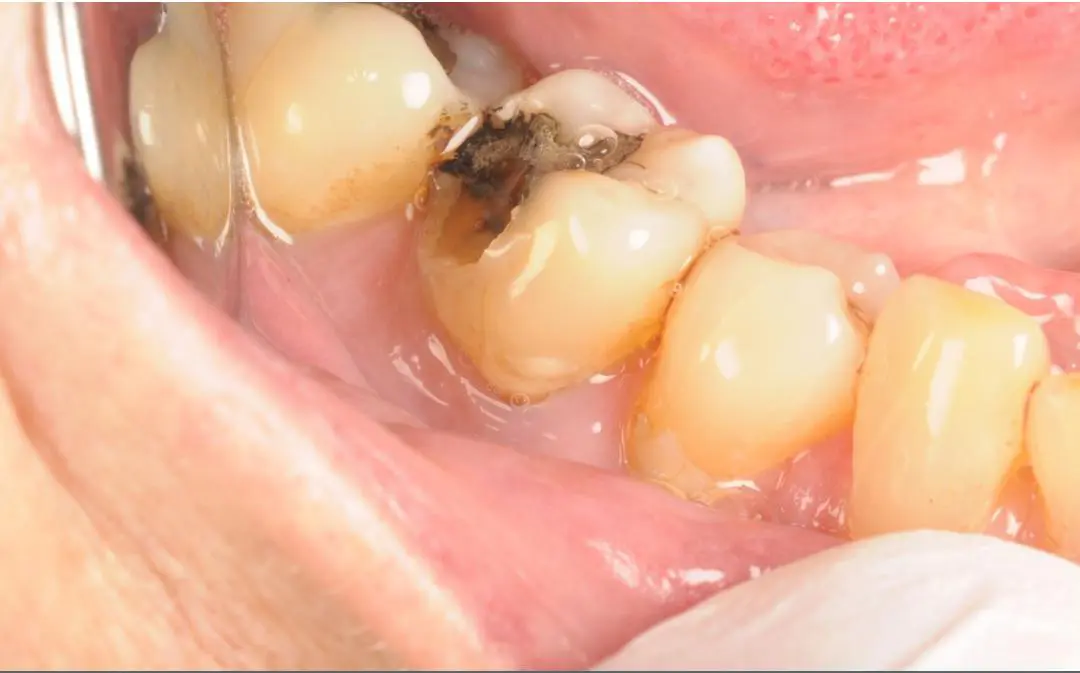
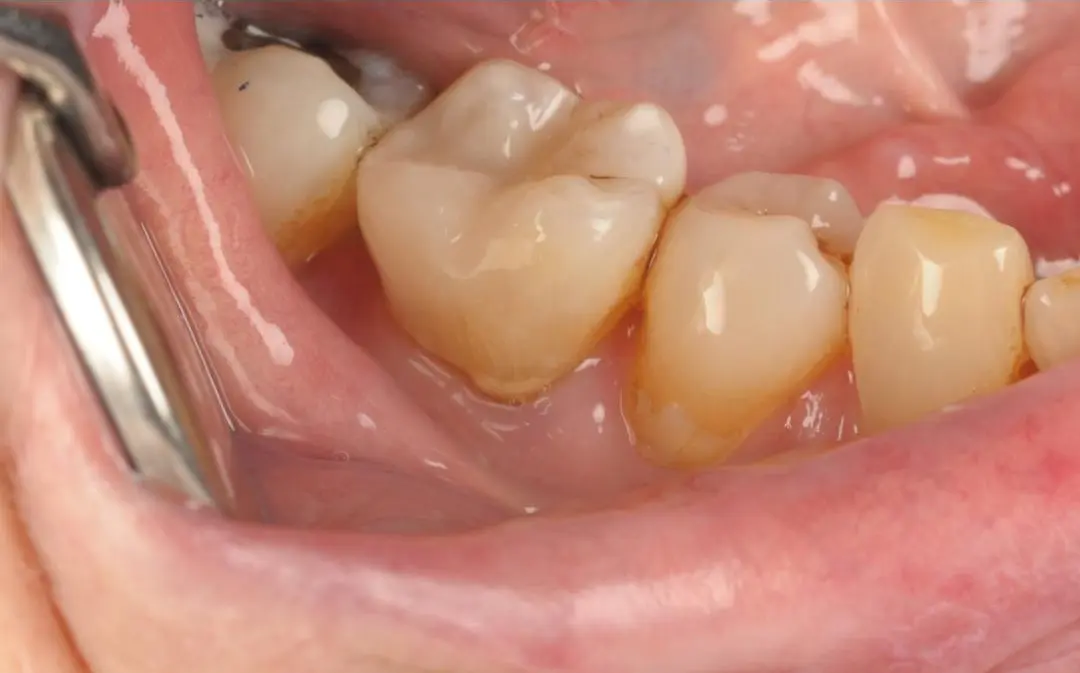
Real Patient Result: Emergency White Filling
Treatment by Dr Kamran
Emergency protocols are established for situations where pain becomes severe or signs of infection develop. Clear communication about when to seek immediate professional attention helps ensure patient safety and optimal treatment outcomes.
When Professional Dental Assessment May Be Needed
Professional dental evaluation should be considered when experiencing persistent tooth pain, sensitivity to temperature changes, or visible damage to tooth structure. Swelling around the affected tooth, unusual taste sensations, or difficulty chewing may also indicate the need for clinical assessment.
Sharp edges on broken teeth that irritate the tongue or cheek tissues warrant professional attention to prevent soft tissue injury. Changes in bite alignment or jaw discomfort following tooth fracture should also prompt dental consultation.
Even apparently minor chips or cracks benefit from professional evaluation, as underlying damage may not be immediately apparent. Early assessment often allows for more conservative treatment approaches and better long-term outcomes.
Prevention Strategies for Tooth Fractures
Maintaining good oral hygiene helps preserve tooth structure and reduces the risk of decay-related fractures. Regular dental check-ups allow for early identification of weakened teeth that may be prone to breaking.
Using protective mouthguards during sports activities significantly reduces the risk of dental trauma. Avoiding habits such as chewing ice, hard sweets, or using teeth as tools helps prevent unnecessary stress on tooth structure.
Patients with teeth grinding habits may benefit from custom night guards to protect against fracture-causing forces during sleep. Addressing underlying dental problems such as large fillings or extensive decay can prevent weakened teeth from breaking under normal function.
Key Points to Remember
• Professional assessment helps determine the most appropriate treatment for broken teeth
• Different types of fractures require specific clinical approaches and treatment protocols
• Early professional evaluation often allows for more conservative treatment options
• Pain management and immediate care protocols are important components of clinical management
• Prevention strategies can significantly reduce the risk of future tooth fractures
• Individual treatment plans are developed based on clinical findings and patient circumstances
Frequently Asked Questions
How quickly should I seek professional treatment for a broken tooth?
Professional assessment should be sought promptly, particularly if experiencing pain, sensitivity, or sharp edges. While not all broken teeth constitute emergencies, early evaluation allows for more treatment options and may prevent complications from developing.
Can all types of broken teeth be repaired?
The repairability of broken teeth depends on factors such as fracture location, extent of damage, and remaining tooth structure. Many fractured teeth can be successfully restored, though some may require extraction and replacement. Professional assessment determines the most suitable approach for each individual case.
Will I need multiple appointments for broken tooth treatment?
Treatment duration varies based on the fracture type and chosen treatment approach. Simple repairs may be completed in a single visit, while more complex cases involving root canal therapy or crown placement typically require multiple appointments spaced over several weeks.
What should I do immediately after breaking a tooth?
Rinse gently with warm water, apply cold compress to reduce swelling if present, and avoid chewing on the affected side. Save any large fragments in milk or saliva if possible, and contact a dental professional for guidance on timing of treatment.
Are there any foods I should avoid with a broken tooth?
Until professional treatment is completed, avoid hard, sticky, or very hot and cold foods that might cause pain or further damage. Soft foods and liquids at room temperature are typically most comfortable while waiting for professional care.
How can I prevent breaking teeth in the future?
Maintain excellent oral hygiene, attend regular dental check-ups, wear protective mouthguards during sports, avoid using teeth as tools, and address teeth grinding habits. These measures significantly reduce fracture risk and help maintain strong, healthy teeth.
Conclusion
Professional clinical management of broken teeth involves comprehensive assessment, accurate diagnosis, and appropriate treatment planning tailored to individual patient needs. Understanding the different types of fractures and available treatment options helps patients make informed decisions about their dental care. Prevention strategies play a crucial role in maintaining strong teeth and reducing fracture risk.
Modern dental techniques offer excellent options for restoring broken teeth and preserving oral function. Early professional assessment often provides the best opportunity for successful treatment outcomes and may prevent more complex problems from developing. Dental symptoms and treatment options should always be assessed individually during a clinical examination.
Educational Disclaimer
This article is provided for educational and informational purposes only and does not constitute professional dental advice, diagnosis, or treatment. Individual dental conditions and treatment requirements vary significantly and can only be properly evaluated through direct clinical examination by a qualified dental professional. The information provided does not guarantee specific treatment outcomes and should not be used as a substitute for professional consultation. Always seek prompt professional dental assessment for any dental symptoms, concerns, or emergencies. This content complies with General Dental Council (GDC), Care Quality Commission (CQC), and Advertising Standards Authority (ASA) guidelines for responsible healthcare communication.
Disclaimer
This article is for general educational purposes only and is not a diagnosis or personal treatment advice.
Dental symptoms and treatment suitability can only be assessed in a face-to-face clinical examination by a qualified dental professional.
If you have pain, swelling, bleeding, or other urgent symptoms, seek prompt professional dental or medical care.
No outcomes are guaranteed, and any fees or timelines mentioned are indicative and subject to individual assessment.
For personalised advice, please contact a registered dental practice.