
Many patients notice changes in their amalgam fillings over time, particularly a feeling of looseness or movement when chewing. This common concern often leads people to search for information about whether their old fillings need attention and what steps to take next. If you are comparing older silver restorations with newer tooth-coloured repairs, our article on a chipped white composite filling explains how modern materials can fail differently.
Amalgam fillings, whilst durable, don't last indefinitely. Over years of use, the constant pressure from chewing, temperature changes from hot and cold foods, and natural wear can cause these metal fillings to expand, contract, and gradually weaken their bond with the surrounding tooth structure. Understanding the signs of a failing amalgam filling and knowing when to seek professional assessment can help prevent more complex dental problems from developing.
This article explains the common causes behind loose amalgam fillings, the signs that may indicate replacement is needed, and the importance of addressing these issues promptly. We'll also discuss what happens during a filling replacement procedure and how maintaining regular dental check-ups can help identify potential problems before they become more serious concerns requiring extensive treatment.
Experiencing these symptoms?
Delaying treatment can lead to tooth loss. We have slots available today.
Why Do Amalgam Fillings Become Loose?
Amalgam fillings can become loose due to thermal expansion and contraction from temperature changes, gradual wear from chewing forces, and natural deterioration of the bond between the filling material and tooth structure over many years of use.
Common Causes of Amalgam Filling Deterioration
Amalgam fillings face constant challenges that can affect their integrity over time. Temperature fluctuations from eating hot soups or drinking cold beverages cause the metal filling to expand and contract at a different rate than the natural tooth structure. This repeated thermal cycling can create microscopic gaps between the filling and the tooth.
The substantial forces generated during normal chewing and grinding can also contribute to filling deterioration. Over years of use, these pressures can cause the filling material to fatigue and the edges to chip or pull away from the tooth walls. Additionally, the natural aging process affects both the filling material and the tooth structure, potentially leading to changes in how well they bond together.
Meet Dr. Yasha Shirazi
Principal Dentist at Emergency Dentist London
"We treat hundreds of dental emergencies every month. The sooner you come in, the easier the fix usually is."
Book an appointment with our team →Modern dental materials and techniques have improved significantly since many older amalgam fillings were placed, which means that replacement fillings often provide better sealing and longevity than the original restoration.
Signs Your Amalgam Filling May Need Attention
Several indicators might suggest that an amalgam filling requires professional evaluation. You may notice sensitivity to hot or cold temperatures that wasn't present before, or experience discomfort when biting down on the affected tooth. Food particles might become trapped around the filling edges more frequently, or you might detect an unusual taste in your mouth.
Visual changes can also provide clues about filling condition. Dark lines around the filling edges, visible cracks in the restoration, or pieces of the filling material breaking away are all signs that warrant dental assessment. Some patients notice that floss catches or tears consistently in one particular area, which could indicate an irregular filling surface. If the damaged area feels rough against your tongue or cheek, our guide on sharp edges from broken fillings explains why smoothing or repair may be helpful.
Changes in bite alignment or the way your teeth fit together when closing your mouth might also suggest that a filling has shifted or partially dislodged. These symptoms, whilst concerning, are treatable when addressed promptly by a dental professional.
The Science Behind Amalgam Filling Failure
Understanding the dental science behind filling deterioration helps explain why these restorations don't last indefinitely. Amalgam consists of a mixture of metals including silver, tin, copper, and mercury, which creates a hard-wearing material when properly set. However, this metal composition means the filling responds differently to temperature changes compared to natural tooth enamel.
The junction between the filling and tooth structure, known as the margin, represents the most vulnerable area for potential failure. Over time, microscopic gaps can develop at these margins due to the different expansion rates of the materials. Bacteria can potentially enter these gaps, leading to secondary decay around the filling edges.
The tooth structure itself can also change over time. Natural wear, additional decay, or structural damage can compromise the foundation that supports the filling. When the surrounding tooth structure weakens, even a perfectly intact filling may become loose or unstable, requiring professional intervention to restore proper function and protection.
When Professional Dental Assessment May Be Helpful
Certain symptoms may indicate that professional dental evaluation could be beneficial. Persistent sensitivity to temperature or pressure, particularly if it's worsening over time, warrants attention. Similarly, if you can feel movement in a filling when you touch it with your tongue or experience pain when chewing on that side, these could be signs that the restoration needs assessment.
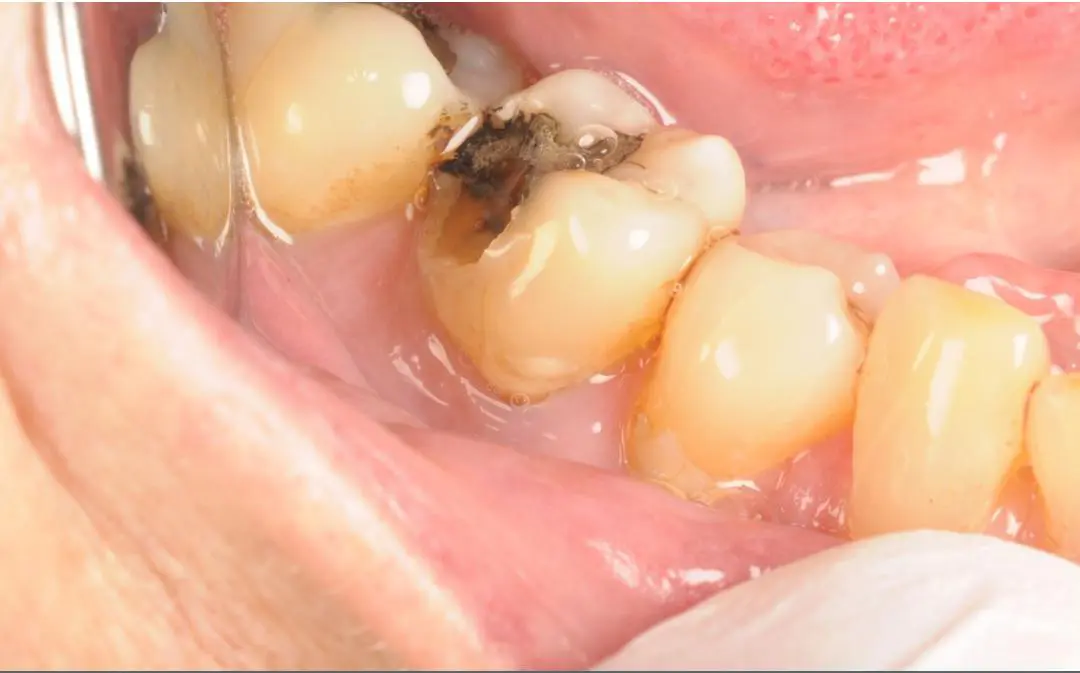
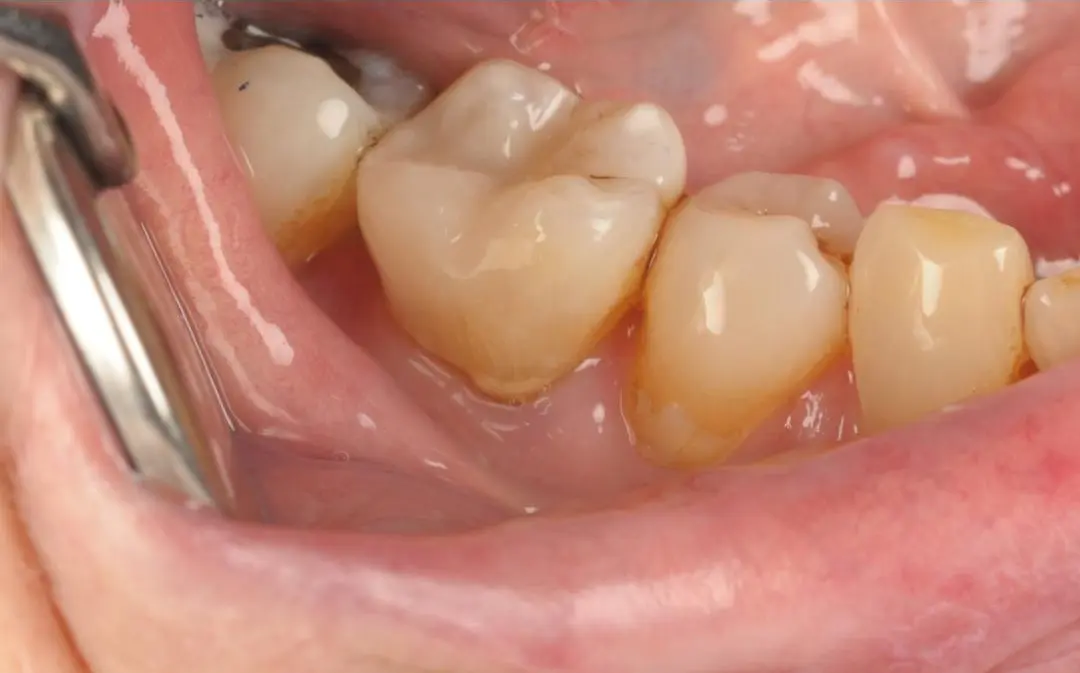
Real Patient Result: Emergency White Filling
Treatment by Dr Kamran
Swelling around the affected tooth, changes in gum colour or texture near the filling, or the development of a persistent bad taste might suggest that bacteria have found their way beneath the restoration. If you notice pieces of filling material in your mouth after eating, or if the filling appears visibly damaged or darkened, scheduling a dental appointment can help determine the best course of action. If the filling comes away before you are seen, our guide on temporary dental cement from the pharmacy outlines what these products may and may not do as a short-term measure.
Emergency situations might include severe pain, obvious damage to the filling that leaves sharp edges, or signs of infection such as facial swelling. If you are trying to work out whether same-day repair is realistic, our guide on getting a filling at an emergency dentist may help set expectations. In these cases, seeking emergency dental care can provide prompt assessment and appropriate treatment to address immediate concerns.
Treatment Options for Failing Amalgam Fillings
When a dentist determines that an amalgam filling needs replacement, several treatment options may be available depending on the specific circumstances. The most straightforward approach involves removing the old filling material and placing a new restoration. Modern alternatives to amalgam include tooth-coloured composite resin, ceramic inlays, or gold restorations, each with their own advantages.
The choice of replacement material often depends on factors such as the size and location of the filling, the condition of the surrounding tooth structure, and individual patient preferences. Composite resin fillings can be colour-matched to natural teeth and bond chemically to the tooth structure, whilst ceramic options provide excellent durability and aesthetics for larger restorations.
In cases where significant tooth structure has been lost or damaged, more extensive treatment such as dental crowns might be recommended to provide adequate protection and restore full function. Your dentist will explain the available options and help you understand which approach might be most suitable for your specific situation.
Preventing Future Filling Problems
Maintaining good oral hygiene provides the foundation for extending the life of dental restorations. Regular brushing with fluoride toothpaste and daily flossing help prevent bacterial buildup around filling edges, reducing the risk of secondary decay. Using an antimicrobial mouthwash can provide additional protection against harmful bacteria.
Dietary considerations also play a role in filling longevity. Limiting frequent exposure to sugary or acidic foods and beverages helps protect both natural tooth structure and restoration margins. Being mindful of habits such as ice chewing, using teeth as tools, or clenching and grinding can help prevent premature filling damage.
Regular dental check-ups allow for early detection of potential problems before they become more serious concerns. During these visits, your dentist can monitor existing fillings, identify early signs of deterioration, and recommend preventive treatments when appropriate. Professional cleaning also helps maintain optimal oral health around restored teeth.
Key Points to Remember
• Amalgam fillings can become loose due to thermal cycling, chewing forces, and natural aging processes
• Signs of failing fillings include sensitivity, pain when biting, and visible damage or darkening
• Temperature differences between metal fillings and teeth create stress at the margins over time
• Professional assessment can help determine the most appropriate treatment option
• Modern filling materials often provide improved bonding and aesthetics compared to older amalgam restorations
• Regular dental check-ups help identify potential problems before they require extensive treatment
Frequently Asked Questions
How long do amalgam fillings typically last?
Amalgam fillings generally last 10-15 years with proper care, though some may function well for much longer whilst others might need replacement sooner. The longevity depends on factors such as the size and location of the filling, individual oral hygiene habits, bite forces, and the overall health of the surrounding tooth structure.
Is it normal for old fillings to feel different over time?
Some changes in how fillings feel are normal as both the restoration and surrounding tooth structure age. However, noticeable looseness, sharp edges, or new sensitivity could indicate that professional evaluation might be helpful to assess whether replacement is needed.
Can I wait if my filling feels slightly loose but doesn't hurt?
Whilst pain absence is encouraging, loose fillings may allow bacteria to enter beneath the restoration, potentially leading to decay or other complications. Professional assessment can help determine whether immediate treatment is needed or if the situation can be monitored over time.
What happens if I delay replacing a failing filling?
Delaying treatment for a significantly compromised filling might allow bacteria to reach deeper tooth structures, potentially requiring more extensive treatment such as root canal therapy or crown placement instead of a simple filling replacement.
Are there alternatives to amalgam for replacement fillings?
Modern dentistry offers several alternatives including tooth-coloured composite resin, ceramic inlays or onlays, and gold restorations. Your dentist can explain the advantages and considerations for each option based on your specific situation and preferences.
Will removing an old amalgam filling be uncomfortable?
Filling replacement procedures are typically performed using local anaesthetic to ensure comfort throughout the treatment. Most patients experience minimal discomfort during the procedure, and any post-treatment sensitivity usually resolves within a few days.
Conclusion
Old amalgam fillings that become loose represent a common dental concern that benefits from timely professional attention. Understanding the factors that contribute to filling deterioration, recognising the signs that may indicate problems, and seeking appropriate dental care can help maintain optimal oral health and prevent more complex issues from developing.
Modern dental materials and techniques offer excellent options for replacing failing amalgam restorations, often providing improved aesthetics and bonding compared to older filling materials. Regular dental check-ups remain essential for monitoring existing restorations and identifying potential concerns before they become more serious problems requiring extensive treatment.
Dental symptoms and treatment options should always be assessed individually during a clinical examination.
Disclaimer
This article is for general educational purposes only and does not constitute professional dental advice, diagnosis, or treatment. Every patient's circumstances are unique; dental symptoms and treatment options should always be assessed during a clinical examination by a qualified dental professional. No specific outcomes are guaranteed. This content has been prepared in line with GDC, CQC, ASA CAP Code, and GMC communication standards. If you have concerns about your oral health, please contact a registered dentist.