
Many Londoners discover swollen lymph nodes under their jaw whilst brushing their teeth or washing their face, often causing immediate concern about what might be happening in their mouth or throat. These small, bean-shaped structures play a crucial role in your body's immune system, and their enlargement typically indicates your body is actively fighting an infection or responding to inflammation.
Understanding why lymph nodes become swollen, particularly those located beneath the jaw, can help you make informed decisions about when to seek professional advice. The submandibular lymph nodes, positioned under your jawline, commonly react to dental infections, gum disease, throat infections, or even minor cuts in the mouth.
This article explores the connection between swollen jaw lymph nodes and dental health, examining common causes, symptoms to monitor, and practical steps you can take. We'll also discuss when these symptoms may warrant professional dental or medical assessment, helping you understand your body's natural infection-fighting response whilst maintaining good oral health practices.
Experiencing these symptoms?
Delaying treatment can lead to tooth loss. We have slots available today.
What Are Swollen Lymph Nodes Under the Jaw?
Swollen lymph nodes under the jaw occur when your immune system responds to infection or inflammation in nearby areas, causing these small filtering stations to enlarge as they work harder to trap harmful bacteria, viruses, or debris.
Understanding Your Body's Lymphatic Defence System
The lymph nodes beneath your jaw, known medically as submandibular lymph nodes, form part of your body's sophisticated defence network. These small, oval-shaped structures filter lymphatic fluid that drains from your mouth, teeth, gums, throat, and lower face areas.
When functioning normally, lymph nodes remain relatively small and unnoticeable. However, when your body encounters infection, inflammation, or injury in the drainage area, these nodes can become enlarged, tender, and more prominent. The swelling represents increased activity as immune cells multiply within the nodes to combat potential threats.
Meet Dr. Yasha Shirazi
Principal Dentist at Emergency Dentist London
"We treat hundreds of dental emergencies every month. The sooner you come in, the easier the fix usually is."
Book an appointment with our team →The positioning of submandibular lymph nodes makes them particularly responsive to dental and oral health issues. They receive drainage from tooth roots, gum tissues, the tongue, and inner cheek areas, meaning dental infections, gum inflammation, or mouth injuries can trigger their enlargement.
Common Dental Causes of Jaw Lymph Node Swelling
Several dental conditions commonly cause lymph node enlargement under the jaw. Tooth infections, particularly abscesses around root tips, frequently trigger this immune response as bacteria spread from infected dental pulp into surrounding tissues. For more on how untreated infection can progress, see our guide on warning signs a tooth infection is spreading to the body and our dental abscess treatment page.
Gum disease, ranging from mild gingivitis to more advanced periodontitis, can also cause lymph node swelling. When gum tissues become inflamed and infected, the lymphatic system works to contain bacterial spread, resulting in enlarged nodes.
Wisdom tooth problems, including impaction or pericoronitis (infection around partially erupted teeth), commonly affect the lymph nodes due to bacterial accumulation around these hard-to-clean areas. Our wisdom tooth pain relief service explains how these flare-ups are typically managed. Post-dental treatment inflammation, such as after extractions or root canal procedures, may also cause temporary lymph node enlargement as tissues heal.
Recognising Symptoms and Associated Signs
Swollen lymph nodes under the jaw typically feel like small, moveable lumps beneath the skin. They may feel tender when touched and can range from pea-sized to larger, more noticeable swellings. The overlying skin usually remains normal in colour and temperature.
Accompanying symptoms often provide clues about the underlying cause. Dental-related lymph node swelling frequently occurs alongside tooth pain, gum tenderness, bad breath, or facial swelling. You might notice increased sensitivity to hot or cold temperatures, or experience pain when biting down.
Throat-related causes may produce additional symptoms such as sore throat, difficulty swallowing, or ear pain. Viral infections might cause fatigue, mild fever, or general feeling of being unwell. The lymph nodes may feel firmer during active infection and gradually soften as your body's immune response subsides.
When Professional Dental Assessment May Be Helpful
Certain situations may warrant professional dental evaluation to identify and address underlying causes of lymph node swelling. Persistent swelling lasting more than two weeks, particularly when accompanied by ongoing tooth pain or gum problems, may benefit from professional assessment.
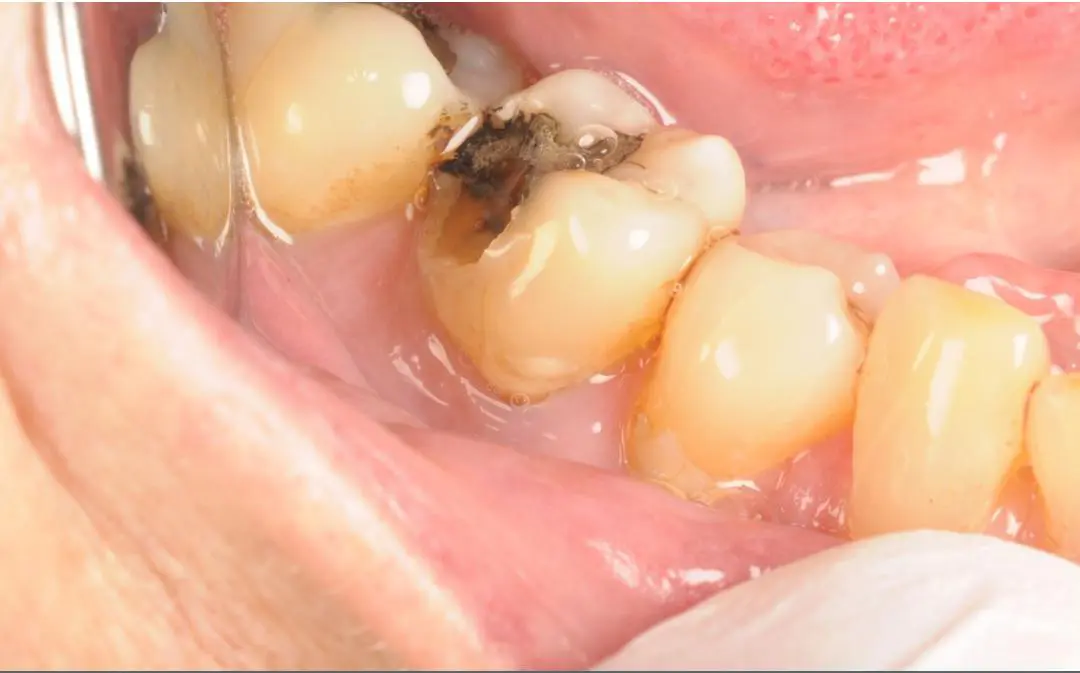
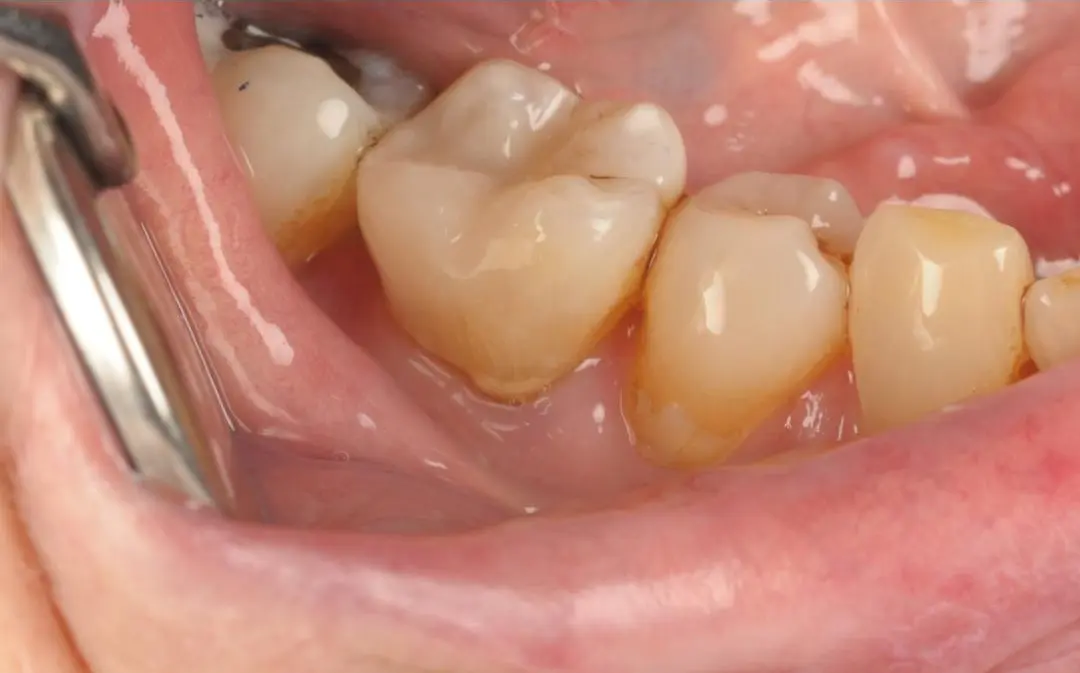
Real Patient Result: Emergency White Filling
Treatment by Dr Kamran
Signs that might indicate dental involvement include localised tooth pain, visible gum swelling, discharge from around teeth, or bad breath that doesn't improve with regular oral hygiene. Difficulty opening your mouth, facial swelling, or fever alongside lymph node enlargement may also suggest the need for prompt evaluation.
If you've recently experienced dental trauma, have a history of dental problems, or notice swelling following dental treatment, professional advice can help determine appropriate next steps. Early assessment of dental infections can often prevent complications and promote faster resolution.
The Science Behind Lymph Node Response to Oral Infections
Understanding how your lymphatic system responds to oral infections helps explain why jaw lymph nodes commonly become swollen during dental problems. The mouth contains numerous bacteria, both beneficial and potentially harmful, creating an environment where infections can develop when oral health becomes compromised.
When harmful bacteria penetrate tooth enamel through cavities, cracks, or gum pockets, they can reach the tooth's inner pulp tissue. This soft tissue contains blood vessels and nerves, and bacterial invasion triggers inflammation and potential infection. As the infection develops, toxins and bacterial products drain through small channels in the jawbone into the lymphatic system.
The submandibular lymph nodes receive this drainage and immediately begin filtering out harmful substances. Specialised immune cells within the nodes, including lymphocytes and macrophages, work to neutralise bacteria and infected material. This increased cellular activity causes the nodes to enlarge and may make them tender to touch.
The lymphatic response serves as an early warning system, often detecting dental infections before they cause obvious tooth pain or visible swelling. This explains why some people first notice lymph node changes before developing classic dental symptoms.
Maintaining Oral Health to Support Lymphatic Function
Good oral hygiene practices can help reduce the likelihood of dental infections that commonly cause jaw lymph node swelling. Regular brushing with fluoride toothpaste helps remove bacterial plaque before it can penetrate tooth enamel or irritate gum tissues.
Daily flossing removes food particles and bacteria from between teeth where toothbrush bristles cannot reach effectively. These interdental areas frequently harbour the bacteria responsible for gum disease and tooth decay, making thorough cleaning particularly important for preventing infections.
Using an antimicrobial mouthwash can provide additional protection against harmful bacteria whilst supporting overall oral health. However, mouthwash should supplement, not replace, thorough mechanical cleaning through brushing and flossing.
Regular dental check-ups and professional cleaning allow early detection of potential problems before they develop into infections. Professional cleanings remove hardened plaque (tartar) that cannot be eliminated through home care alone, helping maintain healthy gum tissues and reducing infection risk.
Supporting Your Body's Natural Healing Process
While your lymphatic system works to combat infection, several gentle measures may support your body's natural healing process. Staying well-hydrated helps maintain healthy lymphatic flow and supports your immune system's function.
Warm salt water rinses can help reduce oral bacteria and may provide comfort for inflamed gum tissues. Mix half a teaspoon of salt in warm water and gently rinse for 30 seconds, being careful not to swallow the solution.
Adequate rest supports your immune system's ability to fight infection effectively. Your body performs much of its healing and repair work during sleep, making sufficient rest particularly important when dealing with any type of infection or inflammation.
Avoiding tobacco products and limiting alcohol consumption helps maintain healthy oral tissues and supports your body's natural healing processes. Both substances can impair immune function and delay tissue repair.
Key Points to Remember
• Swollen lymph nodes under the jaw commonly indicate your body's immune response to infection or inflammation in nearby areas
• Dental infections, gum disease, and wisdom tooth problems frequently cause submandibular lymph node enlargement
• Accompanying symptoms such as tooth pain, gum swelling, or bad breath may suggest dental involvement
• Good oral hygiene practices help prevent the dental infections that commonly trigger lymph node swelling
• Professional assessment may be helpful for persistent swelling, especially when accompanied by dental symptoms
• Supporting your body's natural healing through rest, hydration, and gentle oral care can complement your immune response
Frequently Asked Questions
How long do swollen lymph nodes under the jaw typically last?
Swollen lymph nodes under the jaw usually reduce in size within 2-3 weeks as your body resolves the underlying infection or inflammation. However, if the cause is an ongoing dental infection or gum disease, the swelling may persist until the underlying problem receives appropriate treatment. Nodes that remain enlarged for more than two weeks, particularly with accompanying dental symptoms, may benefit from professional evaluation.
Can swollen jaw lymph nodes be caused by wisdom teeth problems?
Yes, wisdom teeth commonly cause lymph node swelling under the jaw. Impacted wisdom teeth, those that cannot fully emerge through the gum, often develop infections around the crown called pericoronitis. The difficult-to-clean area around partially erupted wisdom teeth allows bacteria to accumulate, leading to inflammation that can trigger lymph node enlargement. This typically occurs on the same side as the affected wisdom tooth.
Should I be concerned if only one lymph node under my jaw is swollen?
Unilateral (one-sided) lymph node swelling under the jaw is commonly associated with localised infections such as dental abscesses, gum disease on one side, or throat infections. This pattern is often less concerning than widespread lymph node enlargement. However, if the swelling persists for more than two weeks, continues to grow, or feels very hard and immovable, professional assessment can help determine the appropriate next steps.
Can dental cleaning or treatment cause temporary lymph node swelling?
Minor lymph node swelling may occasionally occur after dental procedures, particularly deep cleanings, extractions, or root canal treatment. This represents your immune system's response to the temporary inflammation and bacterial disturbance that can occur during dental treatment. Such swelling typically resolves within a few days to a week as tissues heal and inflammation subsides.
What's the difference between lymph node swelling and other jaw swellings?
Lymph node swelling typically feels like small, moveable lumps beneath the skin that can be tender to touch. In contrast, dental abscesses may cause more localised, painful swelling closer to the affected tooth, while salivary gland problems often cause swelling that increases during eating. Lymph nodes usually feel distinct and separate from surrounding tissues, whereas other types of swelling may feel more diffuse or connected to nearby structures.
Can poor oral hygiene alone cause lymph node swelling?
While poor oral hygiene doesn't directly cause lymph node swelling, it creates conditions that promote the dental infections and gum disease that commonly trigger lymphatic responses. Accumulated plaque bacteria can lead to tooth decay, gum inflammation, and eventual infections that cause lymph node enlargement. Improving oral hygiene practices often helps prevent these underlying problems and reduces the likelihood of related lymph node swelling.
Conclusion
Swollen lymph nodes under the jaw serve as important indicators of your body's immune response to infection or inflammation, commonly arising from dental issues such as tooth infections, gum disease, or wisdom tooth problems. Understanding this natural defence mechanism can help you recognise when your lymphatic system is working to protect your health and identify situations that may benefit from professional attention.
Maintaining excellent oral hygiene through regular brushing, flossing, and professional dental care remains the foundation for preventing the dental infections that frequently cause jaw lymph node swelling. Supporting your body's natural healing process through adequate rest, hydration, and gentle oral care can complement your immune system's efforts whilst you monitor symptoms.
If lymph node swelling persists beyond two weeks, particularly when accompanied by dental pain, gum problems, or other oral health concerns, professional evaluation can help identify underlying causes and appropriate treatment approaches. Early attention to dental issues often prevents complications and promotes faster resolution of associated lymphatic responses.
Dental symptoms and treatment options should always be assessed individually during a clinical examination by a qualified dental professional.
Disclaimer
This article is for general educational purposes only and does not constitute professional dental advice, diagnosis, or treatment. Every patient's circumstances are unique; dental symptoms and treatment options should always be assessed during a clinical examination by a qualified dental professional. No specific outcomes are guaranteed. This content has been prepared in line with GDC, CQC, ASA CAP Code, and GMC communication standards. If you have concerns about your oral health, or known allergies, please contact a registered dentist.