
Many patients experience an unusual sharp pain that occurs not when biting down, but specifically when releasing their bite after chewing. This distinctive discomfort often prompts people to search online for answers, as the sensation can be both puzzling and concerning. Unlike typical toothache that presents as constant throbbing, this particular type of pain suggests specific underlying dental issues that warrant understanding.
The phenomenon of discomfort upon releasing bite frequently indicates potential tooth structural problems, particularly cracked tooth syndrome. Understanding the signs of a cracked tooth becomes essential for maintaining oral health, as early recognition can significantly influence treatment outcomes. The condition affects thousands of adults annually and often develops gradually, making awareness of symptoms particularly valuable.
Professional dental evaluation becomes important when experiencing persistent release-bite discomfort, as accurate diagnosis requires clinical examination and sometimes specialised imaging. This article explores the various aspects of cracked tooth symptoms, underlying causes, and available treatment approaches to help patients better understand when professional dental advice may be beneficial.
Experiencing these symptoms?
Delaying treatment can lead to tooth loss. We have slots available today.
What Causes Discomfort When Releasing Bite?
Understanding Cracked Tooth Syndrome
Cracked tooth syndrome represents one of the most challenging diagnostic conditions in dentistry. The condition occurs when a tooth develops a crack that extends from the chewing surface towards the root, though the crack may not always be visible to the naked eye. These fractures can develop in various patterns, from hairline cracks in the enamel to deeper fissures that penetrate the dentine or even reach the tooth's pulp.
The mechanics behind release-bite pain involve the tooth segments flexing under pressure. When you bite down, the cracked portions of the tooth are held together by the applied force. However, when you release the bite, these segments can move apart slightly, causing sharp, momentary discomfort. This distinctive pain pattern helps distinguish cracked tooth syndrome from other dental conditions.
Several factors contribute to tooth cracking, including age-related enamel wear, large existing fillings that weaken tooth structure, teeth grinding or clenching habits, and trauma from accidents or hard food consumption. Back teeth, particularly molars, are most commonly affected due to the significant chewing forces they endure daily.
Meet Dr. Yasha Shirazi
Principal Dentist at Emergency Dentist London
"We treat hundreds of dental emergencies every month. The sooner you come in, the easier the fix usually is."
Book an appointment with our team →Recognising the Signs of a Cracked Tooth
Beyond release-bite discomfort, cracked teeth often present additional symptoms that patients should recognise. Temperature sensitivity, particularly to cold foods and beverages, commonly accompanies cracked tooth syndrome. The crack provides a pathway for thermal stimuli to reach the tooth's nerve, causing sharp, brief pain that subsides quickly once the stimulus is removed.
Pain intensity and frequency can vary significantly between individuals and crack severity. Some patients experience occasional mild discomfort, whilst others may have sharp, shooting pains that interfere with normal eating. The pain often appears inconsistent, sometimes present during certain activities and absent at other times, which can make self-diagnosis challenging.
Visual signs may include visible crack lines on the tooth surface, though many cracks remain invisible without magnification. Patients sometimes notice pain when chewing specific foods, particularly hard or chewy substances. Sweet foods may also trigger discomfort as sugars can penetrate the crack and irritate the tooth's nerve. Additionally, some individuals experience a feeling that something is stuck between their teeth in the area of the cracked tooth.
Clinical Assessment and Diagnostic Approaches
Professional dental examination utilises various methods to identify cracked teeth accurately. Clinical assessment typically begins with a detailed discussion of symptoms, including pain patterns, triggers, and duration. Dentists often perform bite tests using special instruments to isolate individual teeth and reproduce the characteristic release-bite pain.
Visual examination under magnification, combined with special lighting and sometimes dye application, can reveal crack lines that aren't visible during routine inspection. Advanced imaging techniques, including detailed X-rays and occasionally cone beam computed tomography, may be necessary to assess crack depth and extent, particularly when planning treatment approaches.
The diagnostic process may require multiple appointments, as some cracks only become symptomatic under specific conditions. Dentists might recommend temporary measures whilst monitoring symptoms to establish a clear diagnosis. This thorough approach ensures appropriate treatment selection and helps prevent potential complications from undiagnosed cracks.
When Professional Dental Assessment May Be Needed
Persistent release-bite pain warrants professional dental evaluation, particularly when symptoms interfere with normal eating or drinking. Temperature sensitivity that develops suddenly or increases in intensity may indicate crack progression towards the tooth's nerve. Any visible damage to teeth, including chips, fracture lines, or structural changes, requires prompt assessment to prevent further deterioration.
Swelling around affected teeth, prolonged pain lasting more than a few seconds after stimulus removal, or pain that occurs spontaneously without triggers may suggest complications requiring urgent attention. Additionally, if pain medication becomes necessary to manage dental discomfort, professional evaluation should be arranged promptly.
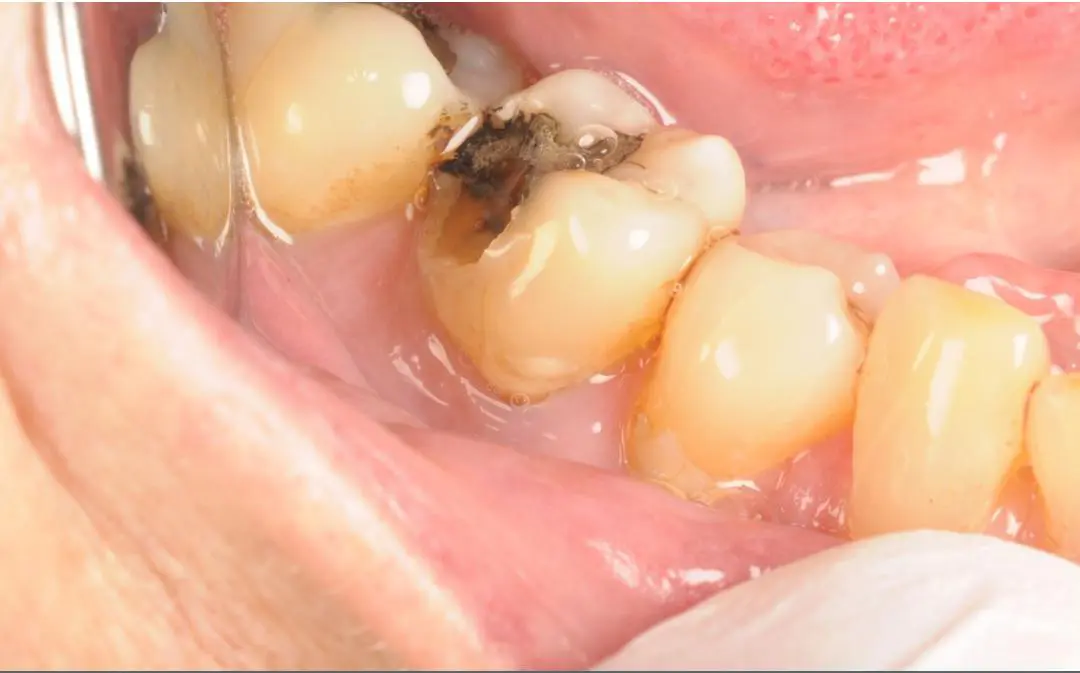
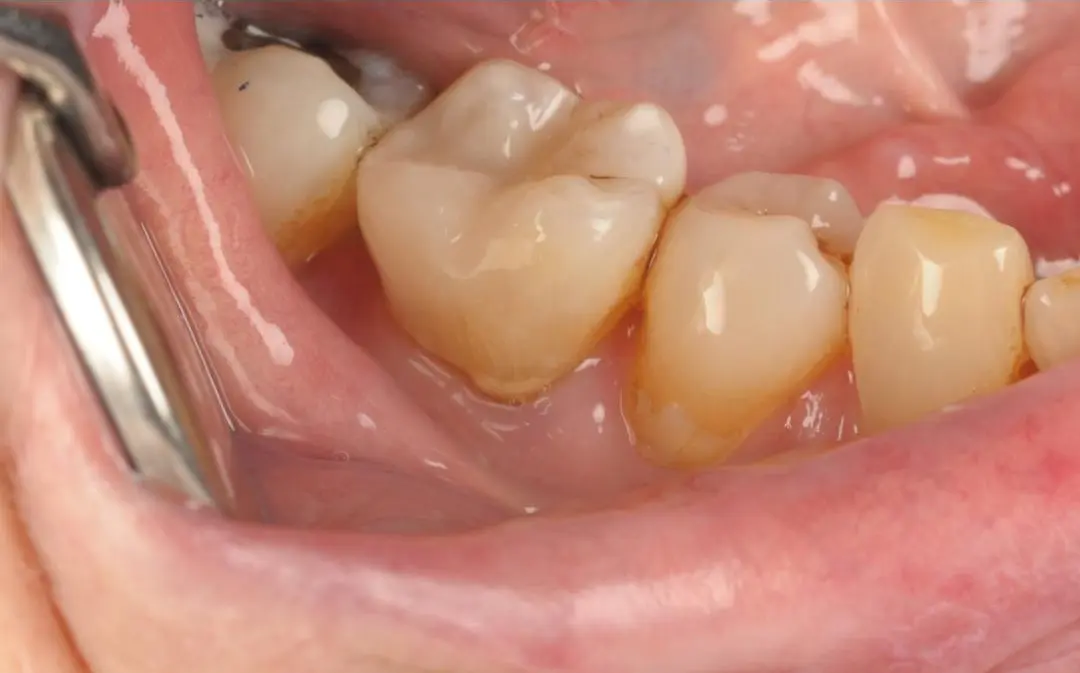
Real Patient Result: Emergency White Filling
Treatment by Dr Kamran
Treatment Approaches for Cracked Teeth
Treatment options for cracked teeth depend on crack location, depth, and extent. Minor surface cracks may require minimal intervention, whilst deeper fractures need more comprehensive approaches. Dental crowns often provide effective treatment for cracked teeth by encasing the entire visible portion and preventing further crack progression.
Bonding procedures can address smaller cracks by sealing the fracture with tooth-coloured materials. For more extensive cracks affecting the tooth's nerve, root canal treatment may be necessary before crown placement. In severe cases where cracks extend below the gum line or split the tooth completely, extraction might be the most appropriate option.
Early treatment generally offers better outcomes and more conservative approaches. Delaying treatment can lead to crack progression, increased pain, and potentially more complex procedures. Treatment planning considers individual circumstances, including overall oral health, adjacent teeth condition, and patient preferences regarding treatment timeline and approaches.
Prevention and Oral Health Maintenance
Preventing tooth cracks involves addressing risk factors and maintaining good oral health practices. Regular dental check-ups enable early detection of developing cracks before they become symptomatic. Professional cleanings help maintain tooth structure integrity by removing plaque and tartar that can weaken enamel over time.
Avoiding hard foods like ice, hard sweets, and popcorn kernels reduces crack risk, particularly for teeth with existing fillings. Using teeth appropriately for eating rather than as tools for opening packages or cracking nuts helps preserve tooth structure. For individuals who grind or clench their teeth, particularly during sleep, custom night guards can provide significant protection.
Maintaining proper oral hygiene through regular brushing with fluoride toothpaste and daily flossing supports overall tooth health. Fluoride helps strengthen enamel and can make teeth more resistant to crack development. Additionally, addressing any existing dental problems promptly prevents complications that might increase crack susceptibility.
Key Points to Remember
• Release-bite pain often indicates cracked tooth syndrome requiring professional assessment
• Temperature sensitivity and inconsistent pain patterns commonly accompany tooth cracks
• Early treatment generally offers more conservative options and better outcomes
• Prevention through proper oral hygiene and avoiding hard foods reduces crack risk
• Professional diagnosis is essential as many cracks aren't visible without specialised examination
• Treatment approaches range from simple bonding to crowns or root canal therapy depending on crack severity
Frequently Asked Questions
Can a cracked tooth heal naturally?
Unfortunately, tooth cracks cannot heal naturally as teeth lack the regenerative capacity of other body tissues. Once a crack develops, it typically remains stable or progresses over time. Professional treatment can prevent progression and restore function, but the crack itself requires intervention to prevent complications.
How urgent is treatment for a cracked tooth?
Treatment urgency depends on symptoms and crack severity. Mild discomfort without temperature sensitivity may allow for scheduled treatment, whilst severe pain, swelling, or infection signs require prompt attention. Early treatment generally prevents complications and offers more conservative options.
Will a cracked tooth always need extraction?
Not necessarily. Many cracked teeth can be successfully treated with crowns, bonding, or root canal therapy. Extraction becomes necessary only when cracks extend below the gum line, split the tooth completely, or when other treatments aren't viable due to extensive damage.
Can stress cause tooth cracking?
Stress itself doesn't directly crack teeth, but stress-related behaviours like teeth grinding or clenching significantly increase crack risk. Managing stress and using protective night guards when recommended can help prevent stress-related tooth damage.
How can I tell if my tooth pain is from a crack or cavity?
Crack-related pain typically occurs when releasing bite pressure and may be inconsistent, whilst cavity pain often presents as constant throbbing or sharp pain when consuming sweet foods. However, accurate diagnosis requires professional examination as symptoms can overlap.
Are back teeth more likely to crack than front teeth?
Yes, back teeth experience significantly greater chewing forces and are more susceptible to cracking. Molars with large fillings face particular risk due to reduced structural integrity. Front teeth can crack from trauma but less commonly from normal chewing forces.
Conclusion
Understanding the signs of a cracked tooth, particularly the distinctive discomfort upon releasing bite, empowers patients to recognise when professional dental assessment may be beneficial. The condition requires prompt attention to prevent progression and maintain oral health effectively. Early intervention typically offers more conservative treatment options and better long-term outcomes.
Maintaining regular dental check-ups, practising good oral hygiene, and avoiding behaviours that stress teeth significantly reduce crack development risk. When symptoms do occur, seeking timely professional evaluation ensures appropriate treatment planning and prevents potential complications.
Dental symptoms and treatment options should always be assessed individually during a clinical examination.
Disclaimer
This article is for educational purposes only and does not constitute medical or dental advice. It cannot replace professional consultation, diagnosis, or treatment by a qualified dental or medical professional. Individual symptoms and treatment requirements vary and must be assessed through clinical examination. Do not delay seeking professional care based on information found here. Always seek immediate help for urgent dental symptoms or emergencies.