
Many people experience the uncomfortable sensation of something stuck in their gums at some point in their lives. Whether it's a piece of food debris, a small fragment of floss, or another foreign object trapped in the gingival area, this common dental concern can cause discomfort and worry. Patients often search online for guidance when they feel something lodged between their teeth and gums, particularly when normal brushing or flossing doesn't resolve the issue.
Understanding how to identify and properly manage foreign objects trapped in the gingival area is essential for maintaining good oral health. The gingival tissue, which forms the gums around your teeth, can sometimes trap small particles that become wedged in the spaces between teeth or beneath the gum line. Whilst some situations can be managed at home with gentle techniques, others may require professional dental assessment to prevent complications such as infection or gum irritation. This article will explain the common causes, identification methods, and appropriate management approaches for gingival foreign objects.
What Are Foreign Objects in the Gingival Area?
Foreign objects trapped in the gingival area are small particles or debris that become lodged between the teeth and gum tissue. These objects can range from food particles and dental floss fragments to small pieces of dental materials or other debris. The gingival sulcus, a small space between the tooth and gum, can sometimes trap these materials, particularly when the gums are slightly inflamed or when particles are small enough to become wedged in tight spaces.
Experiencing these symptoms?
Delaying treatment can lead to tooth loss. We have slots available today.
Common foreign objects include popcorn hulls, seeds, fruit fibres, broken pieces of dental floss, toothpick fragments, or small food particles. The location where these objects become trapped often determines both the level of discomfort experienced and the appropriate removal method.
Understanding Gingival Anatomy
The gingival area consists of the soft tissue that surrounds and supports your teeth. This tissue forms a protective barrier around the tooth roots and underlying bone structure. The gingival margin, where the gum meets the tooth, creates small spaces called gingival sulci. In healthy gums, these spaces are typically shallow, but when gums become inflamed or when periodontal pockets develop, these areas can become deeper and more likely to trap foreign objects.
The gingival tissue is delicate and contains numerous blood vessels, which explains why trapped objects can cause discomfort, sensitivity, or bleeding. Understanding this anatomy helps explain why gentle removal techniques are important to avoid damaging the surrounding tissue.
Meet Dr. Yasha Shirazi
Principal Dentist at Emergency Dentist London
"We treat hundreds of dental emergencies every month. The sooner you come in, the easier the fix usually is."
Book an appointment with our team →Signs and Symptoms of Trapped Objects
Recognising the presence of foreign objects in the gingival area typically involves several common symptoms. Patients often report a persistent feeling of something stuck between their teeth that doesn't improve with normal brushing or flossing. Localised discomfort or mild pain in a specific area of the gums is another frequent indicator.
Other signs may include slight bleeding when brushing or flossing the affected area, increased sensitivity in the region, or a visible piece of debris that can be seen when looking in the mirror. Some individuals may also notice slight swelling of the gum tissue around the trapped object, particularly if it has been present for an extended period.
Safe Removal Techniques
When attempting to remove foreign objects from the gingival area at home, gentle techniques are essential to avoid causing tissue damage. Start with thorough rinsing using warm salt water, which can help dislodge loose particles whilst providing antimicrobial benefits. Gentle flossing using a clean piece of dental floss may help remove accessible objects, but avoid forcing the floss or using excessive pressure.
Interdental brushes or water flossers can sometimes effectively remove trapped debris, particularly for larger particles lodged between teeth. If using a toothpick, choose one with a soft or rounded tip and use minimal pressure to avoid puncturing the gum tissue. Always work gently and stop if you experience significant discomfort or bleeding.
When Professional Assessment May Be Needed
Certain situations warrant professional dental evaluation rather than continued home removal attempts. If the foreign object has been present for more than 24-48 hours despite gentle removal efforts, professional assistance may be appropriate. Persistent pain, increasing swelling, or signs of infection such as pus formation indicate that dental assessment may be beneficial.
Sharp or deeply embedded objects should be evaluated professionally to prevent tissue damage during removal. If you notice increasing sensitivity, persistent bleeding, or if the surrounding gum tissue appears inflamed or infected, seeking professional guidance can help prevent complications and ensure appropriate care.
Potential Complications
Leaving foreign objects trapped in the gingival area for extended periods may lead to several complications. Local inflammation can develop as the immune system responds to the presence of the foreign material. This inflammation may progress to more significant gum irritation or contribute to periodontal disease if bacteria accumulate around the trapped object.
Infection is another potential complication, particularly with organic materials like food particles that can harbour bacteria. Tissue damage may occur if removal attempts are too aggressive or if sharp objects remain embedded. Understanding these potential complications helps explain why timely and appropriate management is important for maintaining gum health.
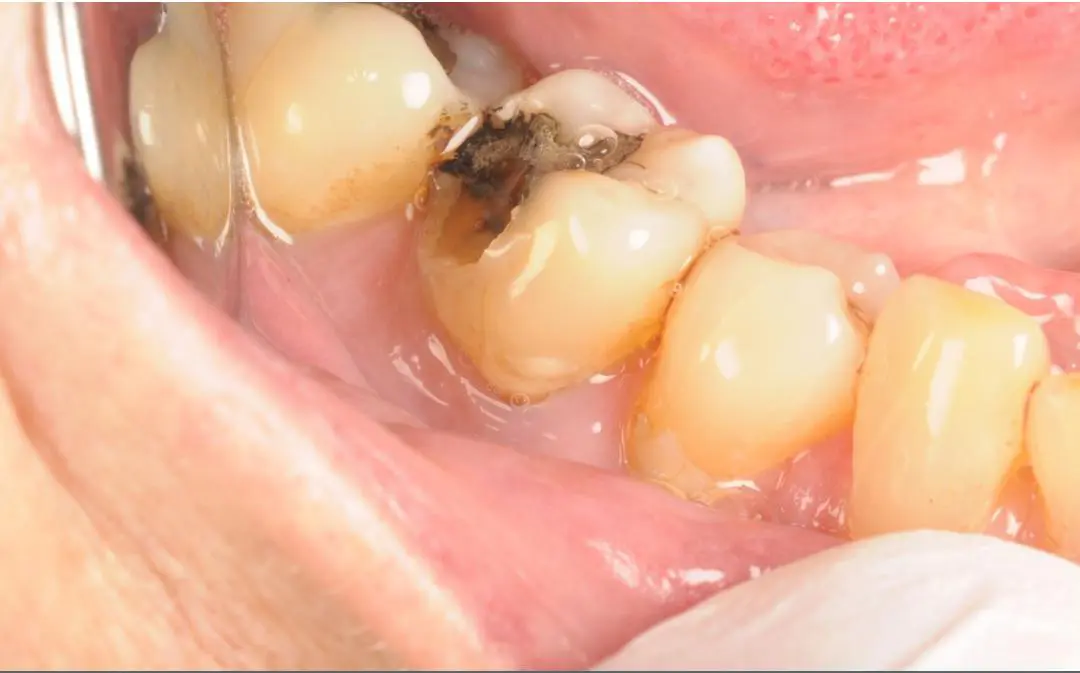
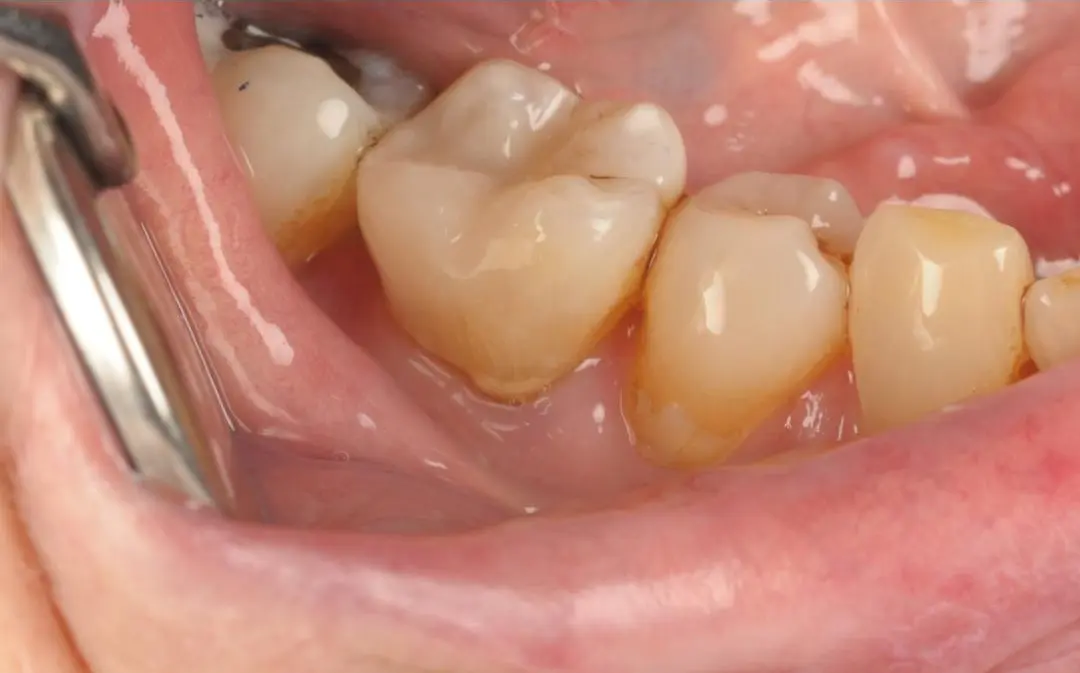
Real Patient Result: Emergency White Filling
Treatment by Dr Kamran
Prevention Strategies
Preventing foreign objects from becoming trapped in the gingival area involves maintaining good oral hygiene practices and being mindful of certain foods and habits. Regular brushing with a soft-bristled toothbrush and daily flossing help keep the gingival areas clean and reduce the likelihood of debris accumulation.
When consuming foods that commonly cause problems, such as popcorn, nuts, or fibrous vegetables, thorough rinsing after eating can help remove particles before they become lodged. Maintaining healthy gums through proper oral hygiene reduces inflammation that can create deeper pockets where objects become trapped. Consider using an antimicrobial mouthwash as part of your routine to help maintain gum health and reduce bacterial buildup around the gum line.
Key Points to Remember
• Foreign objects in the gingival area are common and often manageable with gentle home techniques
• Salt water rinsing and careful flossing are usually the safest initial approaches
• Sharp, deeply embedded, or persistent objects may require professional assessment
• Prevention through good oral hygiene and mindful eating habits reduces occurrence
• Early intervention prevents complications such as infection or tissue damage
• Professional evaluation is appropriate when home methods are unsuccessful or symptoms worsen
Frequently Asked Questions
How long should I wait before seeking professional help for a trapped object?
If gentle home removal techniques haven't been successful within 24-48 hours, or if you experience increasing pain, swelling, or signs of infection, professional assessment may be appropriate. Don't continue aggressive removal attempts that cause significant discomfort or bleeding.
Can I use sharp instruments like needles or pins to remove trapped objects?
Using sharp instruments is not recommended as they can easily damage the delicate gum tissue and potentially push objects deeper. Stick to dental floss, interdental brushes, or soft-tipped tools designed for oral care.
Is it normal for gums to bleed slightly when removing trapped objects?
Minor bleeding may occur during gentle removal attempts, but persistent or heavy bleeding suggests you should stop and consider professional evaluation. The gingival tissue contains many blood vessels and can be sensitive to manipulation.
What should I do if part of the object breaks off during removal attempts?
If a fragment remains embedded after part of an object breaks away, avoid further aggressive removal attempts. Rinse gently with salt water and consider seeking professional assistance to prevent pushing the remaining fragment deeper.
Can trapped objects cause permanent damage to my gums?
With prompt and appropriate management, trapped foreign objects typically don't cause permanent damage. However, leaving objects embedded for extended periods or using aggressive removal techniques may contribute to gum recession or other complications.
Are certain foods more likely to become trapped in the gingival area?
Yes, foods with small particles, husks, or fibrous components like popcorn, berries with seeds, nuts, and stringy vegetables are more commonly associated with gingival entrapment. Being mindful when eating these foods and rinsing afterwards can help prevent problems.
Conclusion
Managing foreign objects trapped in the gingival area requires a balanced approach combining gentle home care techniques with professional assessment when appropriate. Understanding the anatomy of the gingival area and recognising the signs of trapped debris helps patients respond effectively to these common situations. Gentle removal methods using salt water rinsing, careful flossing, and appropriate oral hygiene tools often resolve simple cases successfully.
Prevention through consistent oral hygiene practices and mindful eating habits remains the most effective approach to avoiding these uncomfortable situations. When home management isn't successful or when symptoms suggest complications may be developing, professional dental guidance ensures safe and effective resolution whilst protecting the health of your gingival tissue.
Dental symptoms and treatment options should always be assessed individually during a clinical examination.
Disclaimer
This article is for general educational purposes only and does not constitute dental advice, diagnosis, or treatment. Every patient is different, so symptoms and treatment options should be assessed by a qualified dental professional during a clinical examination. No specific outcomes are guaranteed.