
A chipped front tooth is one of the most common dental injuries we see. It can happen at any time — biting into something hard, a bump during sport, or even just an awkward knock. Because front teeth are so visible, even a small chip can feel like a big deal.
The good news is that most chips can be repaired. Whether you have a tiny cosmetic nick or a larger fracture, knowing how to fix a chipped front tooth starts with understanding your options. Modern dental materials and techniques make it possible to restore the look and strength of a damaged front tooth, often in a single appointment.
Some chips are purely cosmetic. Others expose deeper layers of the tooth and need prompt attention. This guide explains the difference, walks you through every repair option, and covers what you can expect to pay in London.
Experiencing these symptoms?
Delaying treatment can lead to tooth loss. We have slots available today.
How to Fix a Chipped Front Tooth "– Quick Overview
To fix a chipped front tooth, a dentist will assess the size and depth of the chip and recommend the most suitable repair. Small chips are smoothed or repaired with composite bonding. Moderate damage may need a porcelain veneer. Severe fractures often require a dental crown. Urgent care is recommended if there is pain, bleeding, or nerve exposure.
Here is a summary of the main repair methods used to fix a chipped tooth in the front:
Composite bonding — Tooth-coloured resin is applied and sculpted to restore the missing section. Quick, affordable, and completed in one visit.
Meet Dr. Yasha Shirazi
Principal Dentist at Emergency Dentist London
"We treat hundreds of dental emergencies every month. The sooner you come in, the easier the fix usually is."
Book an appointment with our team →Polishing and smoothing — For very minor edge chips with no structural concern, the tooth can be gently reshaped.
Porcelain veneers — A thin shell bonded to the front surface of the tooth for a durable, natural-looking repair.
Dental crown — A custom cap that covers the entire visible tooth, used when structural damage is significant.
Urgent assessment — Needed when the chip involves pain, sharp edges cutting the tongue, or visible nerve exposure.
Knowing how to repair a chipped front tooth means understanding which approach fits the level of damage. Your dentist will guide you based on what the examination reveals.
Small Chip in Front Tooth "– Is It Serious?
A small chip in a front tooth is very common and usually not a dental emergency. You might notice a slight roughness on the edge of the tooth, or a tiny piece of enamel that has broken away. In many cases, a slight chip in a front tooth causes no pain at all.
However, a very small chip in a front tooth should still be assessed. Even when there is no discomfort, the chipped edge can have sharp areas that irritate the tongue or lip. Over time, a small chip can also become larger if the tooth is weakened.
A small chip in a front tooth with no pain does not mean the tooth is fine to leave indefinitely. Enamel does not grow back. Once it chips, that area is permanently thinner and more vulnerable to further damage. A quick cosmetic repair — usually with smoothing or bonding — protects the tooth and restores its appearance.
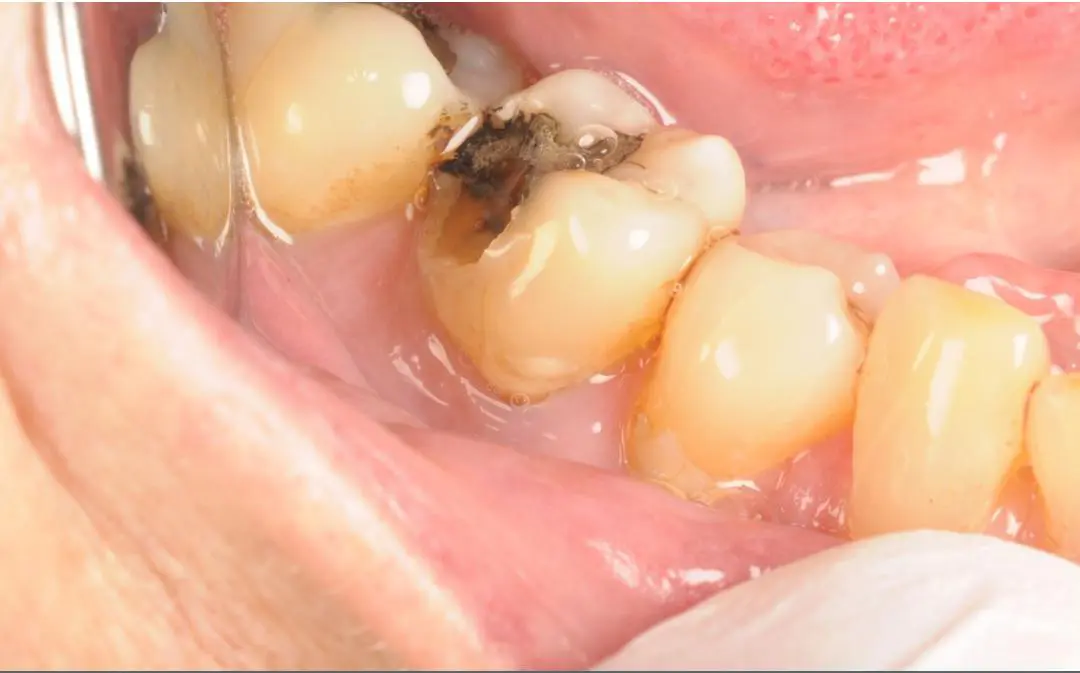
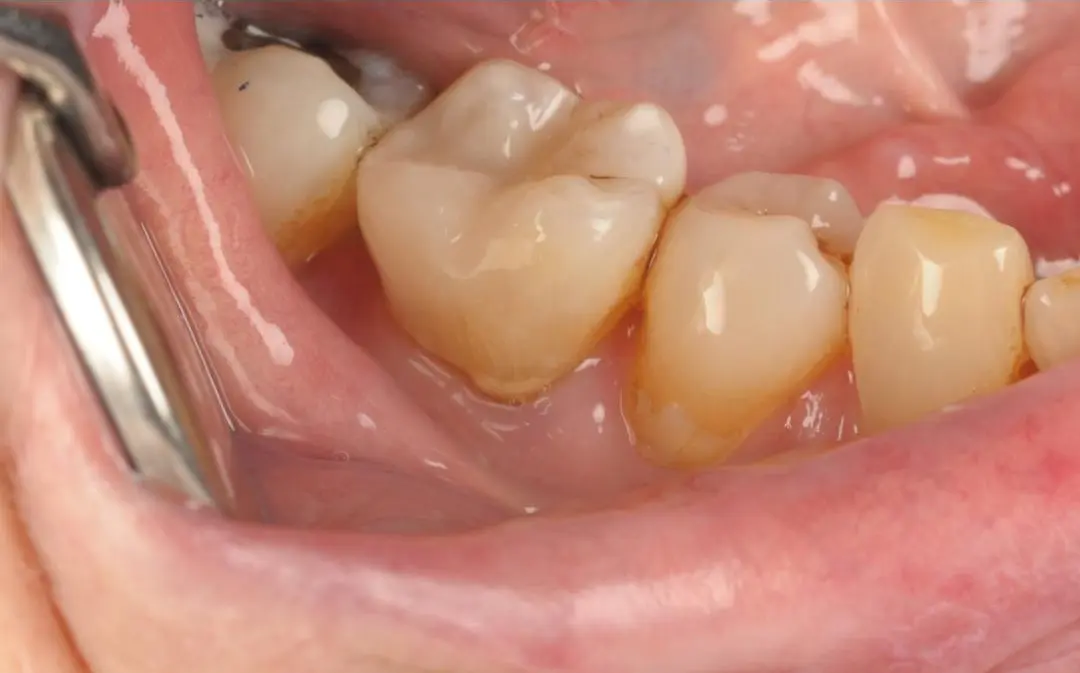
Real Patient Result: Emergency White Filling
Treatment by Dr Kamran
If you have a slight chip in a front tooth and it feels smooth, it may only need minor polishing. If the edge feels rough or catches on your tongue, composite bonding is usually the best option. Either way, a short dental visit is worthwhile to prevent the chip from worsening.
What If the Front Tooth Is Chipped Badly?
A front tooth that is chipped badly is a different situation. When a large piece of tooth breaks away, the damage usually extends beyond the outer enamel into the softer dentine layer beneath. This is where sensitivity and discomfort begin.
A chipped front bottom tooth is particularly common because the lower front teeth have thinner enamel. If the back of a bottom front tooth has chipped off, it often means the enamel on the inner surface has fractured. This type of chip can feel sharp against the tongue and may expose the dentine, causing sensitivity to hot, cold, or sweet foods.
When the back of a front bottom tooth has chipped off, the tooth can also be at risk of further breakage. Without the full protective shell of enamel, the remaining tooth structure is weaker and more likely to crack under normal biting pressure.
If the fracture is deep enough to reach the nerve, you may notice:
Persistent throbbing pain
Sensitivity that does not settle
A pinkish tint at the fracture site (indicating nerve proximity)
Swelling around the gum at the base of the tooth
Any of these signs means you should seek prompt treatment. Our guide on dental trauma emergency treatment explains what to expect. You can also learn about our broken tooth repair service and how we approach these cases.
Chipped Front Tooth Repair Options Explained
Chipped front tooth repair depends on the extent of the damage, the location of the chip, and how much tooth structure remains. Here are the main treatment options your dentist may recommend.
Composite Bonding
This is the most common method for repairing a chipped front tooth. The dentist applies tooth-coloured composite resin directly to the damaged area, building up the missing section and shaping it to match your natural tooth. The material is hardened with a special light, polished, and the repair is complete — usually within 30 to 60 minutes.
Bonding is ideal for small to moderate chips. It preserves all remaining tooth structure and requires no drilling or laboratory work. With proper care, composite bonding typically lasts five to ten years.
Polishing and Smoothing
For very minor chips — a tiny rough edge or a barely visible nick — the dentist may simply reshape and polish the tooth. This is the quickest and least invasive option. It works when the chip is superficial and the tooth shape can be restored by gently removing a fraction of a millimetre of enamel.
Porcelain Veneers
A veneer is a thin shell of porcelain bonded to the front surface of the tooth. It covers the entire visible face, providing both a repair and a cosmetic enhancement. Veneers are more stain-resistant and longer-lasting than composite, typically lasting 10 to 15 years or more.
How to repair a chipped front tooth with a veneer involves preparing the tooth by removing a thin layer of enamel, taking impressions, and fitting the custom-made porcelain shell at a follow-up appointment. It is a good option when the chip is moderate or when you want a broader cosmetic improvement at the same time.
Dental Crown
When the chip is severe — with significant structural loss or a fracture close to the nerve — a dental crown may be the best option. A crown covers the entire tooth, restoring its shape, strength, and appearance. Crowns are made from porcelain, ceramic, or zirconia and can last 15 to 25 years.
A crown is typically recommended when bonding or a veneer alone would not provide enough protection for the remaining tooth. If you are in pain, our guide on same-day treatment options for severe tooth pain explains how quickly we can help.
Chipped Front Tooth Repair Cost in London
The chipped front tooth repair cost in London depends on the treatment required. Here is a general guide to what you can expect:
Polishing and smoothing: From around £80 to £150
Composite bonding: Typically £90 to £350 per tooth
Porcelain veneer: Usually £500 to £1,200 per tooth
Dental crown: Approximately £400 to £900 per tooth
Several factors affect the fixing chipped front tooth cost:
Complexity of the chip. A simple edge chip is quicker and less expensive to repair than a deep fracture affecting multiple surfaces.
Materials used. Premium composite resins and high-quality porcelain cost more but offer better aesthetics and durability.
Emergency vs scheduled visit. An emergency appointment may carry an additional assessment fee to cover the urgent availability. A planned appointment during standard hours is usually the most cost-effective.
Additional treatment. If the nerve is affected, root canal treatment may be needed before the final restoration, adding to the overall cost.
How much to repair a chipped front tooth ultimately depends on the clinical assessment. At Emergency Dentist London, we provide a clear treatment plan and cost breakdown before any work begins — so you know what to expect.
For a full breakdown of what emergency visits cost, read our guide on emergency dentist costs in London. You can also view pricing information on our website.
When Is a Chipped Front Tooth a Dental Emergency?
Not every chipped front tooth needs emergency treatment. A small cosmetic chip with no pain can usually wait for a routine appointment. However, certain signs mean you should seek urgent care.
You should treat a chip as a dental emergency if you experience:
Pain that does not settle. Persistent or throbbing pain suggests the nerve may be affected or exposed.
Bleeding from the tooth or gum. This may indicate damage to the soft tissue or a deeper fracture.
Visible swelling. Swelling around the damaged tooth can signal infection or inflammation that needs prompt attention.
Trauma to the face or mouth. If the chip resulted from an impact — a fall, a sporting injury, or an accident — other teeth or structures may also be affected and need assessment.
A large piece of tooth missing. When a significant portion of the tooth has broken away, the exposed surfaces are vulnerable to bacteria and further damage.
Our guide on 10 signs you need an emergency dentist immediately can help you decide whether your situation is urgent. If you need to be seen quickly, our walk-in dentist in London service accepts patients without prior registration.
What to Do Immediately After You Chip a Front Tooth
If you chip a front tooth, taking the right steps straight away can make a real difference to the outcome. Here is what to do:
Rinse your mouth gently with lukewarm water to clean the area and remove any small fragments.
Save any broken pieces. If you can find the chipped fragment, store it in a small container of milk or saliva. Your dentist may be able to bond it back onto the tooth.
Avoid chewing on that side. Stick to soft foods and chew on the opposite side to avoid putting pressure on the damaged tooth.
Manage sensitivity. If the tooth feels sensitive, avoid very hot or cold foods and drinks. An over-the-counter pain reliever can help if there is mild discomfort.
Cover sharp edges. If the chipped edge is sharp and cutting your tongue or lip, a small piece of sugar-free chewing gum or dental wax can provide temporary protection.
Arrange an urgent dental assessment. Even if the chip seems minor, booking a prompt appointment allows the dentist to check for hidden cracks or deeper damage.
For practical advice on getting seen quickly, read our guide on how to get an emergency dentist appointment quickly.
Preventing Future Chips in Front Teeth
Once a chipped front tooth has been repaired, it makes sense to take steps to reduce the chance of it happening again. Prevention is straightforward and practical.
Avoid biting hard objects. Ice cubes, pen caps, hard sweets, and bottle tops are common causes of chipped front teeth. Use your teeth for food — not as tools.
Wear a mouthguard during sport. A custom-fitted mouthguard provides excellent protection for front teeth during contact sports, cycling, and other physical activities.
Address teeth grinding. If you grind or clench your teeth — particularly at night — a custom night guard can protect your teeth from wear and fracture. Grinding is a leading cause of chips in front teeth that appear without any obvious trauma.
Keep up with regular check-ups. Routine dental examinations allow your dentist to identify weakened enamel, hairline cracks, or areas of wear before they lead to a chip. Early intervention is usually easier and more affordable than emergency repair.
At Emergency Dentist London, we are here to help whether you need an urgent repair or simply want advice on protecting your teeth. Same-day and next-day appointments are typically available.
Frequently Asked Questions
How to fix a chipped front tooth?
A dentist can fix a chipped front tooth using composite bonding, a porcelain veneer, or a dental crown, depending on the size and depth of the chip. Small chips are smoothed or bonded in a single visit. Larger fractures may need a veneer or crown for lasting protection.
Can a small chip in a front tooth with no pain be left untreated?
It is best not to leave it. Even a painless chip means the enamel is broken, leaving the tooth more vulnerable to further damage. A quick bonding or smoothing appointment protects the tooth and prevents the chip from growing larger over time.
How much to repair a chipped front tooth in London?
Costs depend on the repair method. Polishing starts from around £80. Composite bonding typically costs £90 to £350. Veneers range from £500 to £1,200. Crowns cost approximately £400 to £900. An emergency visit may include an additional assessment fee.
What if the back of a bottom front tooth has chipped off?
This usually means the inner enamel has fractured, which can expose the softer dentine and cause sensitivity. The tooth should be assessed promptly. Composite bonding is the most common repair for this type of chip. If the fracture is deep, a crown may be needed.
Is chipped front tooth repair done in one visit?
In most cases, yes. Composite bonding and polishing are completed in a single appointment, usually within 30 to 60 minutes. Veneers and crowns may require two visits — one for preparation and impressions, and a second for fitting the final restoration.
Watch: Your Emergency Dental Appointment Explained
Disclaimer
This article is for general educational purposes only and does not constitute professional dental advice, diagnosis, or treatment. Every patient's circumstances are unique; dental symptoms and treatment options should always be assessed during a clinical examination by a qualified dental professional. No specific outcomes are guaranteed. This content has been prepared in line with GDC, CQC, ASA CAP Code, and GMC communication standards. If you have concerns about your oral health, please contact a registered dentist.