
Many people experience the frustrating combination of neck stiffness and jaw clenching without realising these symptoms may be interconnected. This connection often leads patients to search for answers online, particularly when traditional remedies for neck pain don't provide lasting relief. The relationship between jaw clenching, formally known as bruxism, and neck tension involves complex muscular and structural connections throughout the head and neck region.
Understanding this relationship matters because addressing jaw clenching may help reduce neck stiffness, whilst proper neck posture can influence jaw tension. The muscles responsible for jaw movement extend into the neck and shoulder areas, creating a network where tension in one area can affect another. This interconnected system explains why some patients experience relief from neck stiffness when their jaw clenching is properly managed through dental intervention or other therapeutic approaches.
How Are Neck Stiffness and Jaw Clenching Connected?
Neck stiffness and jaw clenching are connected through shared muscle groups and nerve pathways. The temporomandibular joint (TMJ) works closely with neck muscles, creating a biomechanical relationship where tension in one area directly influences the other.
Experiencing these symptoms?
Delaying treatment can lead to tooth loss. We have slots available today.
Understanding the Muscular Connection
The muscles involved in jaw function don't operate in isolation. The temporalis muscle, which controls jaw closing, extends from the jaw to the temples and connects with muscles that support neck movement. When jaw clenching occurs, particularly during sleep, these muscles remain in a state of constant tension that radiates throughout the neck and shoulder region.
The masseter muscle, responsible for powerful jaw closing, works alongside the sternocleidomastoid muscle in the neck. Chronic jaw clenching creates overactivity in these muscle groups, leading to compensatory tension patterns that manifest as neck stiffness. This explains why patients often experience both symptoms simultaneously, particularly upon waking in the morning.
Forward head posture, common in modern lifestyles due to computer use and mobile phone habits, can exacerbate this connection. When the head moves forward from its natural alignment, the jaw position shifts, potentially increasing the likelihood of clenching behaviours and creating additional strain on neck muscles.
Meet Dr. Yasha Shirazi
Principal Dentist at Emergency Dentist London
"We treat hundreds of dental emergencies every month. The sooner you come in, the easier the fix usually is."
Book an appointment with our team →The Role of the Temporomandibular Joint
The temporomandibular joint functions as a complex hinge that enables jaw movement for speaking, chewing, and swallowing. This joint sits directly in front of the ear canal and shares nerve pathways with muscles throughout the neck region. When TMJ dysfunction occurs, often accompanied by jaw clenching, the resulting inflammation and muscle tension can refer pain and stiffness to the neck area.
TMJ disorders frequently involve muscle spasm and joint inflammation that affects surrounding tissue. The trigeminal nerve, which supplies sensation to the jaw area, has connections that can influence neck muscle tension. This neurological relationship helps explain why jaw problems can create seemingly unrelated neck symptoms.
The joint's position also means that changes in jaw alignment or function directly affect head posture. When jaw clenching alters normal jaw positioning, the head may shift to compensate, creating secondary tension patterns throughout the cervical spine and supporting musculature.
Common Triggers and Contributing Factors
Several factors can contribute to both neck stiffness and jaw clenching occurring together. Stress represents one of the most significant triggers, as it often manifests physically through muscle tension and unconscious jaw clenching, particularly during sleep. Many patients report increased symptoms during periods of high stress or anxiety.
Sleep position plays an important role in both conditions. Sleeping on the stomach or with multiple pillows can create neck strain whilst simultaneously promoting jaw clenching. Poor sleep quality itself can increase stress hormones, creating a cycle where muscle tension perpetuates both neck stiffness and bruxism.
Dental factors such as misaligned teeth, missing teeth, or poorly fitting dental work can contribute to abnormal jaw positioning and compensatory muscle tension. These structural issues may force the jaw into unnatural positions, leading to both direct jaw muscle fatigue and secondary neck tension.
When Professional Assessment May Be Helpful
Persistent neck stiffness combined with jaw clenching symptoms may benefit from professional evaluation, particularly when symptoms interfere with daily activities or sleep quality. Signs that suggest professional assessment might be helpful include morning jaw pain, headaches upon waking, clicking or popping sounds from the jaw joint, or neck stiffness that doesn't respond to typical remedies.
Dental professionals can assess jaw alignment, tooth wear patterns that suggest grinding, and TMJ function. They may recommend protective appliances or other interventions to reduce jaw clenching and its associated effects on neck tension. Physical therapy assessment can also be valuable for addressing postural factors and muscle tension patterns.
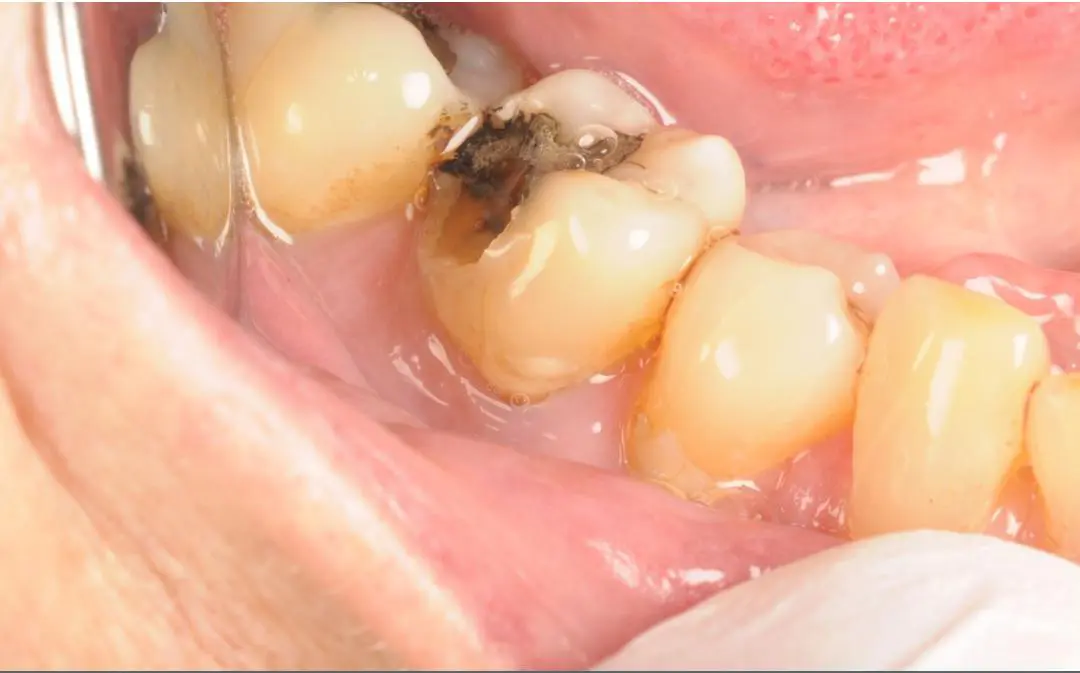
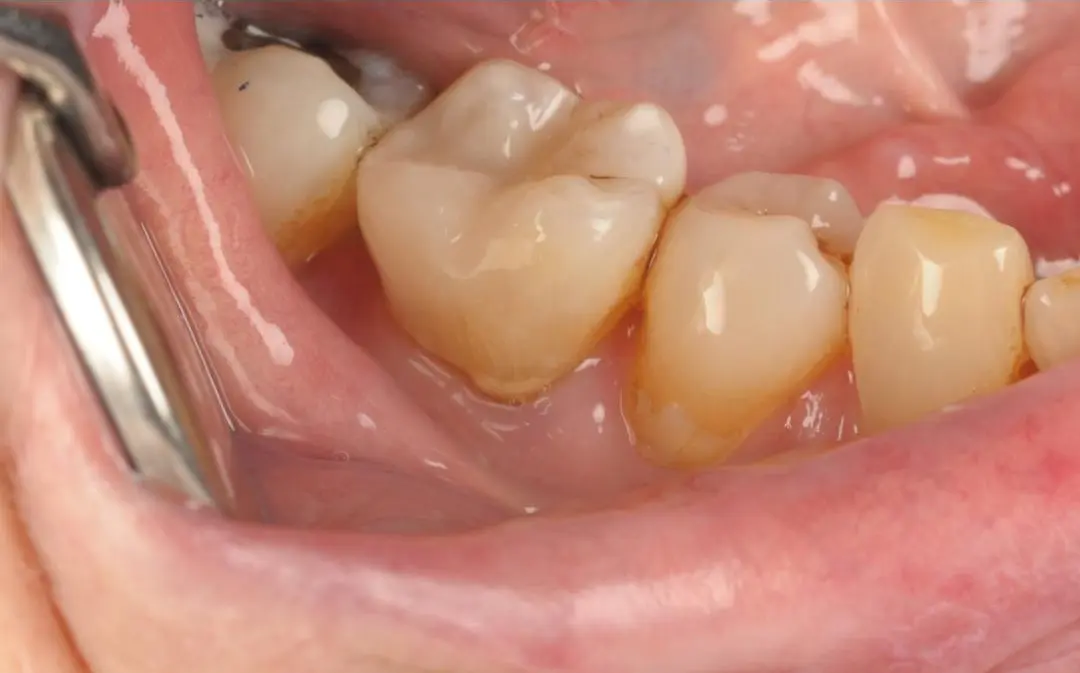
Real Patient Result: Emergency White Filling
Treatment by Dr Kamran
Prevention and Management Strategies
Managing the connection between neck stiffness and jaw clenching often involves addressing both symptoms simultaneously. Stress reduction techniques such as meditation, regular exercise, or counselling can help reduce the underlying tension that contributes to both conditions. Establishing good sleep hygiene, including maintaining consistent sleep schedules and creating a relaxing bedtime routine, may help reduce nighttime jaw clenching.
Ergonomic improvements to workstations and daily posture can support better neck alignment, which may reduce compensatory jaw tension. Taking regular breaks from computer work, adjusting screen heights, and using proper pillow support during sleep all contribute to better overall muscle balance.
Gentle jaw exercises and neck stretches, when performed correctly, may help maintain muscle flexibility and reduce tension buildup. However, it's important to perform these techniques properly to avoid exacerbating symptoms.
Key Points to Remember
• Neck stiffness and jaw clenching share muscular and neurological connections that can cause symptoms to occur together
• The temporomandibular joint's position and function directly influence neck muscle tension
• Stress, sleep position, and dental factors can all contribute to both conditions
• Professional assessment may help identify underlying causes and appropriate interventions
• Prevention strategies should address both postural factors and stress management
• Treatment approaches often work best when they consider the interconnected nature of these symptoms
Frequently Asked Questions
Can jaw clenching really cause neck pain?
Yes, jaw clenching can contribute to neck pain through shared muscle groups and compensatory tension patterns. The muscles involved in jaw function connect with neck muscles, so chronic jaw tension often radiates to the neck and shoulder areas, particularly when clenching occurs during sleep.
Why do I wake up with both a sore jaw and stiff neck?
Waking with both symptoms often indicates nighttime jaw clenching or grinding combined with poor sleep posture. During sleep, jaw muscles may remain contracted for extended periods, creating tension that affects connected neck muscles. Sleep position can also contribute to both jaw pressure and neck strain simultaneously.
Will fixing my posture help with jaw clenching?
Improving posture, particularly reducing forward head position, may help reduce jaw clenching tendencies. When the head is properly aligned over the shoulders, the jaw can rest in a more natural position, potentially reducing the likelihood of compensatory clenching behaviours throughout the day.
How long does it take to see improvement in both symptoms?
Improvement timelines vary depending on underlying causes and chosen interventions. Some patients notice reduced morning stiffness within days of using a night guard or improving sleep posture, whilst addressing chronic muscle tension patterns may take several weeks of consistent management strategies.
Should I see a dentist or doctor for these combined symptoms?
Both healthcare providers can offer valuable perspectives. A dentist can assess jaw function, tooth wear, and TMJ health, whilst a doctor can evaluate neck issues and overall muscle tension patterns. In some cases, a coordinated approach involving both professionals provides the most comprehensive care.
Can stress reduction really help both my neck and jaw symptoms?
Stress reduction can be highly effective for both conditions since stress often manifests as muscle tension and unconscious jaw clenching. Techniques such as meditation, regular exercise, or stress management counselling address the underlying tension that contributes to both neck stiffness and jaw clenching behaviours.
Conclusion
The connection between neck stiffness and jaw clenching demonstrates how interconnected our muscular and skeletal systems truly are. Understanding this relationship helps explain why these symptoms often occur together and why addressing one condition may provide relief for both. The shared muscle groups, nerve pathways, and postural relationships between the jaw and neck create a system where tension in one area inevitably affects the other.
Effective management of these interconnected symptoms often requires a comprehensive approach that considers both the physical and psychological factors involved. Whether through professional dental assessment, postural improvements, stress management, or other therapeutic interventions, addressing the root causes rather than just individual symptoms typically provides more lasting relief.
Dental symptoms and treatment options should always be assessed individually during a clinical examination.
Disclaimer
This article is for educational purposes only and does not constitute medical or dental advice. It cannot replace professional consultation, diagnosis, or treatment by a qualified dental or medical professional. Individual symptoms and treatment requirements vary and must be assessed through clinical examination. Do not delay seeking professional care based on information found here. Always seek immediate help for urgent dental symptoms or emergencies.