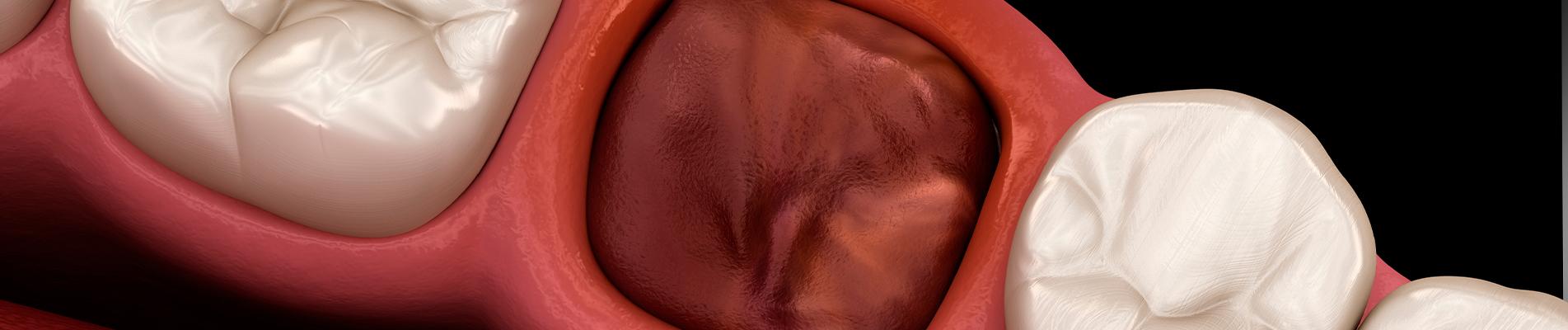
You've just had a troublesome tooth extracted. You expect the pain to fade away, but three days later, a new, intense pain radiates through your jaw. You may be suffering from Dry Socket (Alveolar Osteitis).
Dry socket is the most common complication following a tooth extraction, occurring in about 2-5% of cases (higher for wisdom teeth). It is notoriously painful, but fully preventable if you follow the right advice.
What is a Dry Socket?
After a tooth is pulled, a blood clot forms in the empty socket. This clot is vital. It acts like a biological bandage, stopping bleeding and protecting the exposed jawbone and nerve endings underneath. It also serves as the foundation for new bone growth.
Experiencing these symptoms?
Delaying treatment can lead to tooth loss. We have slots available today.
A dry socket occurs when this blood clot either fails to form, dislodges, or dissolves too early. This leaves the bone and nerves exposed to air, food, and fluids. The pain is usually worse than the original toothache.
Symptoms of Dry Socket
Delayed Pain: Severe pain that starts 2-4 days after the extraction.
Empty Socket: Looking in the mirror, you don't see a dark red clot, but a whitish/grey hole (bone).
Meet Dr. Yasha Shirazi
Principal Dentist at Emergency Dentist London
"We treat hundreds of dental emergencies every month. The sooner you come in, the easier the fix usually is."
Book an appointment with our team →Bad Breath/Taste: A foul odor or nasty taste in the mouth.
Radiating Pain: Pain that shoots up to the ear, eye, or temple on the same side.
Top Tips to Prevent Dry Socket
The first 24-48 hours are critical for the stability of the blood clot. To protect it:
1. No Suction
Suction creates a vacuum in the mouth that can rip the clot out of the socket.
No Straws: Do not drink through a straw for at least a week.
No Spitting: Don't spit vigorously. If you need to empty your mouth, let the fluid drool out over a sink.
No Smoking: This is the #1 cause. The sucking motion + the chemicals in smoke drastically increase risk.
2. Leave the Site Alone
Don't poke the gap with your tongue, finger, or toothpick. Don't brush the extraction site directly for the first 2 days (brush other teeth normally).


Real Patient Result: Emergency White Filling
Treatment by Dr Kamran
3. Gentle Rinsing Only
Do not rinse your mouth at all for the first 24 hours. After that, use warm salt water, but rinse very gently. Just tilt your head side to side; don't swish aggressively.
4. Avoid Certain Foods
Avoid hot drinks (which can dissolve the clot) and stick to cold or lukewarm fluids. Avoid crunchy, crumbly foods (like popcorn, nuts, or seeds) that can get stuck in the socket.
Treatment: What We Do
If you suspect you have a dry socket, painkillers alone won't touch the pain. You need to come back to see us.
The treatment is simple and provides almost instant relief. We will:
Gently flush the socket to remove debris.
Pack the socket with a medicated dressing (often containing clove oil/eugenol).
This dressing soothes the bone and covers the nerves immediately.
You may need to come back every 2 days to have the dressing changed until natural healing takes over. If you are in post-extraction agony, call us immediately.
Watch: Your Emergency Dental Appointment Explained
Disclaimer
This article is for general educational purposes only and does not constitute professional dental advice, diagnosis, or treatment. Every patient's circumstances are unique; dental symptoms and treatment options should always be assessed during a clinical examination by a qualified dental professional. No specific outcomes are guaranteed. This content has been prepared in line with GDC, CQC, ASA CAP Code, and GMC communication standards. If you have concerns about your oral health, please contact a registered dentist.