
Waking up unable to open your mouth properly can be a deeply unsettling experience. When jaw stiffness is accompanied by noticeable swelling, many people understandably turn to the internet to find out what might be happening and whether they need urgent help. The medical term for this restricted mouth opening is trismus, and it is a symptom that warrants prompt attention.
Trismus due to swelling can arise from a number of dental and medical causes, ranging from infection and inflammation to post-surgical complications. Understanding why this happens, what it may indicate, and when it becomes a potential emergency is important for making informed decisions about your care.
This article explains the common causes of trismus, the clinical processes behind jaw restriction, how dental professionals may assess and manage the condition, and the circumstances under which attending A&E may be appropriate. It also covers practical steps you can take to support your oral health and reduce the likelihood of complications.
Experiencing these symptoms?
Delaying treatment can lead to tooth loss. We have slots available today.
If you are currently experiencing difficulty opening your mouth alongside significant swelling, breathing difficulties, or difficulty swallowing, please seek immediate medical attention. The information below is intended as an educational resource and does not replace professional clinical assessment.
What Is Trismus and Why Does It Cause Difficulty Opening the Mouth?
Trismus is the medical term for restricted mouth opening, often caused by inflammation, infection, or muscle spasm affecting the jaw. When swelling around the face or jaw compresses or irritates the muscles of mastication, opening the mouth becomes painful or physically limited. If trismus occurs alongside facial swelling, fever, or difficulty swallowing, it may indicate a spreading infection that requires urgent assessment — potentially at A&E.
What Causes Trismus? Common Dental and Medical Triggers
Trismus is not a condition in its own right but rather a symptom of an underlying problem. Several dental and medical issues can lead to restricted jaw movement accompanied by swelling.
Meet Dr. Yasha Shirazi
Principal Dentist at Emergency Dentist London
"We treat hundreds of dental emergencies every month. The sooner you come in, the easier the fix usually is."
Book an appointment with our team →Dental Infections and Abscesses
One of the most common causes of trismus is a dental abscess — a collection of pus that forms as a result of bacterial infection. When an abscess develops near the back teeth, particularly the lower wisdom teeth, the infection can spread into the surrounding soft tissues and fascial spaces. This leads to swelling that physically restricts the jaw muscles, making it difficult or impossible to open the mouth fully. For a thorough overview of this condition, see our guide on what is a dental abscess: symptoms, causes, and treatment.
Pericoronitis
Pericoronitis is inflammation of the gum tissue surrounding a partially erupted tooth, most frequently affecting wisdom teeth. The swollen, infected gum tissue can cause significant discomfort and restrict jaw movement. Left untreated, pericoronitis may progress to a more serious spreading infection. Our detailed article on pericoronitis and wisdom tooth infection explains the signs, causes, and treatment options.
Post-Surgical Complications
Following oral surgery — such as wisdom tooth extraction — some degree of jaw stiffness and swelling is expected during the healing process. However, if trismus worsens rather than improves over the days following surgery, or if new swelling develops, this may suggest a post-operative infection or other complication that requires professional review.
Trauma
A blow to the face or jaw can cause swelling, muscle bruising, or even fractures that limit mouth opening. Traumatic injuries should always be assessed clinically to rule out fractures or dislocations.
Other Causes
Less commonly, trismus may be associated with conditions affecting the temporomandibular joint (TMJ), certain systemic medical conditions, or as a side effect of radiotherapy to the head and neck region.
Understanding the Clinical Process: How Infections Spread in the Jaw
To appreciate why trismus associated with swelling can be a serious concern, it helps to understand a little about the anatomy of the jaw and how dental infections can progress.
The teeth are surrounded by bone, gum tissue, and a complex network of muscles, nerves, and tissue spaces known as fascial spaces. When a tooth becomes severely decayed or damaged, bacteria can reach the inner pulp of the tooth — the soft tissue containing nerves and blood vessels. If the infection progresses beyond the tooth root, it can enter the surrounding bone and soft tissues.
The muscles of mastication — the masseter, temporalis, and pterygoid muscles — are responsible for opening and closing the jaw. When infection or inflammation affects the tissues near these muscles, the resulting swelling and irritation can cause involuntary muscle spasm. This spasm, combined with physical compression from swollen tissue, is what produces the characteristic restricted mouth opening of trismus.
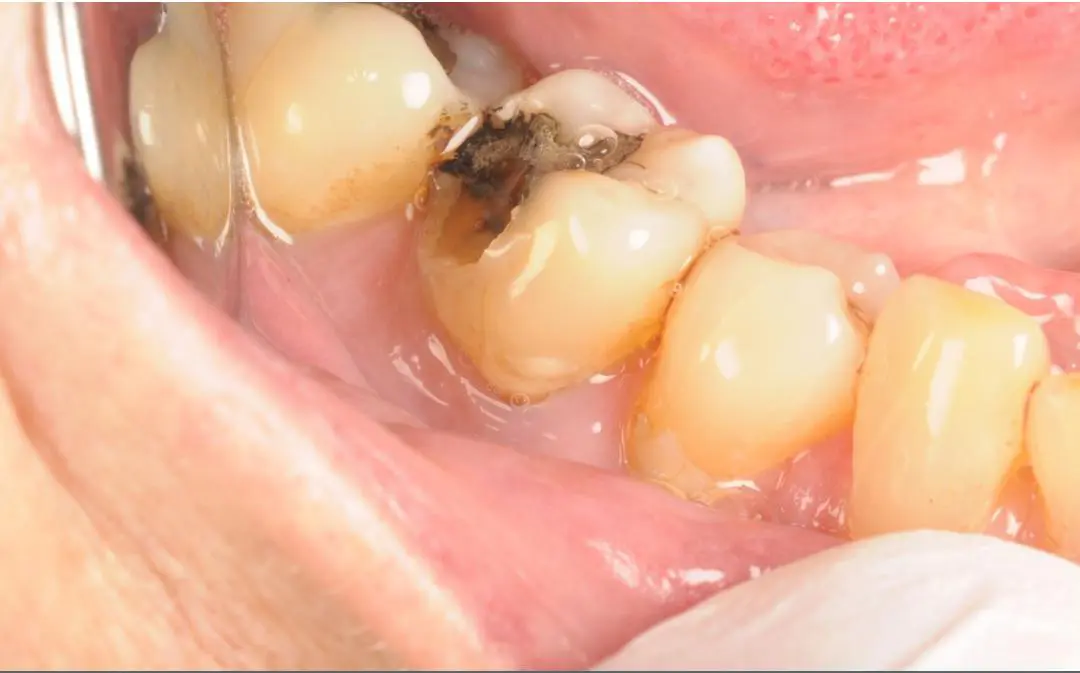
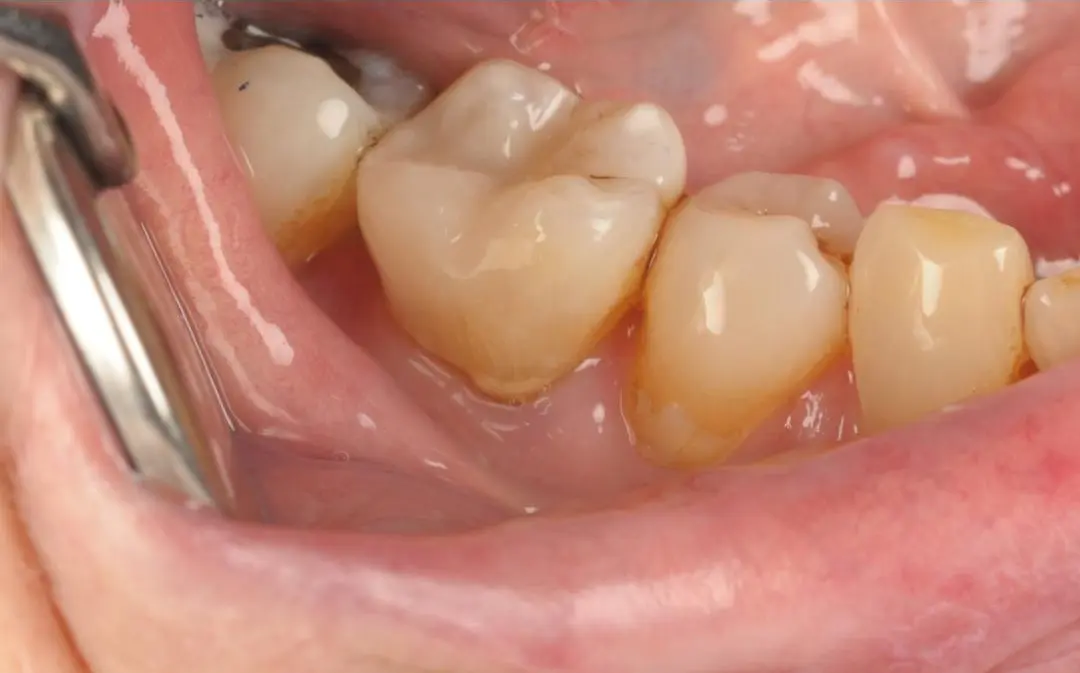
Real Patient Result: Emergency White Filling
Treatment by Dr Kamran
In some cases, infection can spread from a single tooth into deeper fascial spaces, including the submandibular space (beneath the jaw), the parapharyngeal space (beside the throat), or even the retropharyngeal space (behind the throat). When infection reaches these areas, it can potentially compromise the airway — which is why significant facial swelling with trismus is treated as a potentially serious clinical situation. Our article on 5 warning signs a tooth infection is spreading to the body covers the red flags to watch for.
This is not intended to cause alarm, but rather to explain why dental professionals and emergency doctors take these symptoms seriously and why timely assessment matters.
Recognising the Signs: When Trismus May Require Urgent Attention
Not every instance of jaw stiffness requires a trip to A&E. Mild stiffness following dental treatment, for example, often resolves on its own within a few days. However, certain combinations of symptoms suggest that urgent assessment may be appropriate.
Signs That May Indicate a Need for A&E
The following symptoms, particularly when occurring together, may suggest a more serious situation:
- Significant facial or neck swelling that is worsening or spreading — see also our guide on swollen face from a tooth: when to see a dentist now
- Difficulty swallowing (dysphagia) or a sensation of the throat closing
- Difficulty breathing or any change in breathing pattern
- Fever, especially a high or persistent temperature
- Severe trismus where the mouth can barely open at all
- General feeling of being unwell (malaise), confusion, or drowsiness
- Swelling beneath the tongue causing the tongue to be pushed upwards
If you experience difficulty breathing or swallowing alongside jaw swelling, this should be treated as a medical emergency. Please call 999 or attend your nearest A&E department immediately.
Signs That May Warrant an Urgent Dental Appointment
If your symptoms are uncomfortable but do not include the red flags listed above, an urgent dental appointment may be more appropriate than A&E:
- Moderate swelling around a specific tooth
- Mild to moderate difficulty opening the mouth
- Toothache with localised gum swelling
- A bad taste in the mouth suggesting possible infection
In these situations, contacting an emergency dentist in London can help ensure you receive a timely clinical assessment and appropriate guidance.
How Is Trismus Assessed and Managed by Dental Professionals?
The management of trismus depends entirely on its underlying cause, which is why a thorough clinical examination is essential. Treatment approaches vary considerably from patient to patient.
Clinical Assessment
A dentist or oral surgeon will typically assess:
- The degree of mouth opening (measured in millimetres)
- The location and extent of any swelling
- Whether there are signs of infection such as redness, warmth, or discharge
- The condition of the teeth and surrounding tissues
- Whether imaging (such as X-rays or a CT scan) is needed to identify the source
Possible Management Approaches
Depending on the clinical findings, management may include:
- Antibiotics — if a bacterial infection is identified, antibiotics may be prescribed to help control the infection. It is important to note that antibiotics alone may not resolve the underlying dental cause.
- Drainage of an abscess — if a collection of pus is present, the dentist or surgeon may need to drain it. This can sometimes be performed under local anaesthesia in the dental surgery, or in more complex cases, in a hospital setting.
- Addressing the source tooth — the tooth responsible for the infection may require treatment such as root canal therapy or, in some cases, extraction. The appropriate approach depends on the clinical situation and the patient's overall dental health.
- Supportive care — pain management, warm compresses, gentle jaw exercises (when advised by a clinician), and adequate hydration may all form part of the recovery process.
It is worth noting that treatment suitability always depends on individual clinical assessment. What works for one patient may not be appropriate for another.
When Professional Dental Assessment May Be Needed
There are several situations related to trismus and jaw swelling where seeking professional dental evaluation is advisable. Being aware of these can help you make timely decisions about your care.
You may wish to arrange a dental assessment if you experience:
- Persistent jaw stiffness lasting more than a few days without clear cause
- Swelling around the jaw, cheek, or neck that does not resolve
- Ongoing toothache or sensitivity, particularly in the back teeth
- Gum swelling or tenderness around a partially erupted wisdom tooth
- A bad taste or unpleasant discharge from the gum area
- Post-surgical symptoms that are worsening rather than improving
These symptoms do not necessarily mean something serious is occurring, but they do suggest that a professional evaluation would be sensible. Early assessment can help identify the cause and allow for appropriate management before complications develop.
If you are unsure whether your symptoms require urgent attention, contacting a dental practice for advice is a reasonable first step. Many clinics can provide telephone guidance to help you determine the most suitable course of action.
Please note: Any prices referenced in the video above are indicative and may vary. A full treatment plan with associated costs will be provided following an individual consultation and clinical assessment.
Prevention and Oral Health Advice: Reducing the Risk of Dental Infections
While not all causes of trismus can be prevented, maintaining good oral health significantly reduces the risk of dental infections — one of the most common triggers.
Consistent Oral Hygiene
Brushing twice daily with a fluoride toothpaste and cleaning between your teeth with interdental brushes or floss helps remove the bacterial plaque that leads to tooth decay and gum disease. These are the primary pathways through which dental infections develop.
Regular Dental Check-Ups
Routine dental examinations allow your dentist to identify early signs of decay, gum disease, or other issues before they progress to more serious problems. Early intervention is almost always simpler and more comfortable than treatment for advanced conditions.
Addressing Dental Problems Promptly
If you notice a toothache, sensitivity, or gum swelling, arranging a dental appointment sooner rather than later is advisable. Dental infections rarely resolve on their own and tend to worsen over time if left untreated.
Wisdom Tooth Monitoring
If you have partially erupted wisdom teeth, your dentist can monitor them and discuss whether any intervention may be appropriate. Partially erupted wisdom teeth are particularly prone to pericoronitis and associated infections, which are common causes of trismus in younger adults.
Lifestyle Considerations
Smoking is a significant risk factor for gum disease and impaired healing following dental procedures. Reducing or stopping smoking can have meaningful benefits for oral and general health. A balanced diet that limits frequent sugar intake also supports dental health.
For more information on maintaining good oral health and understanding common dental conditions, the dental blog provides a range of educational articles that may be helpful.
Key Points to Remember
- Trismus refers to restricted mouth opening and is a symptom, not a diagnosis — it requires clinical assessment to determine the underlying cause.
- Dental infections, particularly those involving wisdom teeth and abscesses, are among the most common causes of trismus with facial swelling.
- Attend A&E if you experience difficulty breathing, difficulty swallowing, rapidly spreading swelling, high fever, or swelling beneath the tongue alongside trismus.
- Seek an urgent dental appointment for moderate symptoms such as localised swelling, toothache, or mild jaw restriction without the red flags listed above.
- Good oral hygiene, regular dental check-ups, and prompt attention to dental symptoms can help reduce the risk of infections that may lead to trismus.
- Treatment suitability depends on individual clinical assessment — what is appropriate varies from patient to patient.
Frequently Asked Questions
Is trismus the same as lockjaw?
Trismus and lockjaw are terms that are sometimes used interchangeably, though they can have slightly different medical meanings. Trismus broadly refers to restricted mouth opening from any cause, including dental infection, inflammation, or muscle spasm. The term "lockjaw" has historically been associated with tetanus — a bacterial infection that causes severe muscle spasms throughout the body. In everyday use, many people refer to difficulty opening the mouth as lockjaw regardless of the cause. If you are experiencing restricted jaw movement, the important step is to have the underlying cause properly assessed by a dental or medical professional.
How far should I be able to open my mouth normally?
A normal mouth opening for an adult is generally considered to be approximately 35 to 55 millimetres, which is roughly the width of three fingers placed vertically between the upper and lower front teeth. If you are unable to open your mouth to at least 35 millimetres, this may be considered clinically significant. However, normal range varies between individuals. If you notice a sudden or progressive reduction in your ability to open your mouth, particularly if accompanied by pain or swelling, it would be advisable to seek a dental or medical assessment.
Can trismus from a dental infection go away on its own?
While mild jaw stiffness from minor inflammation may sometimes settle, trismus caused by a dental infection is unlikely to resolve permanently without addressing the underlying source of infection. Antibiotics may help control the infection temporarily, but the dental cause — such as a decayed or damaged tooth — typically requires treatment. Delaying care may allow the infection to spread further, potentially leading to more complex treatment. If you suspect a dental infection is causing your symptoms, arranging a professional assessment is recommended. You can learn more about dental abscess treatment to understand what may be involved.
What should I do if I can't open my mouth after wisdom tooth removal?
Some degree of jaw stiffness and restricted opening is common after wisdom tooth extraction, particularly for lower wisdom teeth. This typically improves gradually over one to two weeks. Applying gentle warm compresses to the outside of the jaw, taking any prescribed pain relief, and gently exercising the jaw as comfort allows may help. However, if your trismus is worsening rather than improving, or if you develop new swelling, increasing pain, fever, or a bad taste in your mouth, contact your dental practice for review. These may be signs of a post-operative complication that requires attention.
Should I go to A&E or a dentist for trismus with swelling?
This depends on the severity of your symptoms. If you are experiencing difficulty breathing, difficulty swallowing, rapidly spreading or severe facial or neck swelling, high fever, or feel very unwell, you should attend A&E or call 999 without delay — these may indicate a serious or potentially life-threatening situation. If your symptoms are uncomfortable but stable — such as moderate swelling around a tooth with some jaw stiffness — an urgent dental appointment is generally more appropriate. A dentist can assess the cause and provide targeted treatment. If in doubt, seeking urgent advice is always the safer approach.
How long does trismus typically last?
The duration of trismus varies depending on its cause and the treatment provided. Trismus resulting from a dental procedure may last from a few days to a couple of weeks. When caused by an infection, trismus usually begins to improve once the infection is brought under control through appropriate treatment. In cases where the underlying cause is not addressed, trismus may persist or worsen. For more on the connection between dental pain and jaw restriction, see our article on toothache and jaw stiffness: common causes. Each situation is different, and your treating dentist or doctor can provide guidance specific to your circumstances following a clinical examination.
Conclusion
Difficulty opening your mouth due to swelling — clinically known as trismus — is a symptom that should always be taken seriously. While it can result from relatively manageable dental conditions such as pericoronitis or post-surgical inflammation, it may also indicate a spreading dental infection that requires urgent attention.
Understanding the possible causes, recognising the warning signs that suggest an emergency, and knowing when to seek professional help are all important aspects of managing this symptom safely. Good oral hygiene, regular dental check-ups, and prompt attention to dental pain or swelling remain the most effective ways to reduce the risk of infections that can lead to trismus.
If you are experiencing persistent or worsening jaw restriction, facial swelling, or any of the red flag symptoms discussed in this article, please do not delay seeking care. For symptoms that are concerning but not immediately life-threatening, an urgent dental assessment can help identify the cause and guide appropriate management.
This article is intended for general informational purposes only and does not constitute clinical advice. Every patient's circumstances are unique, and treatment outcomes can vary. If you are experiencing dental pain, swelling, or difficulty opening your mouth, please consult a qualified dental professional for an individual assessment. Emergency Dentist London is registered with the Care Quality Commission (CQC) and adheres to General Dental Council (GDC) standards.
Disclaimer
This article is for general educational purposes only and does not constitute professional dental advice, diagnosis, or treatment. Every patient's circumstances are unique; dental symptoms and treatment options should always be assessed during a clinical examination by a qualified dental professional. No specific outcomes are guaranteed. This content has been prepared in line with GDC, CQC, ASA CAP Code, and GMC communication standards. If you have concerns about your oral health, please contact a registered dentist.