
Waking up with a swollen face can be alarming, particularly when you suspect the cause may be a dental problem. Many people experiencing facial swelling from a tooth turn to the internet to understand what is happening, whether it is serious, and what they should do next. It is one of the most common reasons patients seek emergency dental care in London.
A swollen face from a tooth is often a sign that something requires prompt professional attention. While the causes can vary — from a dental abscess to an impacted wisdom tooth — facial swelling associated with dental problems should never be ignored or left to resolve on its own. Understanding why this happens, what it may indicate, and when to seek help can make a significant difference to your comfort and overall wellbeing.
This article explains the common causes of facial swelling related to teeth, what happens inside your mouth when an infection develops, the symptoms to be aware of, and why timely dental assessment is so important. Our aim is to provide clear, practical information so you feel informed and confident about your next steps.
Experiencing these symptoms?
Delaying treatment can lead to tooth loss. We have slots available today.
Why Does a Tooth Cause a Swollen Face?
A swollen face from a tooth is typically caused by a dental infection, most commonly a dental abscess. When bacteria enter the inner layers of a tooth — through decay, a crack, or gum disease — the body's immune response can produce swelling in the surrounding tissues, which may spread to the face, jaw, or neck. Prompt dental assessment is important to identify the cause and discuss appropriate treatment options.
Common Causes of Facial Swelling Related to Teeth
Facial swelling connected to a dental problem can arise from several different conditions. Understanding the possible causes can help you recognise when professional advice may be needed.
Dental Abscess
A dental abscess is one of the most frequent causes of a swollen face from a tooth. This occurs when a pocket of pus forms as a result of bacterial infection, either at the tip of the tooth root (periapical abscess) or in the gum tissue beside the root (periodontal abscess). The infection may cause localised swelling that spreads to the cheek, jaw, or under the eye depending on which tooth is affected.
Meet Dr. Yasha Shirazi
Principal Dentist at Emergency Dentist London
"We treat hundreds of dental emergencies every month. The sooner you come in, the easier the fix usually is."
Book an appointment with our team →Impacted or Partially Erupted Wisdom Teeth
Wisdom teeth that have not fully emerged through the gum can create a flap of tissue where bacteria accumulate. This condition, known as pericoronitis, may lead to swelling, discomfort, and difficulty opening the mouth.
Advanced Tooth Decay
When decay progresses deep into a tooth and reaches the pulp — the soft tissue containing nerves and blood vessels — it can lead to infection. Left unaddressed, this infection may result in swelling that extends beyond the tooth itself.
Trauma or Injury
A blow to the face or mouth can damage a tooth and its surrounding structures, potentially leading to swelling. In some cases, trauma can cause a tooth to become non-vital over time, eventually resulting in infection.
Understanding the Infection Process: What Happens Inside Your Mouth
To understand why a dental problem can cause your face to swell, it helps to know a little about tooth anatomy and how infections develop.
Each tooth has an outer layer of hard enamel, beneath which lies dentine — a slightly softer tissue. At the centre of the tooth is the pulp chamber, which contains nerves, blood vessels, and connective tissue. The pulp extends down through the root canals to the tip of each root, where it connects with the surrounding bone and tissue.
When bacteria penetrate the enamel and dentine — whether through decay, a crack, or damage to the gum — they can reach the pulp. Once inside, the bacteria multiply and the pulp tissue becomes inflamed and may eventually die. The infection can then spread beyond the root tip into the surrounding jawbone.
As the body's immune system responds, pus may accumulate, creating pressure. This pressure seeks the path of least resistance, which often means the infection tracks through the bone and soft tissues, producing visible swelling on the face. The location of the swelling often corresponds to the tooth involved — for example, an upper tooth infection may cause swelling near the cheek or eye, while a lower tooth infection may affect the jawline or neck area.
This process highlights why early intervention matters. Addressing the underlying dental cause can help manage the infection before it has the opportunity to spread further.
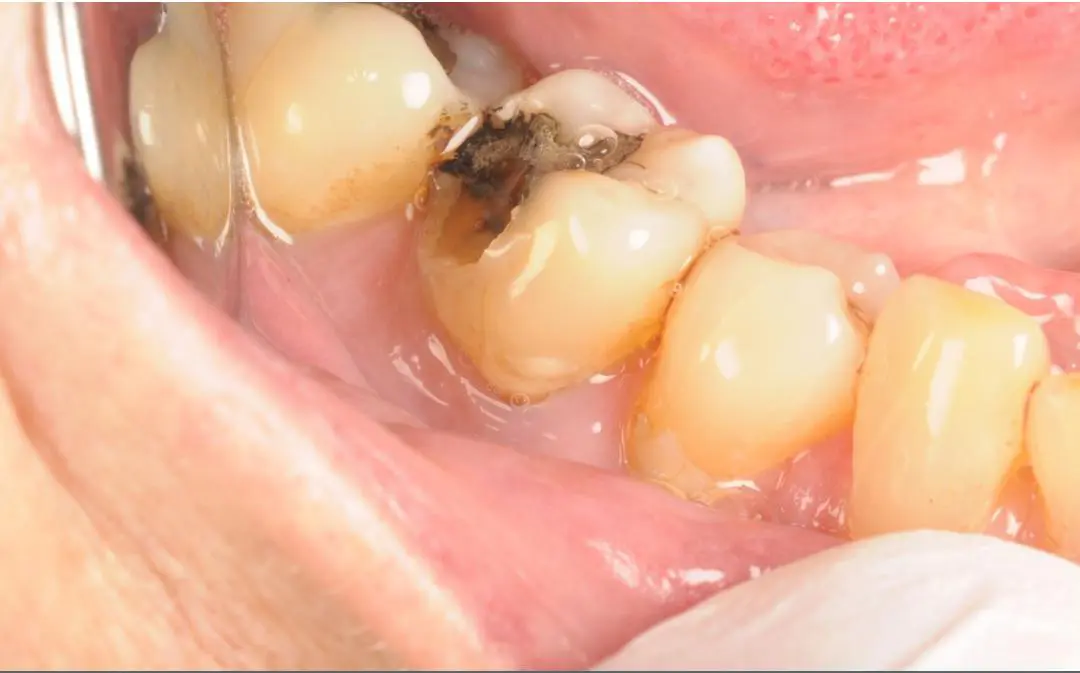
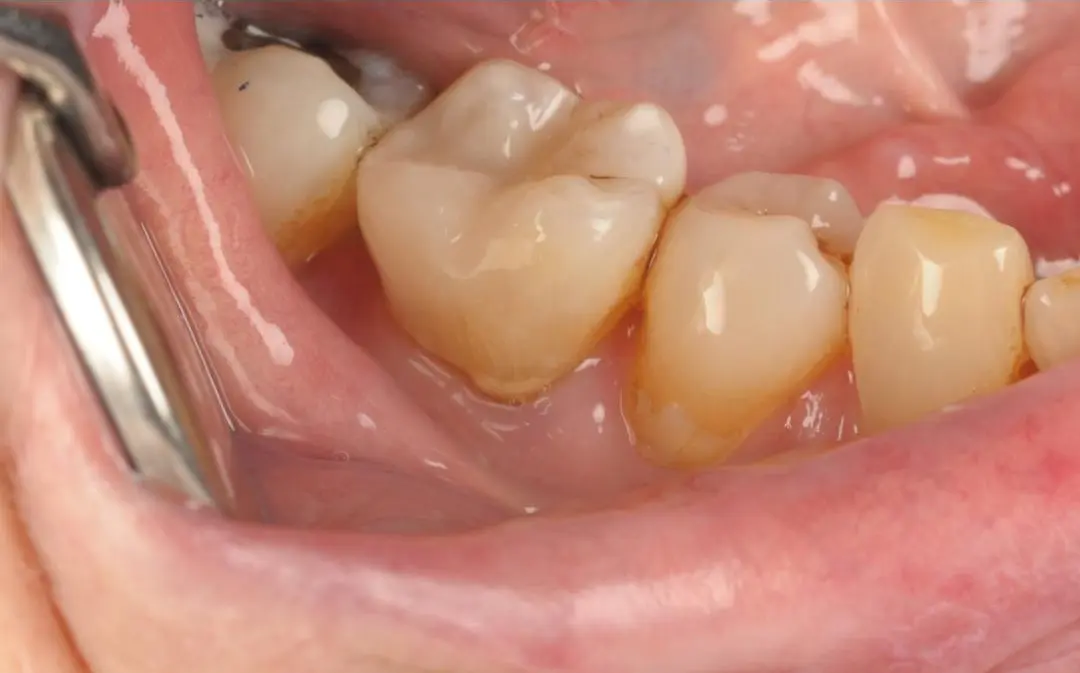
Real Patient Result: Emergency White Filling
Treatment by Dr Kamran
Recognising the Symptoms of a Dental Infection
Facial swelling from a tooth rarely occurs in isolation. There are usually other signs and symptoms that develop alongside it. Being aware of these can help you assess the situation and decide when to seek dental advice.
Common symptoms associated with a dental infection include:
- Persistent, throbbing toothache that may radiate to the jaw, ear, or neck
- Swelling in the face, cheek, or jaw on the affected side
- Tenderness or sensitivity when biting or chewing
- Redness or warmth over the swollen area
- A bad taste in the mouth, which may indicate a draining abscess
- Difficulty opening the mouth or swallowing
- Swollen lymph nodes under the jaw or in the neck
- Feeling generally unwell, including fever or fatigue
It is important to note that not all of these symptoms need to be present. Some patients experience significant swelling with relatively mild pain, while others may have severe discomfort with minimal visible swelling. Every case is different, which is why a clinical examination is essential for proper assessment.
When Professional Dental Assessment May Be Needed
If you are experiencing facial swelling that you believe may be related to a dental problem, it is generally advisable to seek professional assessment sooner rather than later. While some minor dental discomfort may settle temporarily, facial swelling often indicates that the underlying issue requires clinical attention.
You should consider contacting a dentist promptly if you experience:
- Facial swelling that is increasing in size
- Difficulty breathing or swallowing
- A high temperature or fever
- Swelling around the eye
- Severe pain that is not managed with over-the-counter pain relief
- Difficulty opening your mouth
- A general feeling of being unwell alongside dental symptoms
These symptoms do not automatically mean the situation is dangerous, but they do suggest that a dental professional should evaluate the cause and discuss the most appropriate next steps with you. In some cases, same-day or emergency dental appointments may be available to help you get assessed quickly.
It is always better to have a dental concern evaluated and find that it is manageable than to delay and risk the situation becoming more complex.
Please note: Any prices referenced in the video above are indicative only. Prices may vary, and a full treatment plan with costs will be provided following an individual consultation.
How Is a Swollen Face From a Tooth Typically Treated?
The treatment for facial swelling caused by a dental problem depends entirely on the underlying cause, which can only be determined through a proper clinical examination. However, there are several common approaches that a dentist may consider.
Antibiotics
If a bacterial infection is confirmed, a dentist may prescribe antibiotics to help control the spread of infection. It is important to understand that antibiotics alone do not treat the source of a dental infection — they manage the infection while the underlying dental cause is addressed.
Drainage of an Abscess
In some cases, the dentist may need to drain accumulated pus to relieve pressure and reduce swelling. This can sometimes be done through the tooth itself or through a small incision in the gum.
Root Canal Treatment
When the pulp inside a tooth has become infected but the tooth can potentially be saved, root canal treatment may be recommended. This involves removing the infected tissue from inside the tooth, cleaning and disinfecting the root canals, and sealing the tooth to prevent reinfection.
Tooth Extraction
If the tooth is too severely damaged or the infection is too advanced for the tooth to be preserved, extraction may be the most appropriate option. Your dentist will discuss this with you and explain what to expect.
Pain Management
Over-the-counter pain relief such as paracetamol or ibuprofen may help manage discomfort while you are waiting for your dental appointment. Always follow the dosage instructions on the packaging and consult a pharmacist if you are unsure.
It is worth noting that treatment suitability depends entirely on individual clinical assessment. What works for one patient may not be appropriate for another.
What You Can Do at Home Before Your Dental Appointment
While home remedies cannot treat the underlying cause of a swollen face from a tooth, there are some measures that may help you manage discomfort before you are able to see a dentist.
- Use a cold compress on the outside of your cheek for 15"–20 minutes at a time to help reduce swelling
- Take over-the-counter pain relief as directed on the packaging
- Rinse gently with warm salt water (half a teaspoon of salt dissolved in a glass of warm water) to help keep the area clean
- Avoid very hot or very cold foods and drinks if the tooth is sensitive
- Sleep with your head slightly elevated, which may help reduce swelling overnight
- Avoid placing aspirin directly on the gum, as this can cause a chemical burn to the soft tissue
These measures are supportive only and are not a substitute for professional dental care. If symptoms worsen or you develop any of the more serious signs mentioned earlier, seek dental attention as soon as possible.
Prevention and Oral Health Advice
While not all dental emergencies can be prevented, maintaining good oral hygiene and attending regular dental appointments can significantly reduce the likelihood of developing infections that lead to facial swelling.
Daily Oral Hygiene
Brushing twice a day with fluoride toothpaste and cleaning between your teeth daily with floss or interdental brushes helps remove plaque and bacteria that cause decay and gum disease. Paying attention to all surfaces of each tooth — including those hard-to-reach areas at the back — is important for thorough cleaning.
Regular Dental Check-ups
Routine dental examinations allow your dentist to identify early signs of decay, gum disease, or other problems before they have the chance to develop into something more serious. Early detection often means simpler, less invasive treatment.
Addressing Problems Early
If you notice a small cavity, sensitivity, or minor gum bleeding, booking a dental check-up sooner rather than later may help prevent the issue from progressing. Many dental infections develop from conditions that could have been managed more easily at an earlier stage.
Diet Considerations
Limiting sugary foods and acidic drinks can help protect your teeth from decay. Drinking water throughout the day and choosing tooth-friendly snacks supports your overall oral health.
Avoiding Tobacco
Smoking and tobacco use increase the risk of gum disease and can impair healing after dental treatment. Reducing or stopping tobacco use benefits both your oral and general health.
Key Points to Remember
- A swollen face from a tooth often indicates an underlying dental infection that may need professional attention
- Dental abscesses, advanced decay, impacted wisdom teeth, and trauma are among the most common causes
- Facial swelling can spread if the source of the infection is not addressed
- Home measures can help manage symptoms temporarily, but they do not treat the cause
- Early dental assessment often leads to more straightforward treatment options
- Good oral hygiene and regular check-ups are important steps in reducing your risk of dental infections
Frequently Asked Questions
Can a swollen face from a tooth go away on its own?
Facial swelling caused by a dental infection may occasionally appear to reduce temporarily, particularly if an abscess drains naturally. However, this does not mean the underlying problem has resolved. The source of the infection — whether it is decay, a damaged tooth, or gum disease — typically remains and may flare up again, potentially more severely. It is always advisable to have a dental professional assess the cause so that appropriate treatment can be discussed. Relying on the swelling to resolve without intervention may allow the infection to spread or become more difficult to manage over time.
How quickly should I see a dentist for facial swelling?
If you are experiencing facial swelling that you believe is related to a dental problem, it is generally recommended to seek professional advice as soon as possible — ideally within the same day. Facial swelling can indicate an active infection, and timely assessment allows the dentist to evaluate the cause and discuss suitable treatment options. If you also have difficulty breathing, swallowing, a high fever, or the swelling is spreading rapidly, you should seek urgent medical or dental attention. Many dental practices, including emergency dental services, offer same-day appointments for situations like this.
Is a dental abscess dangerous?
A dental abscess is a condition that requires professional attention. In most cases, when assessed and treated appropriately, the infection can be managed effectively. However, if left untreated, there is a risk that the infection could spread to surrounding tissues, the jawbone, or other areas of the head and neck. In rare cases, a severe untreated dental infection can lead to more serious complications. This is why seeking prompt dental assessment is important — not to cause alarm, but to ensure the problem is identified and addressed in good time. Your dentist will explain the findings and treatment options after examination.
Will antibiotics cure a dental abscess?
Antibiotics can play an important role in managing the spread of a dental infection, but they do not address the underlying cause. The source of the infection — such as a decayed or damaged tooth — needs to be treated directly, whether through root canal treatment, drainage, extraction, or another appropriate procedure. Antibiotics may be prescribed alongside dental treatment to help control infection, but they are not a standalone solution. Only a clinical examination can determine the most appropriate treatment approach for your individual situation.
Can I prevent dental abscesses?
While it is not possible to eliminate all risk entirely, good oral hygiene practices significantly reduce the likelihood of developing a dental abscess. Brushing twice daily with fluoride toothpaste, cleaning between teeth with floss or interdental brushes, limiting sugary foods and drinks, and attending regular dental check-ups all contribute to maintaining healthy teeth and gums. Addressing minor dental issues such as small cavities or early gum disease promptly can help prevent them from progressing to the point where an abscess might develop.
What is the difference between a dental abscess and a gum abscess?
A dental abscess (periapical abscess) originates at the tip of the tooth root, typically as a result of decay or damage that has allowed bacteria to reach the pulp inside the tooth. A gum abscess (periodontal abscess) develops in the gum tissue, usually as a result of gum disease, trapped food debris, or a foreign body caught beneath the gum line. Both types can cause pain, swelling, and discomfort, and both require professional dental assessment. The treatment approach may differ depending on the type and severity, which is why an examination is necessary to determine the most appropriate management.
Conclusion
A swollen face from a tooth is a symptom that warrants timely professional attention. Whether the cause is a dental abscess, advanced decay, an impacted wisdom tooth, or another dental condition, understanding what may be happening and taking prompt action can make a meaningful difference to the outcome.
This article has explored the common causes, the underlying infection process, the symptoms to look out for, and the treatment approaches that may be considered. We have also outlined practical steps you can take at home while awaiting your appointment, as well as preventative measures to support long-term oral health.
If you are experiencing facial swelling or any of the symptoms discussed in this article, we would encourage you to seek professional dental advice promptly. Early assessment often opens up a wider range of treatment options and can help prevent the situation from becoming more complex.
Dental symptoms and treatment options should always be assessed individually during a clinical examination.
Disclaimer
This article is for general educational purposes only and does not constitute professional dental advice, diagnosis, or treatment. Every patient's circumstances are unique; dental symptoms and treatment options should always be assessed during a clinical examination by a qualified dental professional. No specific outcomes are guaranteed. This content has been prepared in line with GDC, CQC, ASA CAP Code, and GMC communication standards. If you have concerns about your oral health, please contact a registered dentist.