
Experiencing dizziness alongside a toothache can be unsettling. Many patients wonder whether the two symptoms are connected or simply coincidental. It is a question that prompts thousands of online searches each month, particularly among adults dealing with persistent dental pain who notice lightheadedness or a sense of imbalance at the same time.
The relationship between toothache and dizziness is more common than many people realise. While a simple cavity is unlikely to make you feel dizzy on its own, there are several clinically recognised pathways through which dental problems — particularly infections — can contribute to dizziness or a feeling of being off-balance.
This article explains why toothache can cause dizziness, the dental and medical factors involved, when professional assessment may be appropriate, and what steps you can take. Understanding the connection can help you make informed decisions about seeking the right care at the right time.
Experiencing these symptoms?
Delaying treatment can lead to tooth loss. We have slots available today.
Can Toothache Cause Dizziness?
Yes, toothache can cause dizziness in certain circumstances. A dental infection that spreads beyond the tooth can affect nearby structures, including the sinuses and, in rare cases, the inner ear — both of which play a role in balance. Pain-related stress, sleep disruption, reduced food intake, and medication side effects can also contribute to dizziness alongside dental pain. A clinical assessment is recommended to identify the underlying cause.
How Dental Pain and Dizziness Are Connected
Toothache and dizziness may seem unrelated at first, but the anatomy of the head and jaw creates several connections between dental health and the systems that control balance and spatial awareness.
The teeth, jaw joints, sinuses, and inner ear all sit in close proximity within the skull. When infection, inflammation, or nerve irritation occurs in the dental area, it can influence neighbouring structures. This is particularly true for the upper teeth, whose roots sit very close to the floor of the maxillary sinuses.
Meet Dr. Yasha Shirazi
Principal Dentist at Emergency Dentist London
"We treat hundreds of dental emergencies every month. The sooner you come in, the easier the fix usually is."
Book an appointment with our team →There are several recognised ways in which dental problems may contribute to feelings of dizziness or lightheadedness:
Dental infection spreading to the sinuses. The roots of upper back teeth are separated from the maxillary sinus by only a thin layer of bone. An infection at the root tip of an upper molar can spread into the sinus cavity, causing sinusitis. Sinus congestion and pressure changes can affect balance and create a sensation of dizziness or spatial disorientation.
Referred pain and nerve pathways. The trigeminal nerve — the major sensory nerve of the face — supplies both the teeth and much of the head and face. Intense dental pain can radiate along branches of this nerve, producing headaches, ear pain, and a sensation of dizziness. This is sometimes described as referred pain.
Jaw joint dysfunction (TMD). Temporomandibular joint disorders can cause pain that overlaps with toothache. The jaw joint sits immediately in front of the ear canal, and dysfunction in this area can affect the vestibular system — the part of the inner ear responsible for balance.
Pain-related physiological responses. Severe or prolonged pain triggers the body's stress response, including changes in blood pressure, heart rate, and breathing patterns. These changes can produce lightheadedness, nausea, or a feeling of faintness — symptoms that patients often describe as dizziness.
The Role of Dental Infections
A dental infection — such as a tooth abscess — is one of the more significant dental causes of dizziness. Understanding how infections develop and spread helps explain this connection.
When decay reaches the inner pulp of a tooth, bacteria can infect the nerve and blood supply within. This leads to a periapical abscess — a pocket of pus at the root tip. If the infection is not treated, it can extend beyond the tooth into surrounding bone and soft tissue.
In the upper jaw, this spread can reach the maxillary sinus, causing dental sinusitis. Symptoms may include facial pressure, nasal congestion, and a sense of imbalance or dizziness. In the lower jaw, infection can spread into the tissue spaces of the neck and floor of the mouth, producing swelling that affects overall wellbeing.
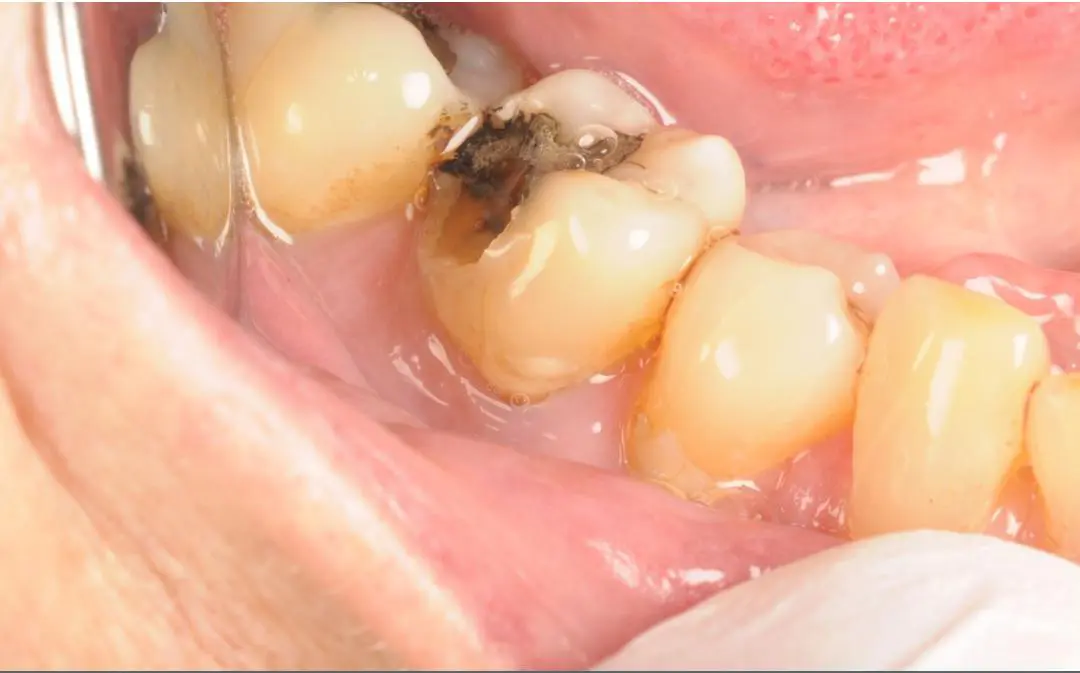
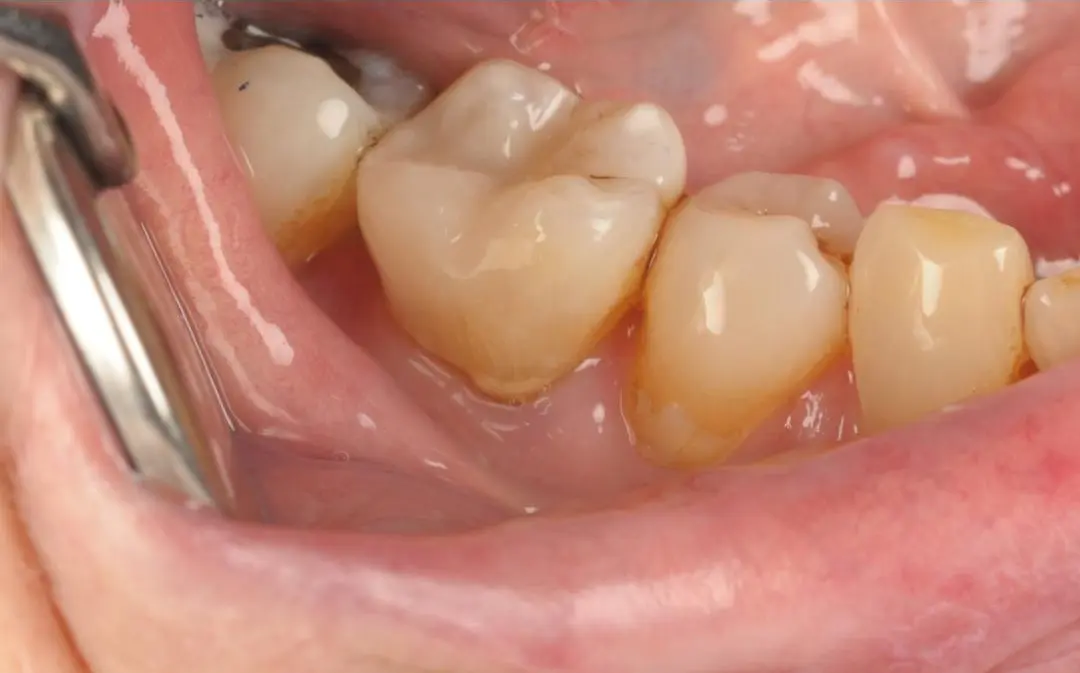
Real Patient Result: Emergency White Filling
Treatment by Dr Kamran
A spreading dental infection can also cause systemic symptoms — fever, fatigue, and general malaise — all of which may contribute to feelings of dizziness or lightheadedness. Our guide on the dangers of ignoring a dental abscess explains why prompt treatment matters.
Upper Teeth, Sinuses, and Balance
The anatomical relationship between the upper teeth and the sinuses is particularly relevant when considering whether toothache can cause dizziness.
The maxillary sinuses are air-filled spaces located within the cheekbones, directly above the roots of the upper premolar and molar teeth. In many patients, the roots of these teeth actually project into the sinus floor. This means that infection at the tip of an upper tooth root can easily breach the thin bone separating the tooth from the sinus.
When bacteria from a dental infection enter the sinus, they can cause an inflammatory response. The resulting congestion, pressure, and fluid build-up within the sinus can affect the Eustachian tube — the narrow channel connecting the middle ear to the back of the throat. Disruption to Eustachian tube function can alter pressure in the middle ear, producing symptoms of dizziness, fullness in the ear, or a sensation of the room spinning.
This type of sinus-related dizziness is sometimes called secondary vertigo. It is distinct from primary vestibular disorders but can feel very similar to the patient. A thorough dental and medical assessment can help determine whether the sinus issue has a dental origin.
TMJ Disorders and Dizziness
Temporomandibular joint (TMJ) disorders are another recognised pathway between dental-area pain and dizziness. The TMJ is the hinge joint connecting the lower jaw to the skull, located just in front of each ear.
TMJ dysfunction can produce symptoms that closely mimic toothache — including pain in the teeth, jaw, face, and around the ear. Because the TMJ sits so close to the structures of the inner ear, inflammation or mechanical problems in the joint can influence the vestibular system.
Patients with TMJ disorders sometimes report:
Dizziness or a feeling of unsteadiness
Ringing in the ears (tinnitus)
A sensation of fullness or pressure in the ear
Headaches, particularly around the temples
Pain that is difficult to localise — it may feel like a toothache but originates in the joint
If you are experiencing jaw pain alongside dizziness, a dental assessment can help determine whether a TMJ issue is contributing to your symptoms. Treatment approaches for TMJ disorders may include bite splints, physiotherapy, stress management, and in some cases, dental adjustments.
Other Factors That May Cause Dizziness During Toothache
Not every instance of dizziness during a toothache is directly caused by the dental condition itself. Several indirect factors can produce or worsen dizziness when you are dealing with dental pain:
Medication side effects. Pain relief medications — including some over-the-counter options and prescription antibiotics — can list dizziness as a side effect. If dizziness begins or worsens after starting a new medication, this may be a contributing factor.
Reduced food and water intake. Dental pain can make eating and drinking uncomfortable, leading to dehydration and low blood sugar. Both can cause lightheadedness and dizziness.
Sleep disruption. Toothache frequently disrupts sleep, particularly when lying down increases blood flow to the head and intensifies throbbing pain. Poor sleep over several days can affect balance, concentration, and overall stability.
Anxiety and stress. Persistent pain can trigger anxiety, which in turn can produce physical symptoms including dizziness, rapid breathing, and a feeling of faintness. This is a normal physiological response but can be distressing.
Pre-existing conditions. Conditions affecting blood pressure, blood sugar, or the vestibular system may be aggravated by the physical and emotional stress of dealing with dental pain.
When Professional Dental Assessment May Be Needed
If you are experiencing toothache alongside dizziness, it is sensible to seek a professional assessment to understand the cause. Certain combinations of symptoms warrant prompt attention:
Persistent toothache that is not responding to over-the-counter pain relief
Facial swelling alongside dental pain
Dizziness that is worsening or accompanied by fever
A feeling of pressure or fullness in the ear on the same side as the toothache
Difficulty opening the mouth or swallowing
A bad taste in the mouth, which may indicate draining infection
Dizziness that is affecting your daily activities or safety
A dentist can examine the affected tooth, take X-rays to check for infection, and assess whether the dental issue may be contributing to your dizziness. In some cases, your dentist may recommend that you also seek medical advice to rule out non-dental causes of dizziness.
If you are experiencing severe toothache that is affecting your wellbeing, same-day assessment is available at our practice.
How Dental Treatment May Help Resolve Dizziness
When dizziness is linked to a dental cause, treating the underlying dental problem often resolves the dizziness as well. The specific treatment depends on the diagnosis:
Treating the infection. If a tooth abscess is causing sinusitis or systemic symptoms, root canal treatment or extraction removes the source of infection. As the infection clears, sinus pressure normalises and dizziness typically improves. Our dental abscess treatment service addresses these cases promptly.
Addressing TMJ issues. If jaw joint dysfunction is contributing to dizziness, treatment may include a custom bite splint, jaw exercises, or adjustments to reduce strain on the joint.
Resolving the toothache. Even when dizziness is caused indirectly — through stress, poor sleep, or reduced intake — eliminating the source of pain often resolves these secondary factors naturally.
It is worth noting that dizziness can have many causes beyond dental problems. If your dentist treats the dental issue and the dizziness persists, further medical investigation may be recommended. Your dentist can advise on the most appropriate next steps.
Prevention and Oral Health Advice
While not all dental problems can be prevented, maintaining good oral health significantly reduces the risk of infections and conditions that may contribute to dizziness.
Brush twice daily with fluoride toothpaste. Thorough brushing removes the plaque that causes both decay and gum disease. Pay particular attention to the back teeth, where decay often begins.
Clean between your teeth daily. Floss or interdental brushes reach areas that a toothbrush cannot. Removing trapped food and bacteria from between the teeth helps prevent cavities and gum infections.
Do not ignore early symptoms. A mild toothache, sensitivity to hot or cold, or a small area of gum tenderness are all worth having assessed. Early treatment prevents progression to more serious problems.
Attend routine dental check-ups. Regular examinations allow your dentist to identify and treat potential issues before they develop into infections or more complex conditions.
Stay hydrated and manage stress. Good general health supports your body's ability to heal and reduces the risk of secondary symptoms like dizziness when dental issues do arise.
Key Points to Remember
Toothache can cause dizziness, particularly when dental infection, sinusitis, or TMJ dysfunction is involved
The upper teeth sit very close to the sinuses, and infections can spread to affect balance and spatial awareness
Indirect factors such as medication side effects, poor sleep, dehydration, and anxiety can also produce dizziness during dental pain
A professional dental assessment can determine whether your toothache and dizziness are connected
Treating the underlying dental problem often resolves the dizziness as well
Maintaining good oral hygiene and attending regular check-ups helps prevent infections that may lead to these symptoms
Frequently Asked Questions
Can a tooth infection make you dizzy?
Yes, a tooth infection can contribute to dizziness. When infection at the root tip of an upper tooth spreads into the maxillary sinus, it can cause congestion and pressure changes that affect balance. A severe infection may also produce systemic symptoms — including fever and fatigue — that can cause lightheadedness. If you suspect you have a dental infection with dizziness, a clinical assessment is recommended to determine the cause and appropriate treatment.
Why do I feel lightheaded when I have a toothache?
Lightheadedness during a toothache can result from several factors. Severe pain triggers your body's stress response, which can alter blood pressure and heart rate. Pain may also reduce your appetite and fluid intake, leading to dehydration or low blood sugar. Sleep disruption from dental pain is another common contributor. In some cases, the dental condition itself — such as an infection affecting the sinuses — may be directly responsible. A dental examination can help identify the cause.
Can wisdom tooth pain cause dizziness?
Wisdom tooth pain can potentially contribute to dizziness, particularly if the wisdom tooth is infected. An infection around a partially erupted wisdom tooth — a condition called pericoronitis — can cause significant swelling, pain, and in some cases, spread to nearby tissue. The resulting inflammation, pain-related stress, and disrupted sleep can all contribute to feeling dizzy or lightheaded. If you are experiencing wisdom tooth pain with dizziness, a dental assessment is advisable.
Should I see a dentist or a doctor if I have toothache and dizziness?
Starting with a dental assessment is generally advisable if you suspect the symptoms are related to a dental problem. Your dentist can examine the teeth, take X-rays, and determine whether a dental condition such as infection or TMJ dysfunction may be contributing to your dizziness. If the dental examination does not identify a clear cause, your dentist may recommend that you also seek medical advice for further investigation into non-dental causes of dizziness.
Can dental treatment stop dizziness?
When dizziness is caused by a dental condition — such as an infection that has spread to the sinuses or a TMJ disorder affecting the inner ear — treating the dental problem often resolves the dizziness. For example, root canal treatment or extraction that clears a tooth infection typically allows the sinuses to recover, and dizziness improves as a result. However, if the dizziness has a non-dental origin, further medical assessment may be needed.
Conclusion
The question of whether toothache can cause dizziness has a clear answer: yes, it can, though the mechanism varies from patient to patient. Dental infections, sinus involvement, TMJ dysfunction, and the indirect effects of pain and stress can all contribute to feelings of dizziness or lightheadedness alongside dental pain.
Understanding this connection is important because it highlights the value of seeking timely dental assessment when symptoms overlap. Treating the dental cause often resolves the dizziness, while leaving a dental infection untreated carries the risk of progression and worsening symptoms.
Dental symptoms and treatment options should always be assessed individually during a clinical examination. If you are experiencing persistent toothache with dizziness, a professional dental assessment can help identify the cause and guide you towards the most appropriate care.
Article reviewed: March 2026 · Next review due: March 2027
This article was written by the Emergency Dentist London editorial team and medically reviewed by a GDC-registered dental professional. It is intended for general informational purposes and should not replace individual advice from your dentist. Emergency Dentist London is a CQC-registered dental practice.
Sources: NHS — Toothache · NHS — Dizziness · NICE CKS — Sinusitis · British Dental Association
Toothache With Dizziness? Get It Checked
Our emergency dentists can assess your symptoms, identify the cause, and provide effective treatment. Same-day appointments available, subject to availability.
Call us now: 020 3137 6356
Watch: Your Emergency Dental Appointment Explained
Disclaimer
This article is for general educational purposes only and does not constitute professional dental advice, diagnosis, or treatment. Every patient's circumstances are unique; dental symptoms and treatment options should always be assessed during a clinical examination by a qualified dental professional. No specific outcomes are guaranteed. This content has been prepared in line with GDC, CQC, ASA CAP Code, and GMC communication standards. If you have concerns about your oral health, please contact a registered dentist.