
If you have ever experienced a throbbing toothache, your first thought may have been to reach for antibiotics. It is one of the most common questions patients ask: can antibiotics cure a toothache? Many people search online hoping to find a quick solution that avoids a trip to the dentist, and it is entirely understandable to want fast relief from dental pain.
The belief that antibiotics can resolve tooth pain is widespread, but the reality is more nuanced than many people realise. Antibiotics play an important role in dentistry, yet they are not a standalone cure for most causes of toothache. Understanding the difference between managing infection and treating the underlying dental problem is essential for making informed decisions about your oral health.
This article explains how antibiotics work in relation to dental pain, why they may not address the root cause of a toothache, when they may be clinically appropriate, and what treatment approaches a dentist might recommend. If you are currently experiencing dental discomfort, seeking professional dental advice is always a sensible step to help identify the cause and explore suitable options.
Experiencing these symptoms?
Delaying treatment can lead to tooth loss. We have slots available today.
Can Antibiotics Cure a Toothache?
Antibiotics alone cannot cure a toothache. While antibiotics may help manage a bacterial dental infection and reduce associated symptoms such as swelling, they do not treat the underlying cause of tooth pain. Most toothaches result from structural issues such as decay, cracks, or pulp inflammation that require direct dental treatment. A professional clinical assessment is necessary to identify the source of pain and determine the most appropriate course of action.
Why Do People Believe Antibiotics Can Fix a Toothache?
It is easy to understand why so many people associate antibiotics with toothache relief. When a dental infection is present, antibiotics can reduce bacteria and inflammation, which may temporarily ease pain and swelling. This improvement can create the impression that the antibiotic has cured the problem.
In addition, some patients may have previously been prescribed antibiotics by a GP or dentist as an interim measure — for example, when an appointment for definitive treatment was not immediately available. The temporary improvement may have reinforced the idea that antibiotics were the solution.
Meet Dr. Yasha Shirazi
Principal Dentist at Emergency Dentist London
"We treat hundreds of dental emergencies every month. The sooner you come in, the easier the fix usually is."
Book an appointment with our team →However, it is important to understand that the relief antibiotics provide in these situations is typically temporary. Without addressing the underlying dental cause — whether that is decay, an abscess, or a damaged tooth — the problem is likely to return. Antibiotics manage infection; they do not repair teeth.
There is also growing awareness within the dental and medical professions about the importance of responsible antibiotic prescribing. Overuse of antibiotics contributes to antimicrobial resistance, a significant public health concern. This is one reason why dentists carefully assess whether antibiotics are truly indicated before prescribing them.
Common Causes of Toothache
Understanding what causes a toothache helps explain why antibiotics are rarely the complete answer. Tooth pain can arise from a range of dental conditions, many of which are structural in nature.
Dental decay (caries) is one of the most frequent causes of toothache. When bacteria in the mouth produce acids that erode the tooth's enamel, a cavity forms. As the decay progresses deeper into the tooth, it can reach the sensitive inner layers, causing pain. Antibiotics cannot reverse or repair tooth decay.
Dental abscess occurs when a bacterial infection leads to a collection of pus, either at the tip of the tooth root (periapical abscess) or in the gum tissue (periodontal abscess). This can cause significant pain, swelling, and sometimes a general feeling of being unwell. While antibiotics may be used alongside treatment in certain cases, the abscess itself typically requires drainage or root canal treatment.
Cracked or fractured teeth, worn fillings, gum disease, and pulpitis (inflammation of the tooth's inner pulp) are other common causes. Each of these conditions requires specific dental assessment and appropriate clinical management rather than antibiotics alone.
If you are experiencing persistent dental pain, a professional evaluation can help identify the precise cause.
How Antibiotics Work in Dentistry
To understand why antibiotics have limitations in treating toothache, it helps to know how they function. Antibiotics are medications designed to kill bacteria or prevent them from multiplying. They are effective against bacterial infections and can be a valuable tool in a dentist's treatment plan when used appropriately.
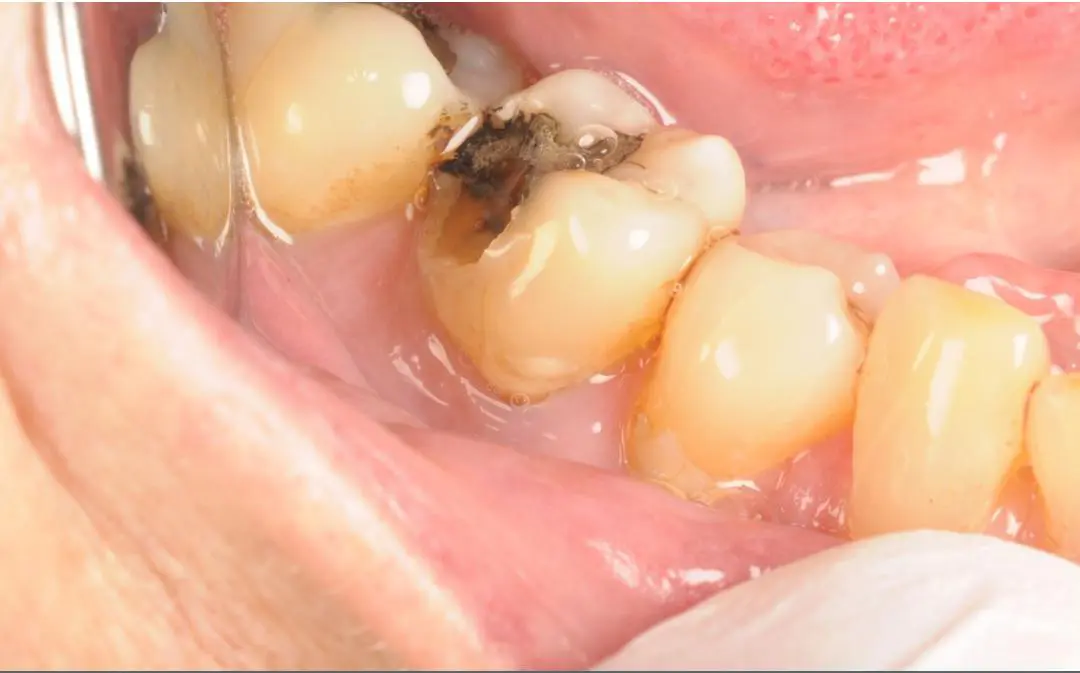
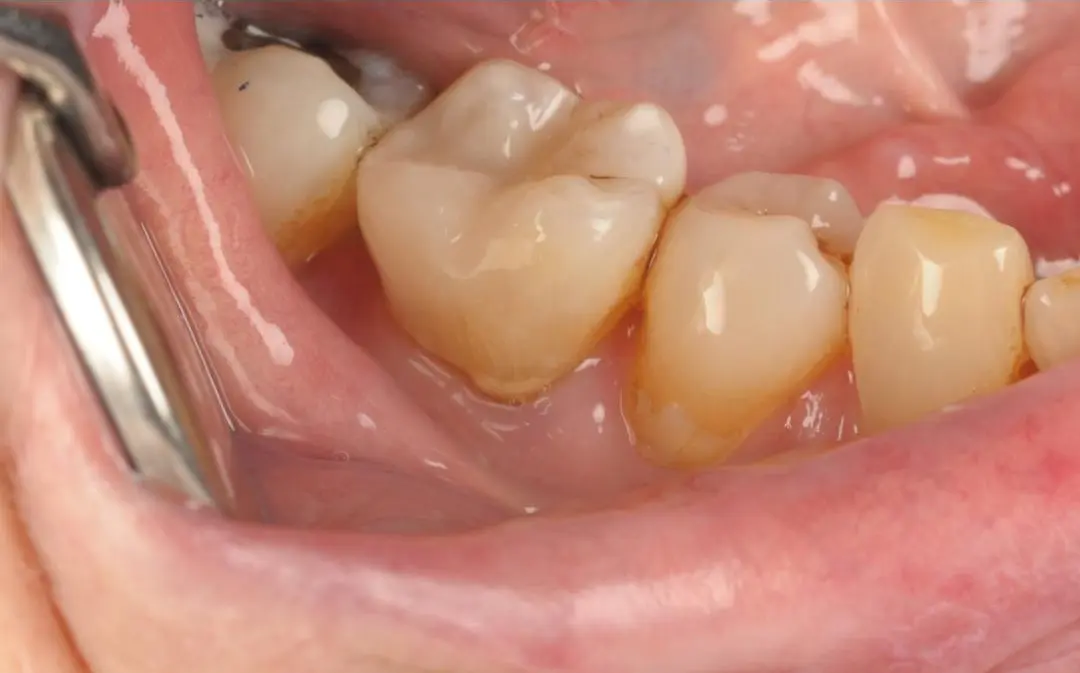
Real Patient Result: Emergency White Filling
Treatment by Dr Kamran
In dentistry, antibiotics may be prescribed in specific situations, such as:
- Spreading dental infections — when an infection shows signs of spreading beyond the immediate area, such as facial swelling, difficulty swallowing, or fever
- Supporting treatment — in some cases, antibiotics may be used alongside a dental procedure to help control infection
- Patients with certain medical conditions — some individuals may require antibiotic cover before dental procedures as a precautionary measure, based on their medical history
However, antibiotics cannot reach the interior of a dead or severely damaged tooth effectively. When the blood supply to a tooth is compromised — as happens with advanced decay or pulp death — the antibiotic cannot be delivered to the site where it is needed most. This is why physical dental treatment, such as removing decay, performing root canal therapy, or extracting the tooth, is usually necessary.
It is also worth noting that antibiotics are not effective against viral or non-bacterial causes of oral pain, such as temporomandibular joint (TMJ) disorders or certain types of nerve-related pain.
The Science Behind Dental Infection and Tooth Pain
Understanding a little about tooth anatomy helps explain why dental pain often requires more than medication alone.
Each tooth has several layers. The outermost layer is enamel, the hardest substance in the human body. Beneath the enamel is dentine, a softer tissue that contains microscopic tubules. At the centre of the tooth is the pulp, which contains nerves, blood vessels, and connective tissue. The tooth is anchored in the jawbone by its roots, which are covered by a thin layer called cementum.
When decay or damage breaches the enamel and reaches the dentine, sensitivity and discomfort often begin. If bacteria penetrate further into the pulp chamber, the tissue can become inflamed — a condition known as pulpitis. In its early stages (reversible pulpitis), the tooth may be saved with prompt treatment. If the inflammation progresses (irreversible pulpitis), the pulp tissue may die, creating an environment where bacteria can thrive and form an abscess.
An abscess develops when the infection spreads beyond the tooth root into the surrounding bone and soft tissue. The body's immune response creates a pocket of pus, leading to pressure, swelling, and often intense pain. Whilst antibiotics can help reduce the bacterial load, the physical source of infection inside the tooth remains until it is treated directly. This is the fundamental reason why antibiotics alone cannot cure most toothaches.
When Antibiotics May Be Appropriate for Dental Problems
There are situations where antibiotics may form part of a dental treatment plan. It is important to understand that the decision to prescribe antibiotics is a clinical one, made by a qualified dental professional based on an individual assessment.
Antibiotics may be considered when:
- There are signs of a spreading infection, such as facial swelling that affects the eye or neck area, difficulty opening the mouth (trismus), or elevated temperature
- The patient is systemically unwell as a result of the dental infection
- Definitive dental treatment (such as extraction or root canal therapy) cannot be carried out immediately, and interim management is needed
- The patient has specific medical conditions that may affect their ability to fight infection
In these scenarios, antibiotics serve as a supportive measure alongside planned dental treatment — not as a replacement for it.
The most commonly prescribed antibiotics for dental infections in the UK include amoxicillin and metronidazole. A dentist will choose the appropriate antibiotic based on the type of infection, patient history, and any allergies.
Self-prescribing antibiotics or using leftover medication from previous prescriptions is strongly discouraged. Inappropriate antibiotic use can lead to side effects, allergic reactions, and contribute to the growing problem of antibiotic resistance.
Risks of Relying on Antibiotics Instead of Dental Treatment
Choosing to rely on antibiotics without seeking proper dental assessment can carry several risks. While it may seem like a convenient short-term approach, it can lead to more significant problems over time.
Recurring infection is one of the primary concerns. Because antibiotics do not address the structural cause of the problem, the infection may return once the course of medication is completed. Each recurrence may be more difficult to manage and could affect a larger area.
Antibiotic resistance is a major public health issue. When antibiotics are used unnecessarily or incompletely, bacteria can adapt and become resistant to them. This means that when antibiotics are genuinely needed in the future — for dental or other medical purposes — they may be less effective.
Disease progression is another risk. Untreated dental decay continues to advance. A small cavity that could have been treated with a straightforward filling may progress to require root canal treatment or even extraction if left unaddressed.
Masking of symptoms can also occur. Antibiotics may reduce pain and swelling temporarily, giving the false impression that the problem has resolved. Meanwhile, the underlying condition may be worsening silently.
For these reasons, antibiotics should be viewed as a potential component of dental care rather than a substitute for it.
When Professional Dental Assessment May Be Needed
Certain symptoms suggest that a dental evaluation would be beneficial. Being aware of these signs can help you decide when to seek advice.
You may wish to consider contacting a dental practice if you experience:
- Persistent toothache lasting more than one to two days
- Swelling in the face, jaw, or gums
- Sensitivity to hot, cold, or sweet foods and drinks that does not resolve
- Pain when biting or chewing
- A bad taste in the mouth, which may indicate an abscess draining
- Bleeding or tender gums
- A visible hole or dark area on a tooth
- Fever or generally feeling unwell alongside dental pain
These symptoms do not necessarily indicate a serious condition, but they do suggest that a clinical examination could help identify the cause and determine whether any treatment is needed.
If you are unsure whether your situation requires urgent attention, many dental practices can offer guidance over the telephone to help you understand your next steps.
Prevention and Oral Health Advice
While not all dental problems can be prevented, there are practical steps that may help reduce the likelihood of toothache and dental infection.
Brush twice daily using a fluoride toothpaste. Fluoride helps strengthen enamel and protect against decay. Brush for at least two minutes, ensuring you reach all surfaces of each tooth.
Clean between your teeth daily using interdental brushes or floss. Decay frequently develops between teeth where a toothbrush cannot easily reach.
Limit sugary foods and drinks, particularly between meals. Each time you consume sugar, the bacteria in your mouth produce acids that attack the enamel. Reducing the frequency of sugar exposure gives your teeth more opportunity to recover.
Attend regular dental check-ups. Routine examinations allow a dentist to identify early signs of decay, gum disease, or other issues before they progress to the point of causing pain. The frequency of check-ups may vary depending on your individual oral health needs.
Do not ignore early symptoms. Mild sensitivity or occasional discomfort may indicate a developing problem. Addressing issues early often means simpler and less invasive treatment.
Avoid using your teeth as tools — for example, to open packaging or bite non-food objects. This can cause cracks or fractures that may lead to pain and infection.
If you smoke, consider stopping. Smoking significantly increases the risk of gum disease and can impair healing after dental treatment.
Key Points to Remember
- Antibiotics cannot cure a toothache — they may help manage bacterial infection but do not treat the underlying dental cause.
- Most toothaches are caused by structural problems such as decay, cracks, or pulp damage that require direct dental treatment.
- Antibiotics may be prescribed as part of a treatment plan in specific clinical situations, but they are not a substitute for dental care.
- Relying on antibiotics alone carries risks, including recurring infection, antibiotic resistance, and disease progression.
- Early dental assessment can help identify problems before they become more complex.
- Good daily oral hygiene and regular check-ups remain the most effective ways to reduce the risk of toothache and dental infection.
Frequently Asked Questions
Can I take antibiotics for a toothache without seeing a dentist?
It is not advisable to take antibiotics for a toothache without a dental assessment. Antibiotics require a prescription and should only be used when clinically indicated. Taking antibiotics without knowing the cause of your pain could mask symptoms, delay appropriate treatment, and contribute to antibiotic resistance. A dentist can examine your tooth, determine the underlying cause of the pain, and recommend the most suitable approach. If you are in discomfort, over-the-counter pain relief and contacting a dental practice for an appointment are generally more appropriate first steps.
How long do antibiotics take to work for a dental infection?
When antibiotics are prescribed for a dental infection, patients may begin to notice some improvement in symptoms within 24 to 48 hours, though this can vary depending on the severity of the infection and the individual's response to the medication. It is important to complete the full course as directed by the prescribing dentist, even if symptoms improve before the course is finished. However, antibiotics alone are unlikely to resolve the underlying problem, and follow-up dental treatment is usually necessary to address the cause of the infection.
What should I do if my toothache comes back after antibiotics?
If your toothache returns after completing a course of antibiotics, this typically indicates that the underlying cause has not been treated. The infection may recur because the source — such as deep decay, an abscess, or a damaged tooth — remains. It is important to arrange a dental appointment so that the tooth can be examined and an appropriate treatment plan can be discussed. Repeated courses of antibiotics without definitive dental treatment are generally not recommended due to the risk of antibiotic resistance and ongoing damage to the tooth.
Are there any side effects of dental antibiotics?
Like all medications, antibiotics can have side effects. Common side effects may include gastrointestinal symptoms such as nausea, diarrhoea, or stomach discomfort. Some patients may experience allergic reactions, which can range from mild skin rashes to more serious responses. It is important to inform your dentist of any known allergies or medical conditions before antibiotics are prescribed. If you experience any unexpected or concerning symptoms while taking antibiotics, contact your prescribing dentist or seek medical advice. These potential side effects are one reason why antibiotics are only prescribed when there is a clear clinical need.
Can a toothache go away on its own without treatment?
In some cases, mild dental discomfort may settle temporarily, but this does not necessarily mean the underlying problem has resolved. A toothache that appears to go away may indicate that the nerve inside the tooth has died, which can lead to a silent infection developing at the root tip. Conditions such as dental decay do not reverse on their own — they tend to progress over time. If you have experienced a toothache, even if the pain has subsided, it is advisable to have a dental examination to check whether any treatment may be needed.
Is it safe to buy antibiotics online for toothache?
Purchasing antibiotics online without a prescription is not recommended and may be unsafe. In the UK, antibiotics are prescription-only medications, and purchasing them from unregulated sources means there is no guarantee of their quality, safety, or suitability for your specific condition. Taking the wrong antibiotic, incorrect dosage, or unnecessary medication can be harmful and contributes to antibiotic resistance. If you are experiencing a toothache, the safest course of action is to contact a dental practice for professional assessment and advice tailored to your individual situation.
Conclusion
The question of whether antibiotics can cure a toothache is one
Disclaimer
This article is for general educational purposes only and does not constitute professional dental advice, diagnosis, or treatment. Every patient's circumstances are unique; dental symptoms and treatment options should always be assessed during a clinical examination by a qualified dental professional. No specific outcomes are guaranteed. This content has been prepared in line with GDC, CQC, ASA CAP Code, and GMC communication standards. If you have concerns about your oral health, please contact a registered dentist.