
Few things are quite as inconvenient as a sudden toothache striking just before an important business meeting. If you have ever found yourself in a hotel room in London, searching online for a business trip toothache quick fix, you are certainly not alone. Dental pain has an unfortunate habit of appearing at the most inopportune moments — whether it is a toothache before an important event or during a work trip — and when you are away from home, managing it can feel particularly stressful.
Many professionals travelling to London for work turn to search engines looking for temporary relief strategies, hoping to get through their meetings comfortably before arranging proper dental care. Understanding what may be causing your discomfort, what short-term measures might help, and when it is important to seek professional dental assessment can make a significant difference to how you manage the situation.
This article explains common causes of toothache during travel, practical temporary relief options, the dental science behind tooth pain, and — most importantly — when you should consider seeing a dentist. The aim is to help you feel informed and reassured, so you can approach your business commitments with greater confidence whilst looking after your oral health responsibly.
Experiencing these symptoms?
Delaying treatment can lead to tooth loss. We have slots available today.
What Is a Business Trip Toothache and How Can You Manage It Quickly?
A business trip toothache refers to sudden dental pain that occurs whilst travelling for work, often requiring a quick fix before professional commitments. Temporary measures such as over-the-counter pain relief, cold compresses, and saltwater rinses may help manage discomfort in the short term. However, these are not substitutes for professional dental assessment, which is recommended to identify and address the underlying cause of the pain.
Why Toothache Often Strikes During Business Travel
Travelling for work can create a perfect storm of factors that may trigger or worsen dental discomfort. Understanding why this happens can help you take preventative steps for future trips.
Stress and teeth grinding: High-pressure meetings and tight schedules can increase stress levels, which may lead to unconscious jaw clenching or teeth grinding (bruxism), particularly during sleep. This can cause soreness in the teeth and jaw muscles that intensifies over the course of a trip.
Meet Dr. Yasha Shirazi
Principal Dentist at Emergency Dentist London
"We treat hundreds of dental emergencies every month. The sooner you come in, the easier the fix usually is."
Book an appointment with our team →Changes in routine: When you are travelling, your usual oral hygiene routine may be disrupted. You might skip flossing, brush more hastily, or consume more sugary snacks and caffeinated drinks than usual. These small changes can aggravate pre-existing dental issues.
Air travel and pressure changes: If you have an existing dental concern — such as a cracked filling, untreated decay, or a developing abscess — changes in cabin pressure during flights can sometimes cause or intensify tooth pain. This phenomenon, sometimes called barodontalgia, occurs when trapped air within the tooth structure expands.
Dietary changes: Business dinners, hotel breakfasts, and frequent coffee consumption may expose your teeth to more acidic or sugary foods and drinks than your teeth are accustomed to, potentially triggering sensitivity.
Common Causes of Sudden Toothache
Toothache can arise from a variety of dental conditions. Whilst only a clinical examination can determine the specific cause, the following are some of the more common reasons adults experience sudden dental pain:
- Dental decay (cavities): Untreated decay can progress to a point where it reaches the sensitive inner layers of the tooth, causing sharp or throbbing pain.
- Cracked or fractured teeth: A crack in a tooth may cause intermittent pain, especially when biting or chewing.
- Loose or damaged fillings: Old restorations can become worn or dislodged, exposing the underlying tooth structure to temperature and pressure.
- Gum disease: Inflammation or infection of the gums can cause localised pain and tenderness.
- Dental abscess: An infection at the root of a tooth or between the tooth and gum may produce persistent, pulsing pain and swelling.
- Tooth sensitivity: Worn enamel or receding gums can expose the dentine layer, leading to sharp discomfort when consuming hot, cold, or sweet items.
If you have been experiencing intermittent dental symptoms before your trip, travel-related stress and routine disruption may bring them to the forefront.
The Dental Science Behind Tooth Pain
To understand why toothache can be so intense, it helps to know a little about tooth anatomy.
Each tooth is made up of several layers. The outermost layer, enamel, is the hardest substance in the human body and serves as a protective shield. Beneath the enamel lies dentine, a slightly softer layer containing microscopic tubules — tiny channels that lead towards the centre of the tooth.
At the very core of each tooth is the dental pulp, a soft tissue containing nerves and blood vessels. When decay, a crack, or erosion compromises the outer layers, external stimuli such as temperature, pressure, or bacteria can reach the dentine and eventually the pulp. The nerves within the pulp respond by sending pain signals, which is why toothache can feel so sharp and persistent.
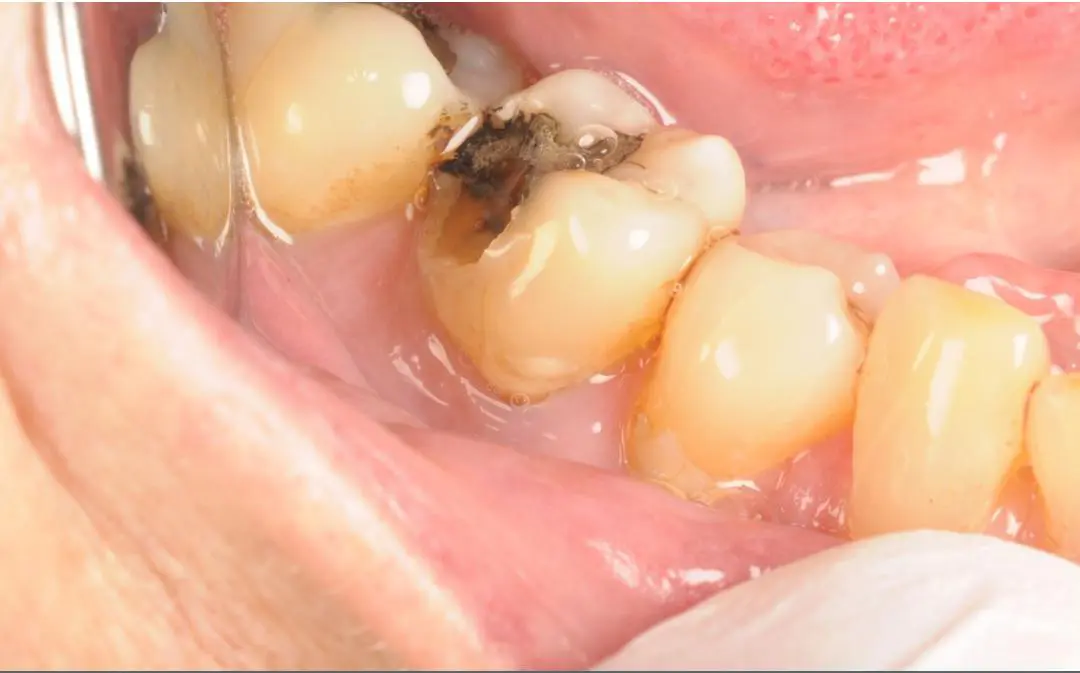
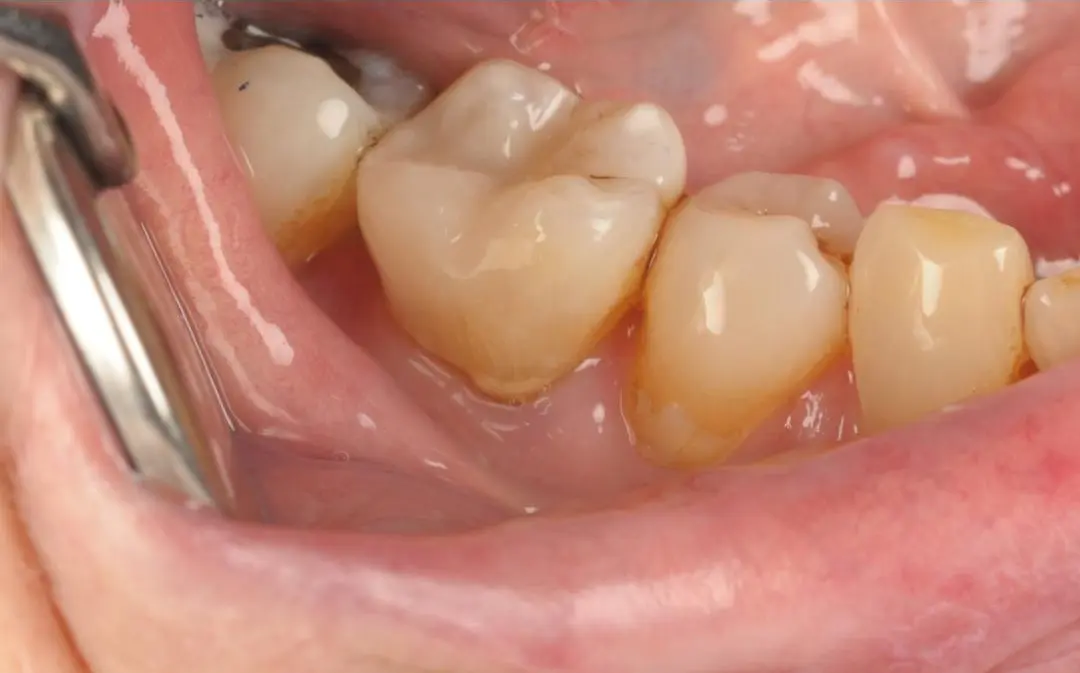
Real Patient Result: Emergency White Filling
Treatment by Dr Kamran
In the case of an infection or abscess, bacteria may invade the pulp chamber, causing inflammation and a build-up of pressure within the tooth. Because the pulp is enclosed within a rigid structure, this pressure has limited room to dissipate, which can result in particularly intense, throbbing pain.
Understanding this process helps explain why temporary surface-level relief measures, whilst potentially helpful in the short term, cannot resolve the underlying issue — and why professional dental assessment is important.
Temporary Relief Options Before Your Meeting
Whilst temporary measures are not a replacement for professional dental care, the following approaches may help manage discomfort in the short term so you can get through your business commitments:
Over-the-Counter Pain Relief
Paracetamol or ibuprofen, taken according to the manufacturer's instructions, may help reduce pain and inflammation. Ibuprofen, being an anti-inflammatory, can be particularly helpful for dental discomfort associated with swelling. Always check for any personal contraindications or allergies before taking medication.
Saltwater Rinse
Dissolving half a teaspoon of salt in a glass of warm water and gently rinsing your mouth may help soothe irritated gum tissue and reduce bacteria around the affected area.
Cold Compress
Applying a cold pack or a cloth-wrapped ice pack to the outside of your cheek near the painful area for 10"–15 minutes at a time may help reduce swelling and temporarily numb discomfort.
Avoid Trigger Foods and Drinks
Until you can see a dentist, try to avoid very hot, very cold, or particularly sugary foods and drinks. Chewing on the opposite side of your mouth may also help minimise discomfort.
Temporary Dental Repair Kits
Pharmacies in London stock temporary filling kits that can cover an exposed cavity or a lost filling. These are designed as a short-term measure only and should not be considered a permanent solution.
Clove Oil
Eugenol, the active compound in clove oil, has mild natural anaesthetic properties. A small amount applied carefully to the affected area with a cotton bud may provide temporary relief for some people. Use sparingly and avoid contact with soft tissue to prevent irritation.
When Professional Dental Assessment May Be Needed
Whilst temporary measures can help you manage discomfort for a short period, there are situations where seeking a professional dental evaluation sooner rather than later is advisable. The following signs may suggest that your toothache requires clinical attention:
- Pain that persists for more than one to two days despite over-the-counter pain relief
- Swelling in the face, jaw, or gums, which may indicate an infection
- Fever or general feeling of being unwell alongside dental pain
- Difficulty opening your mouth or swallowing
- A visible crack, chip, or lost restoration
- Bleeding from the gums that does not resolve with gentle cleaning
- Pain that wakes you during the night or intensifies when lying down
- A foul taste in the mouth, which may be associated with an abscess
These symptoms do not necessarily indicate a serious condition, but they do warrant professional evaluation to determine the cause and appropriate management. If you are visiting London on business and experience persistent dental pain, an emergency dentist appointment can provide same-day assessment and help identify the source of your discomfort.
Managing Toothache During Flights and Travel
For professionals who travel frequently, dental pain associated with flying can be a recurring concern. As mentioned earlier, barodontalgia — tooth pain caused by changes in atmospheric pressure — typically affects teeth that already have an underlying issue, such as untreated decay, a crack, or a failing restoration.
If you notice that your teeth become painful during take-off or landing, this may be a sign of a dental condition that would benefit from investigation. Addressing these issues before your next trip can help prevent a recurrence.
During flights, staying hydrated and avoiding excessive alcohol or caffeine consumption can help maintain overall oral health. If you are prone to grinding your teeth during stressful travel periods, a custom-made mouthguard — discussed with your dentist during a routine appointment — may be worth considering.
For those experiencing dental pain or sensitivity regularly during travel, a dental check-up before your next business trip can help identify and address potential issues in advance.
Preparing Your Dental Travel Kit
A little preparation before your business trip can make managing unexpected dental issues significantly easier. Consider packing a small dental travel kit that includes:
- Travel-sized toothbrush and fluoride toothpaste
- Dental floss or interdental brushes — food trapped between teeth is a surprisingly common cause of sudden discomfort
- Over-the-counter pain relief (paracetamol and ibuprofen)
- A small bottle of antiseptic mouthwash
- Temporary filling material (available from most pharmacies)
- Clove oil and cotton buds (for temporary topical relief)
- A cold pack (single-use instant cold packs are lightweight and travel-friendly)
Having these items readily available means you can respond quickly if discomfort arises, giving you the best chance of managing symptoms effectively before your meeting.
Prevention and Oral Health Advice for Frequent Travellers
Preventing dental problems before they occur is always preferable to managing them on the move. The following practical tips may help reduce the likelihood of a toothache disrupting your next business trip:
Maintain regular dental check-ups: Routine examinations allow your dentist to identify potential issues — such as early decay, worn fillings, or gum disease — before they become painful. If you travel frequently for work, scheduling check-ups at regular intervals is particularly worthwhile.
Keep up your oral hygiene routine whilst travelling: It can be tempting to cut corners when you are tired from travel, but brushing twice daily with fluoride toothpaste and cleaning between your teeth remains important. Carrying a travel-sized oral hygiene kit makes this easier.
Stay hydrated: Drinking plenty of water helps maintain saliva production, which plays a natural role in protecting your teeth from decay and acid erosion. Air-conditioned offices, hotels, and aircraft cabins can contribute to dry mouth.
Moderate sugar and acid intake: Business travel often involves more dining out, coffee meetings, and potentially more sugary or acidic food and drink. Being mindful of this can help protect your enamel.
Address dental concerns promptly: If you notice sensitivity, a rough edge on a tooth, or a filling that feels loose, arranging a dental assessment before your trip can help prevent a minor issue from becoming an urgent problem whilst you are away from home.
Key Points to Remember
- A toothache during a business trip is a common and understandable concern — you are not alone in dealing with this.
- Temporary relief measures such as over-the-counter pain relief, saltwater rinses, and cold compresses may help manage discomfort in the short term.
- These measures do not address the underlying cause of dental pain, and professional assessment is recommended.
- Persistent pain, swelling, fever, or difficulty swallowing are signs that prompt dental evaluation may be appropriate.
- Preparing a dental travel kit and maintaining regular dental check-ups can help reduce the risk of unexpected toothache during future trips.
- Treatment suitability and diagnosis always depend on an individual clinical examination.
Frequently Asked Questions
Can a toothache go away on its own without treatment?
Mild dental discomfort may sometimes subside temporarily, particularly if it was triggered by a specific stimulus such as a very cold drink. However, if tooth pain is caused by an underlying condition such as decay, a crack, or an infection, it is unlikely to resolve permanently without professional dental treatment. Pain that comes and goes can sometimes indicate a progressing issue, so it is generally advisable to have persistent or recurring toothache assessed by a dentist, even if the pain seems to ease between episodes.
Is it safe to fly with a toothache?
Flying with a toothache is generally safe, but changes in cabin pressure during take-off and landing can sometimes intensify existing dental pain, particularly if there is untreated decay, a crack, or trapped air within a tooth. If you know you have an ongoing dental issue and have a flight scheduled, it may be worthwhile to arrange a dental assessment beforehand. Staying hydrated during the flight and having pain relief available can help manage any discomfort that arises.
What is the fastest way to relieve toothache temporarily?
The fastest temporary relief for toothache typically involves taking an appropriate over-the-counter pain reliever such as ibuprofen, which can help reduce both pain and inflammation. Applying a cold compress to the outside of the cheek and rinsing gently with warm saltwater may also provide some comfort. These are short-term measures only and do not treat the underlying cause. If pain persists, professional dental assessment is recommended to determine the appropriate course of action.
Should I see a dentist in London if I am only visiting for business?
If you are experiencing significant dental pain during a business trip to London, seeking a dental assessment is a sensible step. Many dental practices in London offer appointments for visitors and can provide an examination to identify the cause of your discomfort. Addressing the issue promptly may help prevent it from worsening during the remainder of your trip. Your dentist at home can then continue any further treatment that may be needed.
Can stress really cause toothache?
Stress does not directly cause tooth decay or infection, but it can contribute to dental discomfort in several ways. Stress may lead to increased jaw clenching or teeth grinding (bruxism), which can cause soreness in the teeth, jaw joints, and surrounding muscles. Over time, bruxism can also lead to cracked teeth, worn enamel, and damaged restorations. If you notice that dental discomfort tends to coincide with stressful periods, discussing this with your dentist may be helpful.
How can I prevent toothache on future business trips?
The most effective way to prevent toothache during travel is to maintain regular dental check-ups so that potential issues can be identified and addressed early. Keeping a consistent oral hygiene routine, even when travelling, is also important. Packing a dental travel kit with essentials such as pain relief, temporary filling material, and floss can help you manage any minor issues that arise. If you have a history of dental sensitivity or grinding, your dentist may recommend additional preventative measures tailored to your needs.
Conclusion
Experiencing a toothache during a business trip can be disruptive and uncomfortable, but understanding your options for temporary relief — and knowing when to seek professional help — can make the situation much more manageable. Temporary measures such as over-the-counter pain relief, cold compresses, and saltwater rinses may help you get through your immediate commitments, but they are not a substitute for a proper dental assessment.
A business trip toothache quick fix can provide short-term comfort, yet the underlying cause of dental pain should always be investigated by a qualified dental professional. Whether you are a London resident or visiting the city for work, prioritising your oral health is an investment in both your wellbeing and your professional confidence.
If your symptoms persist, worsen, or are accompanied by swelling or fever, arranging a dental appointment promptly is advisable. Looking after your teeth with regular check-ups and good daily oral hygiene habits remains the most reliable way to reduce the risk of unexpected dental problems in the future.
Dental symptoms and treatment options should always be assessed individually during a clinical examination.
Disclaimer
This article is for general educational purposes only and does not constitute professional dental advice, diagnosis, or treatment. Every patient's circumstances are unique; dental symptoms and treatment options should always be assessed during a clinical examination by a qualified dental professional. No specific outcomes are guaranteed. This content has been prepared in line with GDC, CQC, ASA CAP Code, and GMC communication standards. If you have concerns about your oral health, please contact a registered dentist.