
If you have ever experienced a deep, throbbing ache in your jaw that seems to radiate through the bone itself, you are not alone. Many people across London search online each day trying to understand what is happening when an abscess at the root tip causes mounting pressure inside the jawbone. The sensation can be deeply unsettling, and it is entirely natural to want answers quickly.
An abscess at the root tip — known clinically as a periapical abscess — is one of the more common dental emergencies that patients seek urgent advice about. The pressure that builds inside the bone occurs as the body's immune response generates fluid and inflammatory material in a confined space. Understanding why this happens, how it progresses, and what treatment options may be available can help you make informed decisions about your oral health.
This article explains the causes, symptoms, and clinical processes behind a root tip abscess, outlines how dental professionals may approach treatment, and offers practical advice about when to seek a professional dental assessment. Knowledge is an important first step, and we hope this guide provides the clarity you are looking for.
Experiencing these symptoms?
Delaying treatment can lead to tooth loss. We have slots available today.
What Is an Abscess at the Root Tip?
An abscess at the root tip is a localised collection of pus that forms at the apex of a tooth's root, usually as a result of bacterial infection from the tooth's inner pulp. As the infection develops, inflammatory fluid accumulates within the surrounding bone, creating pressure that can cause significant discomfort. Treatment typically involves professional dental assessment and may include drainage, antibiotics, or root canal therapy.
What Causes a Periapical Abscess to Form?
A periapical abscess develops when bacteria reach the innermost part of a tooth — the dental pulp — and the infection spreads beyond the root tip into the surrounding bone. There are several ways this process can begin.
Untreated tooth decay is the most common cause. When a cavity progresses through the outer enamel and underlying dentine without being treated, bacteria eventually reach the pulp chamber. Once inside, the infection can travel down through the root canals and exit at the apex of the root, where it begins to affect the bone tissue.
Meet Dr. Yasha Shirazi
Principal Dentist at Emergency Dentist London
"We treat hundreds of dental emergencies every month. The sooner you come in, the easier the fix usually is."
Book an appointment with our team →Dental trauma can also contribute. A crack, chip, or impact injury to a tooth may damage the pulp or create a pathway for bacteria to enter, even if the tooth appears relatively intact on the surface.
Failed or deteriorating previous restorations may sometimes allow bacteria to re-enter a tooth. Old fillings or crowns that have developed gaps over time can permit bacterial ingress into the deeper tooth structure.
In each of these situations, the bacteria trigger an inflammatory response. The body sends white blood cells to fight the infection, and the resulting accumulation of dead cells, bacteria, and fluid forms the abscess. Because the jawbone is a rigid structure, this fluid has very limited space to expand — which is precisely why pressure builds so intensely.
How Pressure Builds Inside the Jawbone
Understanding why an abscess at the root tip creates such pronounced pressure requires a basic appreciation of the anatomy involved.
The roots of your teeth sit within sockets in the jawbone, surrounded by a thin ligament called the periodontal ligament. At the very tip of each root is a small opening — the apical foramen — through which nerves and blood vessels enter the tooth. When infection passes through this opening and into the bone, the body's immune response creates a pocket of pus.
Unlike soft tissue, bone does not stretch easily. As the volume of pus and inflammatory fluid increases, it presses against the rigid walls of the surrounding bone. This confined environment means that even a small amount of fluid can generate considerable pressure against nerve endings in the bone and periodontal ligament.
This pressure is what produces the characteristic deep, throbbing pain that many patients describe. It may feel as though the tooth is being pushed upwards or outwards from the jaw. In some cases, the tooth may feel slightly raised compared to neighbouring teeth when biting down.
If the pressure is not relieved through professional treatment, the infection may eventually find its own path of least resistance — sometimes draining through the bone and gum tissue to form a visible swelling or a small channel called a sinus tract. While this natural drainage may temporarily reduce pain, it does not resolve the underlying infection.
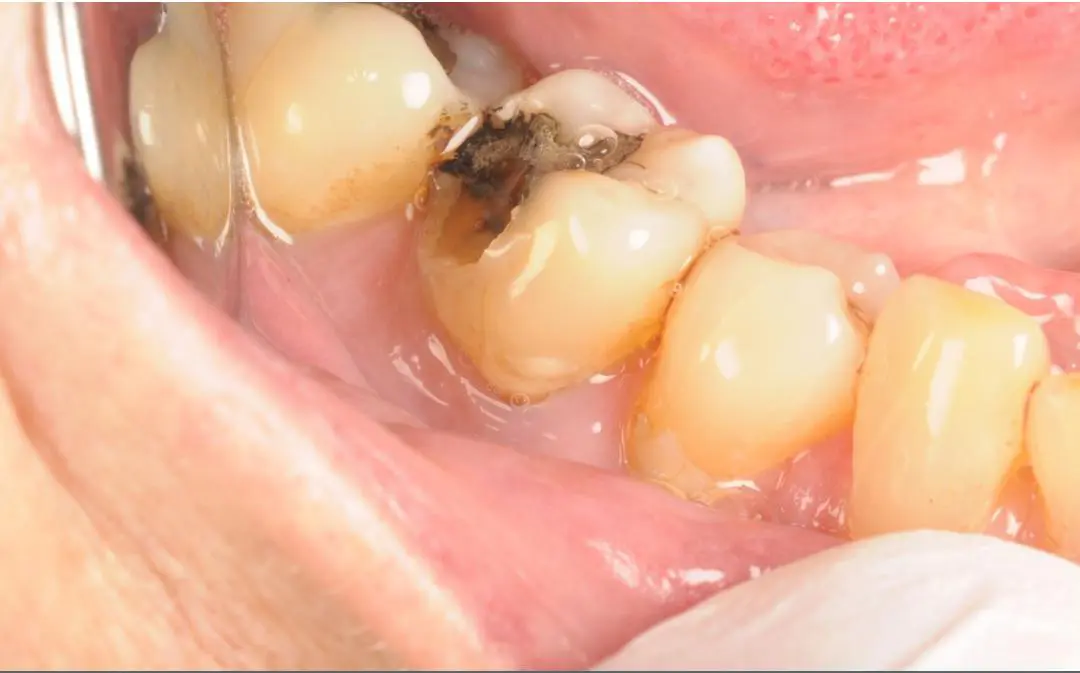
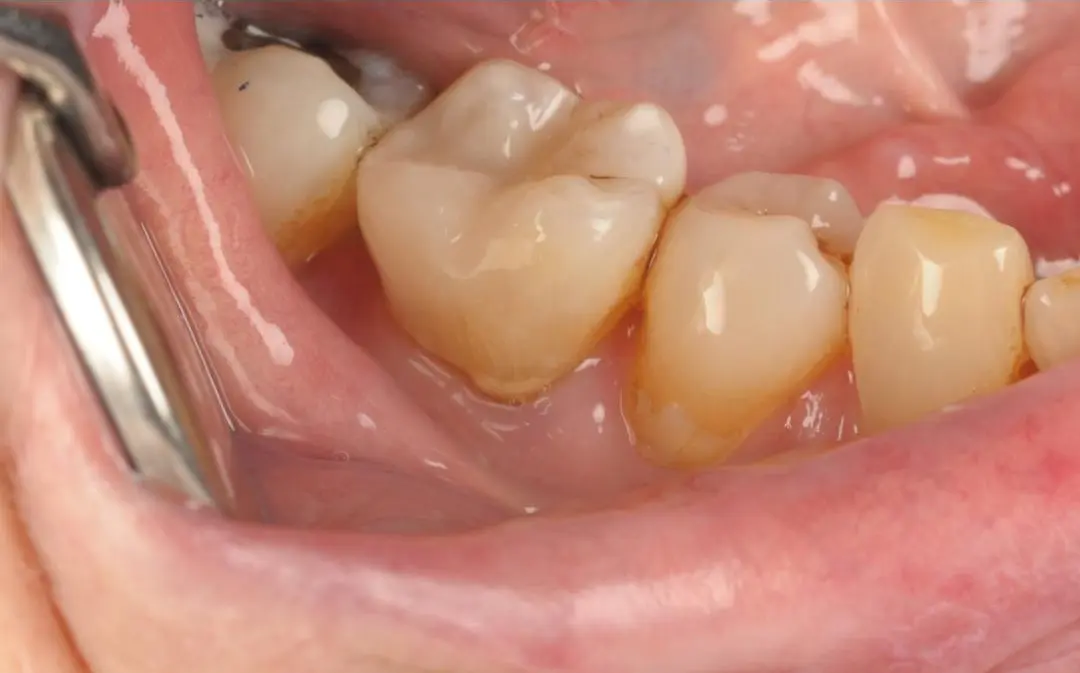
Real Patient Result: Emergency White Filling
Treatment by Dr Kamran
Recognising the Symptoms of a Root Tip Abscess
The symptoms associated with a periapical abscess can vary depending on the stage and severity of the infection. Being aware of these signs may help you recognise when professional dental assessment could be beneficial.
Persistent or throbbing toothache is often the most prominent symptom. The pain may be continuous or may intensify when chewing, biting, or applying pressure to the affected tooth. Some patients notice that the discomfort worsens when lying down, as changes in blood flow to the head can increase pressure at the site.
Sensitivity to temperature may also be present, particularly to hot foods and drinks. In some cases, the tooth may have previously been sensitive to cold but then stops responding to temperature altogether — this can indicate that the nerve inside the tooth is no longer vital.
Swelling in the gum, cheek, or jaw area near the affected tooth is another common sign. The swelling may be firm or soft and may develop gradually or appear quite suddenly.
A bad taste in the mouth can occur if the abscess begins to drain, either through the gum tissue or into the mouth. Some patients also notice an unpleasant odour.
General feelings of being unwell, including mild fever, fatigue, or swollen lymph nodes under the jaw or in the neck, may accompany a more advanced infection. If you are experiencing fever alongside dental pain, it may be a sign the infection is progressing. These systemic symptoms suggest that the body is working hard to contain the bacterial spread.
It is worth noting that not all abscesses produce severe pain. In some cases, a chronic abscess may develop slowly with relatively mild symptoms, which is one reason why regular dental examinations remain important for detecting problems that might otherwise go unnoticed.
The Clinical Process: What Happens Inside the Tooth
To understand a root tip abscess fully, it helps to know a little about tooth anatomy and how infection progresses from the inside out.
Each tooth consists of several layers. The outermost layer is enamel, the hardest substance in the human body, which protects the visible crown of the tooth. Beneath the enamel lies dentine, a slightly softer layer that contains microscopic tubules connecting to the nerve. At the centre of the tooth is the pulp, a soft tissue containing blood vessels, nerves, and connective tissue. The pulp extends from the crown down through narrow channels — the root canals — to the tip of each root.
When bacteria from a deep cavity or crack reach the pulp, they cause pulpitis — inflammation of the pulp tissue. Initially, this may be reversible, but if left untreated, the pulp tissue can die (a process called necrosis). Once the pulp is necrotic, bacteria can multiply freely within the root canal system without the body's usual blood-borne immune defences reaching them effectively.
The bacteria and their toxic by-products then exit through the apical foramen at the root tip and begin to infect the periapical tissues — the bone and ligament surrounding the root end. The body responds by sending immune cells to the area, and the resulting battle between bacteria and the immune system creates the abscess.
This process explains why the infection is often difficult for the body to resolve on its own. The dead pulp tissue within the root canal acts as a reservoir of bacteria that is largely shielded from the body's defences and from antibiotics circulating in the bloodstream. This is why professional dental treatment — rather than antibiotics alone — is typically necessary to address the source of infection.
How Dental Professionals May Approach Treatment
Treatment for an abscess at the root tip aims to eliminate the source of infection, relieve pressure, and preserve the tooth where clinically possible. The approach recommended will depend on factors assessed during a clinical examination, including the extent of the infection, the structural condition of the tooth, and the patient's overall oral health.
Drainage of the abscess may be the first step if significant swelling is present. This can provide rapid pressure relief and reduce discomfort. Drainage may be achieved through the tooth itself, through the gum tissue, or occasionally through a small incision if external swelling is present.
Root canal treatment is often the primary approach for managing a periapical abscess where the tooth can be saved. During root canal treatment, the infected or necrotic pulp tissue is carefully removed from the root canal system, the canals are cleaned and disinfected, and the space is sealed to prevent reinfection. This addresses the bacterial reservoir within the tooth and allows the bone around the root tip to heal over time.
Antibiotics may be prescribed in certain circumstances, particularly if the infection has spread beyond the immediate area of the tooth or if systemic symptoms are present. However, antibiotics alone cannot resolve a periapical abscess because they cannot effectively reach the bacteria harboured within the dead pulp tissue inside the tooth.
Extraction may be considered if the tooth is too severely damaged to be restored, if the infection is extensive, or if root canal treatment is not a suitable option. Following extraction, the dentist may discuss replacement options such as a dental implant, bridge, or denture at a later stage.
The most appropriate treatment pathway can only be determined following a thorough clinical examination, which typically includes dental radiographs (X-rays) to assess the extent of the infection and the condition of the surrounding bone.
When Professional Dental Assessment May Be Needed
Certain symptoms and situations suggest that seeking a dental assessment sooner rather than later may be a sensible course of action. While every patient's circumstances are different, the following signs may indicate that professional evaluation would be appropriate:
- Persistent toothache that lasts more than a day or two, particularly if it is throbbing or worsening over time
- Swelling in the gum, face, or jaw area, especially if it is increasing in size
- Difficulty opening your mouth, swallowing, or breathing — these symptoms should be assessed urgently
- Fever or feeling generally unwell alongside dental pain
- A raised or tender tooth that feels different when you bite down
- A pimple-like bump on the gum near a tooth, which may indicate a draining sinus tract
If you are experiencing a combination of these symptoms, it may be helpful to contact a dental practice that offers emergency dental appointments so that the situation can be assessed promptly. Early professional evaluation can help identify the cause of your symptoms and allow your dentist to discuss appropriate options with you.
It is important to remember that dental infections, while common, should not be ignored. In rare cases, untreated infections can spread to other areas of the head and neck, which may require more complex medical management.
Prevention and Oral Health Advice
While it is not always possible to prevent every dental infection, there are practical steps you can take to reduce your risk of developing an abscess at the root tip.
Maintain a consistent oral hygiene routine. Brushing twice daily with a fluoride toothpaste and cleaning between your teeth with interdental brushes or floss helps remove the bacterial plaque that causes tooth decay — the most common precursor to pulp infection and abscess formation.
Attend regular dental check-ups. Routine examinations allow your dentist to identify early signs of decay, cracks, or failing restorations before they progress to the point where the pulp becomes involved. Early intervention with a simple filling, for example, may prevent the need for more complex treatment later.
Address dental problems promptly. If you notice a cavity, a chipped tooth, or increasing sensitivity, arranging a dental examination sooner rather than later gives your dentist the best opportunity to manage the issue conservatively.
Reduce your intake of sugary foods and drinks. Bacteria in the mouth feed on sugars to produce acids that erode tooth enamel. Limiting sugar consumption, particularly between meals, supports the natural remineralisation process that helps keep enamel strong.
Wear a mouthguard during contact sports. Trauma to the teeth is a recognised cause of pulp damage, and a well-fitted mouthguard can significantly reduce the risk of dental injuries.
If you grind your teeth (bruxism), discuss this with your dentist. Chronic grinding can cause microfractures in teeth that may eventually allow bacteria to reach the pulp. Your dentist may recommend a protective night guard.
Key Points to Remember
- An abscess at the root tip occurs when bacterial infection from within a tooth spreads into the surrounding jawbone, creating a pocket of pus and mounting pressure.
- The rigid structure of the jawbone means that even a small amount of inflammatory fluid can cause significant discomfort and a sensation of pressure.
- Common symptoms include persistent throbbing pain, swelling, sensitivity, and sometimes systemic signs such as fever.
- Professional dental treatment is typically needed to address the source of infection; antibiotics alone are usually insufficient to resolve the problem.
- Regular dental check-ups and good oral hygiene are amongst the most effective ways to reduce the risk of dental abscesses.
- If you are experiencing symptoms that concern you, seeking timely professional dental advice is a sensible step.
Frequently Asked Questions
Can a dental abscess go away on its own without treatment?
A dental abscess at the root tip is unlikely to resolve without professional treatment. While symptoms may fluctuate — sometimes the pressure reduces temporarily if the abscess drains naturally through the gum — the underlying source of infection within the tooth remains. Without treatment to remove the infected pulp tissue and eliminate the bacteria, the infection is likely to persist or recur. In some cases, a chronic low-grade infection may continue for an extended period with minimal symptoms, but this does not mean the problem has resolved. Professional assessment is recommended to determine the most appropriate course of action.
How quickly should I seek dental advice for a suspected abscess?
If you are experiencing symptoms suggestive of a dental abscess — such as persistent throbbing pain, swelling, or fever — it is generally advisable to seek dental assessment as soon as reasonably possible. Dental infections can progress, and early evaluation allows your dentist to manage the situation before it becomes more complex. If you notice difficulty swallowing, difficulty breathing, or rapidly spreading swelling, these are signs that warrant urgent or emergency dental attention. Most dental practices can accommodate patients with acute symptoms, and many offer same-day emergency appointments.
Will antibiotics cure a root tip abscess?
Antibiotics play a supportive role in managing dental infections, particularly when there are signs of spreading infection or systemic involvement such as fever. However, antibiotics alone cannot cure a periapical abscess. The bacteria responsible for the infection are largely harboured within the dead pulp tissue inside the root canal system, where antibiotics delivered through the bloodstream cannot reach effectively. Definitive treatment typically involves either root canal therapy to remove the infected tissue or extraction of the tooth. Your dentist will assess whether antibiotics are indicated as part of your overall treatment plan.
Is root canal treatment painful?
Many patients understandably feel apprehensive about root canal treatment, but modern techniques and effective local anaesthesia mean that the procedure is generally well tolerated and should not be painful during the appointment. Most patients report that the discomfort they experienced from the abscess itself was far greater than any sensation during the treatment. Some mild tenderness around the tooth may be present for a few days afterwards, which can usually be managed with over-the-counter pain relief. Your dentist will discuss what to expect and ensure you are comfortable throughout the procedure.
Can a dental abscess affect my general health?
In most cases, a dental abscess remains localised to the area around the affected tooth and is managed effectively with appropriate dental treatment. However, in uncommon situations, a dental infection can spread to adjacent tissues in the head and neck, which may require more urgent medical intervention. People with certain underlying health conditions may be at greater risk of complications from untreated dental infections. This is one of the reasons why seeking timely professional advice for dental symptoms is generally recommended. Your dentist can assess the situation and advise on the most suitable approach for your individual circumstances.
How can I manage the pain while waiting for my dental appointment?
If you are waiting for a dental appointment, over-the-counter pain relief such as paracetamol or ibuprofen (taken according to the manufacturer's instructions and provided you have no contraindications) may help manage discomfort. Rinsing gently with warm salt water can also provide some temporary relief. Avoid placing aspirin directly on the gum, as this can cause tissue burns. Try to avoid very hot or very cold foods and drinks if the tooth is sensitive, and chew on the opposite side of the mouth. These measures may help you manage symptoms in the short term, but they are not a substitute for professional dental assessment and treatment.
Conclusion
An abscess at the root tip is a common yet important dental condition that occurs when bacterial infection travels from within a tooth into the surrounding jawbone. The pressure that builds inside the bone — due to the accumulation of pus in a rigid, confined space — can cause significant pain and discomfort that understandably prompts many patients to seek information and professional help.
Understanding the causes, recognising the symptoms, and knowing that effective treatment options are available can help you feel more informed and less anxious about the situation. Whether the appropriate approach involves root canal treatment, drainage, or extraction, the goal is always to address the source of infection and support the healing of the surrounding tissues.
Good oral hygiene, regular dental check-ups, and prompt attention to early signs of dental problems remain the most practical ways to reduce your risk of developing a dental abscess. If you are currently experiencing symptoms or have concerns about your oral health, seeking professional dental advice is a positive and important step.
Dental symptoms and treatment options should always be assessed individually during a clinical examination.
Disclaimer
This article is for general educational purposes only and does not constitute professional dental advice, diagnosis, or treatment. Every patient's circumstances are unique; dental symptoms and treatment options should always be assessed during a clinical examination by a qualified dental professional. No specific outcomes are guaranteed. This content has been prepared in line with GDC, CQC, ASA CAP Code, and GMC communication standards. If you have concerns about your oral health, please contact a registered dentist.