
Many people in London face dental emergencies or notice damage to their teeth and wonder whether a temporary fix might suffice or if professional intervention is truly necessary. The temptation to delay treatment or attempt home remedies is understandable, particularly when dental issues arise unexpectedly. However, understanding when professional dental replacement becomes essential can prevent more serious complications and protect your long-term oral health.
Dental damage can range from minor chips and cracks to more substantial structural problems requiring immediate attention. Whilst some issues may seem manageable initially, the limitations of home repair kits become apparent when considering the complexity of dental anatomy and the precision required for lasting solutions. This article explores the circumstances where professional dental replacement is recommended, helping you recognise when temporary measures are insufficient and professional intervention becomes necessary for maintaining optimal oral health and preventing further complications.
When is Professional Dental Replacement Necessary?
Professional dental replacement is recommended when structural damage to teeth cannot be adequately restored through conservative treatment methods, when infection has compromised tooth viability, or when home repairs pose risks to oral health.
Experiencing these symptoms?
Delaying treatment can lead to tooth loss. We have slots available today.
Common Scenarios Requiring Professional Assessment
Structural Tooth Damage
Teeth can suffer various forms of structural damage that extend beyond what simple repairs can address. Large fractures, extensive decay, or trauma-related damage often compromise the tooth's integrity to a degree where replacement becomes the most viable option. Unlike superficial chips or minor wear, significant structural damage — including situations covered in our guide on broken crown emergencies — affects the tooth's ability to function properly and may create ongoing discomfort.
When a tooth experiences substantial loss of structure, whether from decay, trauma, or extensive wear, the remaining tooth material may not provide sufficient foundation for a filling or crown. In such cases, emergency dental treatment may be required to prevent further complications and restore function effectively.
The extent of damage is a crucial factor in determining treatment options. Professional assessment can identify whether enough healthy tooth structure remains to support restoration or if extraction and replacement offer better long-term outcomes for oral health.
Meet Dr. Yasha Shirazi
Principal Dentist at Emergency Dentist London
"We treat hundreds of dental emergencies every month. The sooner you come in, the easier the fix usually is."
Book an appointment with our team →Infection and Root Complications
Dental infections present serious health concerns that extend well beyond temporary discomfort. When bacteria penetrate deep into the tooth structure, reaching the pulp or root system, the infection can spread to surrounding tissues and potentially enter the bloodstream. Root canal treatment may sometimes resolve these issues, but in advanced cases, tooth replacement becomes necessary to eliminate the source of infection completely.
Chronic infections can cause significant damage to the surrounding bone and tissues, making preservation of the affected tooth increasingly difficult. Professional evaluation helps determine whether the infection can be successfully treated while preserving the tooth or if extraction and replacement provide the safest resolution.
Signs of serious dental infection include persistent pain, swelling, fever, and sensitivity to temperature changes. These symptoms indicate that the damage may have progressed beyond what conservative treatments can effectively address.
Understanding Dental Anatomy and Treatment Limitations
The Complexity of Tooth Structure
Teeth consist of multiple layers, each serving specific functions in maintaining oral health and functionality. The outer enamel provides protection, whilst the underlying dentin and pulp contain nerves and blood vessels essential for tooth vitality. When damage penetrates through these layers, simple repairs may not restore the tooth's natural function and protection.
Understanding this complexity helps explain why some dental issues require comprehensive treatment rather than temporary fixes. The precise fit and biocompatibility required for successful dental restoration demand professional expertise and specialised materials not available for home use.
The interconnected nature of oral structures means that problems with one tooth can affect neighbouring teeth and supporting tissues. Professional replacement considers these broader implications, ensuring that treatment supports overall oral health rather than addressing isolated symptoms.
Materials and Precision Requirements
Modern dental replacements utilise advanced materials designed to withstand the significant forces generated during chewing and speaking. These materials must integrate properly with surrounding tissues while providing durability that home remedies simply cannot match. The precision required for proper fit and function necessitates professional expertise and specialised equipment.
Temporary fixes may provide short-term relief but often lack the strength and stability needed for long-term function. Professional replacement ensures that the restoration can withstand daily use whilst maintaining proper oral hygiene and preventing further complications.
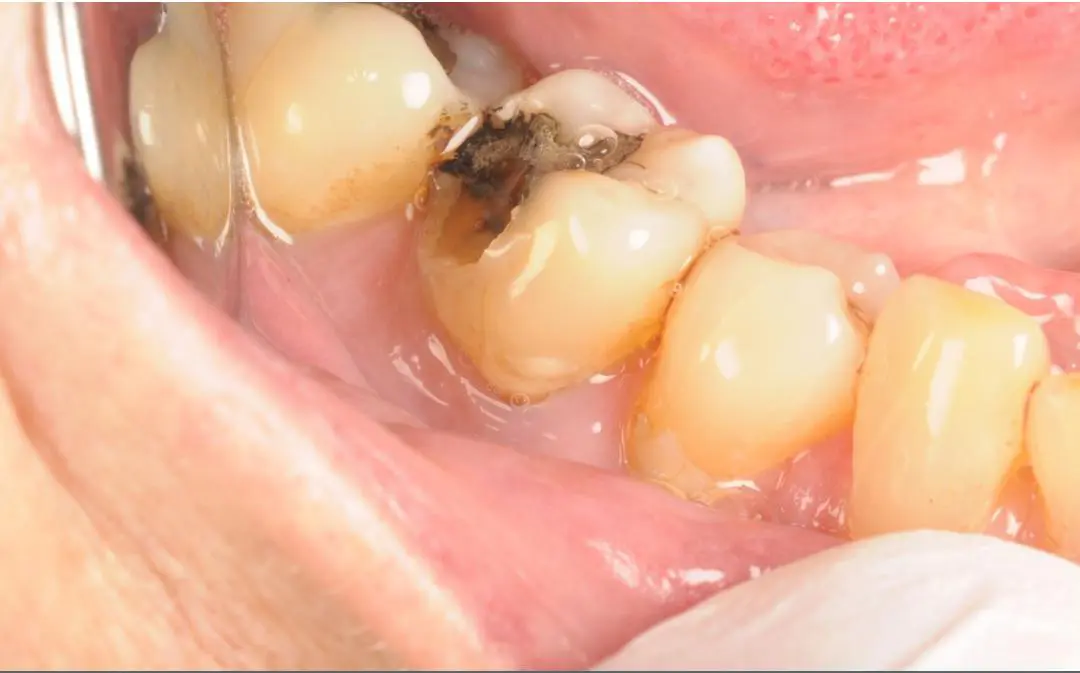
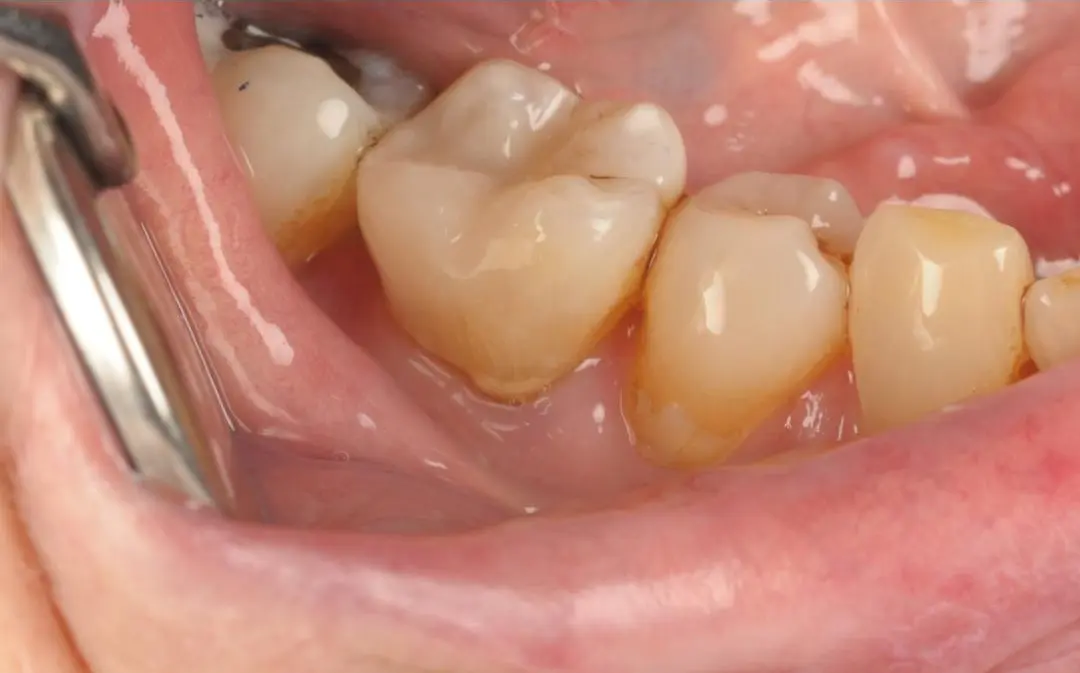
Real Patient Result: Emergency White Filling
Treatment by Dr Kamran
Signs That Professional Intervention May Be Needed
Certain symptoms indicate that dental problems have progressed beyond what conservative treatments can effectively address. Persistent pain that doesn't respond to over-the-counter pain relief suggests underlying issues that require professional evaluation. Similarly, swelling in the face or gums, difficulty chewing, or noticeable changes in bite alignment warrant prompt dental assessment.
Temperature sensitivity that worsens over time, particularly sharp pain when consuming hot or cold items, may indicate nerve damage or extensive decay. Bad breath or unusual tastes that persist despite good oral hygiene can signal infection requiring professional treatment.
Visible damage such as large cracks, significant discolouration, or loose teeth should be evaluated promptly. Early professional intervention often provides more treatment options and better long-term outcomes than delayed care.
Prevention and Protective Measures
Daily Oral Care Practices
Maintaining excellent oral hygiene forms the foundation of preventing dental problems that might eventually require replacement. Regular brushing with fluoride toothpaste, daily flossing, and using antimicrobial mouthwash help remove bacteria and food particles that contribute to decay and gum disease.
Proper brushing technique involves gentle circular motions and adequate time to clean all tooth surfaces thoroughly. Flossing removes debris from areas that toothbrushes cannot reach effectively, whilst mouthwash provides additional protection against harmful bacteria.
Dietary choices significantly impact dental health, with frequent consumption of sugary or acidic foods and drinks increasing the risk of decay and erosion. Limiting these items and drinking plenty of water helps maintain a healthy oral environment.
Regular Professional Care
Routine dental examinations enable early detection of problems before they progress to stages requiring more extensive treatment. Professional cleanings remove hardened plaque and tartar that regular brushing cannot eliminate, whilst examinations identify developing issues that may benefit from prompt intervention.
Dental checkups provide opportunities to assess overall oral health and discuss any concerns about existing dental work or new symptoms. Early detection often allows for more conservative treatments that preserve natural tooth structure.
Professional fluoride treatments and other preventive measures can strengthen teeth against decay and erosion, reducing the likelihood of damage that might eventually require replacement.
Key Points to Remember
• Professional dental replacement becomes necessary when structural damage exceeds what conservative treatments can effectively address
• Dental infections and root complications may require extraction and replacement to prevent serious health consequences
• The complexity of tooth structure and precision requirements make professional expertise essential for lasting solutions
• Early recognition of serious symptoms and prompt professional evaluation often provide better treatment outcomes
• Preventive care including excellent daily hygiene and regular professional examinations helps avoid problems requiring extensive treatment
• Home remedies and temporary fixes cannot replace the precision and durability of professional dental restoration
Frequently Asked Questions
How can I tell if my dental problem requires professional replacement rather than a simple repair?
Signs indicating potential need for replacement include severe pain, extensive structural damage, infection symptoms, or situations where previous repairs have repeatedly failed. Professional examination provides accurate assessment of treatment options based on the extent of damage and overall oral health considerations.
Are there risks associated with delaying treatment when replacement is recommended?
Delaying necessary dental replacement can lead to infection spread, damage to surrounding teeth and tissues, increased pain, and more complex treatment requirements. Early intervention generally provides better outcomes and may preserve more natural tooth structure.
How long do professional dental replacements typically last?
The longevity of dental replacements varies depending on the type of restoration, oral hygiene practices, dietary habits, and individual factors. Dental implants and crowns can last many years with proper care, whilst bridges and dentures may require periodic adjustment or replacement.
What happens during the replacement process?
The replacement process typically involves initial assessment, treatment planning, preparation of the affected area, and placement of the restoration. Multiple appointments may be required depending on the complexity of treatment and healing time needed between procedures.
How can I maintain my oral health after receiving a dental replacement?
Maintaining excellent oral hygiene, attending regular dental checkups, avoiding excessive force on restorations, and following professional care recommendations help ensure the longevity of dental replacements. Specific care instructions may vary depending on the type of restoration.
Will I experience discomfort during or after the replacement procedure?
Modern dental techniques and anaesthetics minimise discomfort during replacement procedures. Some mild sensitivity or soreness may occur during healing, but this typically resolves within a few days. Professional guidance helps manage any post-treatment discomfort effectively.
Conclusion
Understanding when professional dental replacement becomes necessary helps protect your oral health and prevents minor problems from developing into more serious complications. Whilst the desire to postpone treatment or attempt temporary fixes is natural, recognising the limitations of home repairs ensures you receive appropriate care when needed. Professional dental replacement addresses structural damage, infection, and other issues that conservative treatments cannot adequately resolve, providing lasting solutions that support overall oral health.
The complexity of dental anatomy and the precision required for successful restoration make professional expertise essential for achieving optimal outcomes. Early recognition of symptoms requiring professional intervention, combined with excellent preventive care, helps maintain oral health and may reduce the need for extensive treatment. Dental symptoms and treatment options should always be assessed individually during a clinical examination.
Disclaimer
This article is provided for educational purposes only and does not constitute professional dental or medical advice. Individual dental symptoms and treatment options vary between patients and should always be assessed by a GDC-registered dental practitioner. This content should not be used to self-diagnose conditions or delay seeking professional care. No guarantees are made regarding treatment outcomes. If you are experiencing dental symptoms, seek prompt professional evaluation.