
Few things are quite as alarming as biting into your meal and suddenly feeling a piece of tooth come loose. A broken tooth while eating is one of the most common reasons adults across London search for urgent dental advice online — and understandably so. The experience can be confusing, uncomfortable, and stressful, particularly if you are unsure whether it requires immediate attention.
A tooth can break for a number of reasons, and it does not always involve hard or crunchy foods. Underlying structural weaknesses, previous dental work, or gradual wear over time can all contribute. Understanding why teeth break, what steps to take immediately afterwards, and when to seek a professional dental assessment can make a significant difference to the outcome.
This article explains the common causes behind a tooth breaking during eating, the clinical reasons teeth may become vulnerable, practical steps you can take at home in the short term, and the situations where professional dental care may be appropriate. Whether you have experienced a small chip or a more significant fracture, this guide aims to provide clear, reassuring information to help you make informed decisions about your dental health.
Experiencing these symptoms?
Delaying treatment can lead to tooth loss. We have slots available today.
What Should You Do If Your Tooth Breaks While Eating?
If your tooth breaks while eating, stay calm and avoid chewing on the affected side. Gently rinse your mouth with lukewarm water and save any tooth fragments. Avoid very hot, cold, or sugary foods and drinks. A broken tooth while eating should be assessed by a dentist as soon as possible, as treatment options depend on the type and extent of the fracture following a clinical examination.
Common Causes of a Broken Tooth While Eating
A tooth breaking during a meal can feel sudden and unexpected, but in many cases, the tooth may have already been weakened over time. Understanding the common causes can help you recognise potential risk factors.
Tooth decay is one of the most frequent underlying causes. When decay gradually erodes the internal structure of a tooth, it can significantly compromise its strength, even if the outer surface still appears intact. A tooth weakened by decay may fracture under normal biting pressure.
Meet Dr. Yasha Shirazi
Principal Dentist at Emergency Dentist London
"We treat hundreds of dental emergencies every month. The sooner you come in, the easier the fix usually is."
Book an appointment with our team →Previous dental restorations such as large fillings can also leave a tooth more susceptible to fracture. Over the years, fillings may deteriorate, and the remaining tooth structure around them may become thinner and more fragile.
Teeth grinding (bruxism) places repeated excessive force on teeth, which can lead to micro-cracks that eventually develop into more significant fractures. Many people grind their teeth during sleep without realising it.
Other contributing factors include biting unexpectedly on a hard object — such as an olive stone, popcorn kernel, or ice — as well as age-related wear, acidic dietary habits that erode enamel, and previous trauma to the tooth. In some cases, a combination of factors works together over time, meaning the tooth was already vulnerable before the fracture occurred.
Understanding Why Teeth Break: The Clinical Explanation
To understand why teeth fracture, it helps to know a little about tooth structure. Each tooth is made up of several layers, each playing a distinct role in maintaining strength and function.
The outermost layer, enamel, is the hardest substance in the human body. It provides a protective shell over the visible part of the tooth (the crown). Beneath the enamel lies dentine, a slightly softer and more flexible layer that forms the bulk of the tooth. At the centre is the pulp, which contains the nerve and blood supply.
When enamel is intact and well-supported by healthy dentine, teeth are remarkably strong — capable of withstanding significant biting forces day after day. However, when decay, cracks, or erosion compromise either the enamel or the underlying dentine, the tooth's structural integrity is reduced.
A tooth with a large cavity, for instance, is essentially hollow in places. The remaining enamel shell may look normal from the outside but lacks the internal support needed to resist force during chewing. Similarly, acid erosion from dietary sources or conditions such as acid reflux can thin the enamel over time, leaving the dentine exposed and the tooth more prone to damage.
Fractures can range from minor enamel chips to deeper cracks that extend into the dentine or even the pulp. The depth and direction of the fracture significantly influence the type of treatment that may be appropriate, which is why a thorough clinical assessment is always recommended.
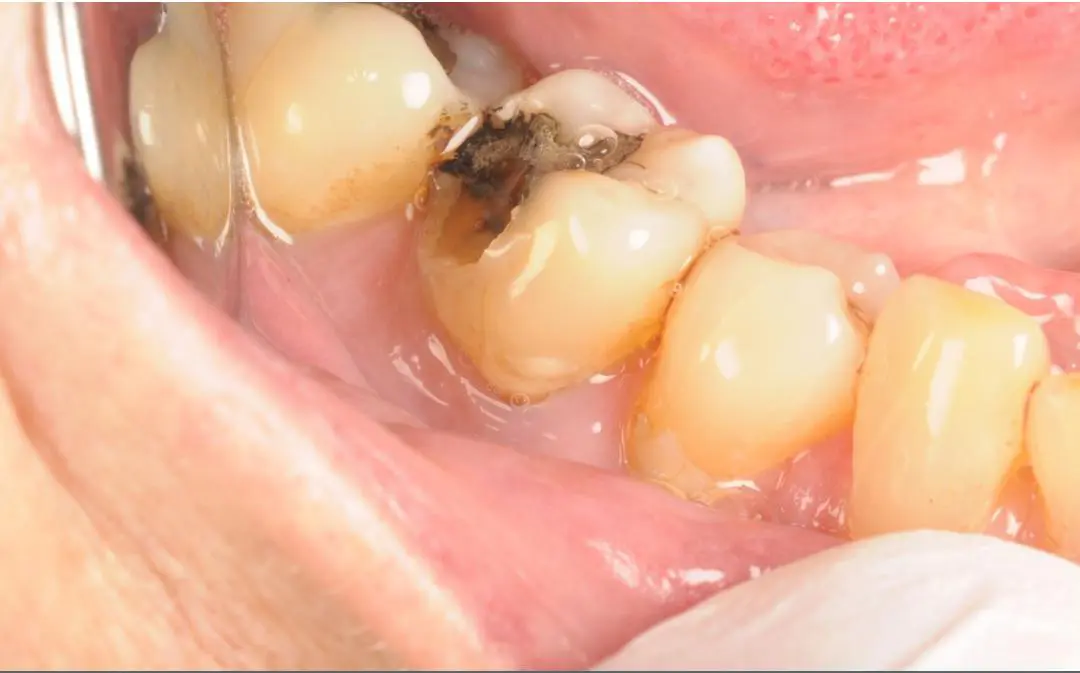
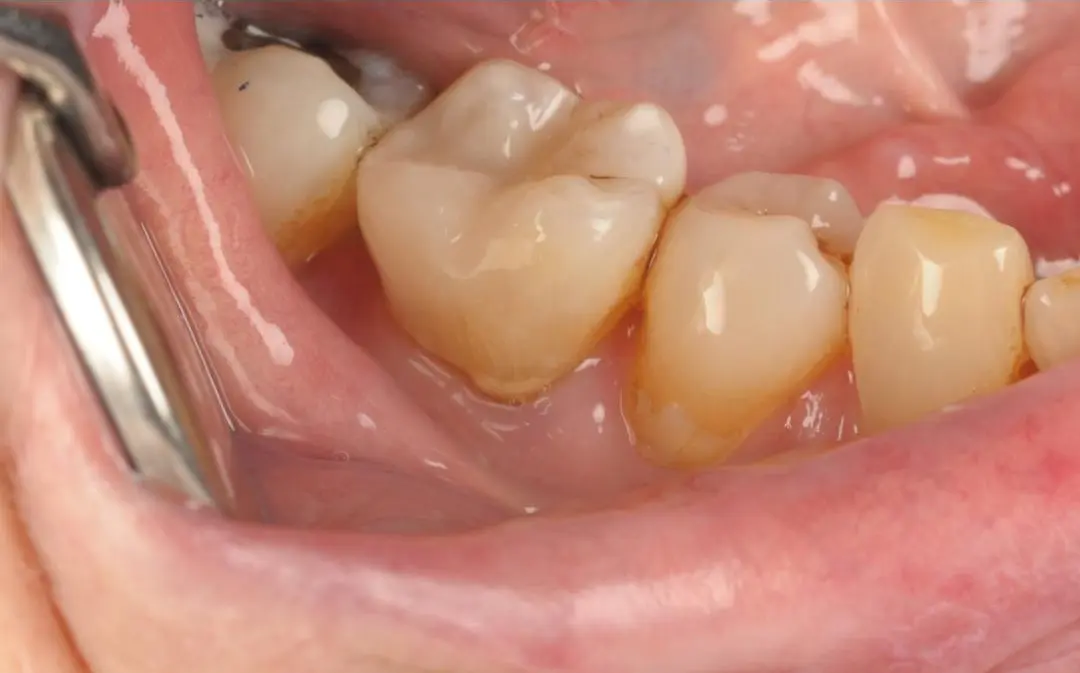
Real Patient Result: Emergency White Filling
Treatment by Dr Kamran
Immediate Steps to Take After Breaking a Tooth
If your tooth breaks while eating, there are several practical steps you can take before seeing a dentist.
Stay calm. While a broken tooth can be distressing, most fractures can be effectively managed with appropriate dental care.
Rinse your mouth gently with lukewarm water. This helps clean the area and removes any small fragments that may be loose in your mouth. Avoid vigorous swishing, as this may irritate the area further.
Save any tooth fragments if possible. Place them in a clean container with a small amount of milk or saliva. In some cases, fragments may be useful during treatment.
Avoid chewing on the affected side. Stick to soft foods and try not to place any biting pressure on the broken tooth.
Manage discomfort if needed. Over-the-counter pain relief such as paracetamol or ibuprofen (following the packet instructions) may help manage any discomfort temporarily. Avoid placing aspirin directly on the gum, as this can cause tissue irritation.
Avoid temperature extremes. Very hot or very cold food and drinks may cause sensitivity if the inner layers of the tooth are exposed.
If a sharp edge is irritating your tongue or cheek, a small piece of sugar-free chewing gum or dental wax placed over the edge may provide temporary relief until you can see a dentist.
Types of Tooth Fractures and What They May Mean
Not all broken teeth are the same. The type and severity of a fracture can vary considerably, and each may require a different approach to treatment.
Minor enamel chips are small fractures affecting only the outer surface of the tooth. These are often painless and may only cause cosmetic concern or slight roughness. However, even minor chips should be assessed to ensure no deeper damage has occurred.
Cracked teeth involve a fracture line that extends from the chewing surface downwards towards the root. Cracks can vary in depth and may cause intermittent pain when biting or sensitivity to temperature changes. Early assessment is important, as untreated cracks may progress over time.
Cusp fractures occur when a pointed part of the chewing surface breaks off. This often happens around large fillings where the surrounding tooth structure has become thin. Depending on the extent, the tooth may be restored with a new filling or a dental crown.
More significant fractures that extend below the gum line or into the root of the tooth may present greater clinical challenges. In some cases, the tooth may still be restorable, while in others, extraction and replacement may need to be considered.
Split teeth, where the fracture divides the tooth into separate segments, are among the most severe types and often require extraction.
The specific treatment approach will always depend on a detailed clinical examination, which may include dental X-rays to assess the full extent of the damage.
When Professional Dental Assessment May Be Needed
While a very minor chip may not always feel urgent, there are a number of situations where seeking a dental assessment promptly is advisable.
Persistent or worsening pain following a break may suggest that the fracture has reached the deeper layers of the tooth, potentially affecting the nerve. Early assessment can help determine whether protective treatment is needed.
Sensitivity to hot or cold that lingers after the stimulus is removed may indicate dentine or pulp exposure, which benefits from professional evaluation.
Visible damage or a large piece of tooth missing should be assessed to understand the extent of the fracture and discuss appropriate options for restoration.
Swelling of the gum around the broken tooth may suggest an associated infection, particularly if the tooth was already affected by decay. Dental infections should always be assessed promptly to ensure appropriate care.
Bleeding from the broken tooth or surrounding gum that does not settle with gentle pressure is another reason to seek timely advice.
A sharp or jagged edge causing trauma to the tongue, cheek, or lip should also be addressed to prevent soft tissue injury.
If you are experiencing any of these symptoms, contacting an emergency dentist can help you receive a timely assessment and appropriate guidance.
Please note: Appointment fees and treatment costs may vary. A full treatment plan with associated costs will be provided following an individual consultation and clinical assessment.
Treatment Approaches for a Broken Tooth
The treatment for a broken tooth depends entirely on the type, location, and severity of the fracture, as well as the overall health of the tooth and surrounding structures. A dentist will assess these factors during a clinical examination before recommending any course of action.
Dental bonding may be suitable for minor chips. This involves applying a tooth-coloured composite resin to the damaged area, reshaping it to restore the tooth's appearance and function. It is a relatively straightforward procedure and is often completed in a single appointment.
Dental fillings or onlays may be recommended when a moderate amount of tooth structure has been lost, particularly if the fracture occurred around an existing filling.
Dental crowns are commonly used when a significant portion of the tooth is damaged but the root remains healthy. A crown covers the entire visible portion of the tooth, providing both protection and restoration of function.
Root canal treatment may be necessary if the fracture has extended into the pulp of the tooth, causing nerve damage or infection. This treatment involves removing the affected pulp tissue, cleaning the canals, and sealing the tooth, which is then usually protected with a crown.
In cases where the tooth cannot be saved, extraction may be recommended. Replacement options such as dental implants, bridges, or dentures can then be discussed to restore function and appearance.
It is important to understand that treatment suitability depends on individual clinical assessment, and your dentist will explain the options available to you based on your specific situation.
Prevention and Oral Health Advice
While it is not always possible to prevent a tooth from breaking, there are several practical steps that may help reduce the risk and support long-term dental health.
Attend regular dental check-ups. Routine examinations allow your dentist to identify early signs of decay, weakened fillings, or cracks before they progress to the point of fracture. Early intervention is often simpler and less invasive.
Maintain a thorough oral hygiene routine. Brushing twice daily with a fluoride toothpaste and cleaning between your teeth with interdental brushes or floss helps prevent decay, which is one of the leading causes of weakened teeth.
Be mindful when eating hard foods. While you do not need to avoid all hard foods, being cautious with items such as ice, boiled sweets, popcorn kernels, and hard nutshells can reduce the risk of unexpected fractures.
Address teeth grinding. If you suspect you grind or clench your teeth — common signs include jaw stiffness, headaches, or worn tooth surfaces — speak to your dentist. A custom-made mouthguard worn at night may help protect your teeth from excessive force.
Limit acidic foods and drinks. Frequent consumption of acidic items such as citrus fruits, fizzy drinks, and wine can erode enamel over time. Using a straw for acidic beverages and waiting at least 30 minutes before brushing after consuming acidic foods can help.
Replace old or deteriorating fillings when recommended by your dentist, as ageing restorations may no longer provide adequate support to the surrounding tooth structure.
Key Points to Remember
- A broken tooth while eating is a common dental concern and can often be effectively managed with appropriate professional care.
- Teeth may fracture due to underlying decay, old restorations, grinding habits, or gradual enamel wear — not solely from biting something hard.
- After breaking a tooth, rinse gently with lukewarm water, save any fragments, and avoid chewing on the affected side.
- Treatment options range from simple bonding and fillings to crowns or root canal treatment, depending on the severity of the fracture.
- Persistent pain, sensitivity, swelling, or visible damage should prompt a timely dental assessment.
- Regular check-ups, good oral hygiene, and awareness of dietary habits can all help reduce the risk of tooth fractures over time.
Frequently Asked Questions
Can a broken tooth heal on its own?
Unlike bone, tooth enamel and dentine cannot regenerate or heal themselves once fractured. A broken tooth will not repair naturally and may be at risk of further damage, decay, or infection if left unaddressed. Even a small chip can develop into a larger problem over time if the exposed surfaces are not protected. It is advisable to have any broken tooth assessed by a dentist, who can determine the extent of the damage and discuss whether treatment is needed. Early assessment often means simpler and more conservative treatment options may be available.
Is a broken tooth always a dental emergency?
Not every broken tooth requires same-day emergency treatment, but it is generally advisable to seek a dental assessment as soon as reasonably possible. A minor chip with no pain or sensitivity may be less urgent than a fracture causing significant pain, swelling, or bleeding. However, even painless fractures can leave the tooth vulnerable to further damage or infection, so it is best not to delay assessment for too long. If you are unsure about the severity, contacting your dental practice for advice can help you determine the appropriate timeframe for an appointment.
Will I be in pain if my tooth breaks?
Pain levels vary considerably depending on the type and depth of the fracture. A superficial enamel chip may cause no pain at all, while a deeper fracture that exposes the dentine or pulp can cause noticeable sensitivity or discomfort. Some people experience sharp pain when biting or when the tooth is exposed to hot, cold, or sweet stimuli. If the nerve is affected, the pain may be more persistent. Over-the-counter pain relief may help manage temporary discomfort, but ongoing or worsening pain should be assessed by a dentist to determine the cause and appropriate care.
Can I eat normally after breaking a tooth?
It is generally best to avoid chewing on the side of the broken tooth until it has been assessed and treated. Stick to softer foods and avoid anything very hot, cold, or sugary, as exposed tooth surfaces may be sensitive. Hard or crunchy foods should be avoided to prevent further damage to the weakened tooth. Once your dentist has assessed the fracture and provided appropriate treatment — whether a filling, crown, or another restoration — they will advise you on when you can return to your normal eating habits. Each situation is different, so following your dentist's specific guidance is important.
How can I prevent my teeth from breaking in the future?
While tooth fractures cannot always be prevented, several habits may help reduce the risk. Attending regular dental check-ups allows early identification of decay, cracks, or weakened restorations. Maintaining a consistent oral hygiene routine helps keep teeth strong and free from decay. If you grind your teeth, a custom mouthguard may help protect them from excessive force. Being cautious with very hard foods and limiting acidic food and drink consumption can also support enamel health. Your dentist can provide personalised advice based on your individual oral health needs during a routine examination.
Should I go to A&E for a broken tooth?
Hospital Accident and Emergency departments are generally not equipped to provide dental treatment for a broken tooth. A&E may be appropriate if you have experienced significant facial trauma, uncontrolled bleeding, or swelling that is affecting your breathing or ability to swallow. For a broken tooth without these complications, contacting a dental practice — particularly one offering emergency appointments — is usually the most appropriate course of action. Many dental practices in London offer same-day or urgent appointments for dental emergencies, allowing you to receive a clinical assessment and treatment in a suitable dental setting.
Conclusion
A broken tooth while eating can be an unsettling experience, but understanding the common causes, knowing the immediate steps to take, and recognising when professional assessment is needed can help you manage the situation with confidence. Whether the fracture is a minor chip or a more significant break, a range of effective treatment options may be available depending on the clinical findings.
Maintaining good oral hygiene, attending regular dental check-ups, and being mindful of habits that may place excessive stress on your teeth are all practical ways to support your long-term dental health and reduce the likelihood of unexpected fractures.
If you have broken a tooth or are experiencing any dental discomfort, seeking a professional dental assessment is the most reliable way to understand your options and receive appropriate care.
This article is intended for general informational purposes only and does not constitute clinical advice. Treatment suitability depends on individual clinical assessment. If you are experiencing dental symptoms, please consult a qualified dental professional for personalised guidance.
Disclaimer
This article is for general educational purposes only and does not constitute professional dental advice, diagnosis, or treatment. Every patient's circumstances are unique; dental symptoms and treatment options should always be assessed during a clinical examination by a qualified dental professional. No specific outcomes are guaranteed. This content has been prepared in line with GDC, CQC, ASA CAP Code, and GMC communication standards. If you have concerns about your oral health, please contact a registered dentist.