
Noticing a swollen gum with pus can be an unsettling experience. It is one of the most commonly searched dental symptoms online, and understandably so — the combination of swelling, discomfort, and visible discharge naturally raises concern about what may be happening inside the mouth. Many patients turn to the internet looking for reassurance, explanations, and guidance on what steps to take next.
A swollen gum with pus is often associated with a dental abscess, a localised collection of pus that develops as a result of bacterial infection. This condition can affect the gum tissue surrounding a tooth or the structures deeper within the tooth itself. Without appropriate professional assessment, the underlying infection may persist or progress, potentially affecting neighbouring teeth and surrounding tissues.
This article provides an educational overview of what causes a dental abscess, the symptoms to be aware of, how the condition is typically managed by dental professionals, and practical advice for maintaining good oral health. Understanding the nature of the problem can help patients feel more informed and better prepared when seeking professional dental care. If you are currently experiencing symptoms such as swelling, pain, or discharge from the gums, it is advisable to arrange a dental assessment promptly.
Experiencing these symptoms?
Delaying treatment can lead to tooth loss. We have slots available today.
What Is a Dental Abscess?
A dental abscess is a collection of pus that forms within the teeth, gums, or surrounding bone as a result of bacterial infection. A swollen gum with pus typically indicates that infection is present and the body's immune response has produced a pocket of pus. Treatment usually involves professional drainage, infection management, and addressing the underlying dental cause. Individual assessment by a dentist is necessary to determine the most appropriate course of action.
What Causes a Swollen Gum With Pus?
A swollen gum with pus develops when bacteria penetrate the inner structures of a tooth or the surrounding gum tissue, triggering an infection. There are several common pathways through which this can occur.
Tooth decay is one of the most frequent causes. When a cavity progresses through the outer enamel and the underlying dentine layer, bacteria can eventually reach the soft pulp tissue inside the tooth. Once the pulp becomes infected, the infection may spread through the root canal system and exit at the tip of the root, forming an abscess in the surrounding bone and gum tissue.
Meet Dr. Yasha Shirazi
Principal Dentist at Emergency Dentist London
"We treat hundreds of dental emergencies every month. The sooner you come in, the easier the fix usually is."
Book an appointment with our team →Gum disease (periodontal disease) is another significant contributor. When plaque and tartar accumulate along and beneath the gum line, they create an environment where harmful bacteria thrive. Over time, this can lead to the formation of periodontal pockets — deepened spaces between the tooth and gum — where pus may collect.
Other potential causes include cracked or fractured teeth, which provide a direct route for bacteria to enter the tooth's inner structures, and failed or deteriorating dental restorations, which may allow bacteria to re-enter a previously treated tooth. In some cases, food debris becoming trapped beneath the gum line can also contribute to localised infection.
Understanding the cause is essential because treatment approaches vary depending on the origin of the abscess.
Types of Dental Abscess
Not all dental abscesses are the same. Dental professionals generally classify them into three main types, each originating from a different location within the oral structures.
Periapical Abscess
This is the most common type. A periapical abscess forms at the tip (apex) of the tooth root. It typically develops when bacteria invade the dental pulp through deep decay, a crack, or trauma to the tooth. The infection travels down the root canal and exits into the bone surrounding the root tip, where a pocket of pus accumulates. Patients may notice a persistent, throbbing ache that seems to radiate from deep within the tooth.
Periodontal Abscess
A periodontal abscess originates in the gum tissue rather than inside the tooth. It is commonly associated with existing gum disease, where bacteria become trapped within a periodontal pocket. This type of abscess often presents as a distinct, tender swelling on the gum adjacent to a tooth. It may also occur when food debris or a foreign object becomes lodged beneath the gum line.
Gingival Abscess
A gingival abscess is a more superficial infection confined to the gum tissue itself, without involving the tooth's root or the deeper periodontal structures. It may result from localised trauma to the gum, such as injury from a sharp piece of food or vigorous brushing.
Each type requires professional evaluation to determine the appropriate management approach.
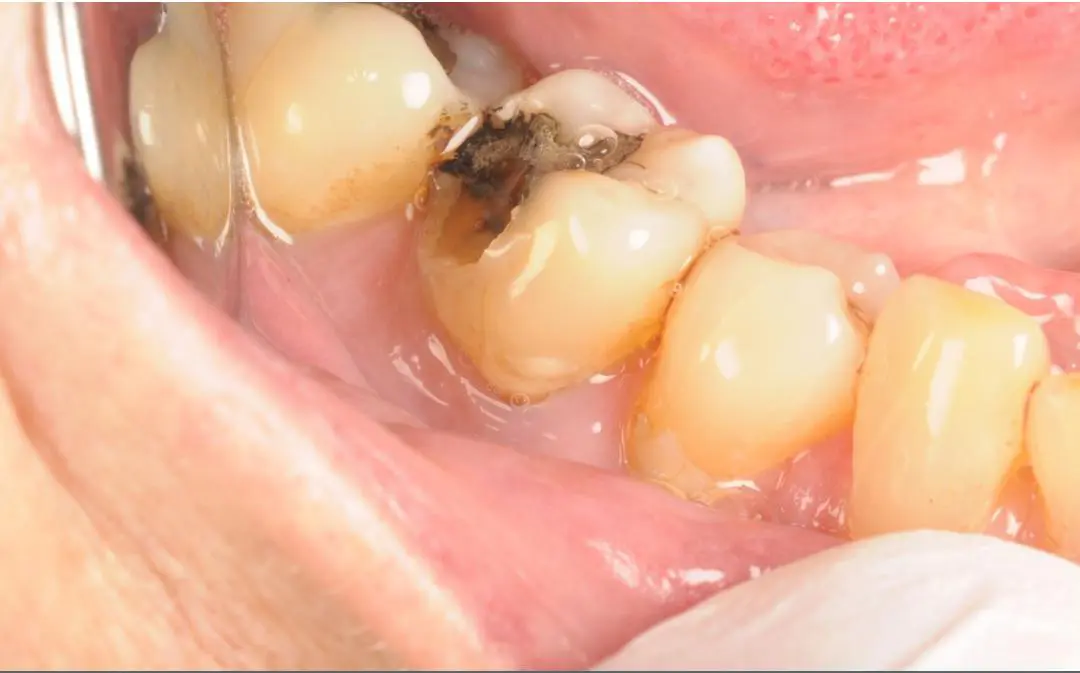
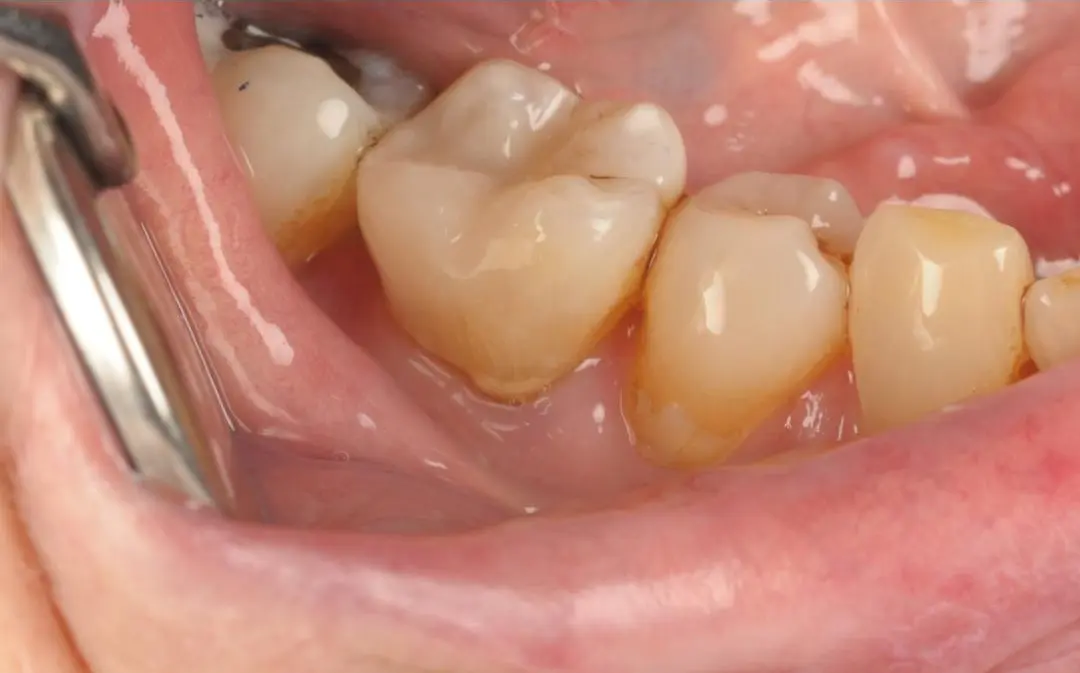
Real Patient Result: Emergency White Filling
Treatment by Dr Kamran
Common Symptoms of a Dental Abscess
Recognising the symptoms of a dental abscess can help patients understand when it may be appropriate to seek dental advice. While symptoms can vary in severity from person to person, there are several common signs to be aware of.
- Swelling of the gum, often appearing as a raised, rounded bump near the affected tooth
- Visible pus, which may discharge spontaneously or when gentle pressure is applied to the swollen area
- Persistent or throbbing toothache, which may intensify when biting down or applying pressure
- Sensitivity to hot or cold foods and beverages
- An unpleasant taste in the mouth, often described as salty or metallic, which may indicate pus draining into the oral cavity
- Redness and tenderness of the gum tissue surrounding the affected area
- Swelling of the face or jaw, particularly if the infection has progressed
- Difficulty opening the mouth or swallowing in more advanced cases
- General feelings of being unwell, including fatigue or a raised temperature
It is worth noting that in some cases, a dental abscess may be present with relatively mild or intermittent symptoms. The absence of severe pain does not necessarily mean the infection has resolved. Professional assessment remains important to evaluate the extent of the condition.
The Science Behind Dental Abscess Formation
Understanding the underlying biology of abscess formation can help patients appreciate why professional treatment is necessary and why the condition does not typically resolve on its own.
How Infection Develops
The human mouth naturally contains hundreds of species of bacteria. Most are harmless or even beneficial, but certain strains — particularly Streptococcus, Prevotella, and Fusobacterium species — can become pathogenic when they gain access to vulnerable tissues.
A tooth is structured in layers. The outermost layer, enamel, is the hardest substance in the human body and serves as a protective shield. Beneath the enamel lies dentine, a softer, porous layer that makes up the bulk of the tooth structure. At the very centre is the dental pulp, a soft tissue containing nerves, blood vessels, and connective tissue.
When tooth decay erodes through the enamel and dentine, bacteria reach the pulp chamber. The pulp tissue becomes inflamed — a condition known as pulpitis. If the infection progresses, the pulp tissue may die (become necrotic), and bacteria continue to multiply within the root canal system.
The infection then travels through the apical foramen — the small opening at the tip of the root — and enters the surrounding periapical bone. The body's immune system responds by sending white blood cells to combat the bacteria, and the resulting battle produces pus: a mixture of dead white blood cells, dead bacteria, and tissue debris.
This pus accumulates under pressure, forming the abscess. As pressure builds, the pus may seek a path of least resistance, often creating a sinus tract (sometimes called a gum boil or fistula) that opens onto the gum surface, allowing pus to drain into the mouth. This drainage may temporarily reduce pain, but the underlying infection remains active until professionally treated.
How Dental Professionals Typically Manage a Dental Abscess
The management of a dental abscess focuses on eliminating the source of infection, draining any accumulated pus, and preserving the tooth where clinically possible. The specific approach depends on the type and severity of the abscess, as well as the overall condition of the affected tooth.
Drainage of the Abscess
In many cases, the first step involves draining the pus to relieve pressure and reduce discomfort. This may be achieved by making a small incision in the swollen gum tissue or by accessing the infection through the tooth itself during root canal treatment.
Root Canal Treatment
When the infection originates from within the tooth (a periapical abscess), root canal treatment is often the preferred approach to save the tooth. This procedure involves removing the infected pulp tissue, thoroughly cleaning and disinfecting the root canal system, and sealing it to prevent reinfection. The tooth is then typically restored with a crown or filling.
Periodontal Treatment
For abscesses originating from gum disease, treatment may involve deep cleaning of the periodontal pockets, a procedure known as debridement or root surface instrumentation. This removes the bacteria, plaque, and tartar contributing to the infection.
Extraction
In cases where the tooth is severely damaged, extensively decayed, or cannot be adequately restored, extraction may be recommended. This removes the source of infection entirely.
Antibiotics
Antibiotics may be prescribed in certain circumstances, particularly when the infection has spread beyond the immediate area or when the patient shows signs of systemic involvement such as fever or facial swelling. However, antibiotics alone do not treat the underlying cause of the abscess — they serve as a supportive measure alongside dental treatment.
Treatment suitability always depends on individual clinical assessment.
When Professional Dental Assessment May Be Needed
While this article provides educational information, it is important to recognise situations where arranging a dental appointment is advisable. Dental infections can vary significantly in severity, and early professional evaluation may help prevent complications.
Consider seeking dental advice if you experience:
- A persistent toothache that lasts more than a day or two, particularly if it throbs or worsens over time
- Visible swelling of the gum, especially if accompanied by pus or a gum boil
- Facial swelling, which may suggest the infection is spreading beyond the tooth and surrounding tissues
- Difficulty swallowing or breathing, which requires immediate medical attention
- Fever or feeling generally unwell alongside dental symptoms
- A tooth that feels loose or that has changed position
- A foul taste in the mouth that persists
It is reassuring to know that dental abscesses are a well-understood and commonly treated condition. Modern dental care offers effective approaches to managing infection and alleviating discomfort. The key is seeking timely professional assessment rather than waiting for symptoms to resolve on their own.
If you are uncertain whether your symptoms warrant an urgent appointment, contacting a dental practice for guidance is always a sensible first step.
Prevention and Oral Health Advice
While not all dental abscesses can be prevented, maintaining good oral hygiene and attending regular dental appointments can significantly reduce the risk of developing infections that lead to abscess formation.
Daily Oral Hygiene
Effective daily oral care is the foundation of dental health. Brushing twice a day with a fluoride toothpaste helps remove the bacterial plaque that contributes to both tooth decay and gum disease. Using a soft-bristled toothbrush and replacing it every three to four months ensures effective cleaning without damaging the gum tissue.
Interdental cleaning — using floss, interdental brushes, or water flossers — is equally important. Toothbrush bristles cannot effectively reach the tight spaces between teeth, where plaque frequently accumulates and where decay and gum disease often begin.
Regular Dental Check-Ups
Routine dental examinations allow your dentist to identify early signs of decay, gum disease, or structural damage before these issues progress to the point of abscess formation. Professional cleaning (scale and polish) also helps remove hardened tartar that cannot be removed by brushing alone.
Dietary Considerations
Reducing the frequency of sugary foods and acidic drinks helps protect tooth enamel and limits the fuel available for harmful bacteria. Drinking water throughout the day supports saliva production, which plays a natural role in neutralising acids and washing away food debris.
Addressing Dental Issues Promptly
If you notice a cavity, a chipped tooth, or signs of gum disease such as bleeding gums, seeking dental advice sooner rather than later may help prevent the development of more serious conditions, including abscesses.
Avoiding Tobacco
Smoking and other forms of tobacco use are associated with an increased risk of gum disease, delayed healing, and reduced immune response — all factors that can contribute to abscess development.
Key Points to Remember
- A swollen gum with pus is commonly a sign of a dental abscess caused by bacterial infection.
- Dental abscesses can originate from within a tooth (periapical), from the gum tissue (periodontal), or from the surface of the gum (gingival).
- Professional dental treatment is necessary to address the source of infection — abscesses do not typically resolve without intervention.
- Treatment approaches may include drainage, root canal treatment, periodontal therapy, or extraction, depending on individual circumstances.
- Maintaining good daily oral hygiene, attending regular dental check-ups, and addressing dental problems early can help reduce the risk of abscess formation.
- If you experience persistent pain, swelling, pus, or facial swelling, arranging a dental assessment is advisable.
Frequently Asked Questions
Can a dental abscess go away on its own?
A dental abscess does not typically resolve without professional treatment. While symptoms may fluctuate — particularly if the abscess drains spontaneously through a sinus tract on the gum — the underlying infection usually persists. The bacteria responsible for the abscess remain within the tooth or gum tissues, and without treatment to address the source, the infection may recur or progress. Even if pain subsides temporarily, this does not necessarily indicate that the infection has cleared. A dental assessment is important to evaluate the condition fully and determine the most appropriate management approach.
Is a dental abscess considered a dental emergency?
A dental abscess is generally considered an urgent dental matter that benefits from prompt attention. While many abscesses can be managed with a timely routine or urgent appointment, certain symptoms may indicate a more serious situation requiring immediate care. These include significant facial swelling, difficulty swallowing or breathing, a high temperature, or rapidly worsening symptoms. In such cases, seeking emergency dental care — or attending a hospital emergency department if dental services are unavailable — is advisable. Early assessment often leads to more straightforward treatment and a better overall experience.
What can I do at home to manage discomfort before my dental appointment?
While home measures do not treat the underlying cause of an abscess, certain steps may help manage discomfort temporarily. Over-the-counter pain relief such as paracetamol or ibuprofen (taken according to packet instructions and provided there are no medical contraindications) may help reduce pain and inflammation. Rinsing gently with warm salt water several times a day may provide some relief and help keep the area clean. Avoiding very hot or cold foods and drinks, and chewing on the opposite side of the mouth, can also help minimise discomfort. These are temporary measures only, and professional dental treatment should be sought as soon as possible.
Can antibiotics cure a dental abscess?
Antibiotics alone do not cure a dental abscess. While they can help control the spread of infection and reduce symptoms in certain situations, they do not eliminate the source of the problem — which is typically infected tissue within the tooth or a bacterial deposit within gum pockets. A dentist needs to physically address the cause, whether through root canal treatment, drainage, periodontal therapy, or extraction. Antibiotics may be prescribed as a supportive measure alongside dental treatment, particularly when infection has spread or the patient has systemic symptoms, but they are not a substitute for definitive dental care.
How long does it take to recover from dental abscess treatment?
Recovery time varies depending on the severity of the infection and the type of treatment provided. Many patients experience significant relief from pain and swelling within a few days of treatment. After drainage or root canal treatment, some mild tenderness in the area is normal and usually subsides gradually. Your dentist will typically provide aftercare advice tailored to your specific situation, which may include guidance on pain management, oral hygiene, and any prescribed medications. Follow-up appointments may be recommended to monitor healing and complete any further restorative work, such as placing a permanent crown after root canal treatment.
Can children develop dental abscesses?
Yes, dental abscesses can affect patients of all ages, including children. In children, absc
Disclaimer
This article is for general educational purposes only and does not constitute professional dental advice, diagnosis, or treatment. Every patient's circumstances are unique; dental symptoms and treatment options should always be assessed during a clinical examination by a qualified dental professional. No specific outcomes are guaranteed. This content has been prepared in line with GDC, CQC, ASA CAP Code, and GMC communication standards. If you have concerns about your oral health, please contact a registered dentist.