
Waking up in the middle of the night with a throbbing toothache is one of the most distressing dental experiences patients can face. Many people find themselves searching for answers online during these painful episodes, trying to understand what might be causing their discomfort and whether it requires immediate attention.
Spontaneous toothache at night, particularly when it occurs without any obvious trigger like eating or drinking, often indicates that the tooth's nerve tissue has become inflamed or infected. This type of pain frequently suggests that endodontic treatment, commonly known as root canal therapy, may be necessary to address the underlying problem.
Understanding the connection between nighttime dental pain and potential root canal symptoms can help you recognise when professional dental assessment might be beneficial. This article will explore why tooth pain often worsens at night, what causes spontaneous toothache, and the clinical indicators that may suggest endodontic treatment could help resolve your discomfort.
Experiencing these symptoms?
Delaying treatment can lead to tooth loss. We have slots available today.
What Causes Spontaneous Toothache at Night?
Spontaneous toothache at night typically occurs when the tooth's nerve tissue becomes inflamed or infected, causing pain without external triggers. This often indicates irreversible pulpitis, where root canal treatment may be necessary to remove the damaged nerve tissue.
Several factors contribute to the development of spontaneous dental pain, particularly during nighttime hours. Deep decay that has progressed through the tooth's protective enamel and dentine layers can reach the pulp chamber, where the tooth's nerve and blood supply reside. When bacteria penetrate this sterile environment, inflammation and infection can develop rapidly.
Large or failing dental restorations may also contribute to pulp irritation. Over time, old fillings can develop microscopic gaps that allow bacteria to seep underneath, creating an environment where infection can flourish. Similarly, cracked or fractured teeth provide pathways for bacterial invasion, even when the damage isn't immediately visible.
Meet Dr. Yasha Shirazi
Principal Dentist at Emergency Dentist London
"We treat hundreds of dental emergencies every month. The sooner you come in, the easier the fix usually is."
Book an appointment with our team →Previous dental trauma, whether from accidents or grinding habits, can compromise the tooth's nerve supply gradually. Sometimes the effects of trauma don't manifest immediately, and symptoms may develop weeks, months, or even years after the initial injury.
Why Tooth Pain Worsens at Night
The timing of dental pain isn't coincidental – several physiological factors explain why toothache often intensifies during nighttime hours. When you lie down, blood flow to your head increases, creating additional pressure within inflamed tooth structures. This enhanced circulation can amplify the throbbing sensation commonly associated with tooth nerve problems.
During the day, various activities and distractions help mask dental discomfort. Work responsibilities, conversations, and general movement provide natural pain diversion. However, the quiet stillness of night eliminates these distractions, making you more acutely aware of any discomfort.
Your body's natural pain-fighting mechanisms also fluctuate throughout the day. Cortisol levels, which help manage inflammation and pain perception, typically decrease during evening hours. This reduction in natural anti-inflammatory response can make existing dental inflammation feel more intense.
Temperature changes in your mouth during sleep can also trigger pain in compromised teeth. Breathing through your mouth or consuming bedtime drinks may expose sensitive tooth structures to temperature variations that wouldn't normally cause discomfort in healthy teeth.
Understanding Tooth Anatomy and Nerve Inflammation
To comprehend why spontaneous toothache develops, it's helpful to understand basic tooth anatomy. Each tooth contains multiple layers: the hard outer enamel, the underlying dentine, and the innermost pulp chamber. The pulp contains nerve tissue, blood vessels, and connective tissue that keep the tooth vital during development.
When bacteria breach the tooth's protective barriers, the confined space of the pulp chamber becomes problematic. Unlike other body tissues that can swell when inflamed, the rigid tooth structure doesn't allow for expansion. This creates intense pressure within the pulp chamber, leading to the characteristic throbbing pain associated with pulpitis.
Irreversible pulpitis occurs when inflammation progresses beyond the point where the tooth's nerve can recover naturally. The compromised blood supply and bacterial infection create an environment where the nerve tissue begins to break down. This process often generates the spontaneous, intense pain that brings patients to emergency dental appointments.
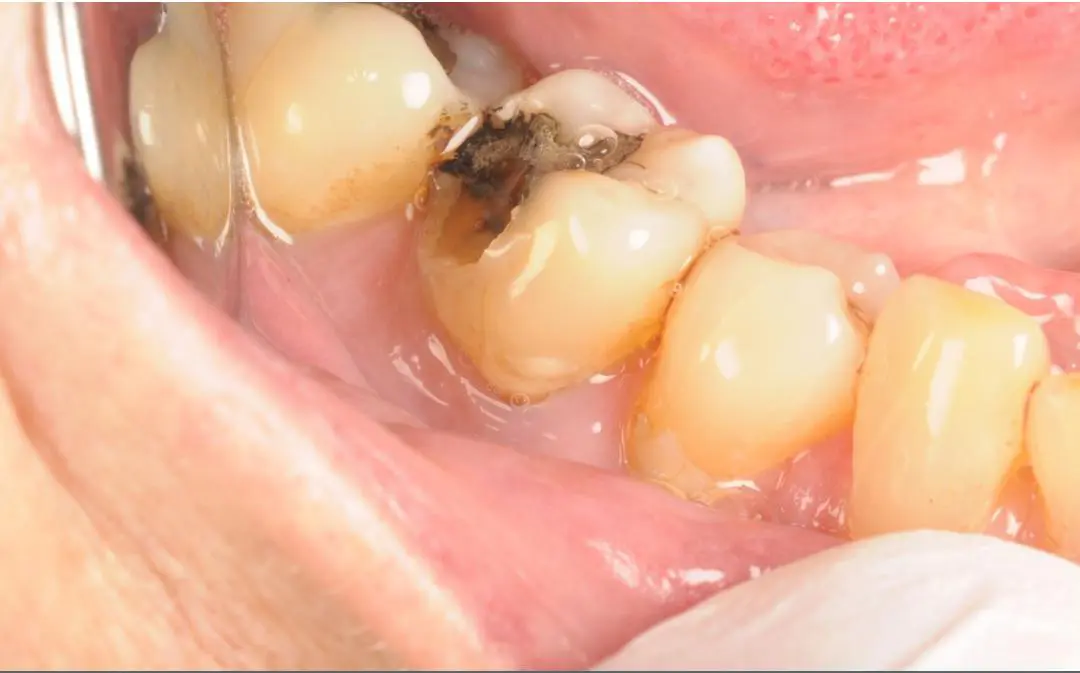
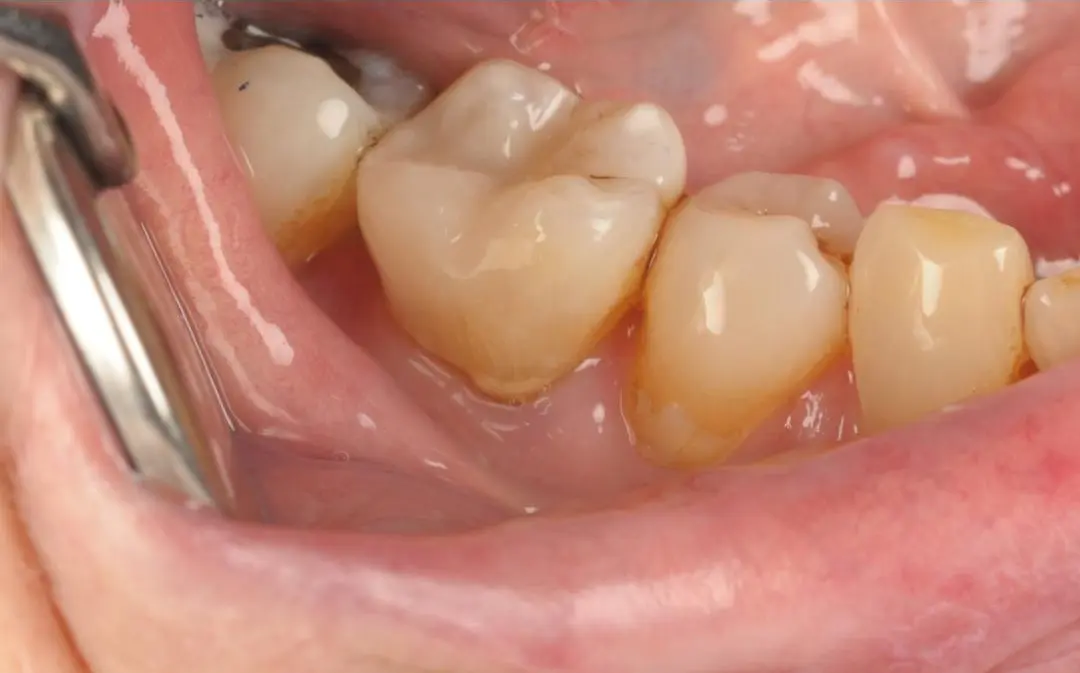
Real Patient Result: Emergency White Filling
Treatment by Dr Kamran
The tooth's nerve doesn't simply "die quietly" – as it degenerates, it can produce severe discomfort that may radiate to other areas of your face and head. This explains why patients sometimes struggle to identify exactly which tooth is causing their pain.
Signs That May Indicate Root Canal Treatment
Several clinical indicators suggest that endodontic treatment might be necessary to address tooth nerve problems. Spontaneous pain that occurs without any obvious trigger is often the most significant warning sign. This differs from sensitivity that only occurs when eating or drinking hot or cold substances.
Pain that lingers for extended periods after stimulus removal also suggests nerve compromise. While healthy teeth may experience brief sensitivity to temperature changes, prolonged discomfort indicates that the nerve tissue isn't responding normally.
Changes in pain character can provide important diagnostic information. Sharp, shooting pains may indicate different issues than deep, aching throbs. Some patients describe their discomfort as a constant dull ache punctuated by episodes of severe intensity.
Sensitivity to biting pressure, particularly when it develops suddenly, may suggest that inflammation has spread beyond the tooth's root tip. This can create tenderness in the surrounding bone and ligament structures that support the tooth.
Facial swelling, although not always present, indicates that infection may be spreading beyond the confines of the tooth itself. Any visible swelling warrants prompt professional dental assessment.
When Professional Dental Assessment May Be Needed
Persistent tooth pain, especially when it interferes with sleep or daily activities, typically requires professional evaluation to determine appropriate treatment options. Dental clinicians can perform specific tests to assess nerve vitality and identify the source of discomfort.
Symptoms that worsen over time or don't respond to over-the-counter pain management may indicate advancing infection that could benefit from prompt intervention. Delaying assessment when pain is severe may allow complications to develop.
Temperature sensitivity that has changed in character – for instance, when cold substances now provide relief rather than causing discomfort – can indicate significant nerve damage. This counterintuitive symptom often suggests that the nerve tissue is dying.
Any facial swelling, particularly if accompanied by fever or general unwellness, may indicate that infection is spreading beyond the tooth. Such symptoms warrant urgent dental evaluation to prevent more serious complications.
Treatment Approaches for Tooth Nerve Problems
Contemporary endodontic treatment has developed from historical perceptions of root canal therapy. Modern techniques focus on thorough disinfection and precise restoration of tooth function. The procedure typically involves removing inflamed or infected nerve tissue, carefully cleaning and shaping the root canal system, and sealing the space to prevent recontamination.
Local anaesthetic ensures patient comfort throughout the treatment process. Many patients report that their post-treatment discomfort is reduced compared to the original toothache that brought them for assessment. Emergency dental treatment can often provide rapid relief from severe tooth pain.
Alternative treatment options depend on the specific tooth involved and the extent of damage present. In some cases, extraction followed by tooth replacement might be more appropriate than attempting to preserve the natural tooth structure.
The success of endodontic treatment depends on various factors including the tooth's condition, the extent of infection, and the patient's overall health. Your dental clinician can explain the treatment options available for your specific situation.
Preventing Tooth Nerve Complications
Regular dental examinations allow for early detection of problems that might eventually lead to nerve complications. Professional assessment can identify developing decay, failing restorations, or structural problems before they progress to the point where root canal treatment becomes necessary.
Maintaining excellent oral hygiene helps prevent the bacterial accumulation that often leads to deep decay. Effective brushing and flossing remove the plaque biofilm that harbours the bacteria responsible for tooth decay and gum disease.
Addressing dental problems promptly when they first develop often allows for more conservative treatment approaches. Small cavities can typically be resolved with routine fillings, preventing the need for more complex procedures later.
Protective measures for patients who grind their teeth can help prevent trauma that might compromise tooth nerve health over time. Dental care services often include assessment for signs of tooth grinding and appropriate protective recommendations.
Using appropriate oral hygiene products and techniques ensures that your daily dental care routine effectively maintains tooth and gum health. Professional guidance can help optimise your home care approach.
Key Points to Remember
• Spontaneous toothache at night often indicates tooth nerve inflammation or infection
• Pain that occurs without triggers may suggest irreversible pulpitis requiring professional assessment
• Nighttime pain intensifies due to increased blood flow when lying down and reduced natural pain management
• Root canal treatment can effectively address nerve problems while preserving natural tooth structure
• Early professional assessment often allows for more conservative treatment options
• Regular dental examinations help prevent complications that might lead to nerve damage
Frequently Asked Questions
Why does my toothache only hurt at night?
Nighttime toothache often feels worse due to increased blood flow to your head when lying down, reduced natural pain-fighting hormones, and fewer distractions. The quiet environment makes you more aware of discomfort, and inflamed tooth nerves become more sensitive to the additional pressure from enhanced circulation during rest.
Can a tooth infection spread if left untreated?
Untreated tooth infections can potentially spread beyond the immediate tooth area into surrounding tissues, jaw bone, or other facial structures. This progression can lead to more serious complications requiring extensive treatment. Professional dental assessment helps determine appropriate intervention to address infection before complications develop.
How long can I wait before seeking treatment for severe tooth pain?
Severe, spontaneous tooth pain typically indicates significant nerve inflammation or infection that may worsen without appropriate treatment. While pain tolerance varies between individuals, persistent severe discomfort often benefits from prompt professional evaluation to prevent complications and provide effective pain relief.
Is root canal treatment always necessary for nighttime toothache?
Not all nighttime toothaches require root canal treatment, but spontaneous pain without triggers often indicates nerve compromise. Professional assessment including clinical examination and potentially diagnostic imaging can determine whether endodontic treatment, alternative procedures, or other approaches might be most appropriate for your specific situation.
Can antibiotics cure a tooth infection instead of root canal treatment?
Antibiotics may help manage spreading infection but cannot eliminate bacteria within the tooth's root canal system. The confined space and limited blood supply within infected tooth structures prevent antibiotics from fully resolving the problem. Professional cleaning and sealing of the root canal system is typically necessary for complete resolution.
What should I do if I wake up with severe tooth pain?
Over-the-counter pain relief may provide temporary comfort, but severe spontaneous tooth pain often requires professional assessment to address the underlying cause. Emergency dentist services can provide prompt evaluation and treatment when severe symptoms develop outside normal practice hours.
Related Emergency Dental Guides
- Lingering Sensitivity To Cold Could Be Pulp Inflammation
- Clove Oil Cotton Ball Natural Anaesthetic
- Why Your Tooth Hurts When You Fly Explained
- Urgent Dental Care No Waiting Lists London
- Weekend Vs Weekday Dental Emergencies Whats Different
Conclusion
Spontaneous toothache that develops during nighttime hours often serves as an important warning sign that the tooth's nerve tissue has become compromised. Understanding why these symptoms occur and recognising their significance can help you make informed decisions about seeking appropriate dental care.
While nighttime tooth pain can be distressing, modern dental techniques provide effective treatment options that can resolve discomfort while preserving natural tooth structure. Early professional assessment often allows for more predictable treatment outcomes and can prevent complications that might develop if problems are left unaddressed.
Maintaining excellent oral hygiene and attending regular dental examinations remain the most effective strategies for preventing the development of tooth nerve problems. However, when symptoms do occur, prompt professional evaluation can provide both immediate relief and long-term solutions.
Dental symptoms and treatment options should always be assessed individually during a clinical examination.
Disclaimer
This article is for general educational purposes only.
It does not replace professional dental advice, diagnosis, or treatment.
All symptoms and treatment options should be assessed by a qualified dentist in a clinical examination.
Treatment suitability and outcomes vary by individual circumstances.
If you have urgent symptoms, seek prompt professional dental care.