
A sharp tooth edge cutting your tongue can transform everyday activities like eating, speaking, and swallowing into uncomfortable experiences. Many people find themselves repeatedly catching their tongue on a jagged tooth surface, leading them to search for immediate relief and practical solutions.
This frustrating dental issue often occurs following dental trauma, tooth fractures, or when existing dental work becomes damaged. The constant irritation can affect your quality of life and may lead to ongoing oral discomfort if left unaddressed.
Understanding why tooth edges become sharp, how they affect your oral tissues, and what treatment options are available can help you make informed decisions about your dental health. This article explains the causes behind sharp tooth edges, immediate management strategies, and when professional dental assessment may be beneficial.
Experiencing these symptoms?
Delaying treatment can lead to tooth loss. We have slots available today.
Whether you're dealing with a recently chipped tooth or a long-standing rough edge that's become more problematic, knowing the underlying factors and available solutions can guide you towards appropriate care and improved oral comfort.
What Causes Sharp Tooth Edges?
Yes, a qualified dentist can smooth sharp tooth edges using specialised polishing instruments during a clinical procedure. Treatment time varies depending on individual circumstances and the extent of roughness requiring attention.
Common Causes of Jagged Tooth Surfaces
Sharp tooth edges typically develop through several mechanisms. Dental trauma from accidents, sports injuries, or biting hard objects can cause tooth fractures that leave rough, irregular surfaces. These fractured edges often have microscopic irregularities that feel sharp against soft oral tissues.
Meet Dr. Yasha Shirazi
Principal Dentist at Emergency Dentist London
"We treat hundreds of dental emergencies every month. The sooner you come in, the easier the fix usually is."
Book an appointment with our team →Wear patterns from teeth grinding (bruxism) can gradually create uneven tooth surfaces. Over time, excessive grinding pressure causes enamel to chip away unevenly, leaving some areas with sharp margins. This process often occurs during sleep, making many people unaware of the gradual damage.
Existing dental work may also develop sharp edges. Dental fillings, crowns, or other restorations can chip, wear down, or become displaced, creating rough surfaces that irritate surrounding tissues. Age-related changes in dental materials can contribute to these issues, particularly with older restorations.
Understanding Tooth Structure and Damage
Tooth enamel forms the protective outer layer of your teeth and represents the hardest substance in the human body. Despite this strength, enamel can fracture under sufficient force or repeated stress, creating sharp fragments.
When enamel chips or breaks, the underlying dentine may become exposed. Dentine has a different texture and composition compared to enamel, often feeling rougher against your tongue. The junction between damaged enamel and exposed dentine frequently creates the sharp edges that cause tongue irritation.
The irregular nature of tooth fractures means that broken edges rarely heal smooth naturally. Unlike other body tissues, tooth enamel cannot regenerate, so damaged areas require professional intervention to restore smooth surfaces and prevent ongoing irritation.
Immediate Management Strategies
While awaiting professional dental care, several approaches may help manage discomfort from sharp tooth edges. Dental wax, available from most pharmacies, can provide temporary protection by covering rough surfaces. Apply a small amount of wax over the sharp area to create a barrier between the tooth edge and your tongue.
Avoiding foods that require extensive chewing can reduce tongue irritation. Soft foods like soups, smoothies, and cooked vegetables place less stress on oral tissues and minimise contact with sharp tooth surfaces.
Gentle oral hygiene remains important, though you may need to modify your brushing technique around sensitive areas. Use a soft-bristled toothbrush and avoid aggressive brushing near the affected tooth to prevent additional irritation.
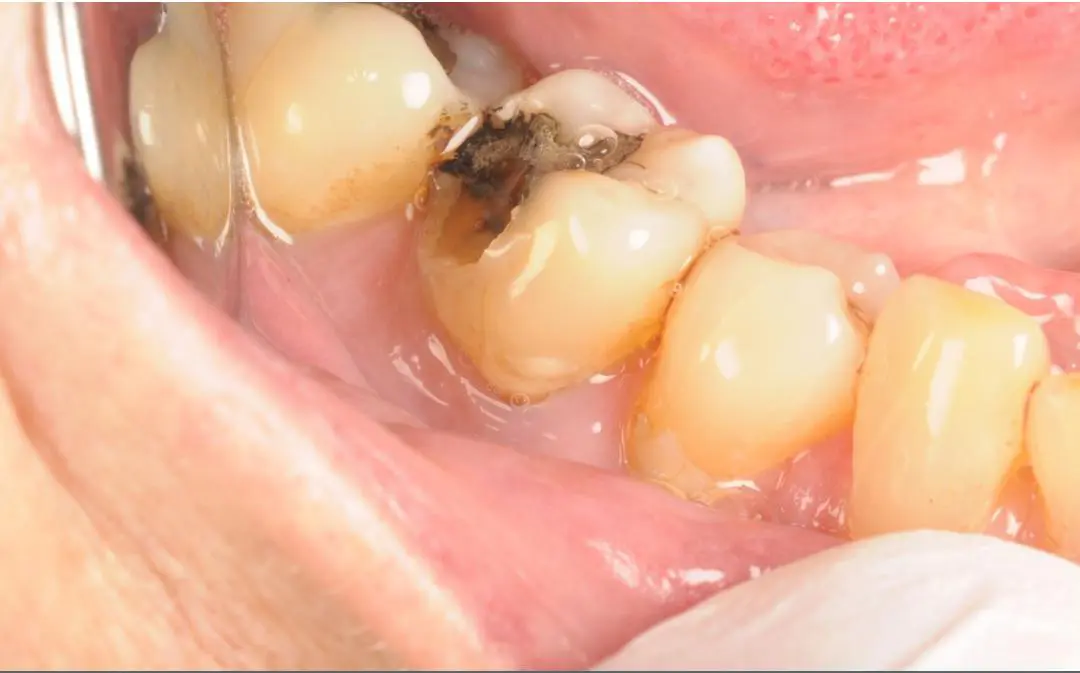
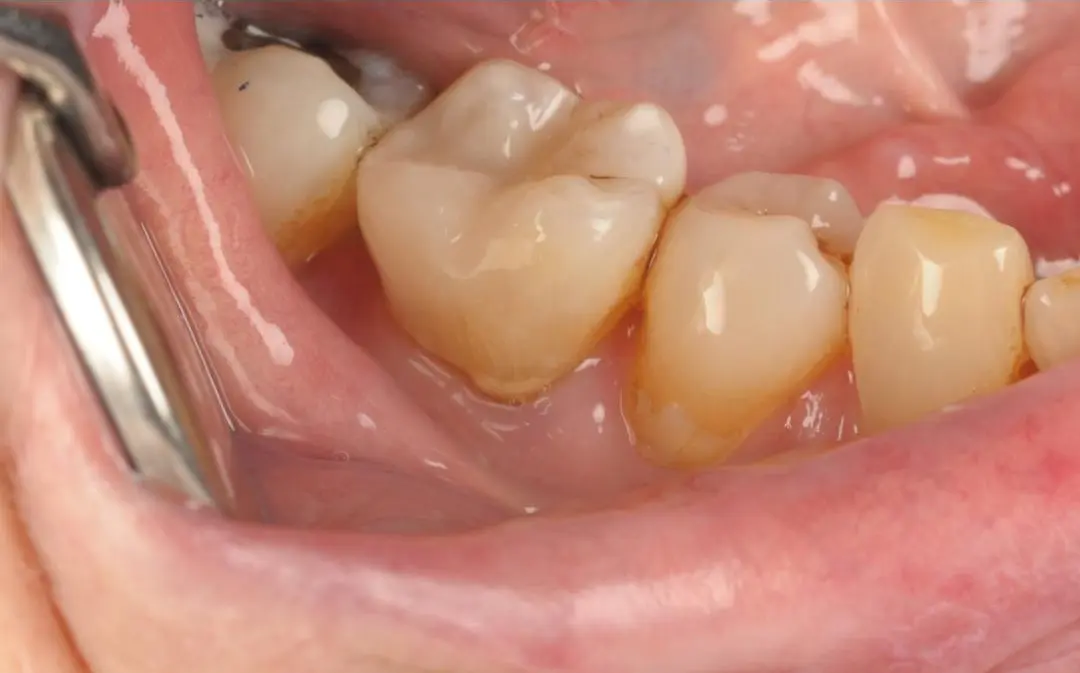
Real Patient Result: Emergency White Filling
Treatment by Dr Kamran
Professional Treatment Options
Dental professionals have various tools and techniques for smoothing sharp tooth edges safely and effectively. The specific approach depends on the extent of damage, tooth location, and underlying cause of the rough surface.
For minor irregularities, dentists may use fine polishing instruments to carefully smooth the affected area. This process typically involves using graduated polishing discs or strips to gradually refine the tooth surface until it feels smooth against oral tissues.
More significant damage may require restorative treatment. Small chips might be repaired with tooth-coloured composite bonding, which not only smooths the surface but also restores the tooth's original shape and function. Larger fractures may need lost crown repair to provide comprehensive protection and restore normal tooth contours.
When Professional Assessment May Be Needed
Several situations indicate that professional dental evaluation may be appropriate for sharp tooth edges. Persistent pain or discomfort that interferes with normal activities suggests the need for clinical assessment. Pain may indicate nerve involvement or secondary complications requiring prompt attention.
Signs of tissue damage, such as cuts, ulcers, or persistent sore areas on your tongue or cheeks, warrant dental evaluation. Ongoing irritation from sharp edges can lead to chronic tissue inflammation or secondary infections if left unmanaged.
Temperature sensitivity or pain when consuming hot or cold foods may indicate that the tooth damage extends beyond surface enamel. This symptom often suggests that deeper tooth structures require professional evaluation and appropriate treatment.
Prevention and Oral Health Maintenance
Several strategies can help prevent the development of sharp tooth edges. If you grind your teeth, particularly at night, consider discussing custom mouthguard options, including those explained in sports dental trauma and mouthguard first aid guidance. These protective appliances can significantly reduce wear patterns and prevent fractures caused by excessive grinding forces.
Avoiding hard foods and objects that can cause tooth fractures helps protect enamel integrity. Ice cubes, hard sweets, and non-food items like pen caps or bottle tops can cause sudden fractures that create sharp edges.
Regular dental examinations allow for early identification of developing issues. Your dentist can spot minor chips or wear patterns before they become problematic, often addressing them with simple preventive measures. If sharpness comes from a failed restoration rather than enamel wear, see broken filling sharp-edge repair guidance.
Maintaining good oral hygiene supports overall tooth health and can help identify changes in tooth surfaces early. Daily brushing and flossing, combined with regular professional cleanings, keep your mouth healthy and make it easier to notice when tooth surfaces feel different. You can also compare symptoms with this article on a broken tooth edge cutting the tongue.
Key Points to Remember
• Sharp tooth edges commonly result from trauma, grinding, or damaged dental work
• Professional smoothing can typically be completed quickly using specialised dental instruments
• Temporary measures like dental wax can provide relief while awaiting professional care
• Persistent pain or tissue damage indicates the need for dental evaluation
• Prevention through protective appliances and avoiding hard objects helps maintain smooth tooth surfaces
• Regular dental check-ups allow for early detection and management of developing issues
Frequently Asked Questions
How quickly can a dentist smooth a sharp tooth edge?
Most minor tooth smoothing procedures can be completed within 10-15 minutes during a routine appointment. The exact time depends on the extent of roughness and whether additional restorative work is needed. Simple polishing typically requires only a few minutes, whilst more complex reshaping may take longer.
Is tooth smoothing painful?
Basic tooth smoothing and polishing procedures are generally comfortable and often require no anaesthetic. The process involves removing small amounts of surface irregularities rather than drilling into deeper tooth structures. Most patients experience minimal or no discomfort during the procedure.
Can I file down a sharp tooth edge myself?
Home filing or grinding of tooth edges is not recommended and may cause additional damage. Dental enamel requires professional tools and expertise to modify safely. Improper home treatment can worsen the problem, damage surrounding teeth, or create more sharp edges.
Will a sharp tooth edge heal on its own?
Tooth enamel cannot regenerate or heal naturally like other body tissues. Sharp edges will remain unchanged without professional intervention. While surrounding soft tissues may adapt to some degree, the underlying tooth irregularity requires dental treatment to resolve properly.
How much does tooth smoothing cost?
The cost of tooth smoothing varies depending on the complexity of the procedure and specific practice fees. Simple polishing is often relatively affordable, whilst extensive reshaping or restorative work may cost more. Many dental practices can provide cost estimates during consultation appointments.
Can sharp tooth edges cause serious problems?
While not immediately dangerous, untreated sharp edges can lead to ongoing tissue irritation, ulcers, or secondary infections. Chronic irritation may affect eating comfort and speech. Additionally, the underlying cause of sharp edges, such as significant fractures, may indicate more serious dental issues requiring attention.
Related Emergency Dental Guides
Related Emergency Dental Guides
- Metallic Taste In Mouth Sign Of Leaking Filling
- Distortion From Glue Creates Rough Edge That Cuts Tongue
- Urgent Dental Care No Waiting Lists London
Conclusion
Sharp tooth edges that catch your tongue represent a common dental concern that can significantly impact daily comfort. Understanding the causes, from trauma and grinding to damaged dental work, helps you recognise when professional assessment may be beneficial.
Professional smoothing techniques can address most sharp edges effectively, often within a brief appointment. While temporary measures like dental wax can provide short-term relief, proper dental evaluation ensures that underlying issues are identified and treated appropriately.
Prevention through protective appliances, avoiding hard objects, and maintaining regular dental care helps preserve smooth tooth surfaces and reduces the likelihood of developing sharp edges. Early intervention for minor irregularities can prevent more significant problems from developing.
If you're experiencing persistent discomfort from sharp tooth edges, particularly with associated pain or tissue damage, consider seeking same-day broken tooth repair for appropriate assessment and treatment.
Dental symptoms and treatment options should always be assessed individually during a clinical examination.
Disclaimer
This article is for general information only and is not dental advice.
It does not replace an in-person examination, diagnosis, or treatment plan by a qualified dental professional.
Symptoms, suitability, risks, and outcomes vary between patients and must be assessed individually.
Do not delay seeking professional care if you have pain, swelling, bleeding, trauma, or other urgent symptoms.
Any fees or treatment examples are indicative and confirmed only after clinical assessment and a written treatment plan.